

The surging popularity of appetite-suppressing drugs in the UK is already starting to impact major food retailers. As obesity drugs such as Ozempic, Wegovy and Mounjaro, shape eating habits they could also have a profound impact on supply chains and eventually what farmers grow across the British Isles, since the levels of uptake and investment is astounding.
At least 1.6 million UK adults are estimated to have used weight loss jabs in the past year. Some reports put the number as high as 2.5 million. Usage is soaring, and according to University College London, an additional 3.3 million people are also interested in trying them – that’s almost one in ten of the UK adult population.
With obesity affecting up to 15 million people in the UK, and growing, the potential for these drugs is vast. Only 220,000 patients will receive the drugs via the NHS over the next three years. Millions are investing in them privately at a cost of £3,000 a year. But as these pharmaceuticals become more affordable and available in pill form, rather than injections, much greater uptake is expected.
“People are acquiring these drugs because they believe it’s the right investment for their health. They are having a profound effect with people eating less. This is now opening up conversations around the role food plays in health and the positive consumption of the right foodstuffs in peoples’ diets. There’s certainly a real opportunity for more fruit, veg and fibre,” explains Victoria Stevens, partner at investment firm Bramble Intelligence.
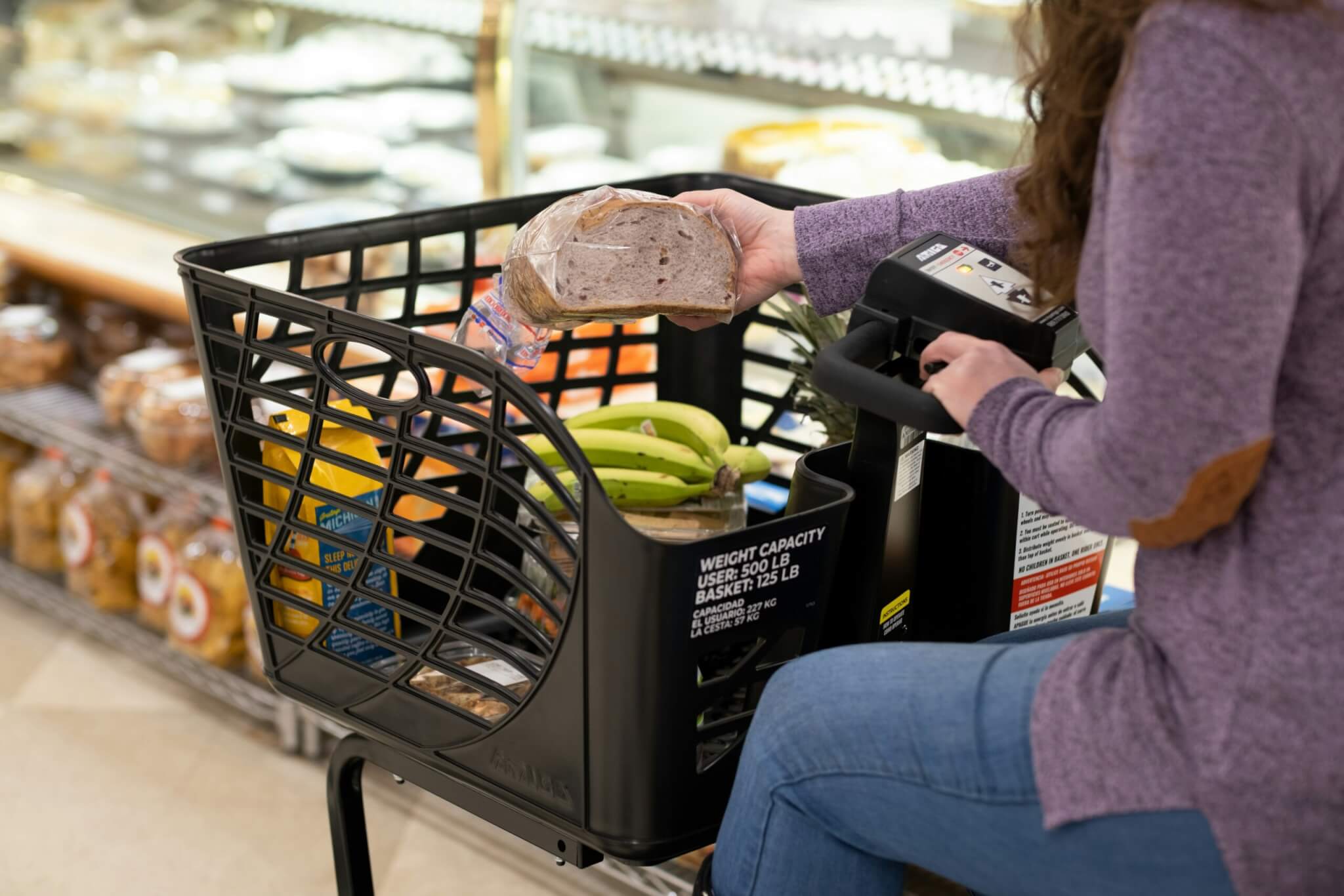
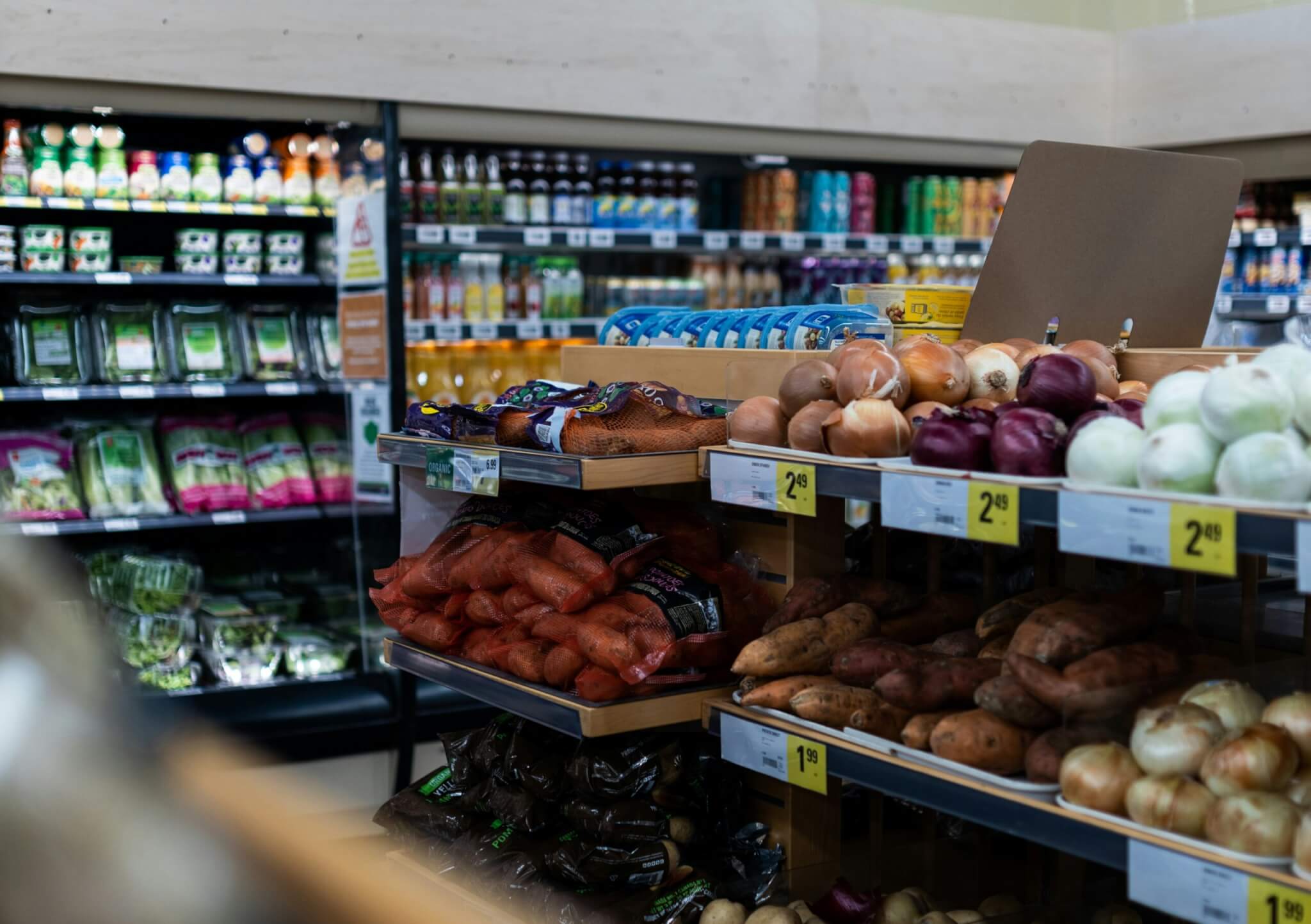
Supermarket chains are already starting to see the effects of these glucagon-like peptide, or GLP-1 drugs on food sales, with a switch to healthier, nutrient-dense choices, including more fresh food. It’s why a number of big retailers have now launched GLP-1 friendly ready product ranges.
“Consumers on these medications tend to favour smaller, nutrient dense meals and prioritise high protein foods to help prevent muscle loss. At the same time, they show reduced appetite for snacks, sweet treats and even alcohol,” explains Vanessa Adamson, Retail & Consumer Insight Manager at the Agriculture and Horticulture Development Board (AHDB)
She adds: “This pattern could translate into stronger demand for lean red meat and high protein dairy products such as yoghurt and milk, offering potential opportunities for UK livestock and dairy producers as the GLP 1 trend grows.”
UPFs down, fruit and veg buoyant
There is anecdotal evidence to suggest that these jabs suppress cravings for ultra-processed food – some are calling it a firebreak on empty calories. The drugs also boost preferences for minimally processed products. With reduced appetite, portion control becomes more important, as does digestive health. At the same time, calorie intake falls.
“This creates a weakness in the junk food cycle. The commercial incentives begin to change. The old money-making products no longer bring in such huge returns. Suddenly, attributes like freshness, quality, and health benefits become more desirable than hyper-palatability,” said Henry Dimbleby, of investment firm Bramble Partners, in a lecture to the Royal Society of Medicine.
At this early stage, it’s difficult to quantify how this trend will affect British farmers and supply chains. But the grocery sector has already lost an estimated £136 million in food and drink spending, according to research by Kantar, declaring that GLP-1s drugs are a major disruptor, reshaping consumption, behaviour and business in real time.
Arable crops that underpin high-calorie processed foods and shelf-stable, starchy snacks, including wheat and other cereals, sugar beet and oil seeds, could be negatively affected. Eventually there may be less pressure on agricultural land due to reduced food demand, especially commodity crops, the price of which is dictated globally.
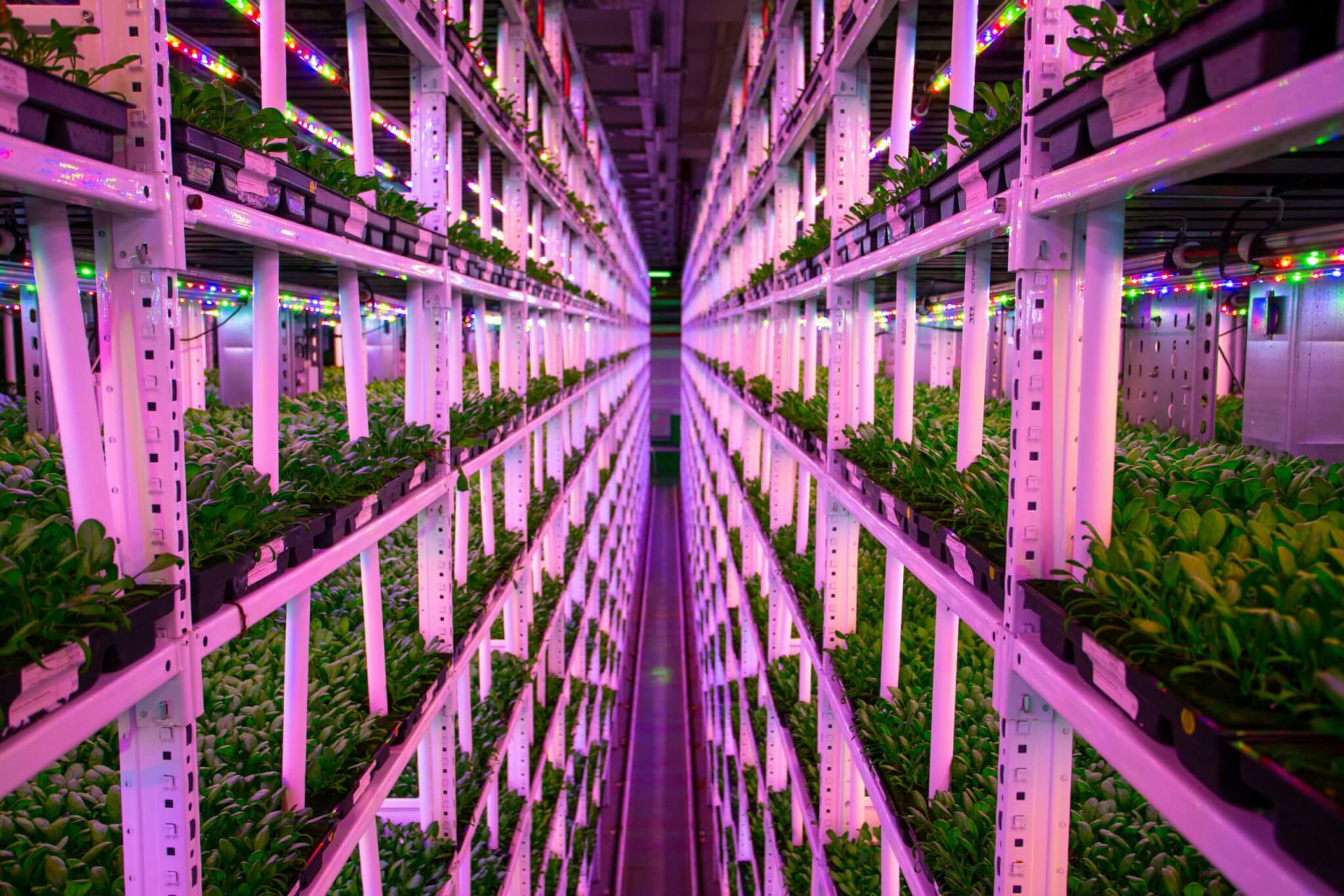
When there’s a greater focus on nutrient-dense foods including micro (vitamins, minerals etc) and macro-nutrients (protein, carbohydrate, fat etc) – as well as fibre, which 96% of Brits don’t get enough of – this could also raise the profile of organic produce and extend to regenerative farming systems. Livestock farmers could also see growing opportunities for leaner meat and higher-protein dairy.
Certainly, an increase in the demand for more perishable food will impact the whole food system including levels of waste, as well as the carbon intensity and industrial scale of production. The hospitality industry will also be affected, as those on weight loss drugs reconsider eating out (generous portion sizes being a barrier to many on GLP-1 drugs).
At the same time, the quality rather than the quantity of calories will be in focus which affects the bottom line of food industry businesses including dominant retail chains and top food manufacturers. “Their businesses are built on very big fixed cost bases, and so a small drop in volume can lead to a huge drop from a profitability perspective,” points out Stevens from Bramble.
However, these are projections onto a sector that has yet to evolve and deal with full scale change. “I don’t think people are yet saying ‘well, I’m now eating less, so I’m going to invest more in different types of food.’ Most people take it privately and they’re still not getting any advice or support on the life changes they need to make, as they eat less. There’s a real risk some people will be nutrient deficient,” adds Stevens.
Taking a lead from the US
The United States is showing the way since it has more advanced adoption rates. A study of 150,000 households who were using these drugs by Cornell University found a 5.3% drop in grocery spend, a 10% decline in savoury snacks, and a slight increase in fruit consumption. Vegetable uptake did not decrease as much as other food types, while appetite was supressed by a third.
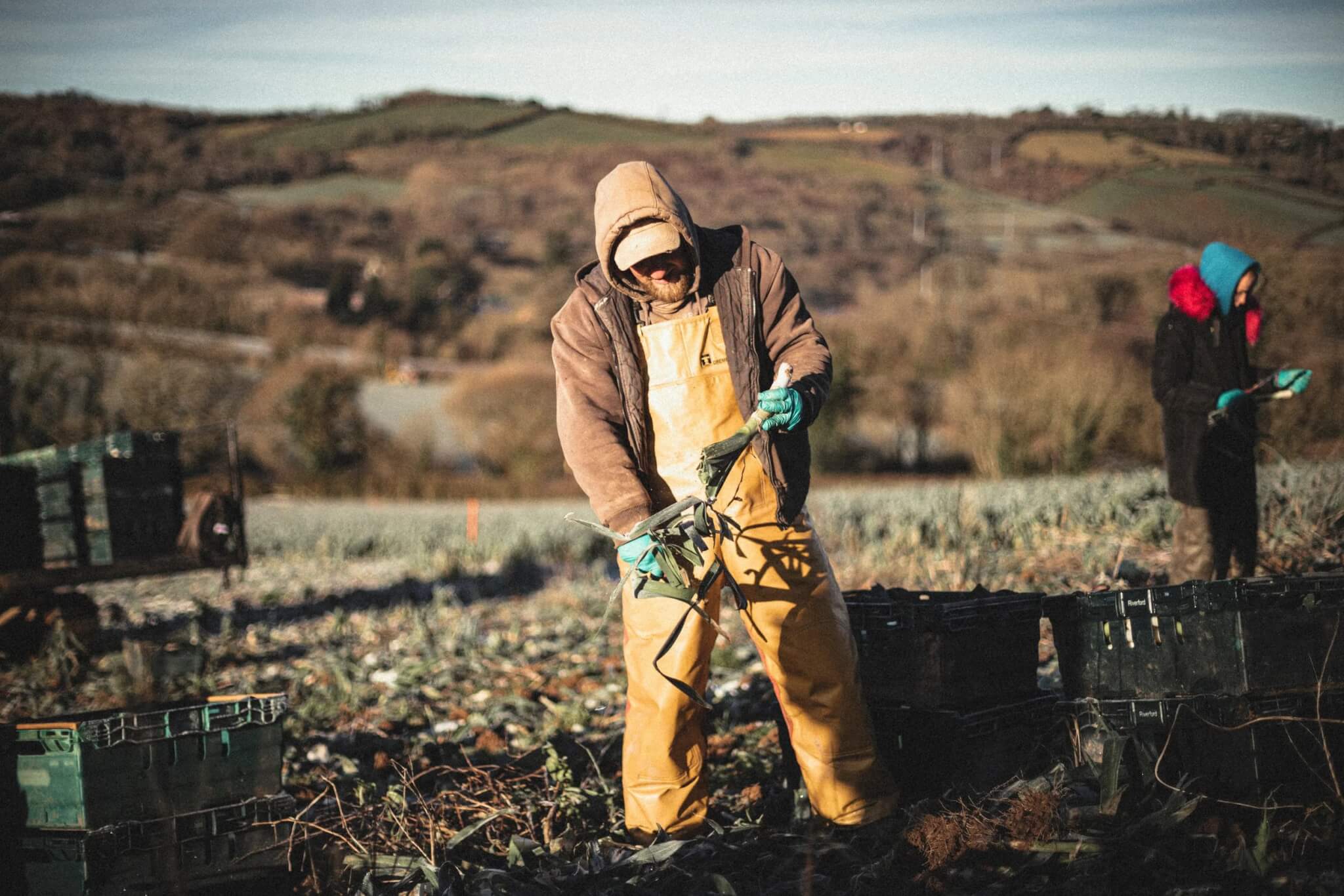
American farmers are already having to adapt. For instance, those growing sugar beet are partly blaming weight loss drugs for a dramatic drop in refined sugar prices and U.S. consumption. They are now cutting back on what they sow.
There is also talk in the US of a greater potential for farmers growing vegetables, fruit or raising livestock, especially those able to benefit “from consumers willing to pay more for better nutrition or perceived quality…farms that remain tied to high-volume commodity outputs may find margins squeezed,” states the New Jersey Farmer.
Since GLP1-drug users are encouraged to consume differently, high-protein and fibre crops, such as peas, beans and legumes could also see a hike in demand – will this inadvertently lead to a more planet-friendly diet?
The GLP-1 knock on effect
There is also a growing interest in how GLP-1 drugs work in the body – since they supress people’s need to eat. Humans naturally produce similar hormones in order to control blood sugar levels, stimulate insulin release, slow digestion, and control appetite.
So a diet that encourages these hormones is likely to become more popular. Foods rich in fibre and polyphenols including fruit, vegetables, legumes and nuts, beans and lentils, contain compounds that are converted by the gut microbiome into short-chain fatty acids, which then stimulate the production of natural GLP-1.
If you think weight loss drugs are a fad that may go away, think again. There are at least 100 more GLP-1 like drugs in development. They look set to be the biggest drug class in history. In a handful of countries, including China, Canada and India the pharmaceuticals are coming off patent, which means these markets will be flooded with generic weight loss drugs at competitive prices.
12% of adult Americans are already taking these drugs and numbers are on the rapid rise. In the UK, current adoption rates are less than half that of the U.S. It’s no surprise that Big Pharma is already talking about the consumerisation of GLP-1 drugs; a weight loss pill could eventually be as routine as one for blood pressure. But such a significant uptake will have to be accompanied by a lot more education around healthy eating choices, with the drug companies already ramping up action in this sphere.
Whether the intervention of the pharmaceutical industry in our food system will have a meaningful long-term impact on humanity’s agricultural footprint as a whole remains to be seen. But it is already making inroads. And this is just the beginning.



If it encourages consumption of more ‘real food’ and leaves junk sugar and carbs on the shelf it seems to be wholly beneficial technology. Of course there may yet be something that hasn’t appeared yet that give us all galloping cancer or something equally horrible, but we aren’t there yet. Junk food is one of the curses of the modern era.
Concerns might be the affordability of food for the masses, but that is something that is with us already, and also our food sovereignty which might reduce further if we are driven to less intensive production methods. I would love to hear what others think about it.
PS I have just commenced a course of Mounjaro as my obesity is killing me (literally) and I have a dysfunctional relationship with food. Early days but a little weight reduction has been observed, and no untoward symptoms. How about that for full disclosure!