GET THE DIGITAL DIGEST

Sign up to receive the key stories in food, farming + fairness, direct to your inbox, every Friday.

Wicked Leeks logo

Food, Farming, Fairness.

  • News
  • Opinion
  • Features
  • Resources
  • Riverford
  • About Wicked Leeks

Hot topics

  • Farming
  • Animal welfare
  • Politics
  • Regenerative farming

All topics

  • Activism
  • Agroecology
  • Agroforestry
  • Biodiversity
  • Brexit
  • Business
  • Cartoon
  • Christmas
  • Cities
  • Climate change
  • Community
  • COP26
  • Cost-of-living
  • Culture
  • Dairy
  • Diets
  • Diversity
  • Eating and drinking
  • Eating out
  • Education
  • Employee ownership
  • Energy
  • Environment and ethics
  • Ethical business
  • Events
  • Fairtrade
  • Fashion and beauty
  • Fish
  • Flexitarianism
  • Flowers
  • Food waste
  • Foraging
  • Grow your own
  • Growers and suppliers
  • Guy Singh-Watson
  • Health
  • Inequality
  • Land ownership
  • Local sourcing
  • Meat
  • Mental health
  • Nature
  • Net zero
  • News from the farm
  • Organics
  • Packaging
  • People
  • Pesticides
  • Plant-based
  • Plastic
  • Podcast
  • Price
  • Recipes
  • Recycling
  • Renewable energy
  • Rewilding
  • Seasonality
  • Seeds
  • Shopping
  • Social justice
  • Soil
  • Summer
  • Supermarkets
  • Sustainable Food Series
  • Technology
  • The big interview
  • Travel
  • UK Gov
  • Veg hacks
  • Veganism
  • Water
slider image
Features

The weakening link between our local abattoirs, organic meat and high animal welfare

The loss of the UK's smaller, local abattoirs would have devastating effects on the food system, finds Anna Zuurmond

Animal welfare Community
slider image
The AGtivist

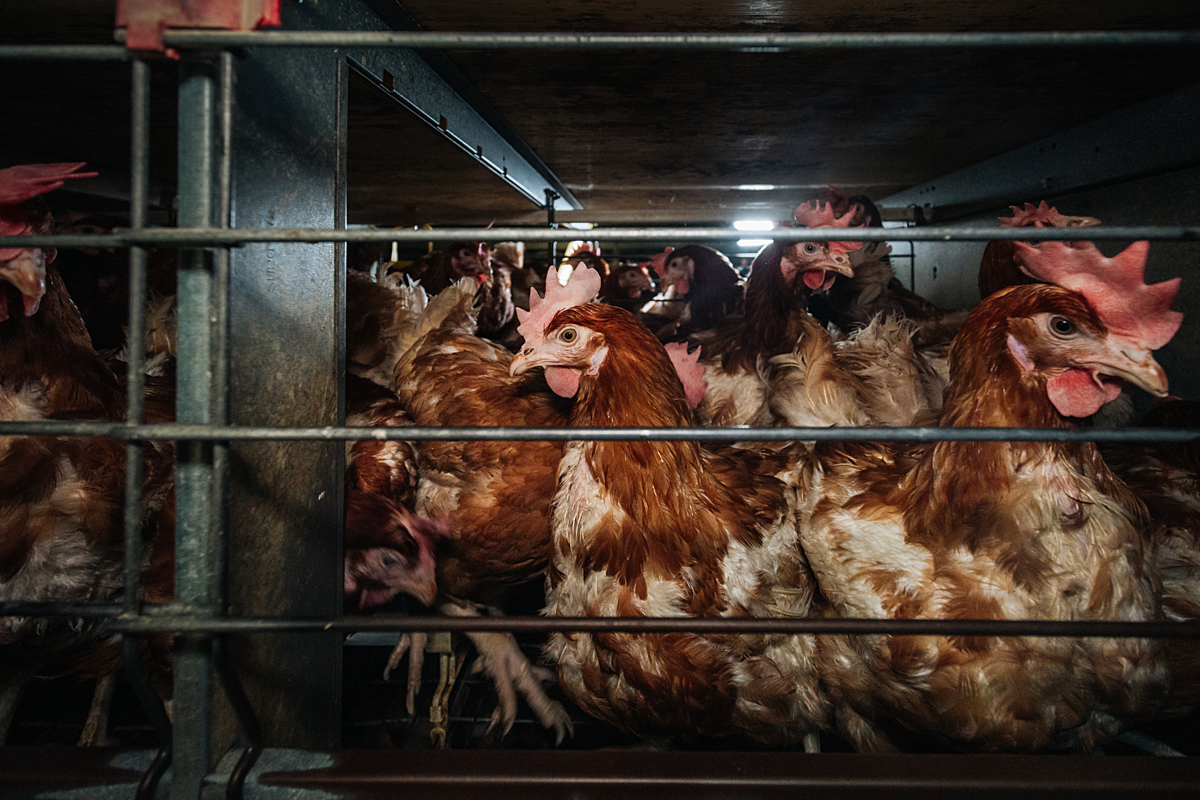
The AGtivist investigates the march of the megafarms (part two)

Aerial photography shows the extent of megafarm sprawl and spread across Europe, finds the AGtivist

Animal welfare Farming Meat
slider image
The AGtivist

The AGtivist investigates the march of the megafarms (part one)

Government data shows that the number of “megafarms” in the UK increased by 21 per cent between 2017-2024

Activism Animal welfare Farming
slider image
News

Campaign for better school food gains momentum 

The Food Foundation renews the call for better standards and monitoring in schools as the government rolls out more free meals for children across the country

Activism Cost-of-living Health Inequality
slider image
News

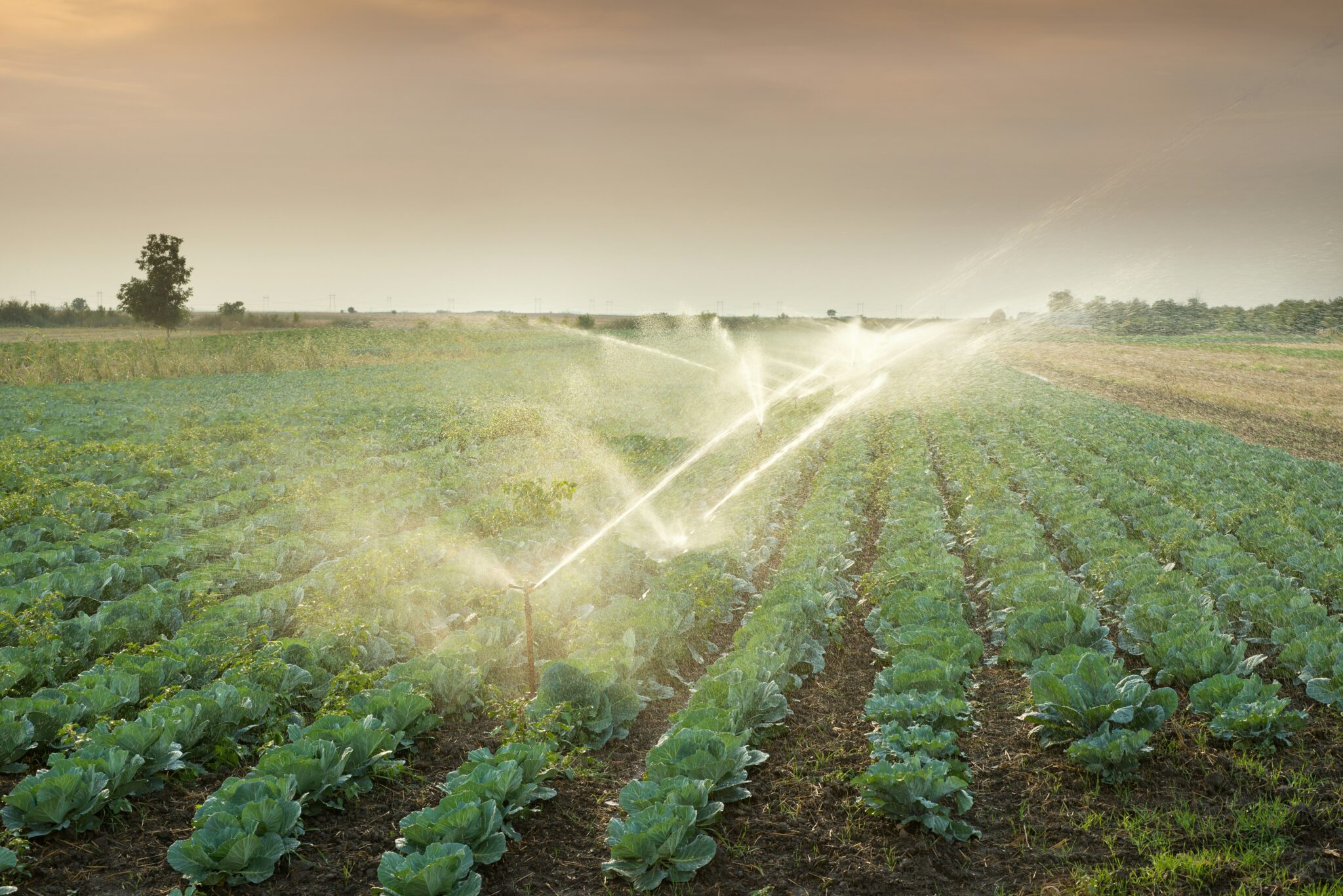
Poison for profit – EU exports 122,000 tonnes of banned pesticides

44 Highly Hazardous Pesticides, banned for EU use, are still being shipped to the African continent

Environment and ethics Pesticides
The AGtivist

The AGtivist investigates the march of the megafarms (part two)

Animal welfare Farming Meat
Opinion

News from the farm: Rotations, civilisation, and the avoidance of dogma

Guy Singh-Watson News from the farm
Features

The impact of weight loss drugs on what we eat and grow

UPF Health
STORY OF THE WEEK

In the new study, ZOE scientists examined the diets of 550 people and over 13,000 brand level foods. They found that under the Nova system, almost 80% of cereals are labeled as UPFs, but 64% of cereals analysed by ZOE were actually low or no risk. David Burrows, Wicked Leeks

Features

“Only X ingredients” range from M&S sparks debate around UPFs and classification

UPF Eating and drinking Health
Features

We’ve all heard of Veganuary. But what about “Regenuary”?

Regenerative farming Eating and drinking
News

Campaign for better school food gains momentum 

Activism Cost-of-living Health Inequality
The AGtivist

The AGtivist investigates the march of the megafarms (part one)

Activism Animal welfare Farming
Features

News from the farm: Returning to our roots, tubers & brassicas

Eating and drinking News from the farm Seasonality
WL Meets

WL Meets: Stephanie Slater, chief executive of School Food Matters

Activism Community Inequality
Features

The weakening link between our local abattoirs, organic meat and high animal welfare

Animal welfare Community
Opinion

News from the Farm – Grievous Biological Harm & banning glyphosate

Pesticides Environment and ethics Guy Singh-Watson
About us

Find out more about Wicked Leeks and our publisher, organic veg box company Riverford.

Get in touch

Are you farmer, producer or journalist with a story to share? Drop us a line here.

Resources

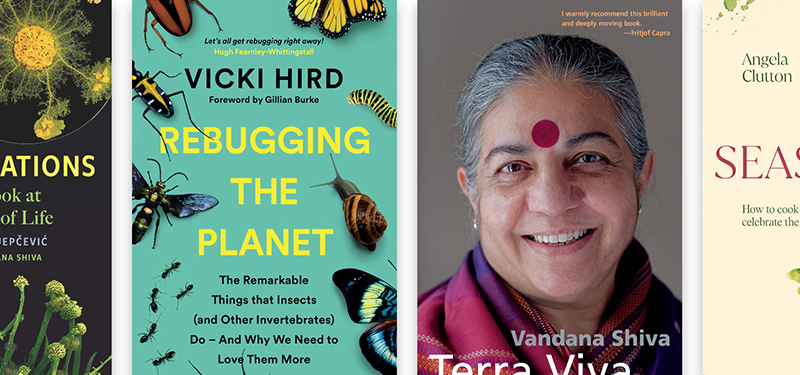
New + Noteworthy books, blogs, podcasts + more that are making waves in the worlds of food, farming + fairness.

wickedleeksmag

FOOD, FARMING, FAIRNESS. Wicked Leeks is a digital news channel joining the dots between food, farming & people, published by @riverford ⬇️SUBSCRIBE

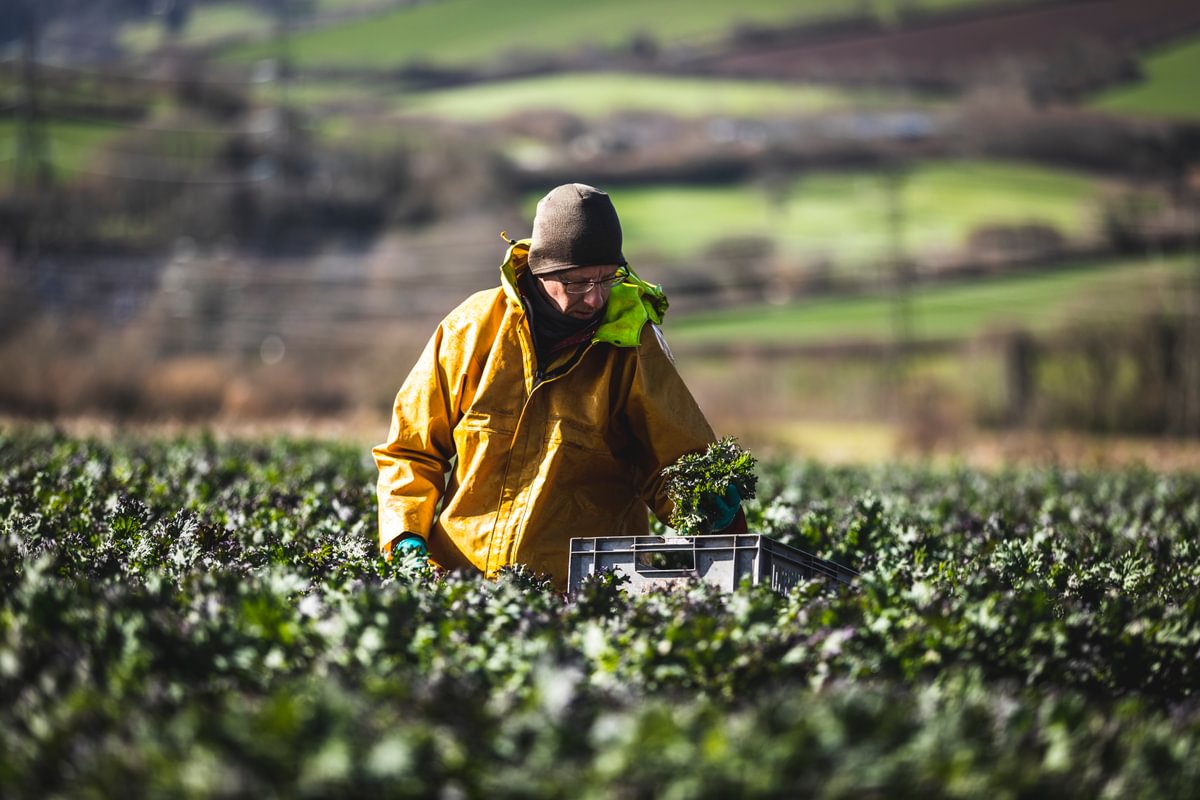
The surging popularity of appetite-suppressing dru The surging popularity of appetite-suppressing drugs in the UK is already starting to impact major food retailers, finds Nick Easen. As obesity drugs such as Ozempic, Wegovy and Mounjaro, shape eating habits they could also have a profound impact on supply chains and eventually what farmers grow across the British Isles, since the levels of uptake and investment is astounding.

At least 1.6 million UK adults are estimated to have used weight loss jabs in the past year. Some reports put the number as high as 2.5 million. Usage is soaring, and according to University College London, an additional 3.3 million people are also interested in trying them – that’s almost one in ten of the UK adult population. 

With obesity affecting up to 15 million people in the UK, and growing, the potential for these drugs is vast. Only 220,000 patients will receive the drugs via the NHS over the next three years. Millions are investing in them privately at a cost of £3,000 a year. But as these pharmaceuticals become more affordable and available in pill form, rather than injections, much greater uptake is expected.

“People are acquiring these drugs because they believe it’s the right investment for their health. They are having a profound effect with people eating less. This is now opening up conversations around the role food plays in health and the positive consumption of the right foodstuffs in peoples’ diets. There’s certainly a real opportunity for more fruit, veg and fibre,” explains Victoria Stevens, partner at investment firm Bramble Intelligence.

Supermarket chains are already starting to see the effects of these glucagon-like peptide, or GLP-1 drugs on food sales, with a switch to healthier, nutrient-dense choices, including more fresh food. It’s why a number of big retailers have now launched GLP-1 friendly ready product ranges. 

Read the full feature on Wicked Leeks, via the link in our bio.
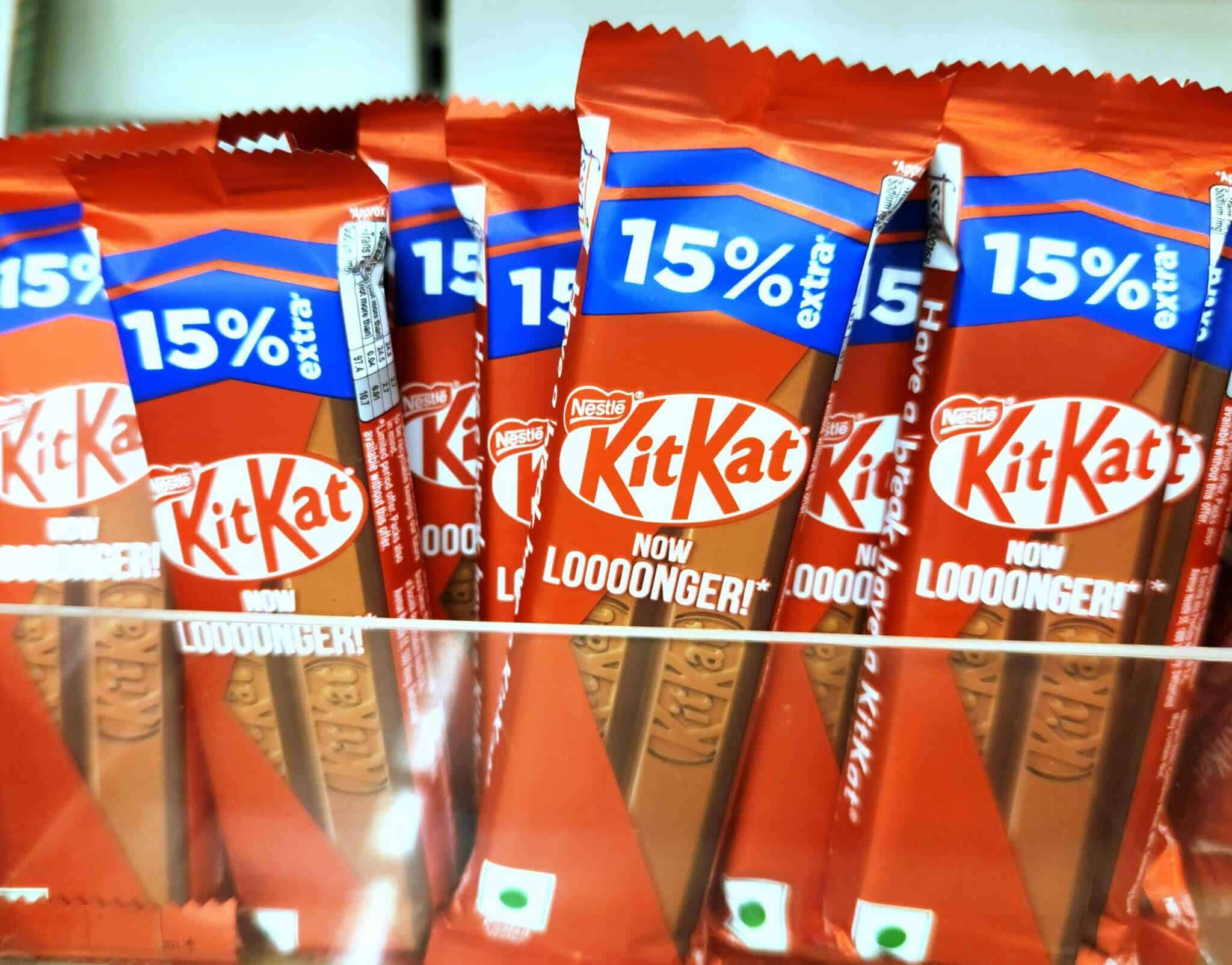
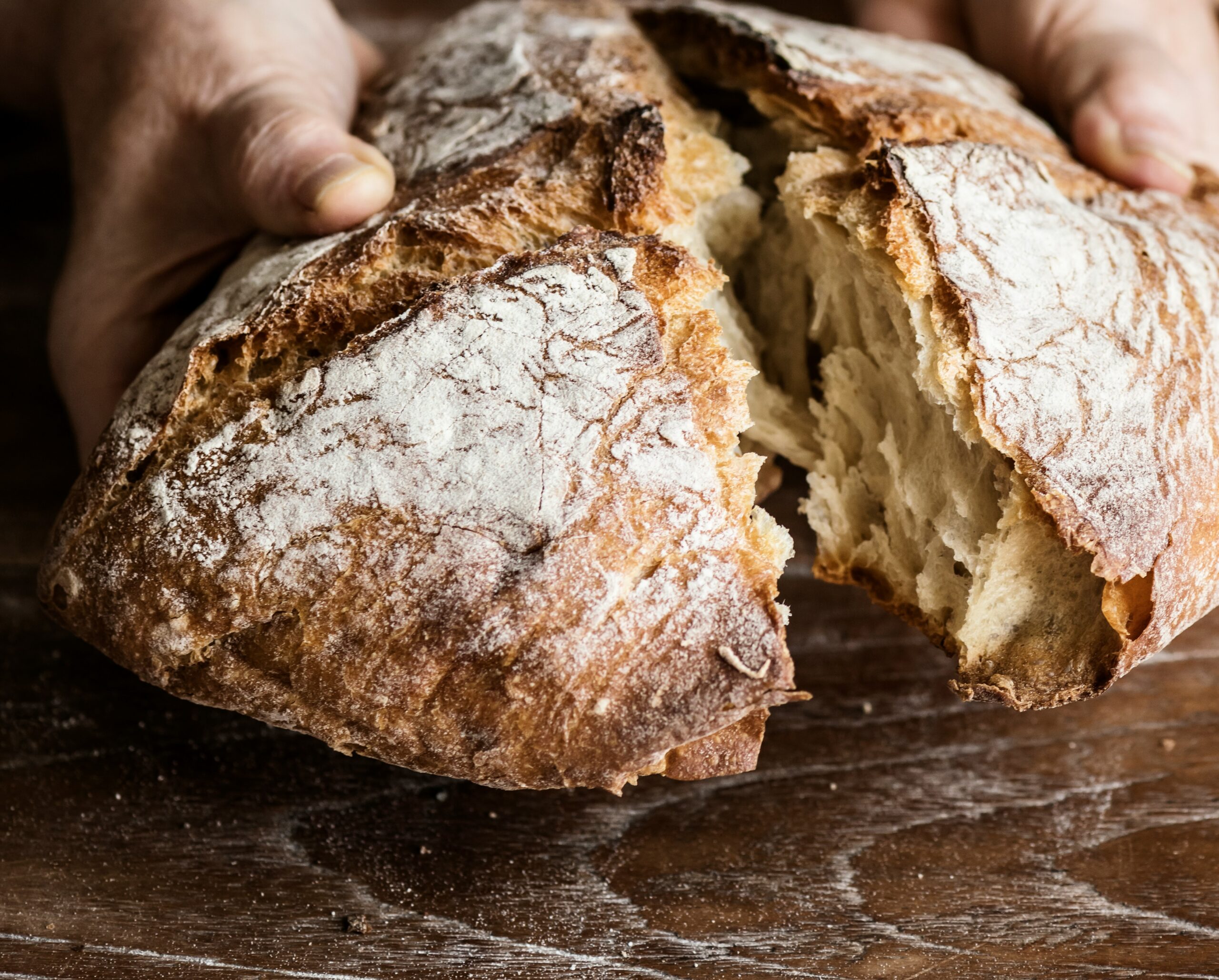
Marks and Spencer this month introduced 12 new pro Marks and Spencer this month introduced 12 new products to its “Only X Ingredients” range. And the news has once again created quite a stir.

In March last year, the supermarket launched one-ingredient cornflakes, which stirred up the debate about simplicity versus health. 

Cornflakes and other cereals are often fortified with vitamins, but this can tip them into the ultra-processed foods (UPFs) category. 

Clean-label foods will be a “huge trend” in 2025 and onwards, explained one clinical nutritionist on social media at the time, who asked: “While the idea of simpler, less processed foods is appealing, is removing essential vitamins and minerals the right move?”

David Burrows looks into the impact of the new range, and asks where the debate on UPFs and classification is headed. Read his full feature on Wicked Leeks, via the link in our bio. 

What do you think of this range?
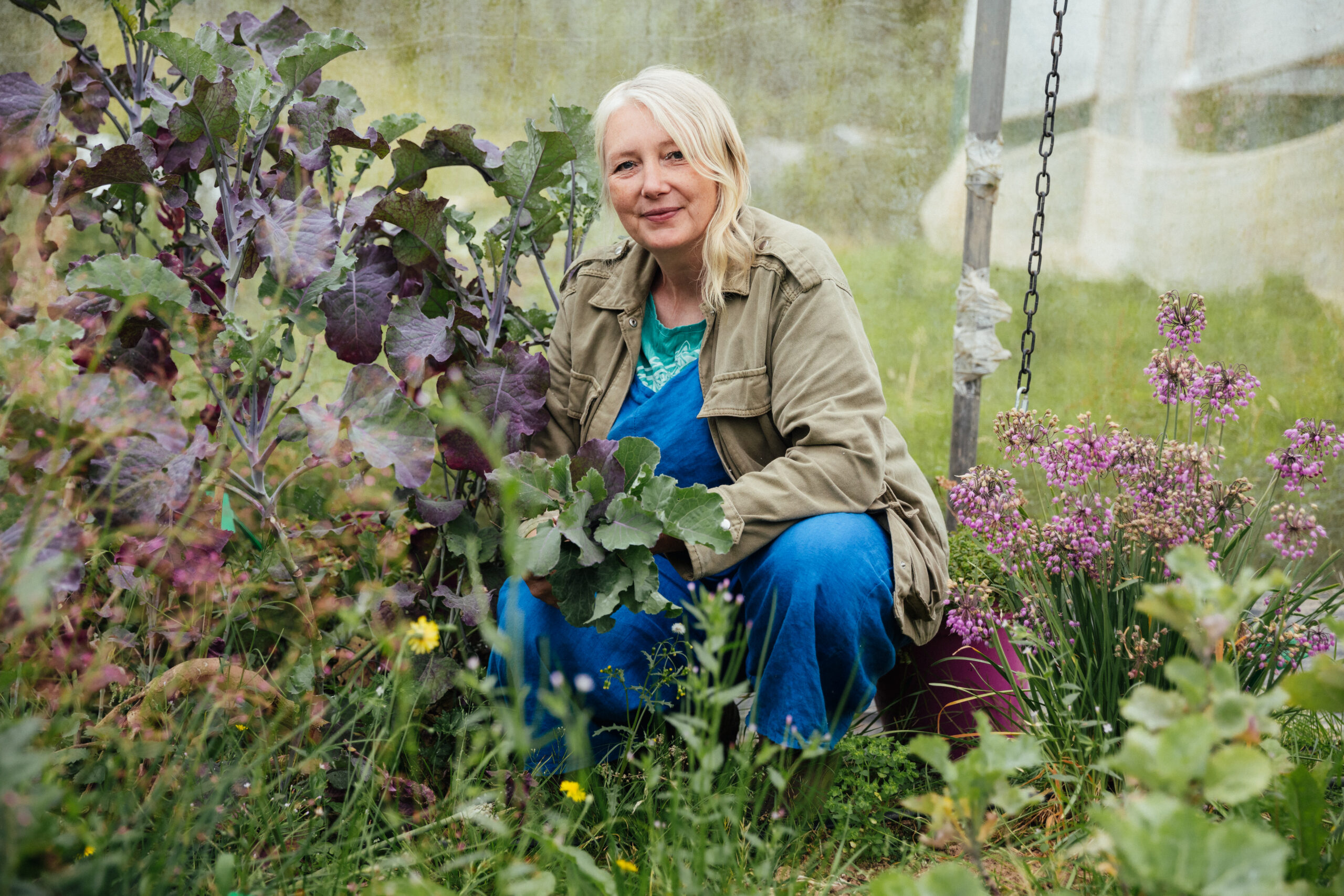
The chief executive of @schoolfoodmatters vividly The chief executive of @schoolfoodmatters vividly recalls how the penny dropped when she took her children to their first day at primary school. “When I walked in, the office manager said to me, ‘sorry about the smell, that’s the lunch.’ There was this tacit acceptance that state school food would be terrible, so never mind,” explains Stephanie Slater to Nick Easen. 

She continues: “So I thought, I can try and fix this. In six months I will get it sorted – that was two decades ago. Today, it’s still a work in progress. But we are gaining ground! It was back in 2007 on the start of this journey when I was especially motivated after seeing a school boy holding a tray of slop masquerading as food. It was so awful. I knew we could do better.”

School meals really do matter, partly because the rates of food insecurity among British children has a reputation of being amongst the worst in Europe. Only five years ago, UNICEF, the UN children’s body, stepped in to fund a programme in Plymouth to alleviate child poverty. Over one in four children, at least 3.9 million, still live in households without reliable access to food each month.

The consequences of this appalling statistic for the nation’s young will be profound and enduring. A lack of nutritious food affects children’s physical health, emotional wellbeing, as well as cognitive and social development, not to mention academic performance. 

More than a third of teachers surveyed have said that pupils were too hungry to learn, jumping to 63 per cent in deprived areas. This is where a good lunchtime meal is vital and this is what School Food Matters has been focused on over the last 18 years.

“What keeps me up at night is when I see health inequality in the localities that we serve. Communities who aren’t able to support children with good food makes no sense to me, especially in a school environment where you’ve got 190 opportunities every year – the days that kids are in school – to feed them well. It frustrates me when I see poor practice.”

Read the full interview with Stephanie on Wicked Leek, via the link in our bio.
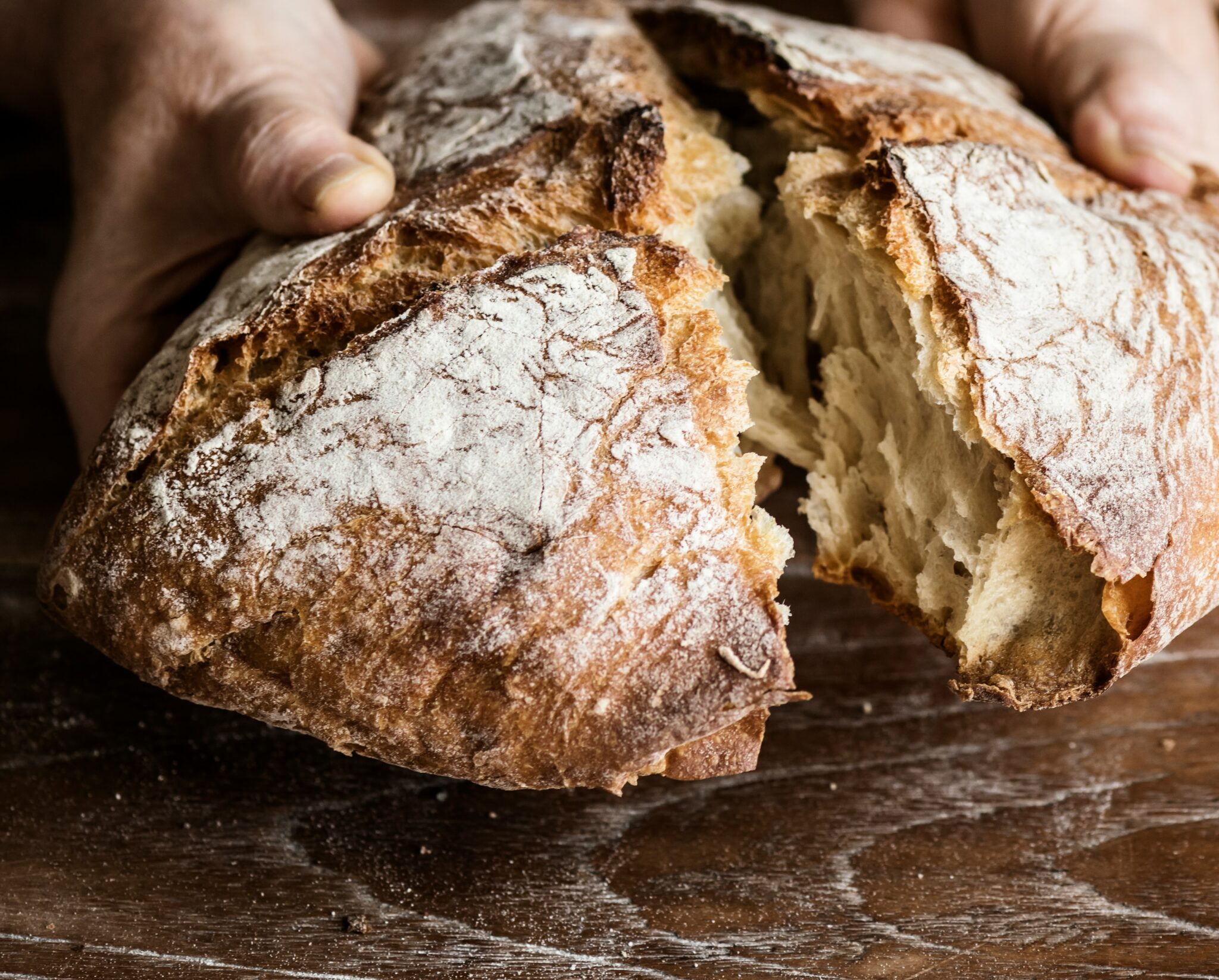
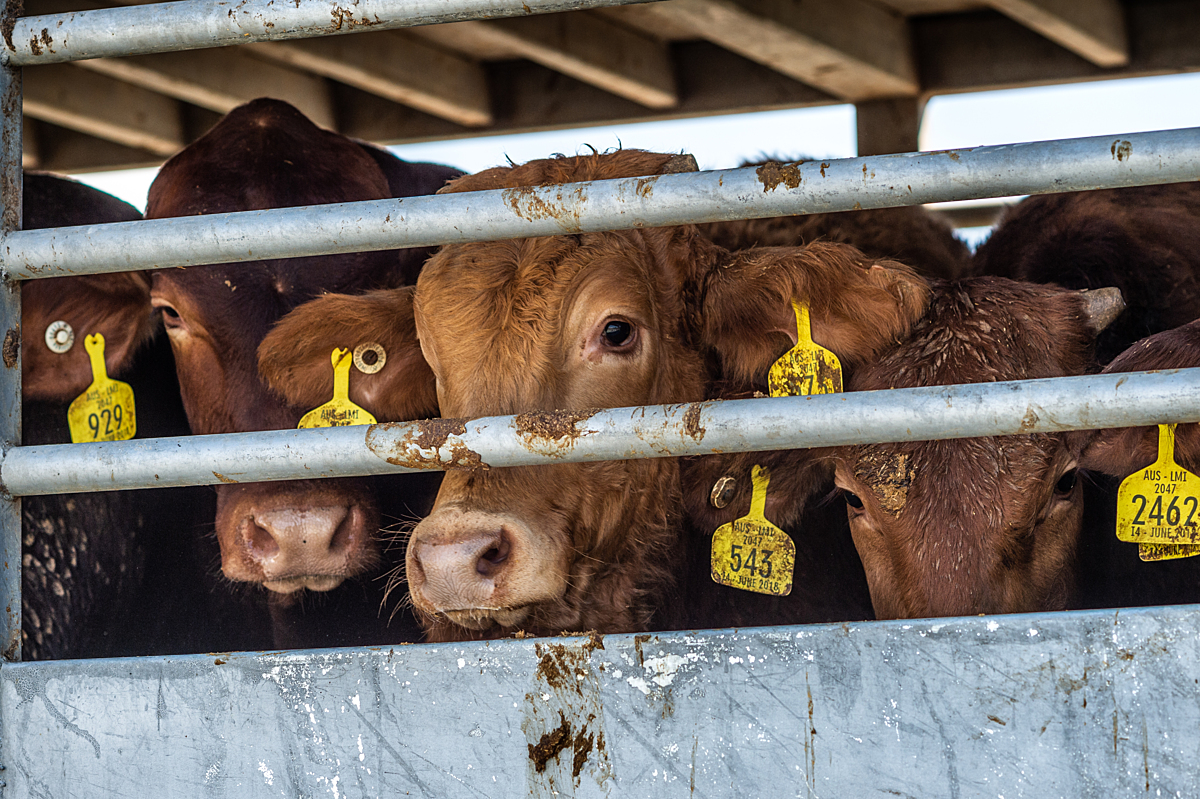
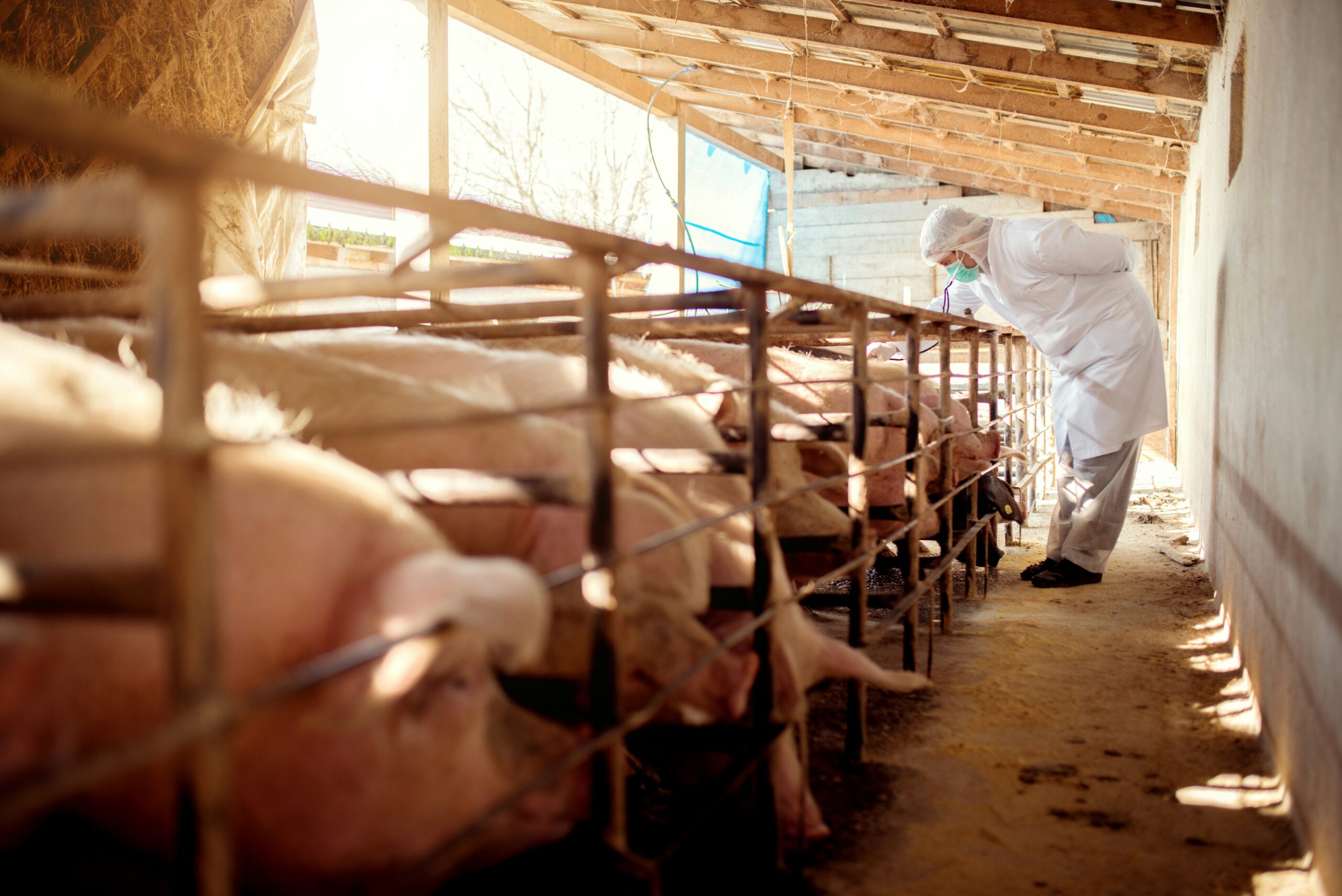
The loss of the UK's smaller, local abattoirs woul The loss of the UK's smaller, local abattoirs would have devastating effects on the food system, finds Anna Zuurmond

The number of abattoirs in the UK has diminished from 2,500 in the 1970s to just 203 today, meaning animals are travelling further and longer to slaughter and fewer farmers are able to sell quality meat direct to consumers.

A recent survey of over 850 farmers by the Sustainable Food Trust (SFT) found that many small farmers would struggle to sell direct to consumers if their local abattoir were to close – smaller abattoirs offer services like private kill, where farmers’ own meat is returned to them by the abattoir for them to sell. 

In the absence of this service, many farmers would be forced to sell their meat directly into wholesale markets, which over 58 per cent of farmers in SFT’s survey deemed to be unprofitable for their business; the knock-on effect then being that consumers have less access to quality local meat. 

The survey found that, as a direct result of small abattoir closure forcing them to use larger facilities, 18 per cent of farmers have already been forced to sell off their livestock, and almost a fifth of organically certified respondents (19%) said they have had to stop selling their meat as organic due to lack of access to organic abattoir services.

Read the full feature on Wicked Leeks, via the link in our bio.

About us

Wicked Leeks is published by Riverford Organic Farmers.

Riverford organic farmers

Riverford grows and sells organic food through its award-winning veg boxes, delivering across the country to a loyal band of customers who share a passion for good food, good farming and good business.

learn more

Get the Digital Digest

Sign up to receive the key stories in food, farming + fairness, direct to your inbox, every Friday.

Instagram icon Facebook icon Youtube icon Email icon

Navigate

  • News
  • Opinion
  • Features
  • Films

Most read

  • Farming
  • News from the farm
  • Environment and ethics
  • Eating and drinking
  • Climate change
  • Ethical business
Wicked Leeks

© Riverford Organic Farmers Ltd

Contact Us Cookie Policy Website by Plinth

Stuck for ideas? Try these hot topics!

Farming Animal welfare Politics Regenerative farming