

Every January, Veganuary dominates the conversation — but as biodiversity loss accelerates, it may be time to ask whether abstinence alone is the right response. In recent years, Regenuary has arisen as an alternative. Supported by rewilding projects like Knepp Estate, restaurateurs and butchers, and even food procurement group Foodbuy (they used the initiative to celebrate their partnership with Wildfarmed in January 2025), a growing movement argues that the real enemy isn’t meat itself, but rather, the industrial food system that produces it.
“Simply abstaining from meat is an over-simplified message that overlooks the ecological role that grazing animals play in well-managed landscapes,” says co-owner of Knepp Estate Ned Burrell. “Regenuary offers a holistic look at not only what food we are eating but on how it’s being produced.”
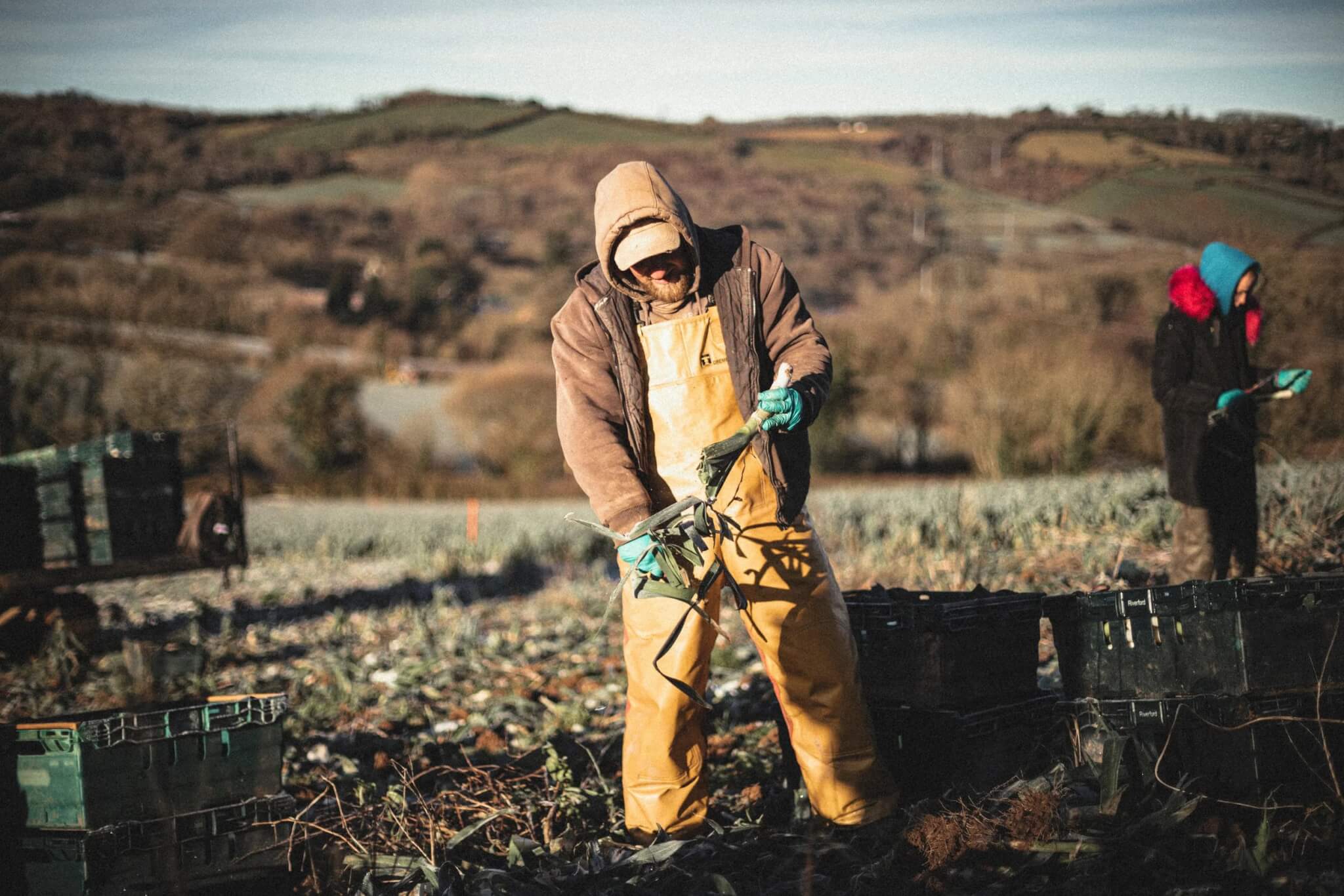
For Burrell, it’s clear the biggest driver of biodiversity loss is the extractive, industrial farming systems that simplify landscapes, degrade soils and sever ecological processes – and addressing them requires a broader systemic approach. “By focusing on soil health, climate change mitigation, water neutrality, and inputs, Regenuary addresses the root causes of biodiversity decline rather than its symptoms,” he adds.
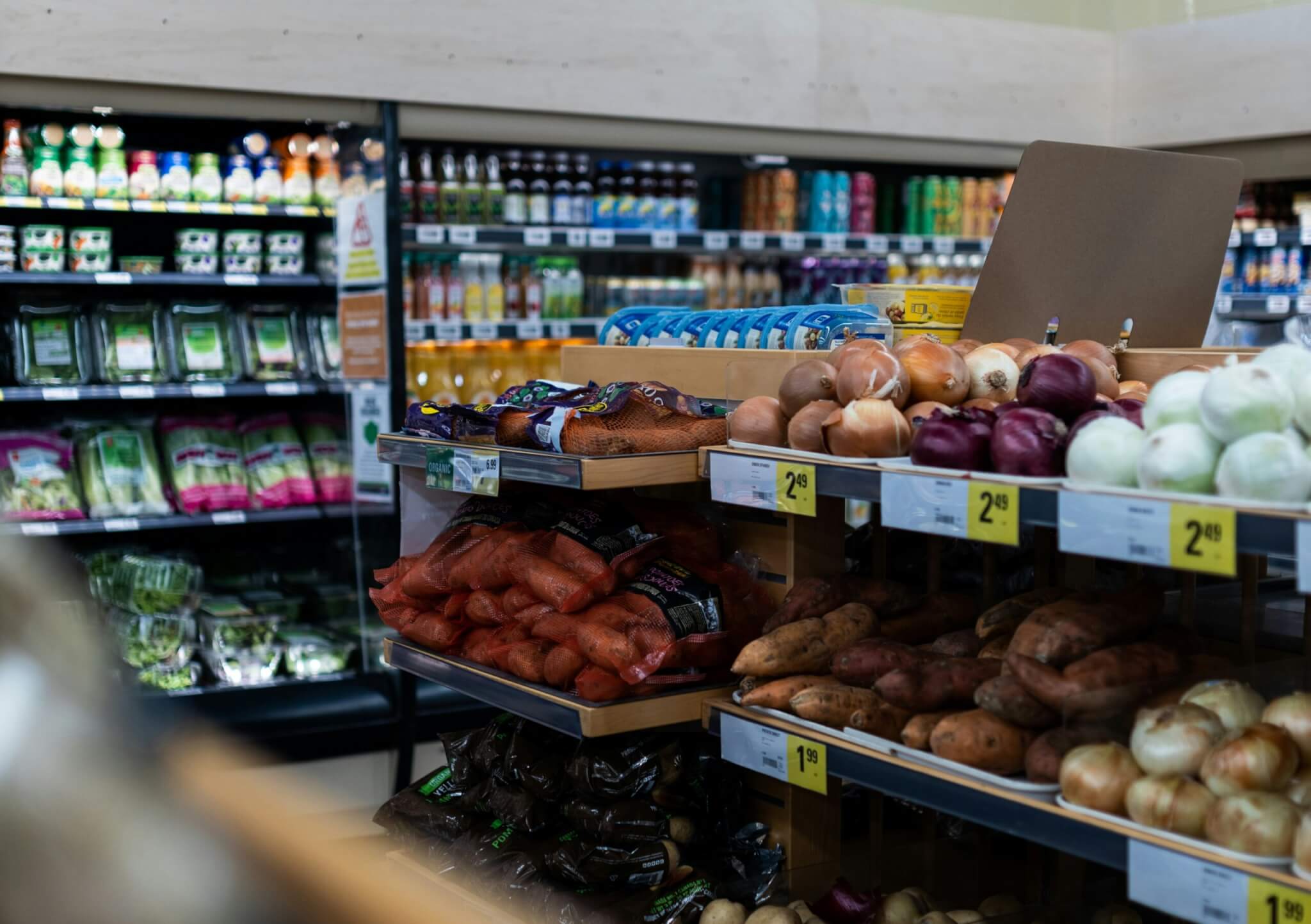
The conversation isn’t simply about eating less meat versus more meat. There’s also a risk that ultra-processed vegan alternatives replicate many of the same industrial practices that regenerative food systems seek to dismantle — monocultures, heavy processing, long supply chains and high energy inputs — while wearing a “green” label. “From a Regenuary perspective, the focus is not on abstinence, but on better food systems,” Burrell says. “Fewer animals, raised in the right places, at the right scale, working in partnership with nature rather than against it.”
The term ‘Regenuary’ was first coined by The Ethical Butcher, a regenerative and organic butcher and charcuterie producer focusing on rare and pasture animals. In 2020, they raised the idea of ditching meat exemption to consider the entire environmental impact of all things you can eat and buy. Today, they offer 25% reduction on selected cuts, and encourage advocates to source as much of their food as possible from regenerative meat, fish, dairy, grain, and vegetable producers, as well as to buy from British suppliers and small producers especially. They also platform the “regenetarians” – a collective of farmers, wine producers, chefs, food writers, and activists who support the initiative, from zero waste chef pioneer Douglas McMaster to Daily Mail food critic Tom Parker-Bowles and television broadcaster Laura Jackson.
But is it catching on beyond those directly involved? Burrell thinks so. “While Regenuary is still a relatively young movement, its growing visibility has helped normalise conversations about regenerative farming, seasonal eating and reduced-but-better meat consumption,” he says.
The scheme boasts collaborative menus from London restaurant Butlers Wharf Chophouse, but there is still more work to be done to broaden the network of restaurateurs. “In truth, I hadn’t heard of the term ‘Regenuary’ until quite recently,” says Mary Wilson, co-owner of Michelin-starred farm-to-table restaurant Wilsons in Bristol, “but the principles themselves are foundational to how we operate year-round.”
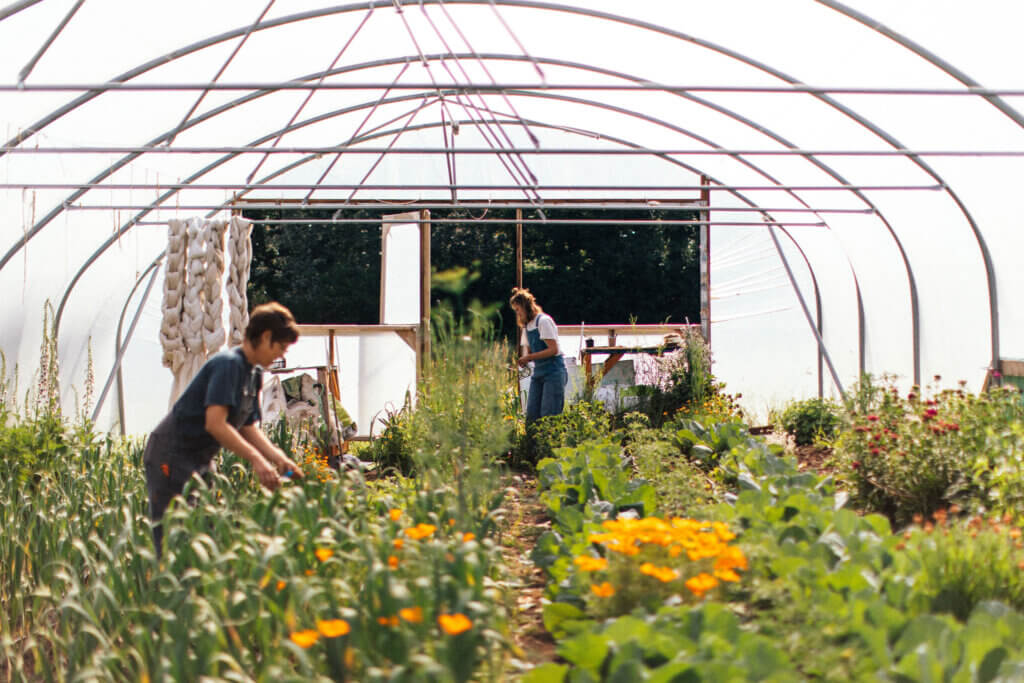
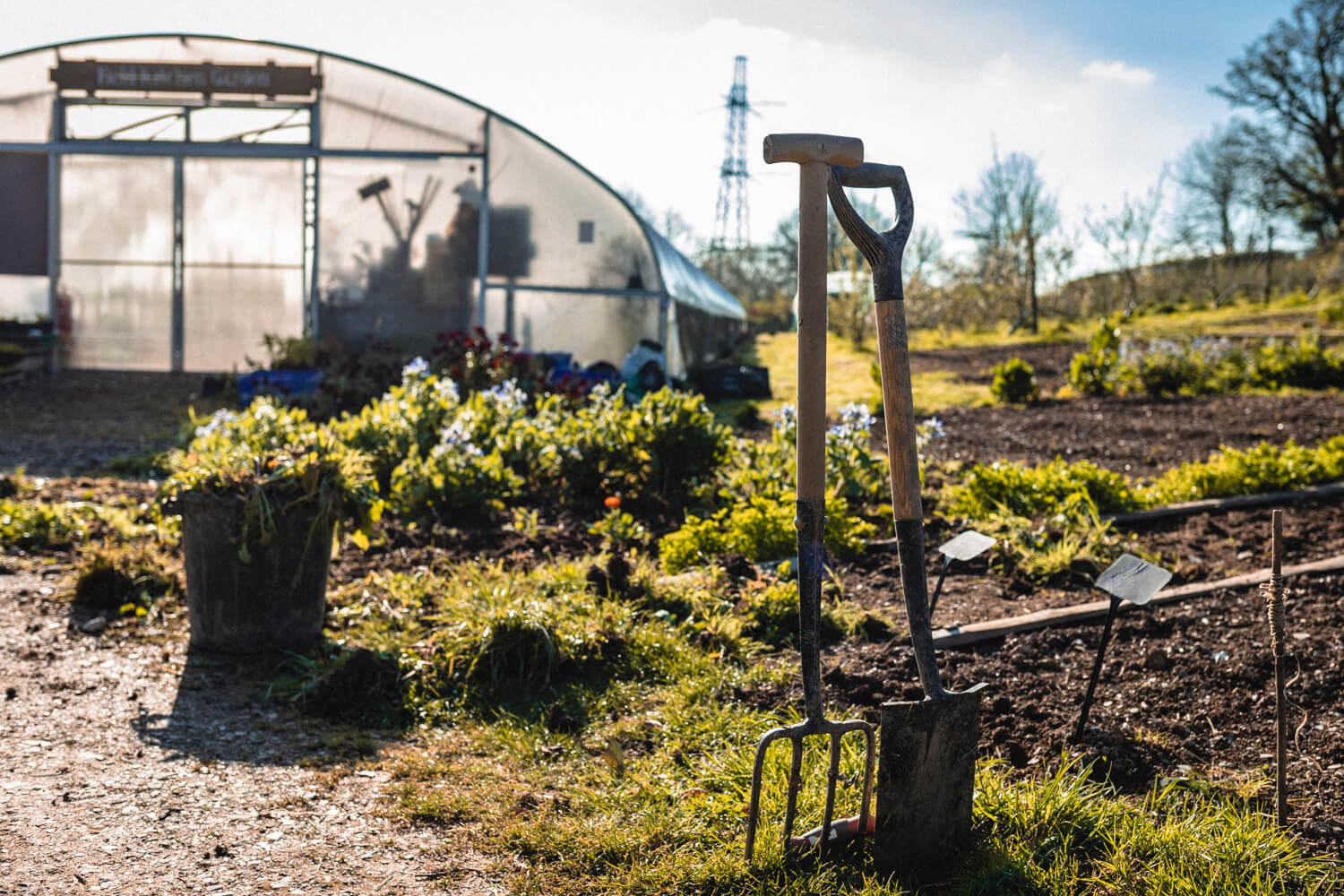
At Wilsons, regenerative farming underpins the entire ethos of the restaurant – including how they farm their own market garden and source meat, fish and wine. “Our garden is managed with a focus on soil health, and building biodiversity and long-term vitality, and we choose producers who prioritise nature-first, soil-centred farming in the same way,” Wilson says.
With that in mind, she hopes the scheme can catch on. “I think anything that starts a conversation around regenerative agriculture is positive. Awareness is an important first step, particularly if it leads people to think differently about how food is produced and consumed,” she says. Raised awareness and increased demand for nature-first products can help drive government support for the movement and give confidence to farmers who are either already working this way, or considering a transition. “It also helps people connect the impact of the climate crisis to our everyday lives.”
David Taylor, the executive chef of Grace & Savour, doesn’t run a promotion or change anything specifically in reference to Regenuary, but he’s very much behind the movement and believes it’s an important moment to bring more awareness. “It creates a moment in the year when farmers and suppliers can focus their communication and promotion because there’s simply more attention on the topic,” he says. “It’s still early days and needs time to truly catch on, however it’s exciting to see how much more interest there is in regenerative farming year on year.”

Beyond the scheme, Wilson feels restaurants can do a lot – such as buying wild meat, and only ever buying whole or half animals, using every part including skin and blood. They make their own charcuterie, blood sausages, broths and sauces from bones, cotechino from skin, and dashis and broths using fish bones, heads and even scales. “Because we respect the animals we use and work nose-to-tail, we don’t buy large volumes of meat,” she adds. “It’s always quality over quantity.”
Wilson is also frank about the fact their market garden isn’t vegan. They use composted cow manure for fertility, particularly for heavy-feeding plants like brassicas, alongside green manure cover crops that support soil microorganisms. “We rely on that manure, because it helps us maintain soil fertility,” she says, “particularly with the rapid rate of climate change.”

For Mike Davies, Chef-Director of The Camberwell Arms, Regenuary or not, restaurants have a key role to play. “Chefs are an important mouthpiece for farmers through the inclusion of regenerative farmed products on their menus and in their recipes,” he says.
Education in kitchens is critical for chefs to spread the word without just spouting soundbites, he argues. All too often regenerative farming becomes a buzzword to greenwash a menu. “But in reality it’s not some fad, it’s the future,” he explains, “and the more chefs that understand that, and who are educated about what it means, the faster the message will spread and ultimately the more support farmers will get.”

Back at Knepp Estate, the evidence that regenerative farming delivers is clear. Free-roaming grazing animals are the drivers of their rewilding project, Burrell explains, acting as “rocket-fuel for wildlife” by creating a “complex mosaic of dynamic, shifting habitats.”
The rewilding project has proven that replacing intensive monocultures with free-roaming livestock creates a superior ecological engine. While conventional tillage depletes soil and simplifies landscapes, these herbivores have tripled soil mycorrhizae and doubled carbon sequestration since 2000. The model transforms marginal land from a high-emission source into a resilient carbon sink that restores rare biodiversity — like the UK’s largest purple emperor butterfly colony — while producing nutrient-dense, regenerative meat. Knepp demonstrates that integrating animals into the landscape is more effective for climate mitigation than traditional agriculture, offering a scalable blueprint via initiatives like the Weald to Waves corridor (a nature corridor from the Ashdown Forest through Knepp to the south coast).
As regenerative farming continues to gain momentum, challenges do remain. “It’s tough when there are so many pressures already on hospitality and sourcing produce from farmers that work in this way are not always convenient for us as chefs,” Taylor reminds us, “however the flavour, quality and importance of supporting regenerative farms is something that I feel will be essential for the future of the industry.”
For Burrell, Regenuary is a clear step in the right direction. “Supporting Regenuary sparks vital conversation and challenges consumer behaviours,” he says. “If enough individuals, restaurants, and government bodies join the Regenuary movement, that combined purchasing power has the potential to alter our food system on a global scale.” Either way, the trick is to ensure that “ecology always has the loudest voice in decision-making.”


0 Comments