

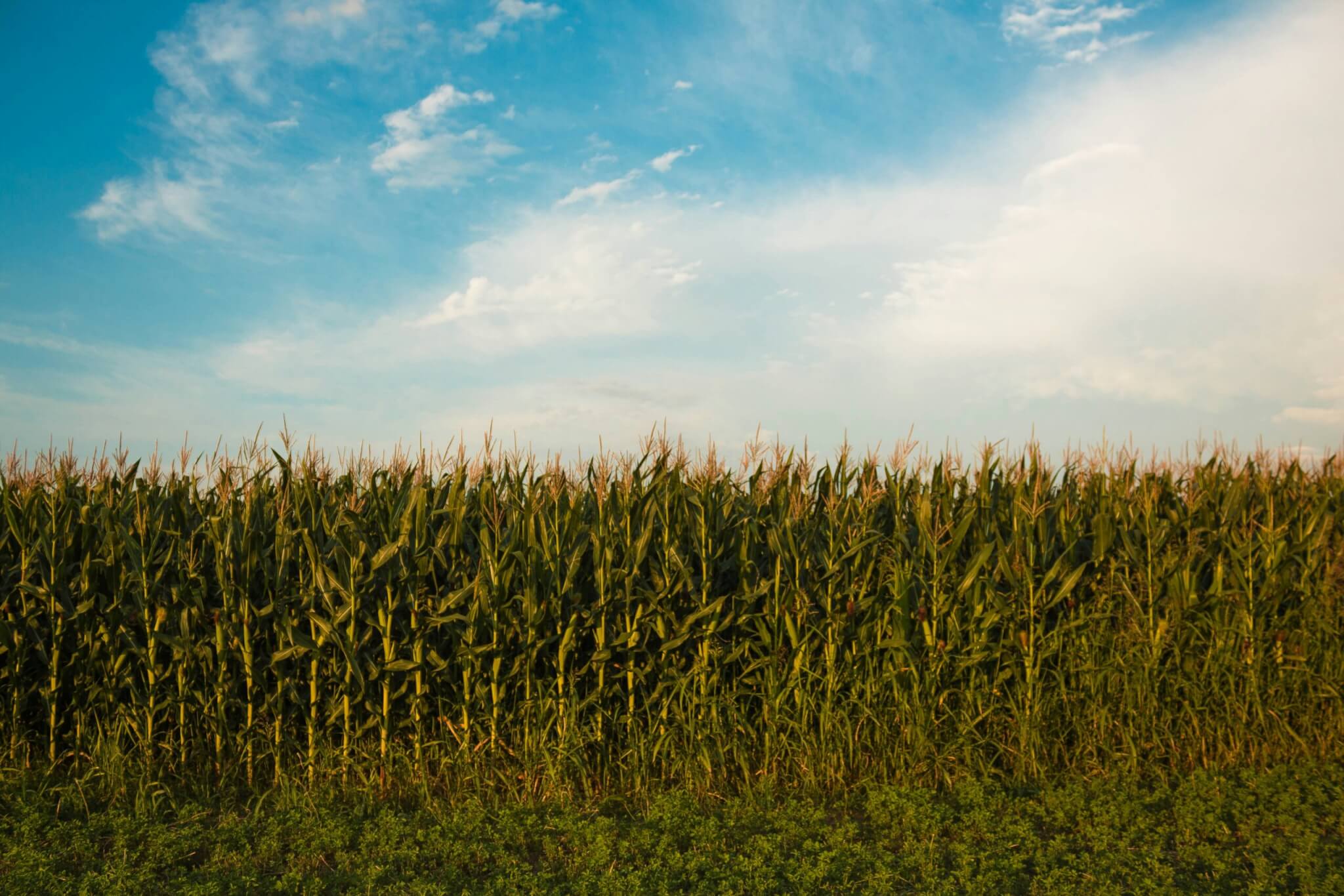
Farming is responsible for a big slice of UK carbon emissions. At the same time, it is one of the most vulnerable sectors of the economy when it comes to climate change. So how can food production play its part in reducing its impact? Indra Thillainathan from the Climate Change Committee has some answers.
Charting the road to net zero and slashing emissions from agriculture is not easy. Food production is currently the fourth highest-emitting sector of the UK economy. Yet there is still a disconnect between what people put in their shopping baskets and how this actually affects the climate.
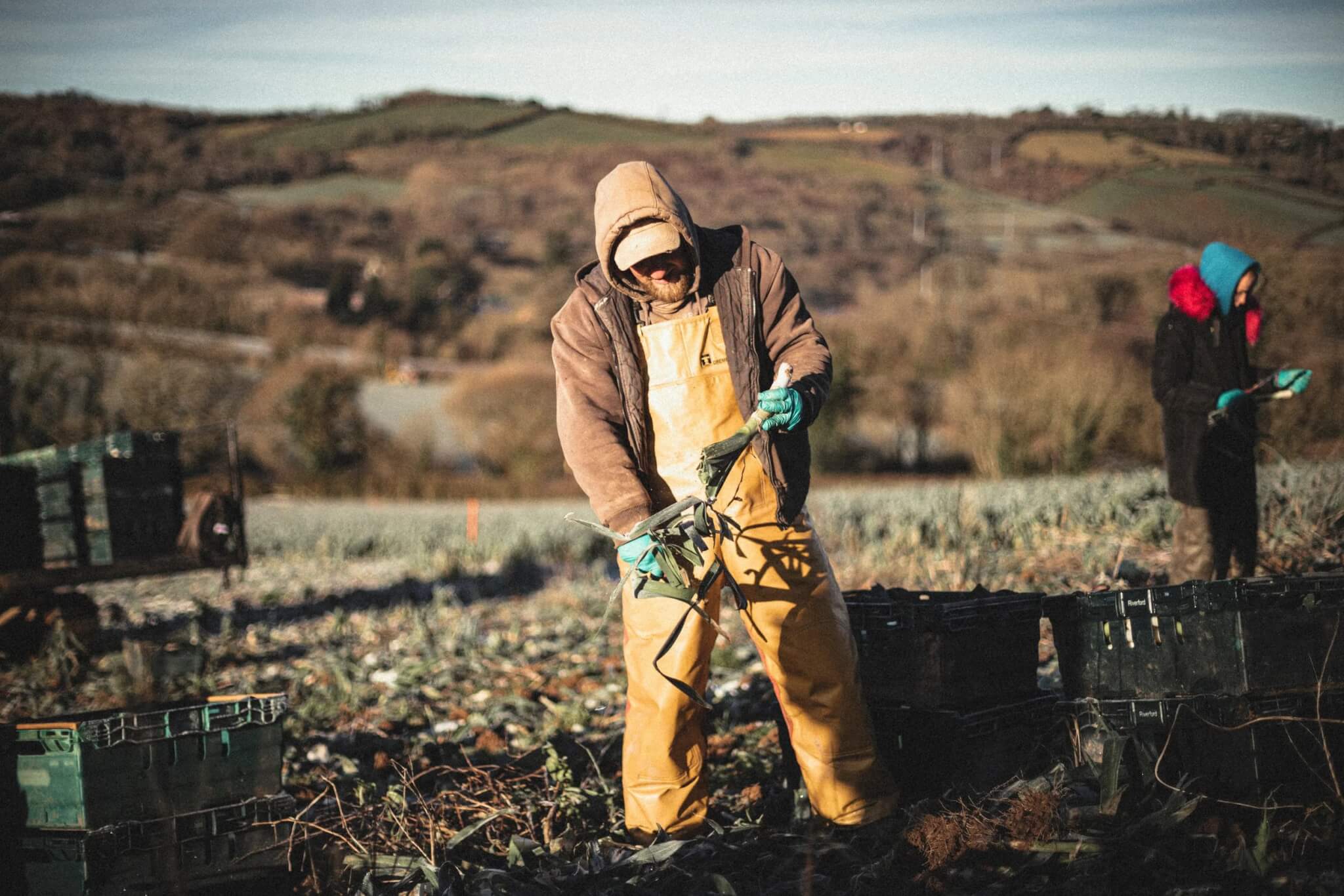
“We need to help people understand more about where their food comes from – how farmers farm actually matters. How and where produce is sourced from and grown also counts. The fact that every week eight million people in the UK watch BBC’s Countryfile shows that there’s a real interest in the countryside, farming, and our environment,” explains Indra Thillainathan who heads up the land, agriculture, and nature team at the Climate Change Committee (CCC).
She adds: “Only then can we start to talk about the journey to net zero and how we reduce the environmental impact of farming. What a lot of people don’t realise is how big the emissions are from agriculture. The amount of land involved is quite incredible. It’s why farmers need to be sufficiently incentivised and rewarded for undergoing the changes we need.”
Farming accounts for 11% of all UK emissions and over recent decades the needle has hardly budged with mitigation stagnating. Yet the UK has very ambitious targets to reduce emissions by 68% based on 1990 levels come 2030. That’s a huge change to execute in under five years.
“We can’t do it slowly, the transition has to happen now. It will be a challenge for farmers. But at the same time there will be a range of opportunities available. This will also be about building resilience within the agricultural landscape, whether this involves peatland restoration or hedge laying, more woodland or agroforestry,” states Indra.
She continues: “Paying farmers to deliver these important public goods will be crucial, especially as we live in one of the most nature-depleted countries in Europe. It won’t just be public funds that will be needed, but private money as well. It’s why building the economic case for emissions reductions by farmers will be vital.“
A herculean task
With 69% of all the land in the UK under the plough, cultivation or grazing, reducing emissions across 18.6 million hectares will be a herculean task. What’s sharpening minds is that the target of net zero emissions by 2050 is legally binding. So where are the easy gains? If land owners can save money and at the same time reduce emissions, such actions are likely to be adopted.
“For instance, if farmers can find ways to reduce nitrogen fertiliser use by deploying certain cover crops, they can tackle nitrous oxide emissions. At the same time, they can save on input costs. Better livestock health can also reduce endemic diseases, boost production, but also curb emissions. Planting more hedgerows along field boundaries doesn’t affect food production, but has multiple benefits from sequestering more carbon, to sheltering livestock from heat stress and wind, ” states Thillainathan.
She continues: “Private money can also step in. Take the water companies – they can pay farmers to plant more trees alongside water courses to minimise nutrient runoff. This is cheaper than for the water company to clear up the issue downstream themselves. I met one farmer in the Lake District who was paid by United Utilities, a water company, to destock their land because of nutrient runoff. Co-benefits are very important.”
In the CCC’s latest Seventh Carbon Budget published earlier this year, the document sets out how the UK can reduce its emissions. It’s interesting reading. There are 29 different measures that could be deployed in agriculture, from shifting crops away from lowland peat, which is a big carbon emitter, to wasting less food from farm to household.
This also includes planting nearly 200,000 kilometres of new hedgerows by 2050 – a rise of 40 per cent. Another focus involves planting many more trees. Currently the UK has 13 per cent of its land under tree cover. Part of the route to net zero involves raising this to 19 per cent. This would involve planting 60,000 hectares of trees every year by 2050. This is an area the size of Middlesex.
“What’s really delivering a lot of carbon sequestration is woodland creation, but the question is where are these trees going to go since so much of the UK is farmland. Woodland and forests are permanent land-use change. So there are lots of trade-offs. Rewetting lowland peat is also very important. But all of this needs long-term public funding and the right policies in place,” points out Thillainathan.
She adds: “Farm tenancy is also a big issue, a third of all agricultural land is tenanted; contracts with land owners may prohibit any sort of deviation from food production. This could be a challenge going forwards.”
Preparing for a two degree world
Urgency on these issues should not be underestimated. Mitigation is not happening fast enough. The CCC submitted a letter to the UK government recently saying that they should “at a minimum, prepare the country for the weather extremes that will be experienced if global warming levels reach 2°C above pre-industrial levels by 2050.” Reaching 4°C above preindustrial levels by the end-of-century cannot yet be ruled out, states the missive.
Should the UK warm by more than two degrees the likelihood of extreme rain and destructive downpours would increase by 30 to 40 percent. At present, over half of the UK’s top quality farm land is at risk of flooding, according to the CCC; a further increase is expected by 2050.
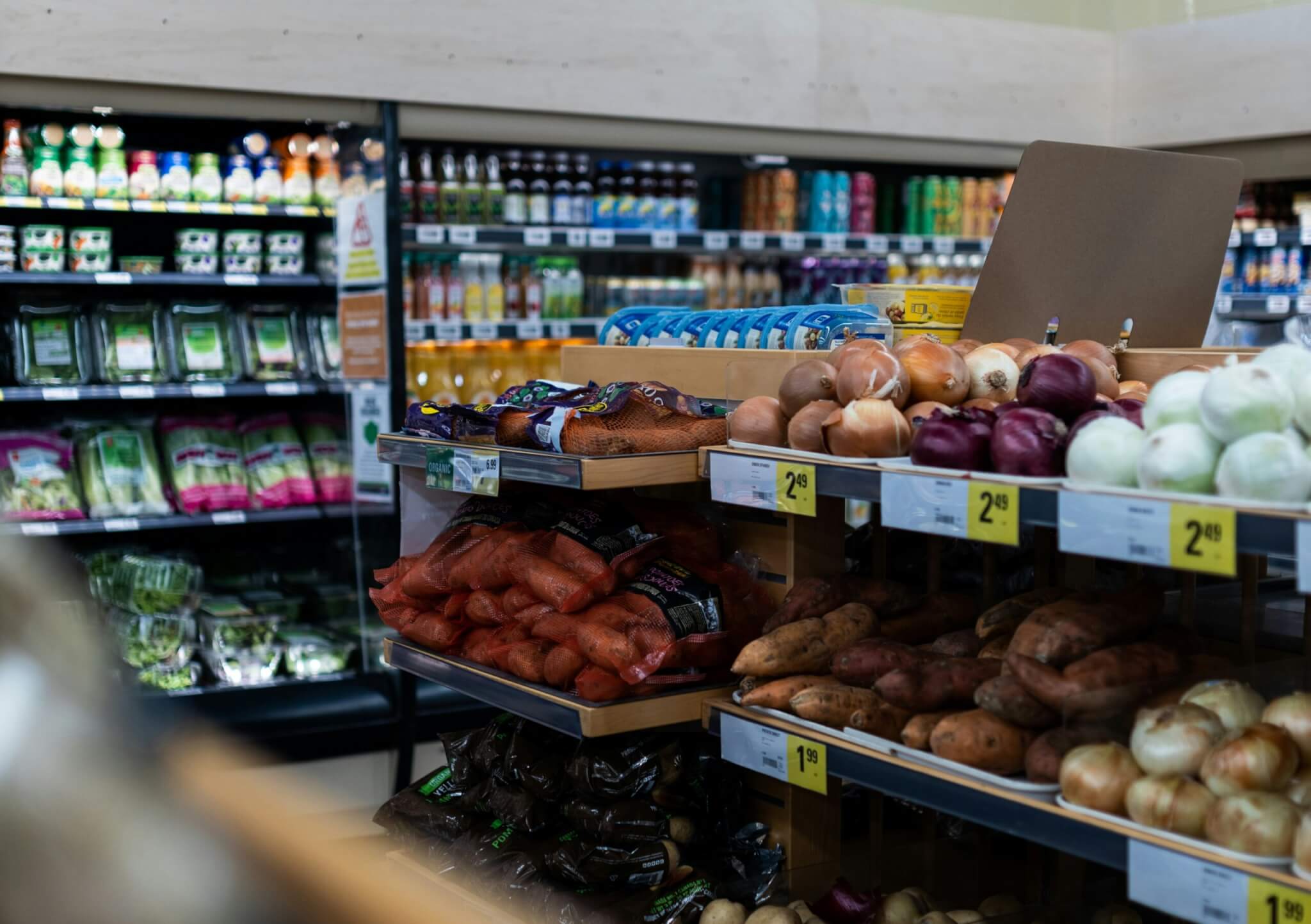
The UK shopping basket has a lot to answer for as well. Since we only produce 60 per cent of what we eat in the UK, offshoring emissions via purchases from supermarkets importing foodstuffs is a challenge, especially if the carbon footprint of those products is more intensive.
The latest Carbon Budget also focuses on the national diet. By 2040, 25 per cent of meat, which includes 30 per cent red meat, and 20 per cent of dairy, should be replaced with lower-carbon foods if we’re to meet emission targets. So, what keeps Indra up at night? It is the urgency of the task at hand that’s her biggest concern – action can’t happen soon enough.
“If we’re going to hit those high carbon sequestration rates in the 2040s, say for new tree planting, those trees need to be planted right now. We can’t wait another five to ten years before we make those decisions because that’s going to push us way beyond 2050 when it comes to tackling emissions. Timing is so important here,” states Thillainathan.
She adds: “We need a clearer direction from the government and we need it now. There’s a raft of frameworks that are supposedly coming out including the land use framework, which will help. At the end of the day, we see farmers as being part of the solution and they should be rewarded for their actions.”
Slashing emissions can also deliver on climate adaptations, when it comes to farming. For instance, planting trees, hedgerows, and wildlife habitats along river boundaries don’t only sequester carbon but also reduce water run-off and flooding caused by new weather extremes.
Re-engineering the varied British landscape, which is in the hands of countless vested interests, so it can flex its muscles and work harder to fight climate change and deal with extreme rain or drought is a gargantuan task. The numbers are mindboggling. The big question is whether she is optimistic about the road ahead.
“Yes I am” says Indra. “There’s lots of evidence of farmers already doing good things. We should highlight and showcase the people who are already deploying excellent practices on their land, reaping benefits, and making am economic business case out of doing this as well. We’re not requiring every single farmer to make the change. But there has to be a significant portion. I’m optimistic.”


Should we not go even further with reducing the amount of all animal products we consume including milk, eggs and cheese. You refer to the interest shown in farming with the number of people watching Countryfile, Landward etc. But the feeling I get with these programmes is that they will not say anything against animal agriculture including the large areas of land needed for growing the food needed to raise the animals, for fear of upsetting somebody in the process.
But I do agree planting trees and hedges (which farmers ripped out in the 1960’s) is an absolute necessity and quickly as you suggest. Many thanks.