

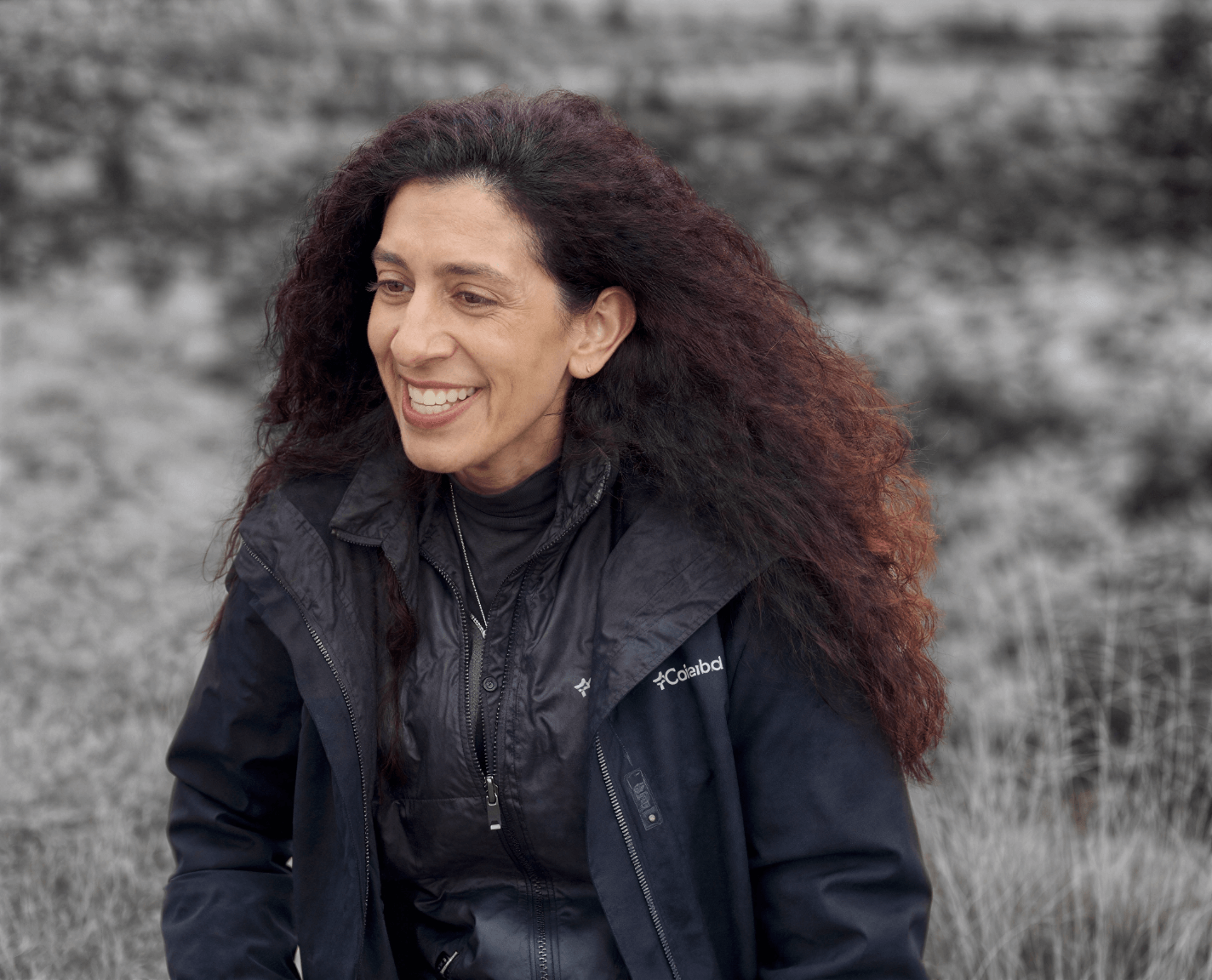
When you talk to Tim about home brew, he‘s not talking about an alcoholic beverage in a demijohn, but a tank full of brewed microbes and fungi in a vat ready for dispersal on his fields. He’s ditched all synthetic inputs and the vast majority of pesticides in a bid to nurture the lifeblood of every farm – the dirt, grit and humus beneath our feet.
“I’ve always had a passion for soil. I could never understand why farmers abuse it so much and don’t care for it; such exploitation of the land can take years to recover,” explains Tim Parton, who’s described himself as a ‘biological nutrition farmer.’
It’s been a 17-year journey of discovery for this South Staffordshire farmer. The penny dropped in 2009 when he realised his way of working at Brewood Park Farm, just north of Wolverhampton had to change.
“We were using increasing amounts of nitrogen fertiliser, but not getting any higher yields. We were also having to use more fungicide applications. At the same time, the cost of growing crops was escalating, but we weren’t getting better returns. I knew then that we had to come up with a different system,” he says.
It was nitrogen-fixing bacteria that changed Tim’s life, figuratively and practically. The realisation that with more intelligent farming he could mimic what nature has always done.
“The air we breathe is 78 precent nitrogen. Why would we want to keep buying it, when we can extract it for free from the atmosphere? If you look at any natural space or woodland, it’s never short of nitrogen. The growth is there and everything is working,” points out Parton.
Peak plant nutrition
In 2012, he started brewing microbes on the 300-hectare farm where he’s manager and applying them to the soil. Parton reduced nitrogen fertiliser by 40 kilos per hectare, which also paid for the purchase of the microbes and brewing process.
“Wherever I used them I got an extra tonne per hectare of yield. I thought, wow, this is a winner. The year after, I did a bigger trial and I didn’t get the same yield increase, but I didn’t get a decrease either. So I still knew I was on to something and then I started to study more about soil biology and its fascinating microscopic life,” says Tim.
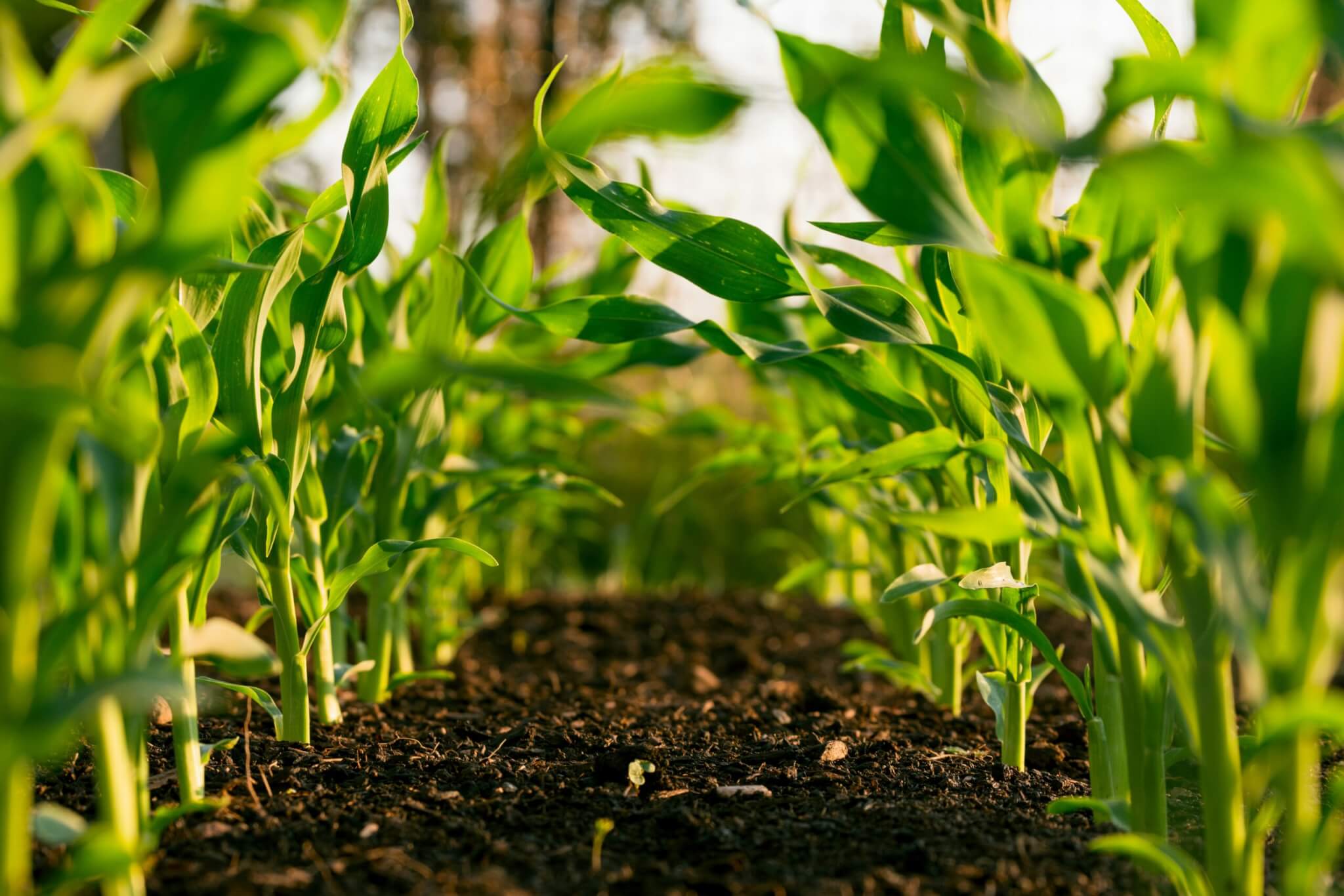
He’s never looked back. Today he uses a regenerative, no-till system, including cover crops, alongside a combination of home-brewed microbe and fungal mixes, as well as timely micro-nutrient sprays. It’s about keeping his plants at peak nutrition – that way he doesn’t have to use fungicides or insecticides because the crops he grows are healthy and resilient.
“I’m using the best of science to make informed decisions; I do a lot of sap testing, which is just like humans having a blood test, so I can see exactly what’s going on in the plants and whether they need calcium or silicon for example, which strengthens plant cell walls and stops pathogens. Or if there’s an antagonism in the soil that’s locking up nutrients that are then not available to the crop,” suggests Parton.
He explains how important nutritional balance is when it comes to crop health – nutrient availability helps plants to withstand disease. This is fundamentally dependent on healthy soil.
“Every field, every farm you’re dealing with is a living entity. There’s not a one-size-fits-all approach. There’s an awful lot of personalised biology involved. More farms get it now, but it’s a journey for each of them. Many conventional farmers think machinery will fix things, but not with this system. It’s about the right cover crops, as well as bringing the carbon and the biology back into the soil – this gets things working again,” Tim points out.
He brushes off the accident he had at work two years ago while felling a tree on his farm. This left him paralysed from the waist down. He also had a foot amputated. Let’s not forget farming still remains one of the most dangerous jobs in the UK. There have been an estimated 8,000 non-fatal injuries in the last five years on farms.
“It gave me time to read many books and learn even more, if I’m totally honest. I’ve got an inquisitive mind, one lifetime won’t be enough. There’s still always stuff to learn with crop nutrition. I’m even more keen to help other farmers on their journey now,” he expresses.
More intelligent farming
Parton thinks we need to be smarter in terms of how we farm, that’s why he created an advisory service entitled Intelligent Farmer. He now advises farmers around the world.
“It is my mission to get as many farmers as possible to change. The chemical system is failing fast. We can’t continue to put all these poisons into our ecosystems. We’re also poisoning ourselves. All this cheap, processed food that consumers demand has come at a cost with consequences for the planet, which can’t keep on being abused. We’ve got more dead zones in our oceans because of all the nitrogen and phosphorus leaching into them. This is due to soil disturbance and water erosion,” details Parton.
“If somebody was leaching money from your bank account like that, you would do something about it. Yet farmers are quite happy to sit and watch soil wash off their farms and into rivers, yet they don’t do anything about it. They think that the soil is there forever, but with climate change this isn’t true. Farmers need more intelligent tools to evolve.”
Croplands in the UK saw a sustained, long-term loss of organic carbon, losing approximately 11 percent of their topsoil carbon stocks from 1978 to 2007. This has been on a gradual recovery path in recent years, according to research by the UK Centre for Ecology & Hydrology, as farmers begin to change their practices and build back soil health.
However, recent exceptionally wet weather, marked by a series of high-impact storms and persistent rainfall in early 2026, potentially exacerbated by climate change, means farms are now more aware of the potential for soil runoff, which can leach soils of their nutrients.
“I’ve never seen arable farmers so disillusioned at the moment. I think everybody is aware of climate change. But every farmer’s first priority is profit. To make a change to a more regenerative system is scary when they’re not making money. But I can’t see how anybody wouldn’t want to change their system now, with weed resistance getting worse and certain chemicals being banned,” says Parton who is also part of the Green Farm Collective, a network of regenerative farmers.
Investing in the right innovation
He is particularly sceptical about gene-editing, which some campaigners believe is GM or genetically-modified crops via the back door. Precision breeding allows targeted changes to be made within a plant’s DNA. A new regulatory framework, which became law last year now allows the commercial cultivation of these crops.
“The British government are mainly approving precision breeding so the seed companies can make more money; the same is true with new chemicals. Like GM, these innovations will cost farmers more in the long run. We only understand less than eight percent of what goes on in soil biologically. Yet we believe we have the right to change the genetic makeup of a plant that we don’t really understand,” he expresses.
“The big ag companies are persuading government that all biology needs to be licensed to be able to use it. This is wrong. A lot more research and money should be going in to learning about how the soil works. Our crops have never been more sick, but nobody is asking why. Biology has got all the answers, we just need to ask the right questions.”
Tim believes it should be farmers coming together and doing their own research instead of paid-for agronomists and globalised corporations offering up chemical solutions to the challenges that they face. It’s why he is publishing a book this year in order to set the record straight.
“I think farmers have got to be prepared to learn again,” concludes Tim Parton. He’s not wrong.



Would that be humous?
Great to read so much common sense about soil. Some great soundbites there too, such as the bit about nitrogen – “The air we breathe is 78 precent nitrogen. Why would we want to keep buying it, when we can extract it for free from the atmosphere?” So obvious, really!