
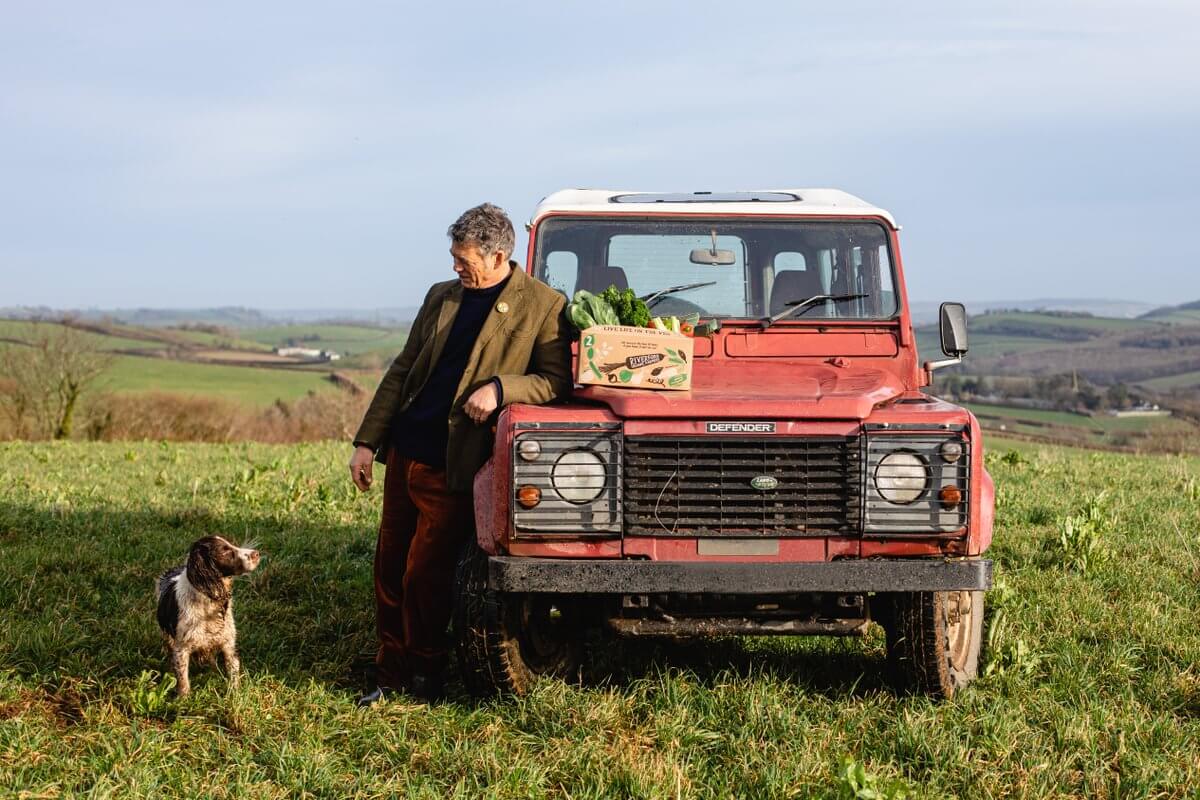
During almost 40 years at Riverford, I’ve learned that sustained commercial, human, and environmental growth is invariably the result of functional and diverse teams working towards a common, long-term goal. Employee ownership has taken me on a journey of personal development and learning. I’m no longer the impatient, emotionally illiterate boss, who broke a lot of things and people, but got it just about right enough to survive. Seven years after we became employee-owned, I recognise the misery and destruction wrought by the prevailing model of leadership cults and remote boards, rewarded for delivering short-term shareholder value at any cost. In the process, I have become an advocate for industrial democracy and a better boss. I am also much happier.
Riverford’s fourth co-owner council (elected by their fellow co-owners) met for the first time last week. In the run-up to becoming employee-owned, some senior managers feared the burden of inclusive governance, saying we would “drown in consultation” and become “less responsive” in a rapidly changing world. But whether on pay policy, quality, or operational efficiency, wider consultation brings invaluable breadth and depth of insight – often from those with little to no formal management experience but who spend their days in the thick of the action. This has unquestionably helped us make better and safer decisions, and respond more innovatively and efficiently to customers’ needs.
A recent example of this is a project at Riverford’s Sacrewell Farm in Cambridgeshire, where half of our boxes are packed. Tasked with reducing the number of missing items in your orders and cutting the associated costs, a team of co-owners analysed, tested, reviewed, and then completely redesigned the packing operation. Missing items dropped by 85 per cent, quality control improved, and co-owner steps fell from 22,000 to 2,000 per day, with safer working conditions overall. Tremendous co-owner commitment towards a common goal made it possible. If we are to address low and stagnant productivity here in the UK, we should give less reverence and pay to those at the top, listen more to those doing the work, and be prepared to reward them better, in both pay and respect. Co-ownership has helped us get there but mostly it’s just common sense and human decency.
Our News from the Farm posts come from Riverford. They are the digital versions of the printed letters which go out to customers, every week via Riverford’s veg boxes. Guy Singh-Watson’s weekly newsletters connect people to the farm with refreshingly honest accounts of the trials and tribulations of producing organic food, and the occasional rant about farming, ethical and business issues he feels strongly about.




Excellent Guy but you’ve made a bit of a blunder. Your title should read ‘Sense and uncommon commitment’ ‘Common sense’ is a misnomer. Sense is certainly not common. Perhaps it never was. I don’t know.