
It is difficult to gauge the state of food and farming in the UK and what needs to be change. But the recent Westminster Food and Nutrition Forum laid out some frightening truths to those in political power, industry, and organisations looking to shake things up.
On the food front, the numbers astound. Less than 1 per cent of the UK population achieves all of the dietary recommendations in the Eatwell Guide. Fibre intake is less than half the recommended dose, across all age groups – which means not enough fruit and veg – while obesity rates are rising despite decades of public health campaigns. At the same time, 2.8 million people are out of work due to ill health.
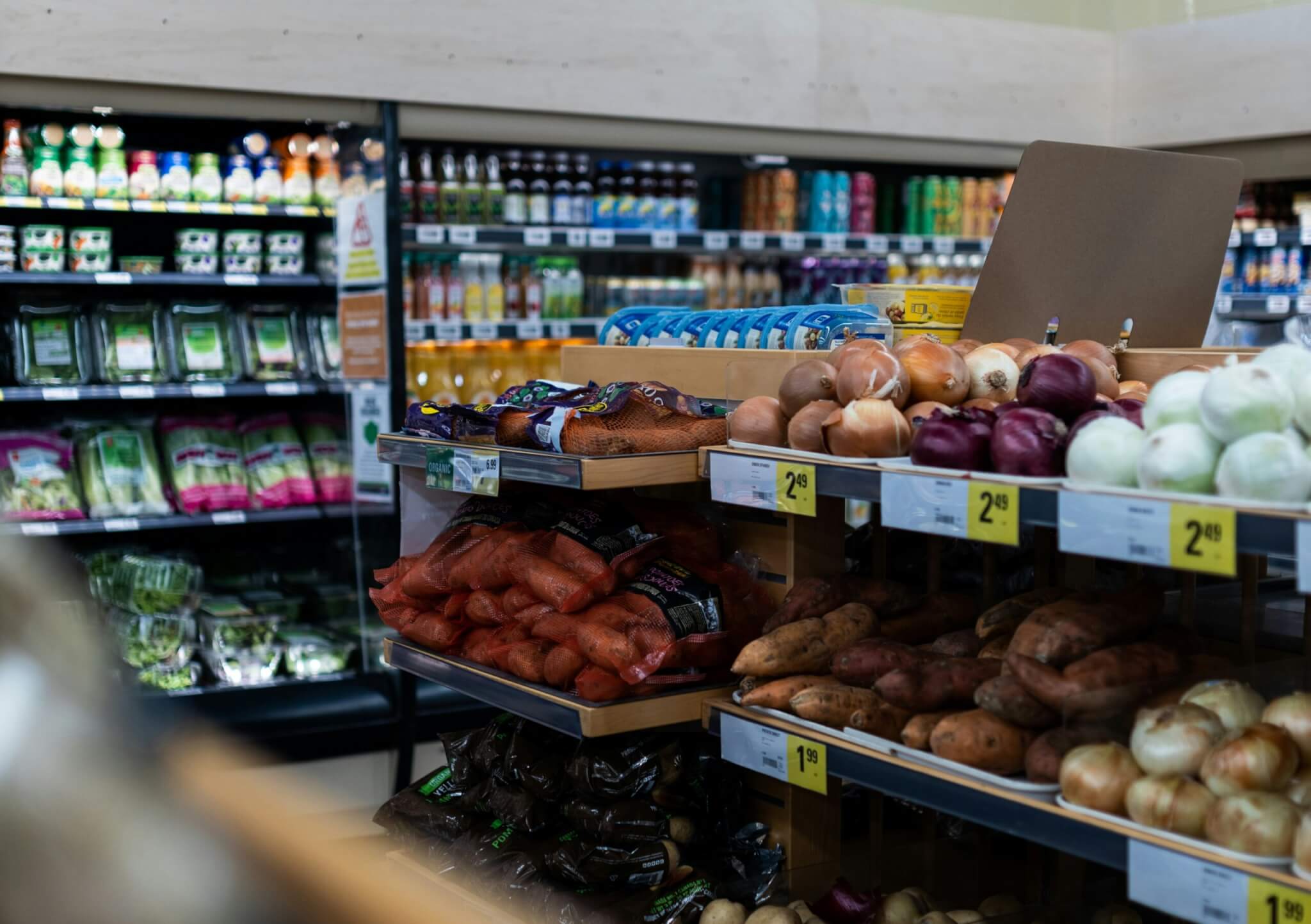
Shockingly, the poorest households in the UK now need to spend 40 per cent of their disposable income to meet the costs of a healthy diet, compared with only 7 per cent in the most affluent households, while healthier food costs more per calorie than unhealthy choices. This food environment is far from functional across Britain.
“Food insecurity is a political choice. It can be addressed if the government chooses to. We need to ensure that wage and benefit levels factor in the cost of a healthy diet,” explained Dr. Hannah Brinsden, Head of Policy and Advocacy at the Food Foundation to the conference.
Sarah Woolley, General Secretary for the Bakers, Food, and Allied Workers’ Union demanded we go a step further: “We want a right to food enshrined in law, so that everybody’s got access to decent, nutritious, affordable food.” Unlike the UK, many other nations contain the right to food either in legislation or constitutions, this is why the British Right to Food Commission is now gaining traction.
Huge food insecurity
Today one in ten households – and one in seven households with children – struggle to afford enough food. At the same time, a third of our food still goes to waste.
“Being poor reduces peoples’ capacity to be able to consume in a sustainable and healthy way in one of the wealthiest nations on earth. Concern about the cost of food has dramatically increased over recent years and is now the top concern for consumers, over and above health- and sustainability-related factors,” says Professor Louise Dye, Co-Director, Institute for Sustainable Food at the University of Sheffield.
“People are making changes and buying less food that’s locally produced, reducing their welfare and environmental standards, reducing the amount of fresh food they buy and worryingly eating food that’s past its use by date more frequently. This is really a concern, and these trends are most evident in those who are food insecure.”
Food inflation was mentioned a number of times at this forum. Inflation is also putting pressure on household spending. It’s been high since the UK left the European Union and has contributed to overall rate rises. It has been headlining at a rate of 5 per cent, particularly for meat and livestock products, driven by a multitude of factors – from the Ukraine conflict to the rise in prices for agricultural inputs.
“The economic conditions are really quite difficult at the moment,” states Professor Tony Heron, Head at the Department of Politics and International Relations at the University of York.
A lack of farming resilience
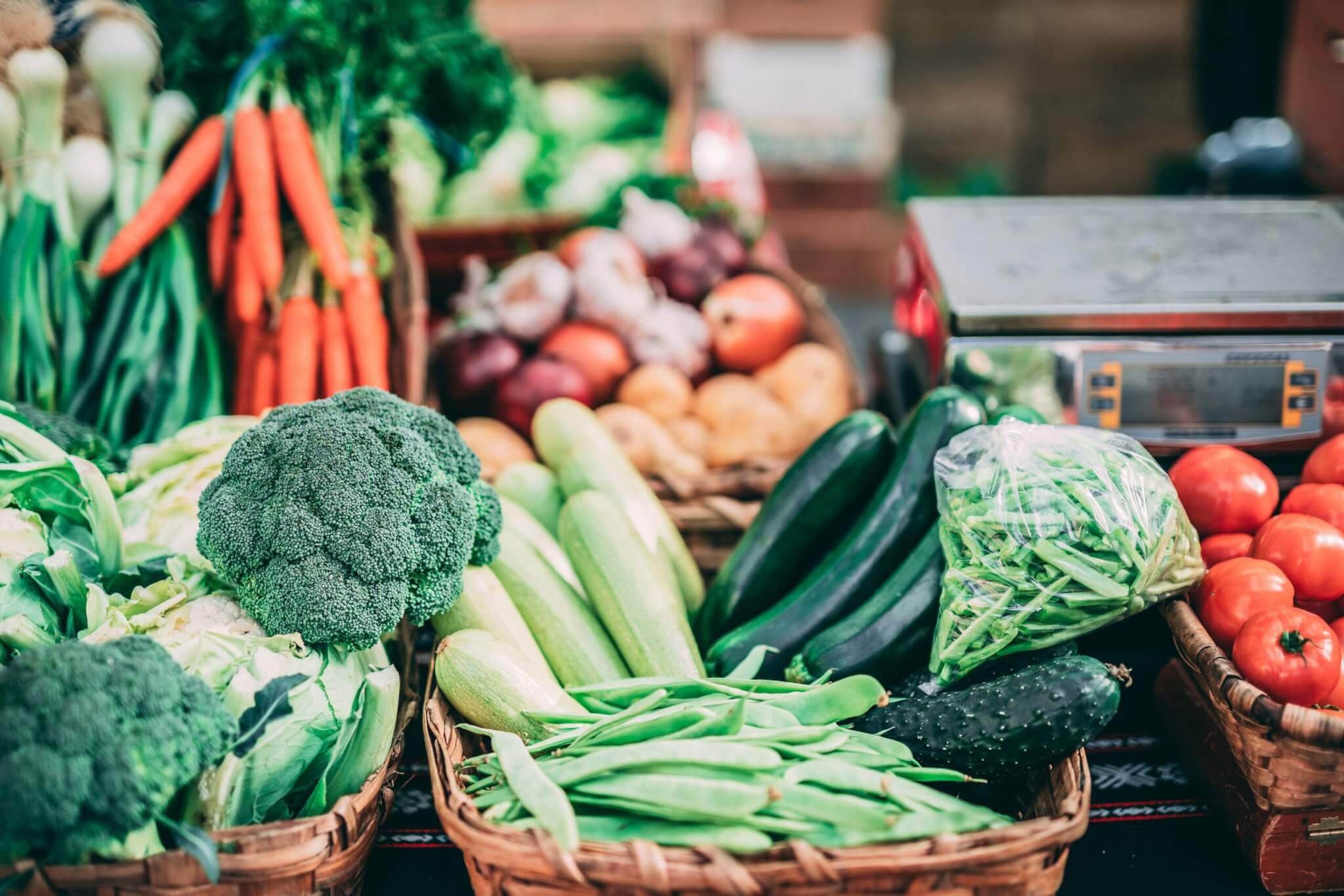
On the farming front, delegates at the forum highlighted many challenges and a lack of resilience in British food production. The country is only 16 per cent self-sufficient when it comes to fruit growing, 54 per cent for vegetables. We are also increasingly importing produce from climate-stressed countries, including Spain, Morocco, and Peru, as well as offshoring our carbon footprint.
Three of the worst five harvests have occurred since 2020, while up to 38 per cent of all the wheat we produce in the UK now goes into feeding pigs and poultry, instead of being used for human consumption.
“The numbers are totally unsustainable and that’s been building up over 30 years. But it’s not something we can’t change. It’s relatively new and it’s very much locked into the current way we eat. We consume a lot of pig and poultry, because the retailers want cheap meat to put in their ready meals, and sandwiches,” states Vicki Hird, Strategic Lead for Agriculture at The Wildlife Trusts.
She added: “We need to shift towards nature friendly and climate-ready and resilient diets, as well as support the transition in farming.”
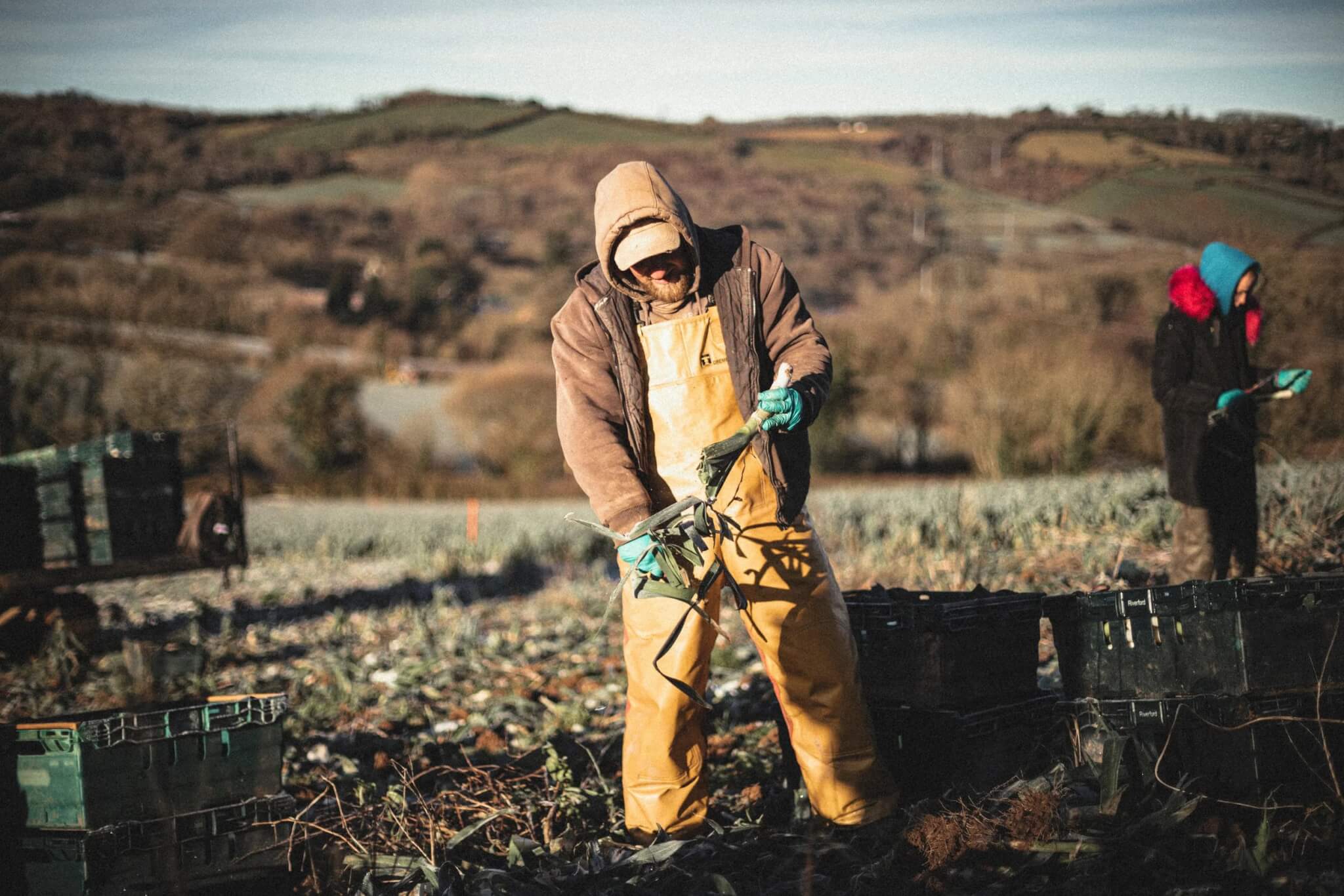
Investment in farming is also an issue, as is access to labour. Delegates talked about abusive supply chains and high energy costs, which are some of the highest among the world’s industrialised nations. There’s also a need for consistent government policy, as well as continuity, since investments involve long-term planning.
“Some retailers talk about the availability of British produce and their sourcing commitments, and how they’re having to row back on some of these because farmers within their supply chains are not expanding or growing their businesses, because they’re concerned about profitability,” pointed out Alex Stevens, Chief Sustainable Supply Chains Adviser for the National Farmers’ Union.
Solutions despite the gloom
Despite the forum painting a bleak picture for both food and farming, delegates offered some poignant solutions and ideas to fix some of the issues that we face. Hope is pinned on the upcoming National Food Strategy that will be published soon, as well as a Land Use Framework. The importance of a dedicated horticulture strategy and growth plan was mentioned, and the need to plant and eat more fruit and veg, particularly pulses, legumes, and beans in the UK.
“We know that consumption is well below recommended levels and that has negative impacts on public health. We also estimate that there’s significant value to the British economy in growing production to meet the recommended level of fruit and veg intake,” says Dr Lydia Collas, Head of Natural Environment at the Green Alliance.
The need for more nature friendly, agroecological farming, as well as organic and regenerative practices were also talked about by Dr Charlie Taverner, Policy Lead for Farming Futures at the Food, Farming and Countryside Commission (FFCC). This included the need for greater resilience.
Professor Dye also highlighted the fact that the environmental impacts of food production are not properly attributed or accounted for in the UK. “Current practice relies on fertiliser use and intensive farming to meet demands because it’s competitively advantageous. Lower impact, more sustainable methods are not rewarded,” she points out.
The need to address the rewetting of upland and lowland peat in order to reduce carbon emissions and shift where we grow produce also matters.
“22 per cent of the UK’s vegetables are grown on lowland peatlands, which need to be rewetted. This means raising the water table and creating biodiversity havens as well, because there’s a lot of nature potential within lowland and upland peatland, but we’re currently using them for grassland and arable. The Climate Change Committee have made this very clear,” points out Hird from The Wildlife Trusts.
“If we can decentralise horticulture and production, growing more veg on farms across the UK, that would be a massive step towards providing more produce. This will take the pressure off areas which are really important for storing carbon and promoting nature.”
Public procurement may be one of the easiest routes to change, since it is mandated by government policy and does not require mass behaviour change from the consuming public or farmers. James LePage, Head of Food Strategy Stakeholder Engagement at DEFRA (the Department for Environment, Food and Rural Affairs) said that it was a powerful lever.
“The UK government spends £2.4 billion a year buying food for schools, hospitals, the armed forces, prisons, and government offices. Targeting these anchor institutions could harness existing leverage in the food system in a bid to increase health and sustainability,” states Professor Dye.
“We’ve been very successful in Leeds University Union replacing 30 per cent of the beef in the beef lasagna with lentils and we’ve increased sales. We haven’t hidden the fact, but we’ve taken familiar things and made them healthier. Health by stealth, for me, is the way forward” she concludes.
There is certainly a lot for UK politicians and decision makers to think about. Bold steps are needed. Tinkering around the edges is not going to transform Britain’s food and farming system – that much, at least, was evident from this Westminster Food and Nutrition Forum.




0 Comments