
In 2005, aged 25, I opened my first restaurant, albeit with limited work experience. I had worked in a few bad places, including one that paid staff £1 an hour, letting us rely on tips to survive! Yet I had a clear vision, and 21 years later, it remains unchanged: serving good food, generously and affordably, can bring people together and strengthen communities.
The word “restaurant” is perhaps over-generous. I started with a hut in a park that had historically served hot dogs and ice cream. We painstakingly scraped the grease off the walls, installed a rudimentary kitchen and built a picket fence to keep the kids in and the geese out. My then two-year-old took naps sandwiched between the till and the ice cream freezer; I’m not sure we’d get away with that today.
From day one we proudly served a menu that included hummus, falafel, and a quinoa based salad. We scoffed at requests for cheese toasties and jacket potatoes and, whilst that behaviour makes me cringe now, on reflection we were right to stick to our guns. We weren’t for everyone, but we had a growing audience. After two seasons, we approached the local authority about moving out of the hut and raising the capital for a purpose-built space on the site, in exchange for a fifty-year lease and peppercorn rent.
After opening our new café in 2009 my naivety nearly broke us, in fact for the first few years we nicknamed it ‘my expensive hobby’. However, the combination of good people, kindness, hard work and the right tech meant that the business eventually worked, paying the team enough to live on while achieving our purpose. We’d become founding members of the Sustainable Restaurant Association in 2012, long before sustainability became fashionable, and we became known as much for our ethics as for our good food and warm welcome. We sold in 2019 and I’ve never been able to go back.
We took advantage of our new found freedom and moved to Totnes, Devon that same year. When lockdown hit six months later and I was at home with a toddler, I suddenly had space to think about what was next. It was during that time I discovered a fascinating historical precedent for more affordable and accessible dining: British Restaurants. I learned that during the Second World War, the government had established a network of communal dining halls to serve nutritious, price-controlled meals. At their peak, over 2,000 restaurants fed around 600,000 people a day. They were created to ensure fair access to food during rationing and played a significant and a successful role in our war effort.
Before the war, eating out was largely divided by class: fine dining for the upper classes, pie and mash shops for blue-collar workers. British Restaurants changed that – creating communal spaces for nutritious, affordable meals. They helped catalyse Britain’s love of eating outside the home; a legacy that underpins our strong casual dining culture.
Today, the UK’s out-of-home food market is worth around £100 billion a year, yet 30-40% goes on takeaways and food to go. Convenience is growing in dominance, and we eat more and more alone; at our desks, in front of screens, or on the move. Every takeaway is an opportunity lost: a chance to sit with others, to connect, to build community. So the question is: if eating out has become such a central part of modern life, how can it be reshaped so that it brings us together?
I started to consider: what if restaurants could do more than serve food? What if they could be everyday spaces where connection is built into daily life? Drawing on what I learned from my first restaurant, and inspired by the example of British Restaurants, I started imagining a scalable model; one that makes low-cost, balanced, climate-conscious meals widely accessible, while creating spaces where eating together is a habit, not a luxury.
That is the idea behind public restaurants. They are not nostalgic – they’re a forward-looking response to our growing disconnection. From high streets to campuses, public restaurants could become part of our everyday infrastructure: joyful, affordable dining halls woven into daily life.
I went away to design the operational and organisational model needed. Where could I borrow thinking? How could it scale without diluting its mission? How could it be funded in a way that separated capital from control? And what kind of infrastructure would properly support producers; one where they, not the market, could set the price, where relationships were long-term, logistics simplified, and waste kept to a minimum?
In searching for answers, I realised much of the solution was already in plain sight.
Operationally I imagined that a public restaurant should blend the best of what already works: the affordability and spacious, predictable walk-in ease of Wetherspoons; the balanced, minimal-choice menus of LEON; the neighbourhood warmth of the Lounges; and the canteen flow of IKEA Food.
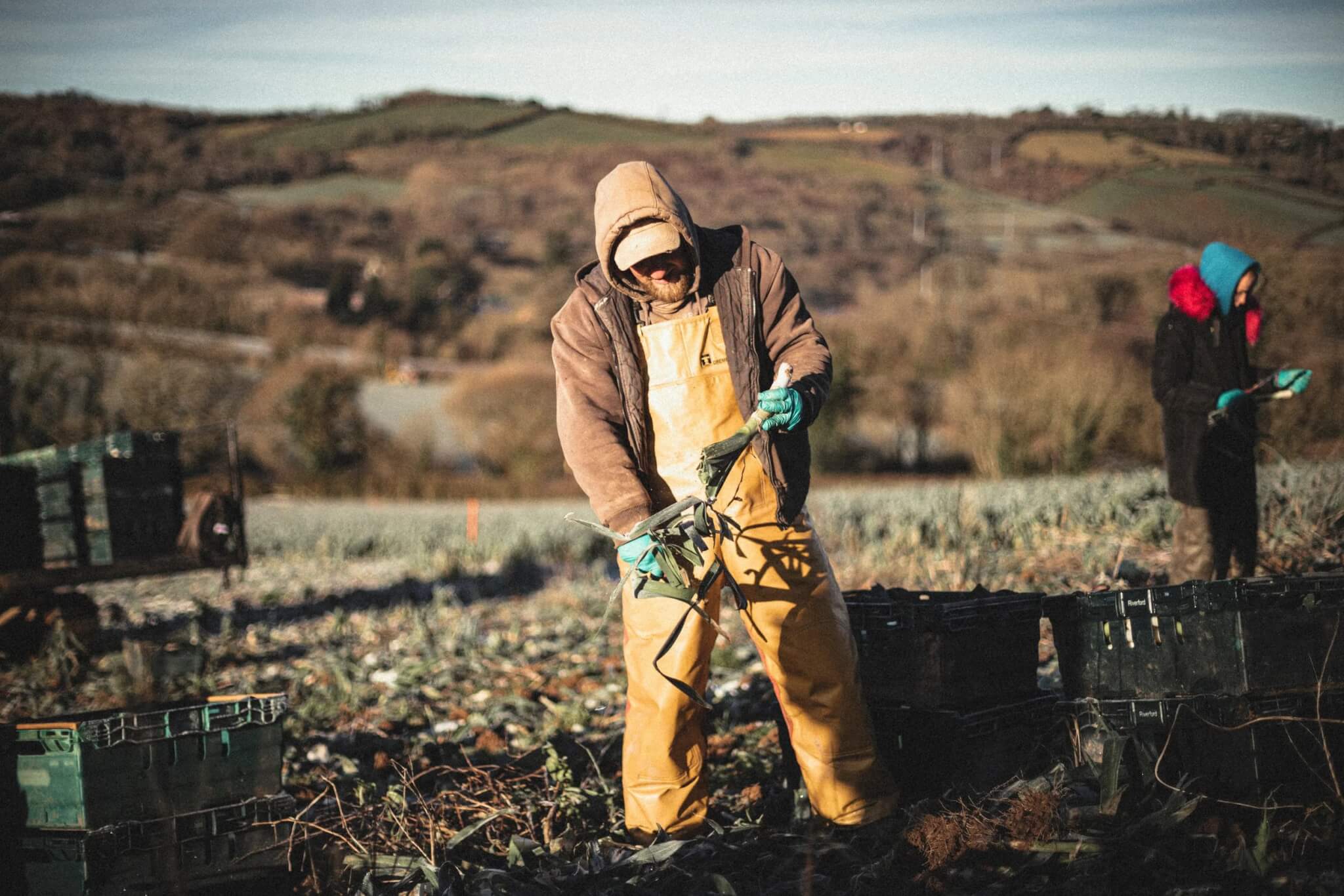
Organisationally I looked at systems I could learn from: Steward Ownership, like Ooooby, which embeds purpose into governance; social franchising, as Everytable demonstrates, which allows ownership without wealth or networks; subscription models at the University of Reading, making generous, climate-friendly meals affordable for £5.40 a day; and partnership structures in public leisure centres, commercially run in public buildings with profits reinvested locally. Finally, I looked at food systems like Organic North and Riverford, where producers are prioritised while wholesale and retail businesses thrive.
Building on all of these models, I have designed The Public Plate: a system to steward, raise capital, regulate, and support a UK-wide network of public restaurants; commercially viable yet socially transformative.
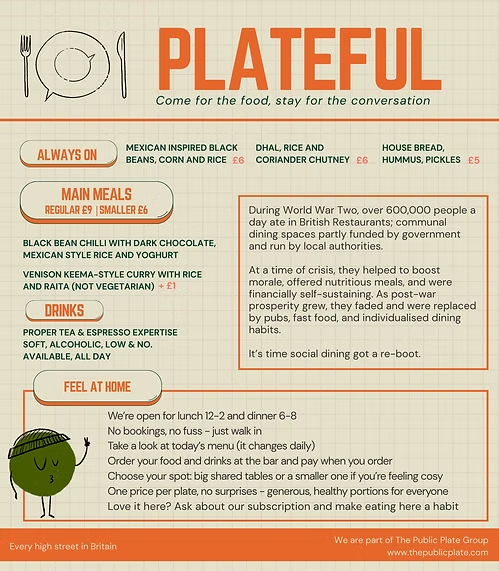
Public restaurants could become the foundation of how we meet and eat outside the home: spaces where good, nutritious food and social connection can become habitual. They will be tomorrow’s department store café and our new social clubs; the everyday infrastructure where we all feel welcome. They will become where we go to eat when we don’t want to over-spend, over-indulge or eat alone. They will make healthier, more sustainable food choices the easy, visible and default options.
The Public Plate is ready to pilot in Bristol, with two sites identified to test both a city-centre and a campus location. We’re growing our contacts, exploring impact funding, and laying the groundwork for a UK-wide network.
Our lives are shaped by memories made around tables. Public restaurants are our response to a society that longs to be more deeply and more widely connected, more often.
If you’d like to learn more, get in touch or visit: www.thepublicplate.com.
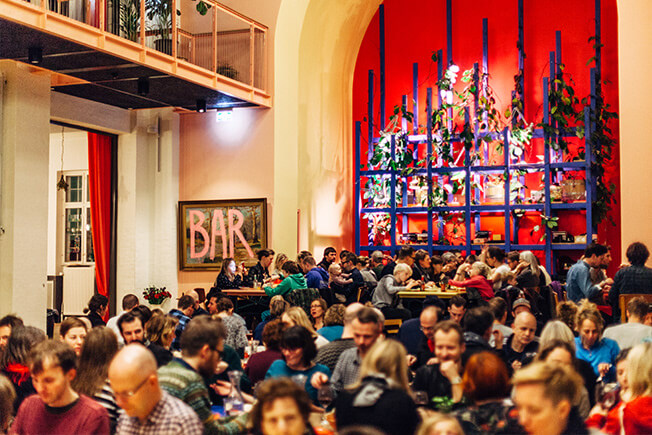
Photo of Absalon, a “Public Restaurant” in Copenhagan
The Public Plate was founded by Carly Trisk-Grove and is being built with a growing group of collaborators, advisors and supporters who believe everyday eating can play a bigger role in public life. Carly’s background is in restaurants. She has founded and run three, including Café in the Park, and was a founder member of the Sustainable Restaurant Association. Alongside practical experience, she holds an MSc in Food Policy and is a B Leader with B Corp, bringing together hands-on hospitality, systems thinking and a commitment to business as a force for good.



Lot of really pertinent ideas here!
Having had the privilege of travelling quite widely before infirmity curtailed, the overwhelming thing that struck me in countries where eating out is normal and affordable was the absence of “menus” – no array of choices, what you got was what they cooked, and you ate surrounded by working folk having their sustenance, not “dining out”.
Food usually better for it, and a totally different experience that I found far more enjoyable than any UK restaurant experience.
Power to your elbow I say. 😊😊😊
Surprised you don’t reference The Long Table in Cirencester and Stroud as this sounds similar….? Although they aren’t owned publicly.