
In the Peruvian Andes, some 4,000 metres above sea level, farmers have pioneered a model to cultivate climate-resilient spuds.
Affectionately dubbed “Potato Guardians,” this Indigenous network has teamed up with researchers at the International Potato Centre (CIP) to repatriate hundreds of native potato varieties in Peru’s 9,000-hectare Parque de la Papa (Potato Park). Using only traditional farming techniques and local Quechua communities, the collaborative effort is restoring diversity, strengthening food security and climate resilience.
But no matter how effective, it isn’t this type of grassroots innovation that makes it into the headlines, argues independent think tank, the International Panel of Experts on Sustainable Food Systems (IPES-Food) in a provocative report released in March. Instead, they claim, the concept of agricultural innovation has been monopolised in recent years by “powerful alliances” between tech giants such as Google, Microsoft, Amazon and Alibaba, on the one hand, and Big Ag behemoths on the other.
These partnerships have seen digital technologies, such as cloud platforms and AI, centred in discussions and embedded throughout the supply chain – trickling through into seeds, chemical inputs and machinery – and shaping what is grown and what the future of farming should look like.
According to IPES-Food co-chair Lim Li Ching, “we are witnessing a quiet takeover of farming by Big Tech. Under the banner of innovation, tech giants are consolidating control over agriculture and biological heritage, sidelining the farmers who already grow our food in sustainable and resilient ways.”But is that true? And, if so, how can farmers reclaim innovation back from the clutches of Big Tech?
A striking imbalance
For Pat Mooney, an agricultural expert and member of the IPES-Food panel, there is often a striking imbalance when we talk about agricultural innovation – and it was this which motivated the think tank’s report.
“At IPES we were trying to understand the conversation that goes on about how creative and innovative agriculture agribusiness is, and how we’re meeting the problems of the food system breakdown that everyone acknowledges is there,” he says. “[But] the claims around innovation didn’t strike home.”
In short, while IPES’s own research uncovered “significant creativity” across regional agrarian communities, such as Peru’s “Potato Guardians,” with a “nuanced approach” to utilising different technologies to foster innovation, the influence of Big Tech at a global level has overwhelmed global dialogue.
For example, of the 32 “most promising innovations” highlighted in the 2023 UN Food and Agriculture Organization (FAO) stocktake of emerging agri-food innovations, over 70% were digitally driven technologies.
Notably, this is innovation driven by the pursuit of profit, points out Mooney.
These firms have identified agriculture as a major financial opportunity, say the think tank, collaborating with large suppliers of farm machinery and agrochemicals, to integrate their technology across equipment, chemical inputs and data-driven tools, such as platforms and processing to analyse field and weather data.
But they typically “have very limited interests in the food system,” he says. “They see it instead as one of the markets that they can tap into and get information from and use for their own interests, but that aren’t central to their business orientation.
“They’re just gigantic,” Mooney adds. “And they can dabble in what’s critical to our survival, which is food, play with it and decide to get in or get out of it without really much thinking about it. That’s quite scary.”
They’re wooing policymakers too. Already, the World Bank has financed $1.15 billion in loans to fund digital agricultural projects in 36 countries, while the European Union has allocated over 200 million EUR for digital agritech research and development through its Horizon 2020 program, with a focus on robotics, AI and IoT.
The implications of this trajectory could be deeply damaging to food security, believes Mooney.
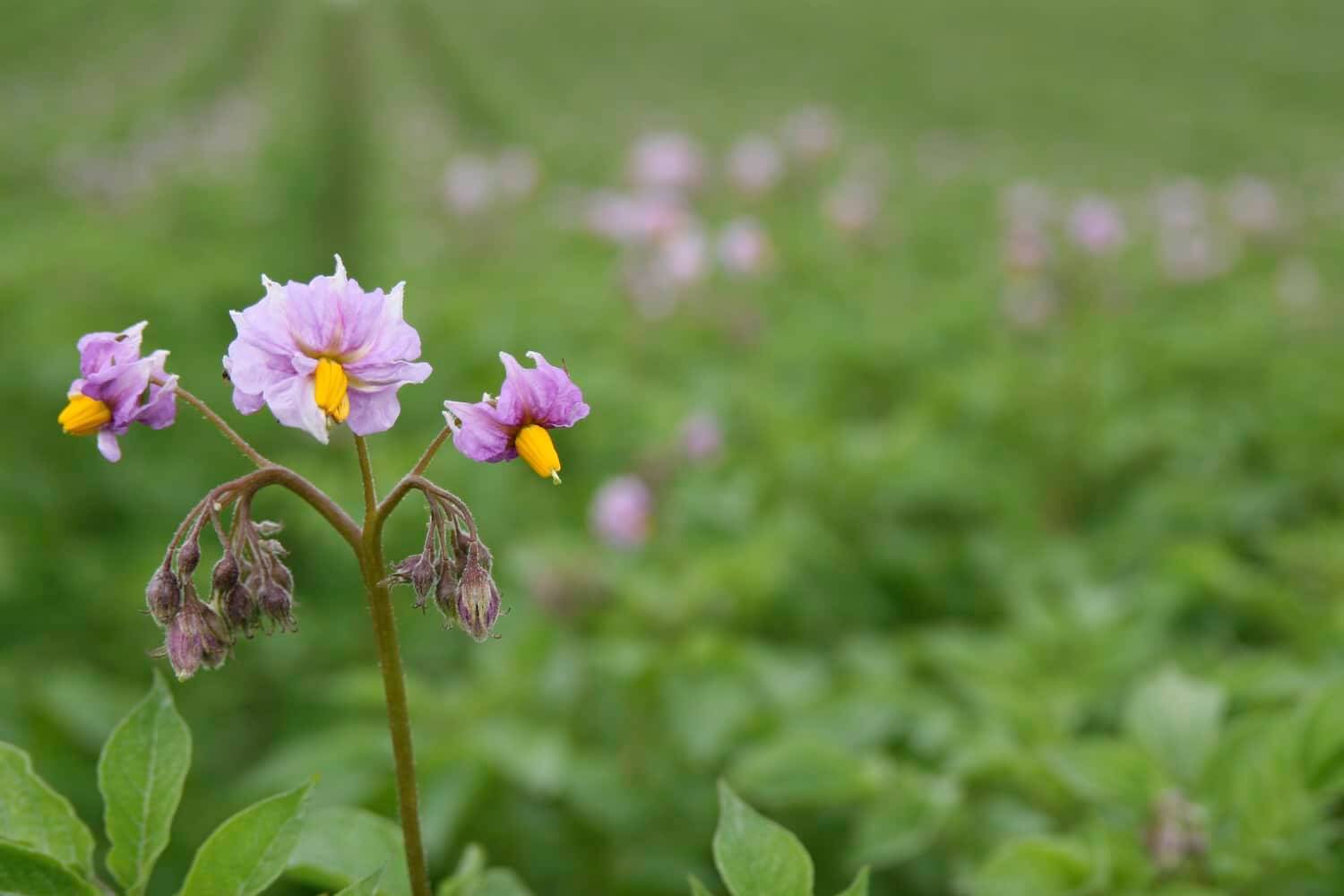
Take decisions around which crops are grown, he says. Big Tech and Big Ag firms will focus the development of tools and technologies on the most profitable and productive crops, as demonstrated by their own data and analysis. This has meant these companies largely focus on five core crops: corn, rice, wheat, soya beans and potatoes.
But this is “the reverse of what we need right now,” says Mooney. “This narrowing of the food system in terms of a handful of crops or a handful of livestock species is the opposite of what’s required when we’re trying to respond to climate change and biodiversity loss. We need to diversify into more crops and more livestock species to survive this.”
Big Tech firms “don’t really want to look at anything else [though.] Their innovations are within that box and they consider themselves to be extraordinarily innovative. “Yet from the outside, we look at it and we just can’t see that as being helpful to us in getting through the decades ahead where we need to have peasant organizations, and farmers exchanging information with one another, exploring new crops or bringing back old crops and sharing information about how they can respond to the pests and diseases that they’re going to face.”
Magical thinking
For UK farmers too, this analysis of Big Tech wielding undue influence in the debate around agricultural innovation rings true.
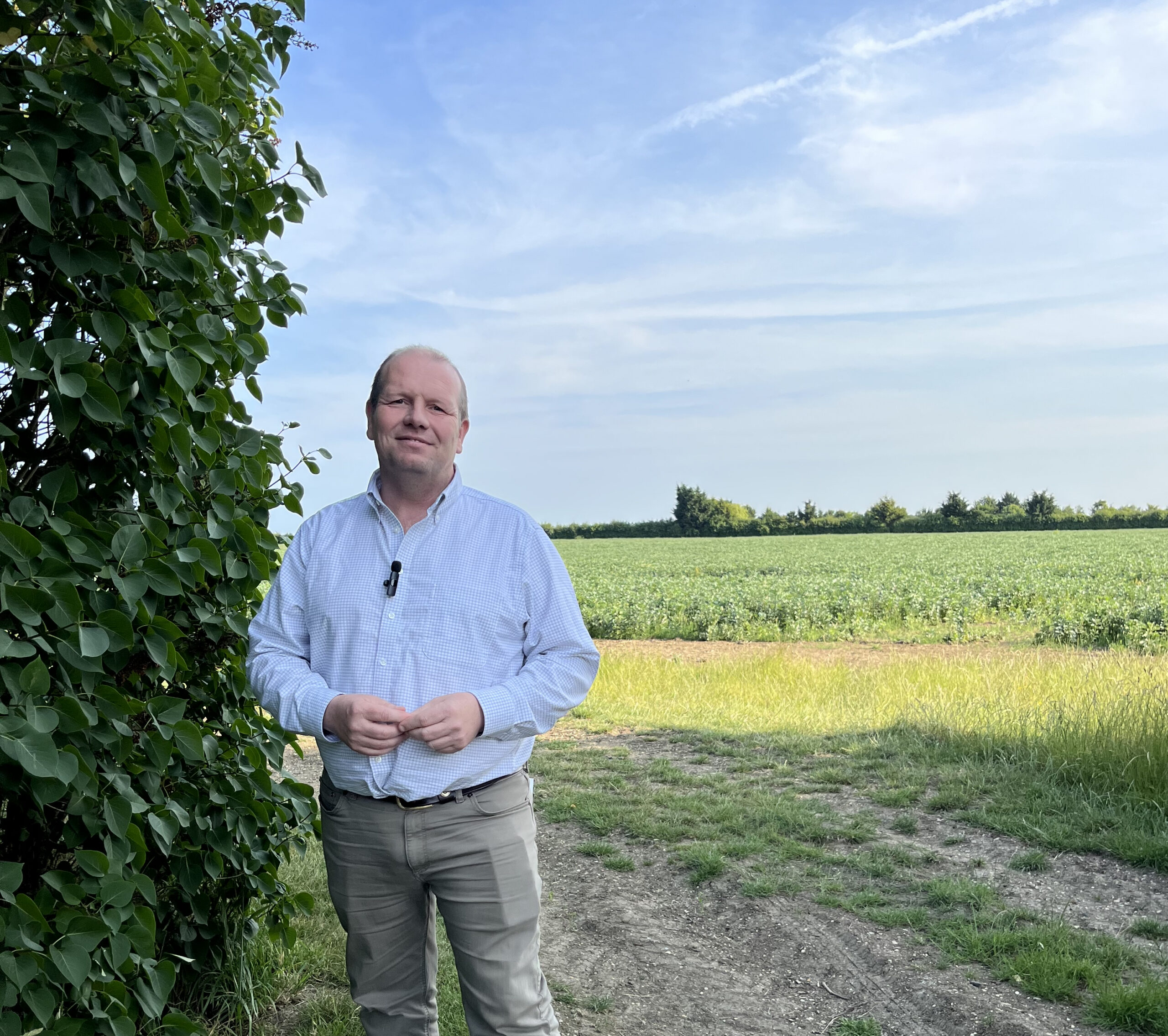
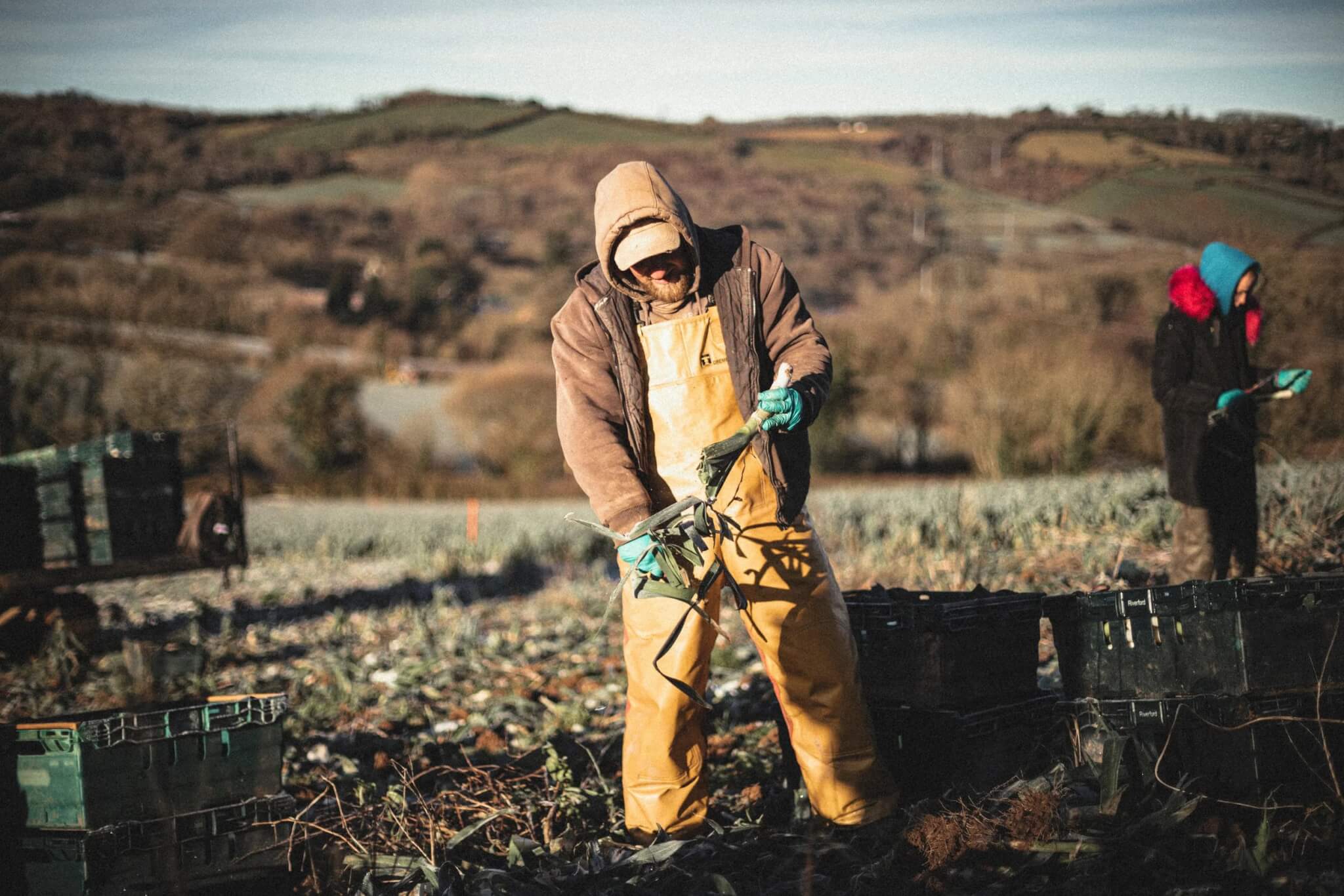
“There’s too much emphasis on magical thinking coming from these tech guys,” says Liz Webster, a mixed arable and beef farmer in Gloucestershire and founder of the campaign group Save British Farming. “A few corporations control all of the food; they control to a large extent the seed and chemicals too [but] they have not valued the input of the smaller producers in terms of the food chain.”
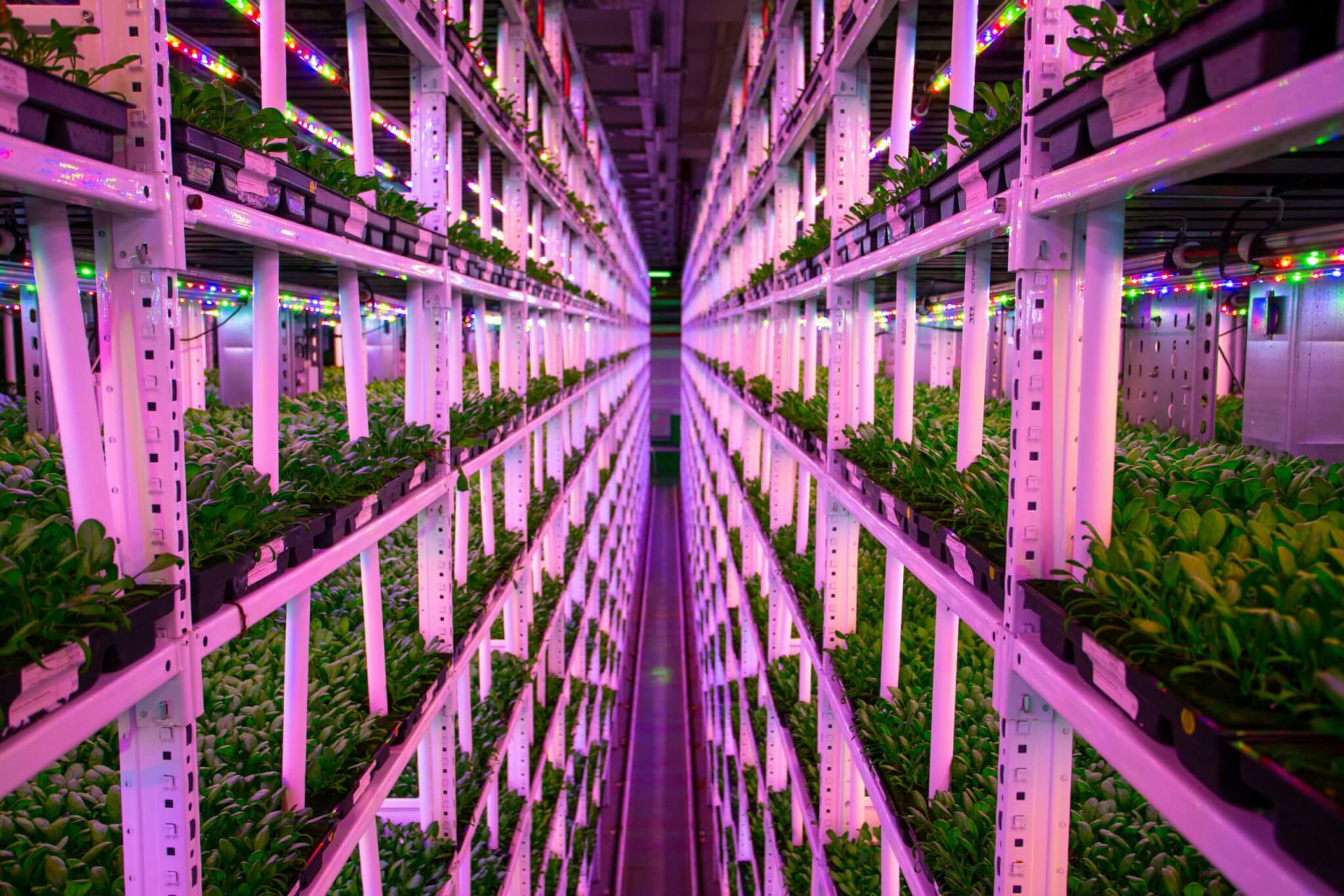
This means many of their innovations have a patchy track record. For Webster, vertical farming is a prime example. Large tech firms invested hundreds of millions in Controlled Environment Agriculture (CEA) – the umbrella term for enclosed systems that tightly control inputs like light, temperature and nutrients – with some $10bn ploughed into the tech in 2021. Then, nearly as quickly as it appeared, the funding dried up. That’s because “vertical farming looks great, it tells a great story and it sells across that media network, but you put it into reality and it doesn’t work.”
Much the same goes for an ongoing push for remote technologies for livestock farming, she adds, where there’s often a gap between the lofty vision of tech bros and the reality on the ground. “A friend sent me information about a new collar that you can put around livestock. It’s $10 a month and it means you don’t have to put up fences – they’re virtual fences. You can go on holiday and leave your cattle and manage it from an app. I mean, it sounds amazing, but how’s it going to work in reality.” Not only are the upfront costs infeasible when margins are so tight, but “who is going to calve a cow? If there’s a problem calving, that collar is not going to do it. These sound great to people that are not in the industry.
“There are going to be advances which are really, really helpful but if you don’t get the building blocks right from the foundations, then it’s going to collapse,” she urges. “This is the food chain. It’s nature. If you try and remove nature from it, it’s going to have big problems.”
For Rich Clothier too, managing director of Wyke Farms in Somerset, “we recognise the warning in this report. AI and digital tools can play a useful role, but they should be just one tool in the kit, supporting better decisions rather than replacing the expertise of farmers.
“Stockmanship and deep knowledge of the land – often built up and passed down over generations – cannot be automated or replicated by algorithms,” he adds. “Strong, stable supply chains are built on sustainable pricing models that properly value food production and give farmers the confidence to invest for the longterm.”
Wide tech
For IPES, it isn’t about dismissing the value of all technology.
Mooney flags the use of smartphones in developing countries, for example, as a way to facilitate information exchange and send imagery and updates at low cost, as a positive addition.
But the current top-down model for developing and implementing tech needs to change, he believes. “I’ve described it as the difference between wide tech and high tech,” he says. High tech takes a narrow view, developing innovation in scientific siloes but with potentially global ramifications. Wide tech starts with the big picture and builds from there. “We look at the whole environment around us, the whole ecosystem and being in that ecosystem, we make changes which are wide. That’s far more beneficial for the world than the high-tech approach.”
Clothier agrees. “Real resilience comes from long term stewardship of the soil, animals and biodiversity, backed by fair investment in farmer led innovation,” he says. “If we want secure, sustainable food systems, we must put farmers back at the heart of innovation, not treat them as data points for Big Tech.”

I’m not sure the virtual fence / no fence collars were the ones to bash. These are actually working quite well. And no-one is asking for that collar to birth your calf, but they are useful for grazing certain areas that you just couldn’t fence – steep land, land covered in scrub that needs managing etc.