
All the biggest issues to do with farming, food, water, nature and climate are fundamentally linked to the state of our soils. Yet our earth is still largely unprotected and unnoticed. However, after years of being ravaged by intensive agriculture and the effects of climate change – from drought to floods – we’re beginning to realise how important soil really is.
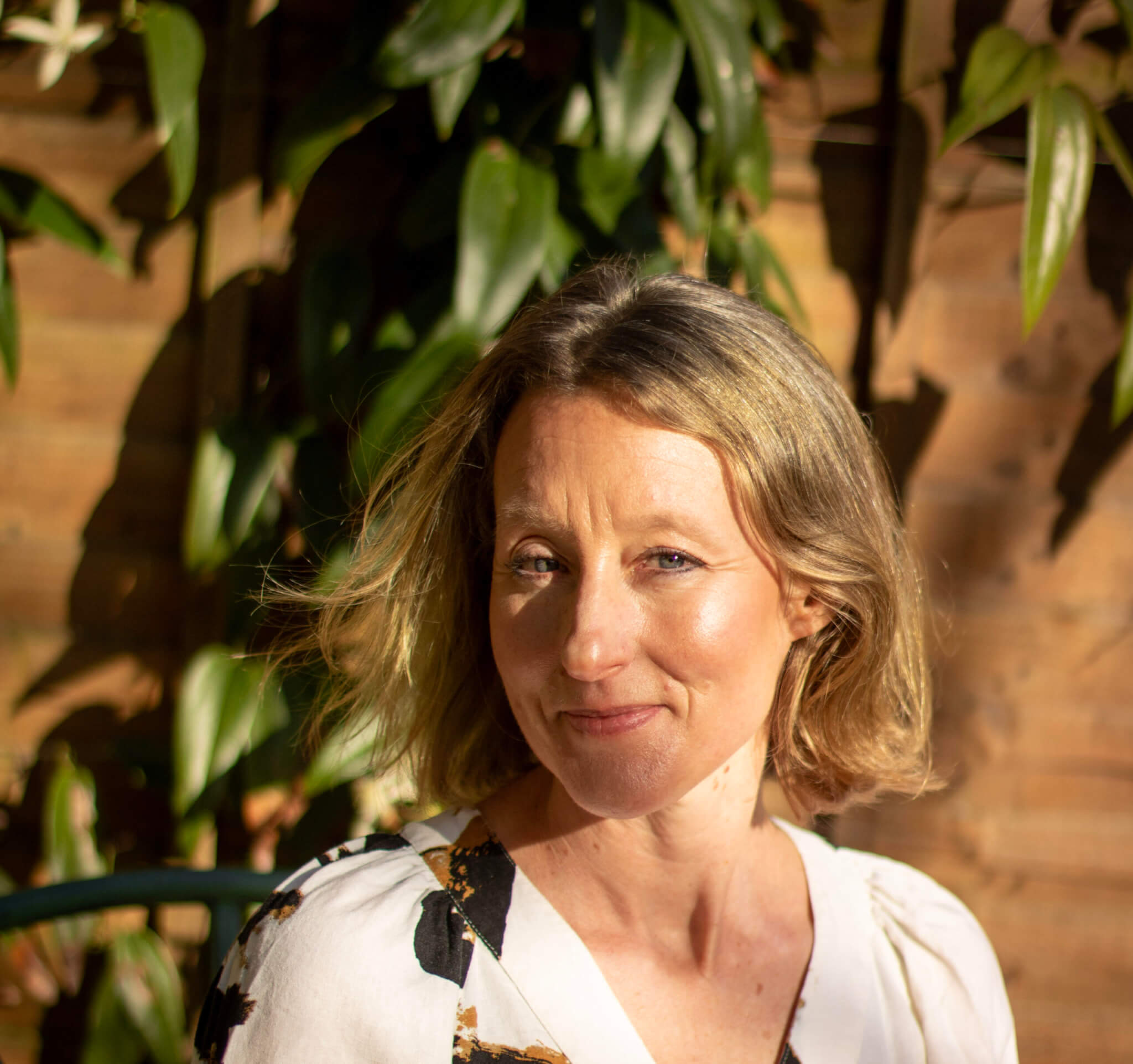
“Soil is not a niche issue. It is the foundation on which everything stands. If we get it right, the benefits ripple outwards – that’s something worth getting out of bed for! It is also the golden, or perhaps brown, thread that runs through every aspect of environmental recovery,” explains Ellen Fay, co-founder of the Sustainable Soil Alliance.
The reason why this unsung, fertile band of humus, grit, countless organisms and leaf litter sandwiched between our geology and verdant vegetation has garnered scant interest over time, is because it’s largely invisible. “Mud” lacks magic because it’s beneath our feet and more importantly it’s incredibly complex.
“Soil is quite difficult to relate to. Most people don’t want to touch it or feel it. Yet we cannot hope to tackle the twin emergencies of nature and climate without prioritising soil health,” states Fay.
For nine years, the former linguist, interpreter and translator has been busy trying to find a narrative for soils that everyone from farming groups and scientists, environmental NGOs, to food and water companies can relate to; it’s not been easy.
“People need to be able to relate to soils in a language they understand. At one point we had nine different languages across our team without ever having gone out to look for linguists. This was completely coincidental. I think it’s because the team is interested in breaking down the communication barriers between researchers, policy people, practitioners and now even financiers, when it comes to soil,” says Fay, who is also the co-executive director of the Alliance, which is an advocacy organisation prioritising soil.
She adds: “It doesn’t help that there are so many different standards or ways of defining soil health. We’re also measuring and monitoring so little, and not in a joined up way. By 2030, 60 per cent of all England’s farmed soils are supposed to be managed sustainably, this is written in law! But how is the government going to define this and measure it? It’s still a really big unanswered question.”
Only 0.4 per cent of the UK’s environmental monitoring budget was historically allocated to soil health auditing, considerably less than for water or air monitoring. Soil monitoring was also recently removed from the latest guidance on the Sustainable Farming Incentive (SFI), a scheme that pays farmers for better environmental land management.
“We don’t have national soil benchmarks here in the UK, or anywhere I’m aware of. We need standards and harmonisation that marries up what happens at a national level, landscape level, and at the farm level. What’s the delivery mechanism here? We’re still very unclear,” states Fay.
The beginning of change on soils
The good thing is that the UK government has reinstated a national soil monitoring programme and just published England’s first indicators of soil health, which means the data gaps are starting to be filled, but it is only just the beginning.
“There is real cause for optimism. Governments across the devolved nations are now more focused on developing policies that prioritise soil. Farmers are increasingly uniting around practices that rebuild and protect it. Even big businesses are waking up to the fact that healthy soils underpin supply chain resilience, food security and long term corporate responsibility,” explains Ellen.
The Sustainable Soils Alliance (SSA) is campaigning for the Labour government to reinstate a dedicated Soil Health Action Plan for England, which was abandoned three years ago. This could bring together disparate pieces of environmental policy for soils, such as the healthy soil indicator, methodologies for assessing soils at field scale, clarity about how we protect our soils, and a scheme to help farmers track soil health over time.
All of which are sorely needed, according to Ellen Fay. Decades of intensive agriculture have decimated soils. A third of landfill is now made up of perfectly good soil from the housebuilding industry. Therefore, a targeted and ambitious policy is needed to address this crisis, other numbers are stark.
Industrial farming has caused UK arable soils to lose up to 60 per cent of their organic carbon. At the same time, the cost of soil degradation in England and Wales is estimated to be £1.2 billion a year. This decade-old figure is largely linked to the loss of organic matter, because soils are being destroyed ten times faster than they’re being created.
“This is why there are questions around the UK’s economic growth agenda and its impact on soils. Then there are issues with the water industry and how we understand soil’s role in flooding and drought. We also need to think about contaminants from sewage sludge applied to land and the earth coming off construction sites. A soil health action plan would help people understand all these elements as part of a whole,” states Fay.
Soil at the heart of everything
She believes we need more soil-centric policymaking with a much bigger commitment at the national level to make soils better, since this underpins so many of the UK government’s commitments on the environment.
“If we get it right we can also encourage the flow of fresh private money into soil health. Pension funds, investment banks and insurance firms are all thinking about how to invest and build resilience in society, whether this involves combatting flooding or drought for instance, again soil health is at the heart of this issue,” says Ellen.
She adds: “The fact is we don’t have any soil focused regulations in this country. We have water regulations where soil is the delivery mechanism. It’s great that there is growing interest in nature-based solutions, with landowners creating ‘spongy landscapes’ and looking to regenerative farming. But all it takes is one farmer planting one high-risk crop on a fragile soil at the wrong time and this inadvertently causes compaction and serious flooding. The climate is becoming more challenging so we’re going to need to adapt.”
The Sustainable Soils Alliance (SSA) that Ellen Fay founded has now grown into one of the UK’s leading soils-focused organisations. It was started when Mary Mead, the co-founder of Yeo Valley dairy gave Ellen a cheque for £7,000 to go and do something about soil health. Nine years later, she and her team continue to drive debate on critical issues.
“There’s still a lot of work to do. We still need a unified voice around soil. We think about soil as a generic thing, yet we’ve got over 720 different soil types in this country. So what works in one area is very different to another. For instance, could we plan land use more around soil potential. How can we help people to really understand what their soil capabilities or vulnerabilities are?” asks Fay.
One thing SSA have been campaigning for since 2020 is to try and get open access to the National Soils Maps and Data for England and Wales, which was only recently achieved by the government. This will allow this taxpayer‑funded resource to be used by farmers, researchers and local authorities to make informed decisions about soils in the landscape.
“This is a really good news story. We hope that these maps are going to be accompanied by good guidance so people can start to really understand our soils and where the potential is for, say, farming for carbon or how soils influences hydrology. Again, it’s all about having that common language around soils,” says Fay.
She concludes: “We need to stay focused, stay collaborative and keep pushing for the soil centred solutions that will secure a liveable future.”


0 Comments