

It’s something we rarely give much thought to: the food served in prisons. Behind locked doors and with little public scrutiny, the diets of inmates are very far down the priority list. There are also a lot of people who believe that anyone in prison doesn’t deserve to eat decent food. But Lucy Vincent isn’t one of them.
Unlike food in other institutions, prison meals are the primary source of sustenance – prisoners are totally dependent on the nutrition the state provides. “It’s a subject that doesn’t touch most people’s lives. So how on earth do we know what’s going on? And whatever evolution is happening in school canteens, prisons are ten years behind,” explains Lucy Vincent, who runs the UK’s only registered charity dedicated to transforming food in prisons.
The numbers are telling. The average cost of food for each prisoner, according to Ministry of Justice estimates, is just £3.12 a day. This includes breakfast, lunch and dinner. Like a lot of public procurement in the UK there can be a lot of imported produce, ultra-processed and low budget foodstuffs.
“The budget hasn’t moved very far in a decade and it certainly hasn’t risen in line with food inflation. I believe that the meat and fish is of poor quality compared to what you find on the outside. It’s a very regular topic of conversation with staff and prisoners,” explains Vincent.
“Good nutrition in prisons is so important. A higher proportion of people behind bars are in poorer health than those in wider society. So many prisoners were living in poverty before they were incarcerated, some were homeless, others were substance abusers or in the care system. These people are more likely to have had a bad relationship with food.”
It’s been statistically proven that by boosting inmates’ health through better nutrition, violent offences can be cut by as much as 37%. It was only a decade ago that poor nutrition contributed to disorder in jails from Belmarsh to Bedford, according to a report by HM Inspectorate of Prisons. It’s why Vincent believes better food is a key driver of rehabilitation.
“We’ve been running a project to improve food in HMP Bristol, where prison officers have said that it’s calmer on the wing now that the menu has been changed. This is anecdotal evidence and it’s difficult for us to draw a direct line between food and levels of violence, but it is no coincidence. Like all of us, better food contributes to wellbeing and mental health,” states Vincent.
She continues: “The potential for change is huge. But it’s a struggle getting people to work in prison kitchens. Their job isn’t just catering – they’re also managing prisoners. We’re also talking about complex and challenging groups of people who need to be kept engaged. There’s also a huge churn in prisoners through kitchens due to early releases, so constant training is needed.”
One system to feed them all
What is incredible is that the entire prison service, accounting for over 86,000 prisoners at the last count, is served by just one single food supplier, Bidfood, a subsidiary of South African-listed distributor Bidcorp, in a centralised contract worth £827 million, which amounts to £165 million a year.
The prison service buys in five million pies and sausage rolls, as well as 300 tonnes of dried pasta a year, according to the Food Matters in Prison report. “For the Ministry of Justice, it makes sense for them to have this unified system. However, what it hasn’t historically prioritised is seasonal, local or sustainable produce until now,” details Lucy.
If celebrity chef Jamie Oliver is the doyen of children’s food campaigns, Lucy Vincent is perhaps the equivalent for the prisoner population. The ex-journalist started investigating prison food back in 2016; at that time she had never stepped foot inside a single jail.
She was initially frustrated by the lack of information or conversations on meals served to inmates. Then in a bid to drive change she founded the charity Food Behind Bars in 2020 to facilitate better nutrition for prisoners.
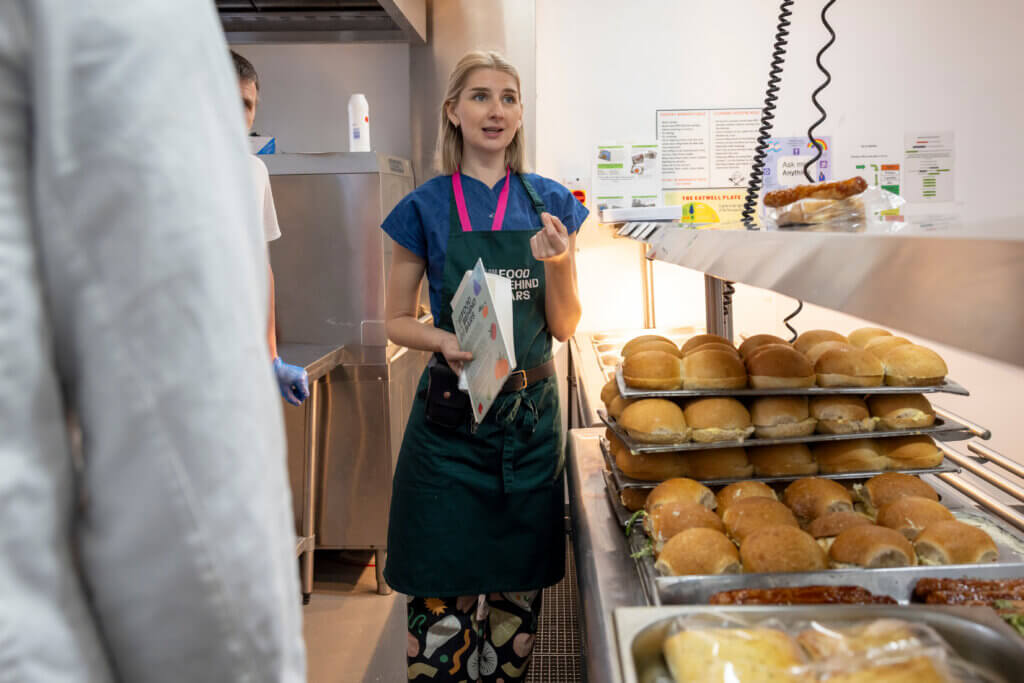
“I could see the conversation happening around schools and hospital food, yet prisons were never part of it one bit. I’m really proud of the fact that we put prison food on the agenda. We’ve been very privileged that from day one, prisons have responded really well to our work,” explains Lucy.
She points out: “Our ethos is that these institutions should provide people with an opportunity to learn and develop their own relationship with food and their diet, as well as improve their health through good nutrition. There are some great things going on in some prisons, for instance in HMP Brixton. The food is remarkable. This is to do with the staff and the kitchen culture.”
Lucy and her team, including, professional chefs, bakers and educators collaborate closely with prison kitchens, prisoners and staff. The aim is to create a positive impact on meals served and improve menus. They’ve now worked with 14 prisons across the country developing over 100 recipes that are costed, tested and liked by prisoners.
“A lot of what we do is around inspiring catering teams to prioritise fresh food and meals made from scratch. The good thing is that if you develop menus for one prison, they’ll work for all, since everyone has access to the same ingredients at the same cost from the single supplier,” details Vincent.
A time for change
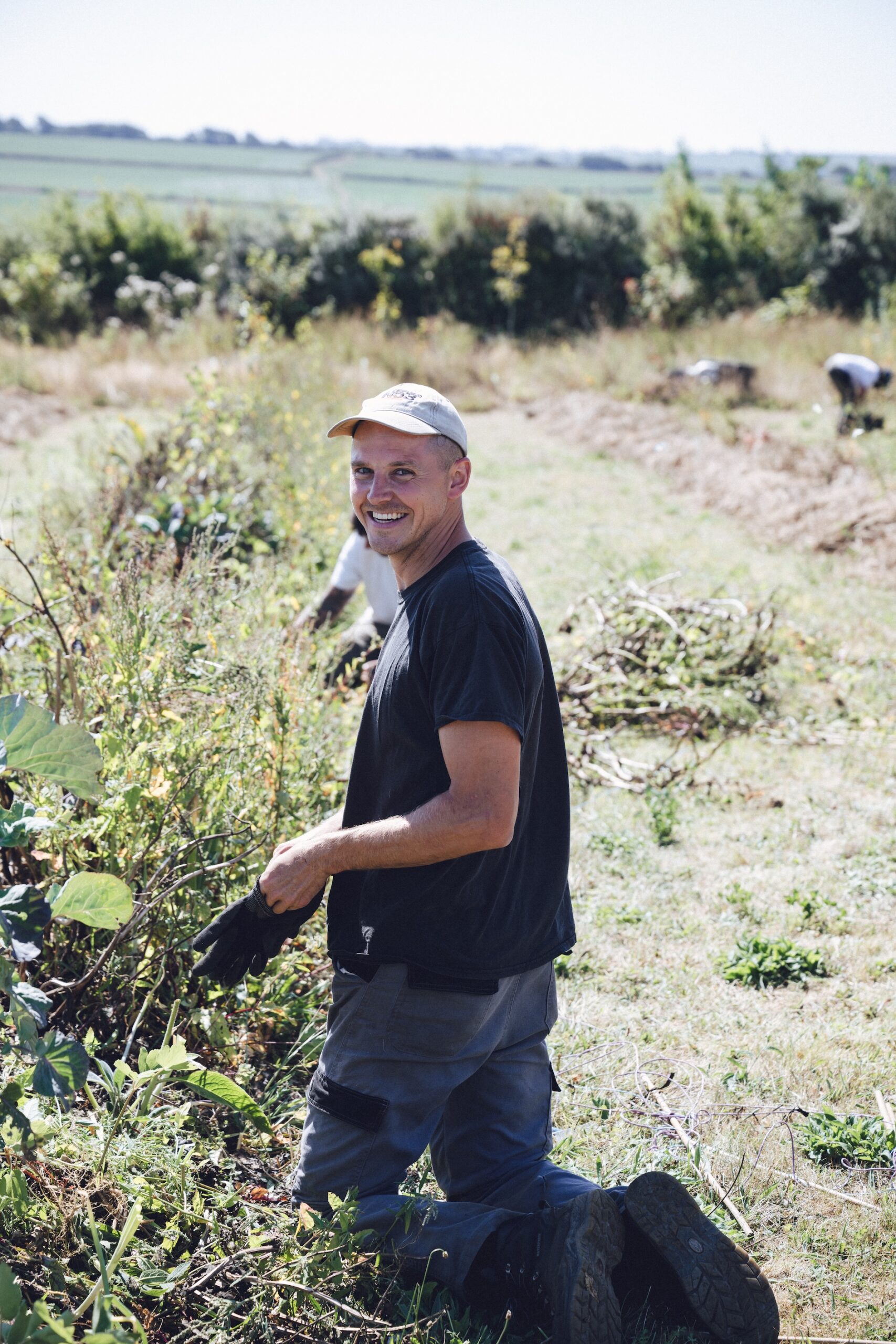
Remarkably, over 25 years ago the prison system was largely self-sufficient in food produced in UK through its own prison farms. They produced milk, pork, bacon, and eggs, making a significant profit in doing so, however, the vast majority of the farm estate has now been sold off. Yet some prison farms do exist, while others prisons still have old Victorian walled gardens, greenhouses and kitchen gardens.
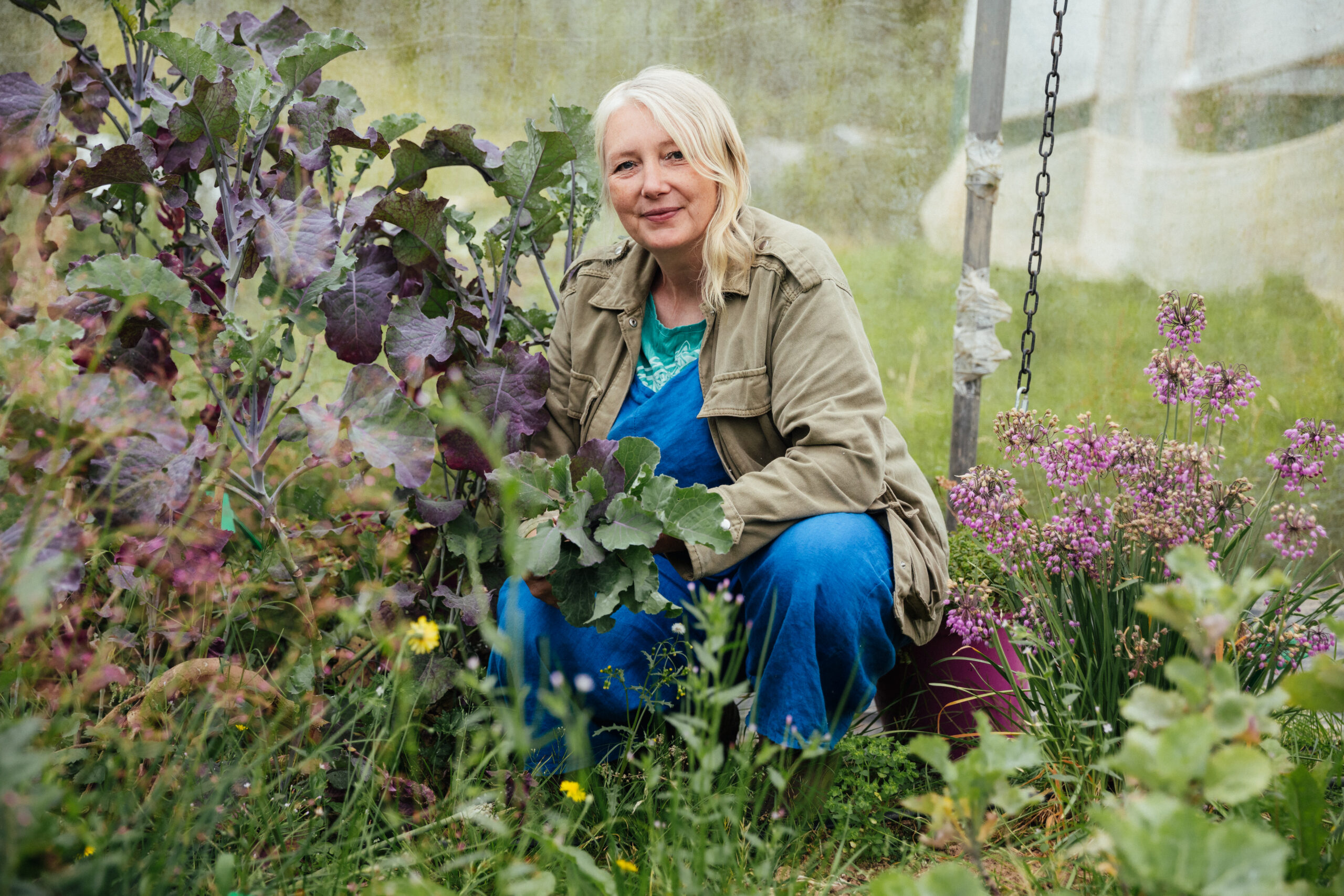
Food Behind Bars has now received a new £300,000 grant to help restore the prison garden at a prison in Buckinghamshire, which will be used to provide fresh produce. The charity will also teach inmates how to cook and grow food.
Things are also beginning to change. The Labour government has published its Food in Prisons Policy Framework, which came into effect in February. This sets out new standards on prison food. Institutions are now expected to provide at least five portions of fruit and veg a day, reduce access to unhealthy and ultra-processed foods, and boost the consumption of pulses and beans.
The framework underscores the importance of food for physical health, mental wellbeing and social connection in prisons. All menus must also be nutritionally analysed. Prisons are also now asked to include “options, where possible, involving sustainable, British and locally-produced ingredients.”
“I would like to say that we’ve been able to quietly influence policy. There used to be very few mandatory requirements for catering teams to follow around nutrition and now there are a lot. Our main focus at the moment, is supporting catering teams to deliver on this. I feel as though we’ve achieved a lot in the last five years, but we’re also just getting started. I love working in prisons. There is so much opportunity for change,” concludes Lucy enthusiastically.





I remember an edition of “secret millionaire” when an ex-offender millionaire went in to prisons to see how many had libraries. Hardly any. We are lucky in Devon as we have “Groundworks”, a charity set up to give prisoners a trade when they leave prison. Re-offending is minimal as a result. Non-re-offending must surely be a primary aim of prison and if a good diet leads to this, as does a library to re-educate and a trade to provide an income, then in the long run less prisoners means less money spent on prisoners, currently running at £53, 801 per annum in the UK. Keep up the good work……