
The sky is clouded, there’s no moon in sight, and the woods are dark; the last lantern has been ritually extinguished. I am among a small group of people walking quietly through coppiced Sussex woodland. Earlier in the afternoon, before dusk fell, the trees thrummed and trilled with lively birdsong. Great tit, wren, chiffchaff, robin, a couple of ducks flying home to their nest and newly laid eggs, the occasional noisy startle of a pheasant, and thrillingly, the first clockwork call of a cuckoo.
Now it’s late; night is well set in, and our path is lit by milky starlight, and the occasional faraway flash of a low plane coming in to land at nearby Gatwick Airport. The only sounds are the industrious rustles of small nighttime creatures, and the soft, slow sound of our footsteps. Otherwise the woods are silent; we do not talk.
There is only one bird now that every ear in our group strains to hear. And as we make our way through the woods, it begins to filter through the trees – the plaintive, silvery sound of a nightingale.
I’ve come to the woods with Singing With Nightingales, a series of events founded by musician and environmental activist, Sam Lee. Is it a performance? Of sorts. An ecological guided tour? In some ways. A spell? Almost certainly. But really, it defies categorisation.
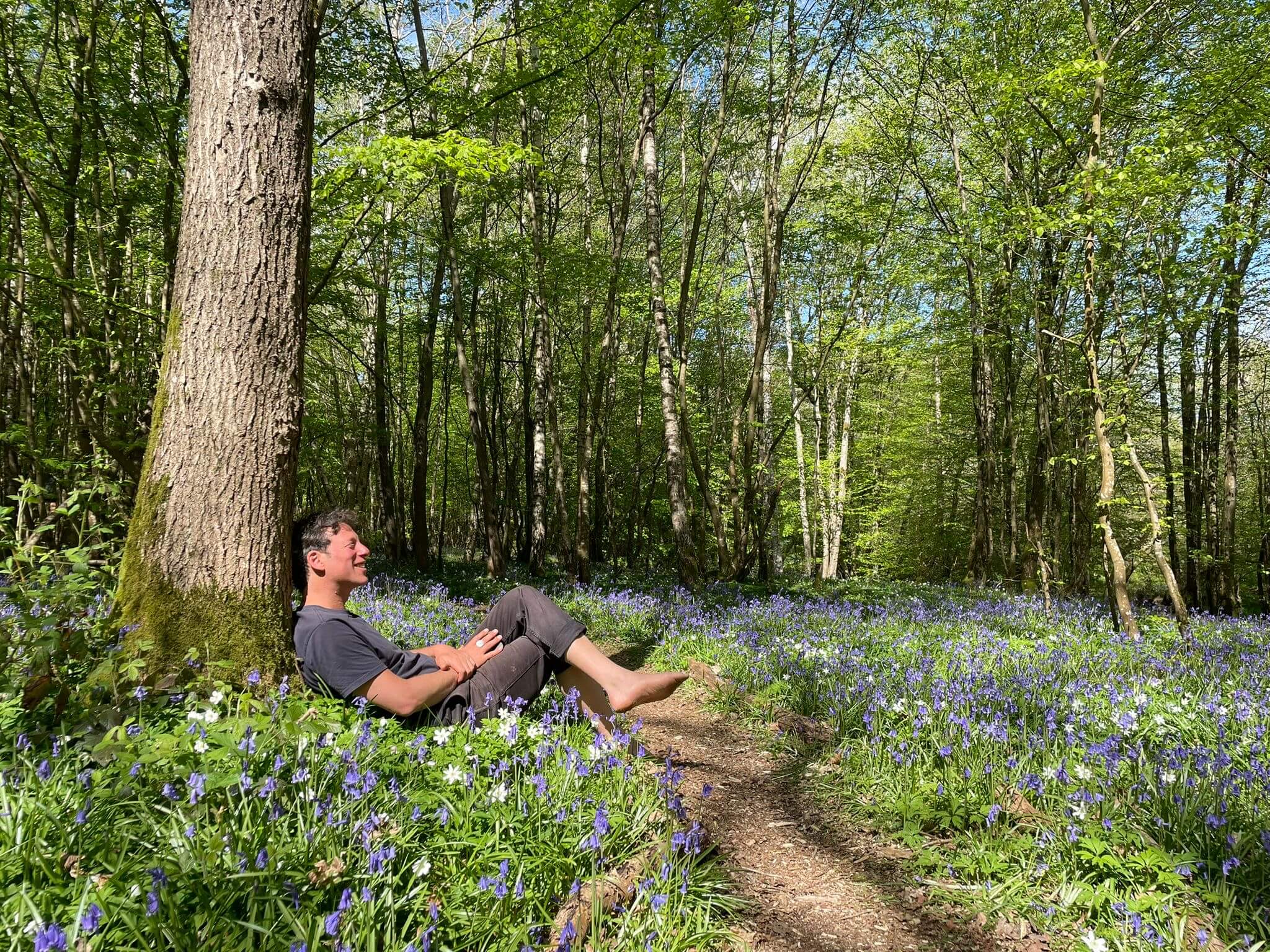
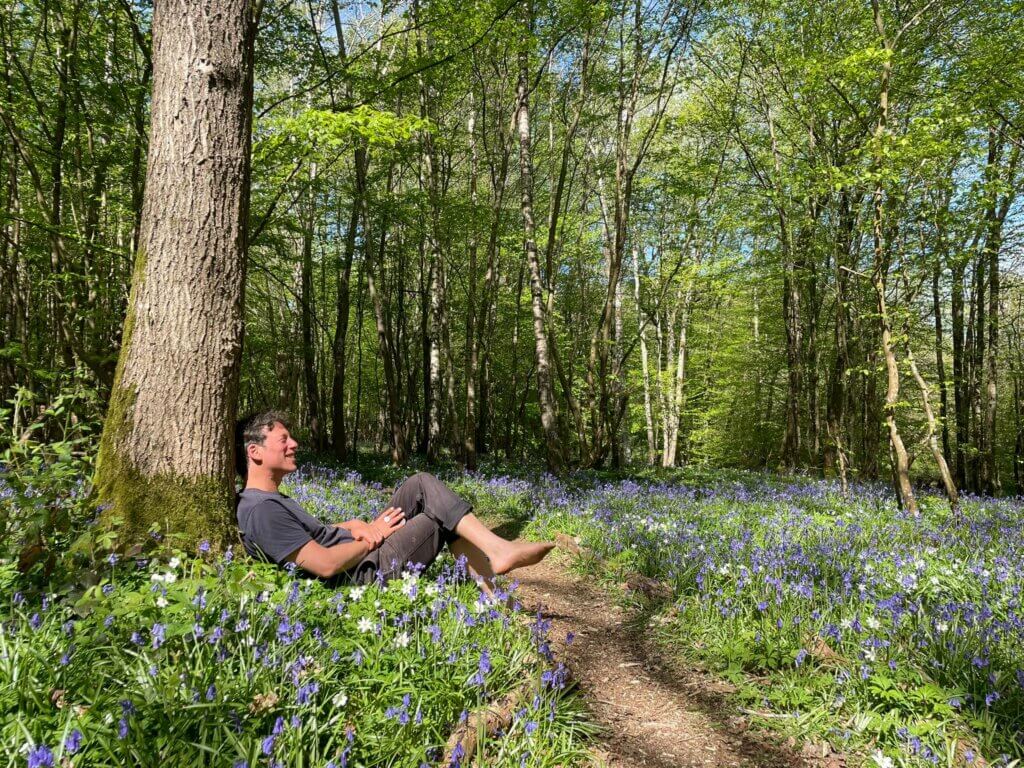
“A collaborative musical experience between nature and humans, that dissolves that separation” is how Sam describes them. “It’s a way of honouring that ancient kinship that we have had, as creative beings and as wild beings, but also about how much the musicality and the inspiration of nature has influenced us.”
The events see small groups of people gather in a secret woodland location, sharing food and stories around the campfire, while learning more about the nightingale, its habitat (which is under ever-increasing threat) and its unique place in art, story and culture. Then they walk out in the dark to listen to the avian virtuoso, accompanied by musicians of the human variety from various corners of the globe.
Because perhaps the most beautiful, fascinating thing about the nightingale, is its ability to duet with human voices and instruments. The nightingale never sings the same song twice, and it will adjust its song to meet another’s – a phenomenon captured by the BBC when it famously recorded and broadcast the cellist Beatrice Harrison playing in her garden in 1924, joined by the nightingales who lived in the woods around her. (Although as Sam explains around the campfire, this relationship between musician and bird goes back much further, in culture and folklore from various parts of the world).
And it was while making a Radio 4 documentary to mark the anniversary of Harrison’s famous duet that Sam discovered for himself the extraordinary musical relationship that the nightingale has the ability to forge.
“We got closer and closer, and we made music,” he explains. “And before I knew it, this bird was joining in and reaching our key, and started to kind of sing back with us. It was such a mind-blowing experience. I thought I was imagining it, or that it somehow wasn’t real. I had to go back and listen to the recording to see if what had happened had actually happened. It wasn’t until afterwards, I realised what a kind of phenomenal moment this was, and what I was rediscovering, which is that musicians had, for millennia, made music with nightingales. It was a broken tradition that I was stepping back into.”
This evening is a little different to the usual Singing with Nightingales format. There is no guest musician, instead we are the ones who will be raising our voices to meet that of the nightingale. In the darkness of the field that lies over a carefully-navigated stile, we settle, and sit, wrapped snugly in blankets. Some lie on the dew-damp grass, beneath the blackthorn bush in which the nightingale perches, singing its heart out, astonishingly loud.
The song of the nightingale is a peculiar thing. As heartstoppingly beautiful as its reputation, it is curiously mirthful too; teasing, and mercurial. One moment it seems to sob plaintively, before pealing off in silvery laughter; at times it sounds chiding, before once more trickling into liquid giggles. It’s hard to believe it’s a small, brown bird in there, and not some kind of fairy, muddling and dazzling, as well as beguiling us.

Sam plays a note, and the bird pauses, for an instant, before sounding out its own sweet return. We sit, in the dark, guided by Sam, as we make our own music, in tender, scarcely-believing company with the little bird, who for its part seems entirely unfazed by our presence, fluting out lustily. It’s an experience to crack you open and wrap itself around your heart.
There’s an ache though. The nightingale, which occupies such a vivid and romantic place in our collective imagination, is under threat in the UK. While it flits through our folklore, fairytales and fables, in reality, its numbers are now extremely low. Its song may be lavish, but its home is as humble as its dull, brown appearance – it favours scrubby, dense habitat, like the blackthorn bush we sit beneath, which it needs for both nesting and concealment. All of that is in decline. The statistics are stark – between 1967 and 2022 the once common nightingale’s population has declined by 90%, and it has been on the Red List of endangered species since 2015. While it used to be widespread across the south and east of England, it has now vanished from much of it.
In the UK, there are several reasons for this – deer being a major one. With their populations rising, they favour the exact same scrubby woodland as food source that the nightingale requires as habitat. While the food we enjoy with Singing with Nightingales is largely vegan, they also cook venison over the fire, to bring to life the issue of deer overpopulation. Eating more wild venison is one way we can make a dent in ever-swelling, destructive deer populations.
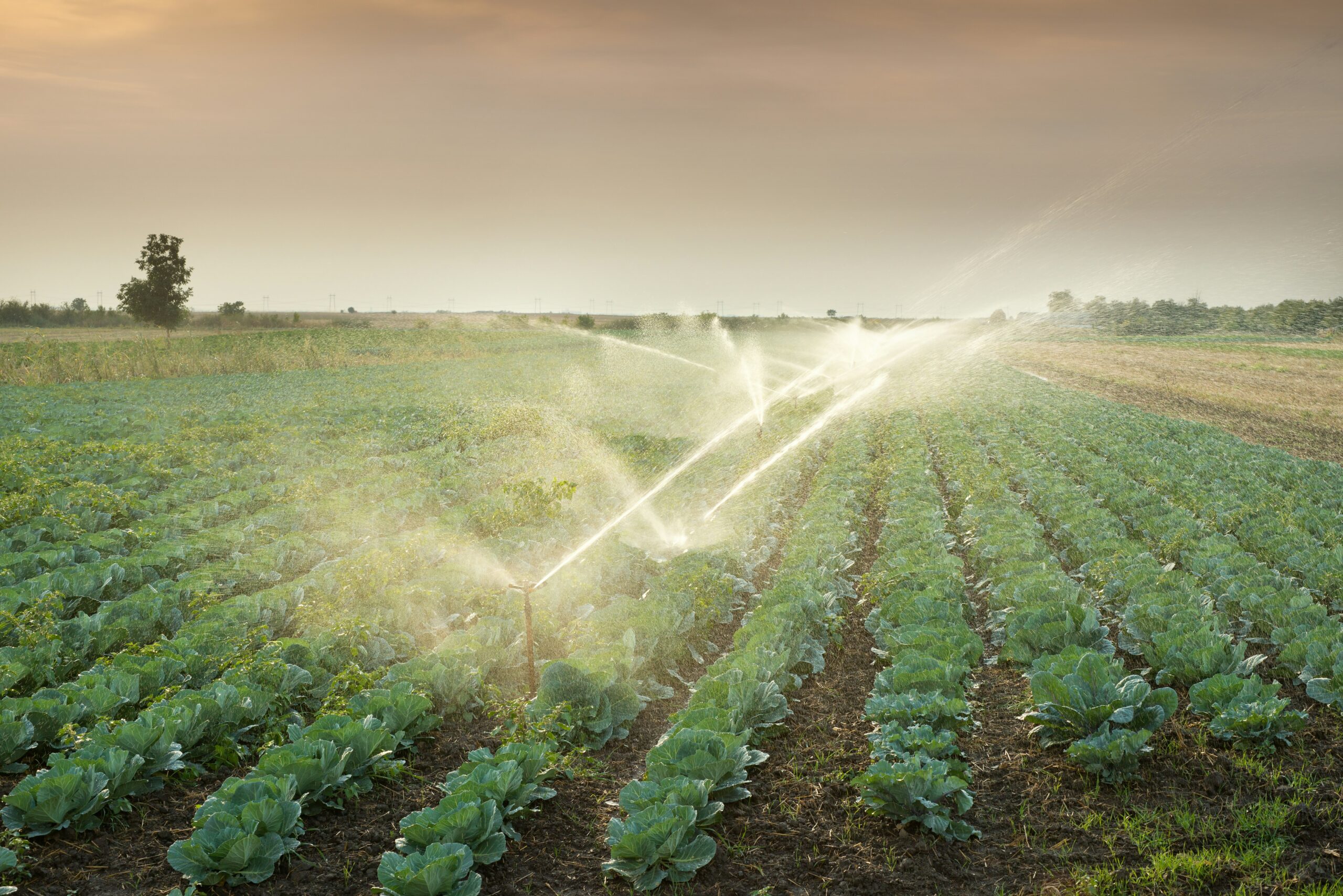
Development of what was formerly farmland, and loss of the extensive, high and healthy hedgerows that once divided up farmland, replaced by the wide, open fields that support our intensive, high-yield, industrial farming systems have had an impact too. Another hallmark of intensive farming, the high levels of pesticides sprayed, means that food, in the form of insects, is also scarce for nightingales across many of their former sites.
And then there’s the pressure on their winter haunts – migratory birds, the nightingale will travel to parts of Africa during the winter – and many of its winter locations are badly affected by climate change, with drought impacting habitat loss at that end of their journey too. The challenges the nightingale faces are many.
Is there hope for the nightingale on these shores? Perhaps. “I know nature is incredibly robust,” says Sam. “Some species will find immense opportunity in the changes that are going to happen. I worry that nightingales are very sensitive because they’re a migratory bird, and I don’t know what will happen with shifts in climate and weather patterns and temperature rises. What I have hope for is that their legitimacy and their sense of identity will grow, and that they might become, like many other birds, a kind of poster child for the environmental protection movement.”
Perhaps the greatest hope lies in the connection that Sam and his team seek to foster, between people and the natural world. After all, it’s humans who have brought us to where we are, and it’s humans who have the ability to make positive changes too.
“I hope that people come away with a sense of empowerment, of sense of purpose, of belonging, and remembering that we are part of an ancient line of nature-infused, nature-inspired humans, and that our ancestors were all absolute masters at this,” says Sam.
“There is a need to activate those capacities, those abilities that we have, to remind us what an incredible species we are, and that we are not destructive, horrid, things that shouldn’t be on the planet, but immensely important parts of the ecosystem. And that we have that capacity to enact those skills, those behaviours, and those stewardships and those responsibilities.”
Tickets are now limited for their final events of the season, but to book, visit: Tickets — Singing with Nightingales

I whistle to a blackbird that sings at the top of a hazel bush in my garden. He looks down at me and whistles back. The exchange goes on for a few minutes and then he flies away as I’m not sure he enjoy this as much as I do. I’m pleased to hear that the vegans are eating venison. I’ve nothing against vegans. I’ve quite a lot against Deer.