

The chief executive of School Food Matters vividly recalls how the penny dropped when she took her children to their first day at primary school. “When I walked in, the office manager said to me, ‘sorry about the smell, that’s the lunch.’ There was this tacit acceptance that state school food would be terrible, so never mind,” explains Stephanie Slater.
She continues: “So I thought, I can try and fix this. In six months I will get it sorted – that was two decades ago. Today, it’s still a work in progress. But we are gaining ground! It was back in 2007 on the start of this journey when I was especially motivated after seeing a school boy holding a tray of slop masquerading as food. It was so awful. I knew we could do better.”
School meals really do matter, partly because the rates of food insecurity among British children has a reputation of being amongst the worst in Europe. Only five years ago, UNICEF, the UN children’s body, stepped in to fund a programme in Plymouth to alleviate child poverty. Over one in four children, at least 3.9 million, still live in households without reliable access to food each month.
The consequences of this appalling statistic for the nation’s young will be profound and enduring. A lack of nutritious food affects children’s physical health, emotional wellbeing, as well as cognitive and social development, not to mention academic performance.
More than a third of teachers surveyed have said that pupils were too hungry to learn, jumping to 63 per cent in deprived areas. This is where a good lunchtime meal is vital and this is what School Food Matters has been focused on over the last 18 years.
“What keeps me up at night is when I see health inequality in the localities that we serve. Communities who aren’t able to support children with good food makes no sense to me, especially in a school environment where you’ve got 190 opportunities every year – the days that kids are in school – to feed them well. It frustrates me when I see poor practice.”
Despite these comments, Stephanie is a motivated optimist. It can be seen in the energy and work of the charity she founded 18 years ago, which has now moved beyond improving school meals to delivering fully funded food education programmes, focusing on growing vegetables, hands-on cooking for pupils, as well as creating food enterprises, from Hertfordshire to Cumbria.
To date, the organisation has reached 300,000 children in 14 English cities. The charity now employs more than 20 staff and has 24 project officers across the country. The aim is to nurture children’s relationship with food. Slater’s tireless work saw her awarded an MBE last year for services to children.
Momentum to serve up change
The momentum for change, sparked by School Food Matters and others, is beginning to infect Westminster, since Labour is keen to tackle child poverty and promote the ‘healthiest generation of children ever.’ The government is now revising school food standards, so they align with the latest nutritional guidelines, alongside better monitoring.
It is also extending the eligibility for free school meals to all children from families on Universal Credit. This could mean an additional 500,000 children will get fed at school for free. It’s a policy shift that has long been fought for by School Food Matters.
However – one thing that Stephanie is clear on is that we should be offering meals to every child regardless of their background, and that a two-tier system in schools isn’t the way forwards. For instance, neither hospital nor prison food is means tested.
There is now a campaign to change this – where all children in England would have access to free school meals. This is already progressing in Wales and Scotland, as well as in five local councils in England. This comes at a time when school food provision has become more costly.
“Funding is a big issue at the moment because food prices have gone through the roof, and the allowance for free school meals hasn’t kept pace with food inflation. Then there is the rise in National Insurance contributions for employing staff. It means that the cost of producing a school meal has gone up,” states the chief executive of School Food Matters.
She adds: “However, what we don’t want is the rollout of an additional half a million crap school meals because of cutbacks.”
A report by School Food Matters has found that there is a shortfall between what a school needs in order to guarantee nutritious and sustainable school meals, and what the government actually funds. By investing 63p more per meal, this could provide significant benefits to children and also provide greater stability for food provision.
A shift to health inequalities
Certainly, the priorities for school meals have shifted – addressing UK health inequalities is now a real priority for the Labour Government. Research shows that the provision of universal free school meals leads to a reduction in inequalities and boosts the proportion of children within a healthy weight range, according to the University of Essex.
“When we first started it was all about the quality of food. But today we can’t have conversations about this or higher welfare food products when children are going hungry. It’s a really difficult thing to navigate. We’ve had to shift our focus from organic and sustainable food, which we love and think should happen, and we try and get it into schools wherever we can, but right now we have a critical problem with children not getting enough to eat, or the right food to support their health,” details Slater.
She continues: “With food inflation in mind these days it’s all about getting more creative with menus and bringing in lentils, beans and pulses, as well as reducing meat consumption, which can be more expensive.”
Listening to Stephanie you also realise the importance of education and recalibrating people’s relationships with food within the school setting, whether this involves teaching heads, governors, teaching assistants, chefs, or the children themselves.
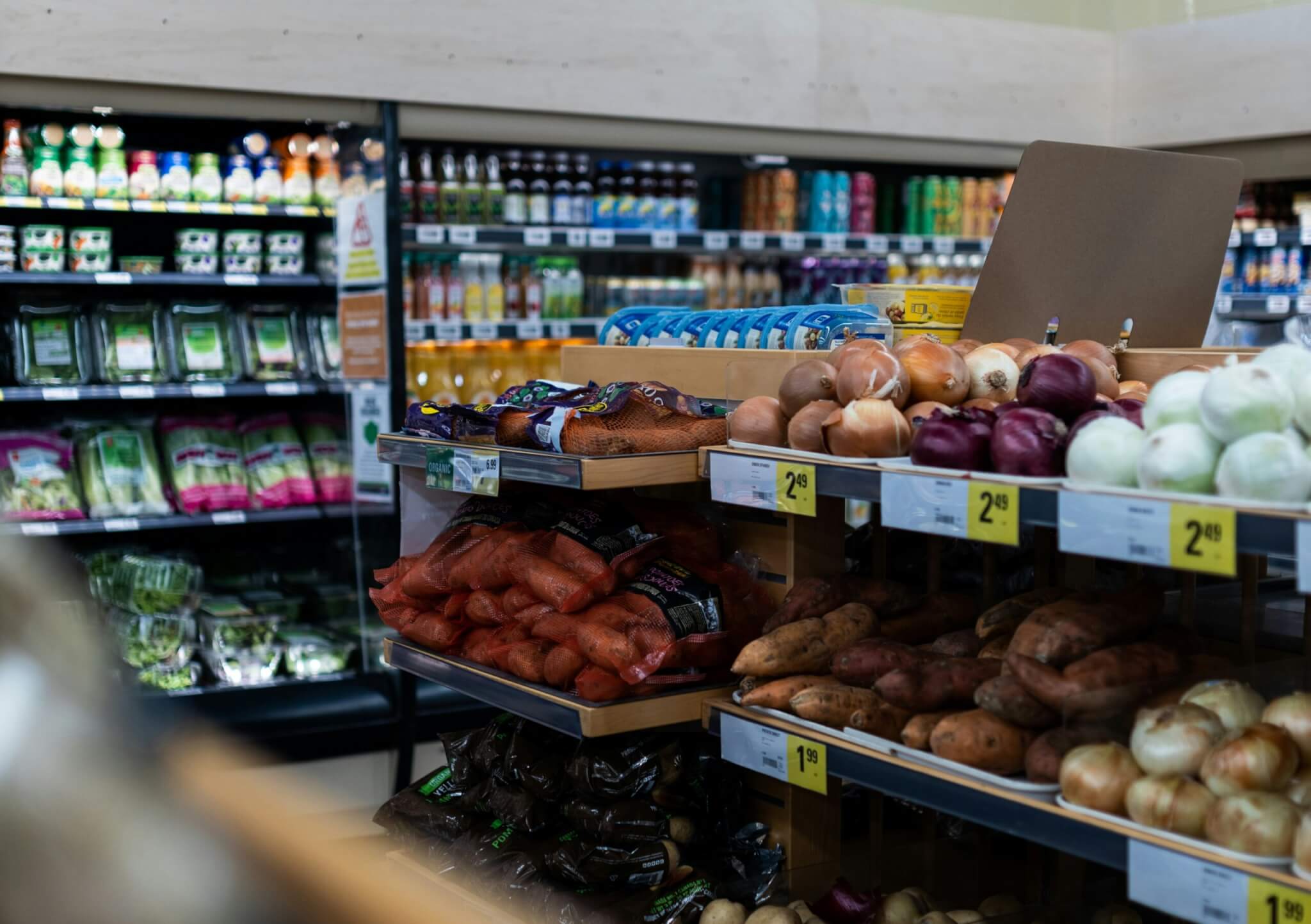
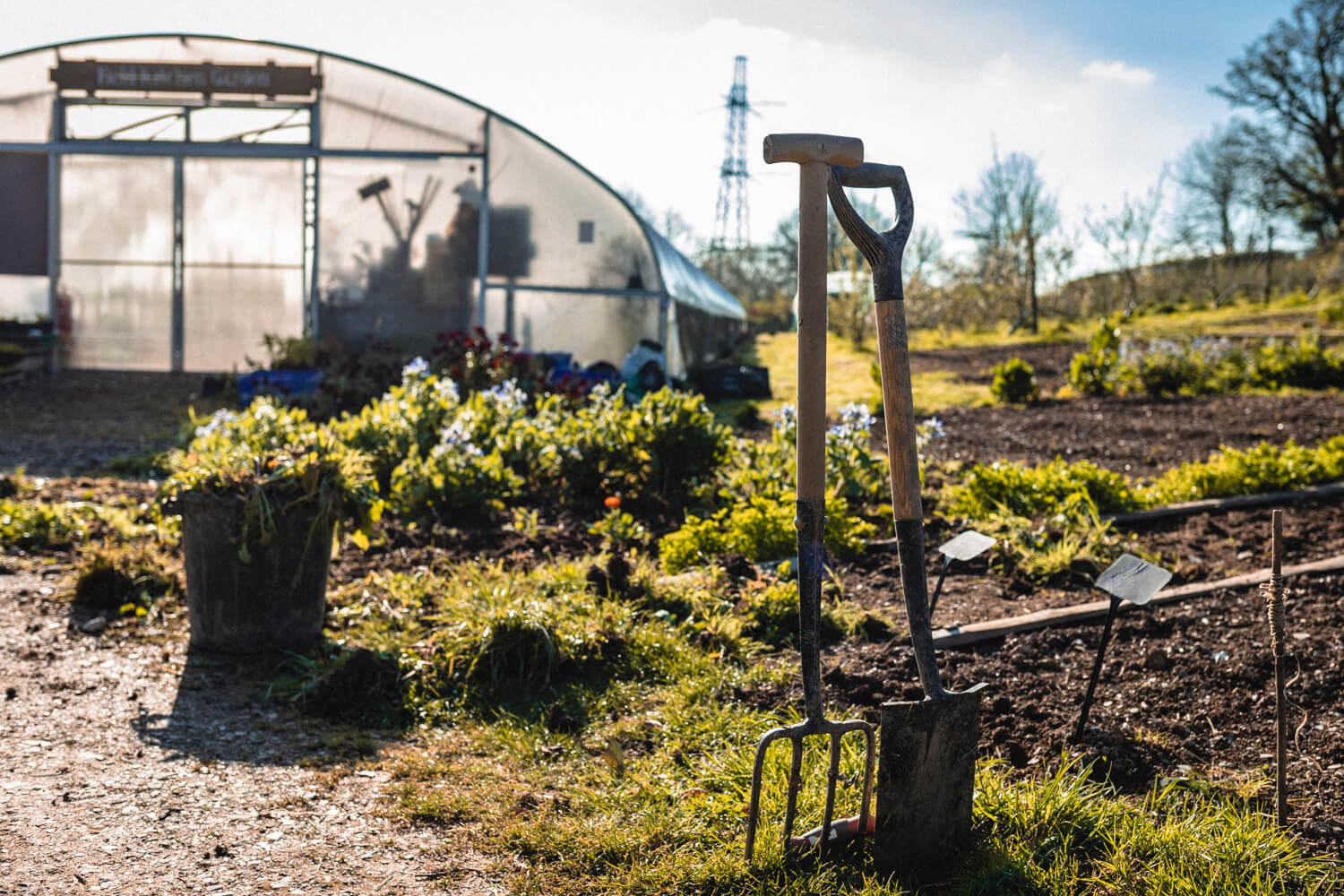
“Think house points not Haribo when it comes to rewarding children. It is healthier, and sends out the right message,” points out Slater. Growing vegetables in playground planters that pupils then sell at local markets, through the Young Marketeers programme is another way the charity is helping kids understand that food begins in the soil, not on a supermarket shelf.
Over many years, School Food Matters has developed an extensive toolkit based on a deep understanding of food provision. This can now be used to empower schools, communities, kitchens, and classrooms to foster a better relationship with the food they serve, cook and grow.
“What we want to do is share our learnings with local authorities and academies across England and for them to be inspired. We would like to train more people to roll out programmes where nutritious food is prioritised. This is our cascade model of delivery. We know that boots on the ground in schools is effective, but we also want something that’s scaleable across the country,” details Slater, who is also the co-chair of the School Food Plan Alliance, a coalition focused on improving school food.
Speaking to Stephanie, you realise that she’s a details person. This is crucial when tackling some of the real nitty gritty issues, especially around public procurement of food. Education programmes can only go so far – a better food culture in schools must also be reflected in what’s served up each day.
“It’s all about better contract management. It’s our biggest issue. It’s not sexy stuff. But schools need to know when and how they can challenge if their caterer or suppliers are not delivering,” states Slater.
“The biggest thing you also have to have is optimism and tenacity! I’ve got bags of it,” she concludes with a smile.






0 Comments