

Over half of children’s playgrounds tested in England were found to be contaminated with glyphosate, leading to fresh calls to ban the use of herbicides and pesticides in public spaces.
Most children are curious; many are grubby. They put dirt in their mouths and get up close to soil, sandpits and weeds with their hands and faces, especially in playgrounds and parks across the country. They touch and brush against slides, swings and play equipment as they enjoy time outdoors — and then put their fingers into their mouths without a second thought. But there is a silent, odourless and unseen toxin potentially lurking on all these surfaces: glyphosate and glyphosate-based herbicides (GBHs).
The world’s most widely used herbicide has contaminated environments that are meant to be among the safest — the places where children play. Glyphosate residues and its toxic breakdown product, AMPA (aminomethylphosphonic acid), were found in eight of the 13 playgrounds tested, from Cambridgeshire to London and from Kent to Buckinghamshire, according to new research by the Pesticide Action Network (PAN).
None of the playgrounds were located close to farmers’ fields, indicating that the contamination came from herbicide use by councils or local authorities to control weeds in public playgrounds for cosmetic purposes. Hackney was the only location where glyphosate was not detected. This London borough went pesticide-free in all its parks more than four years ago.
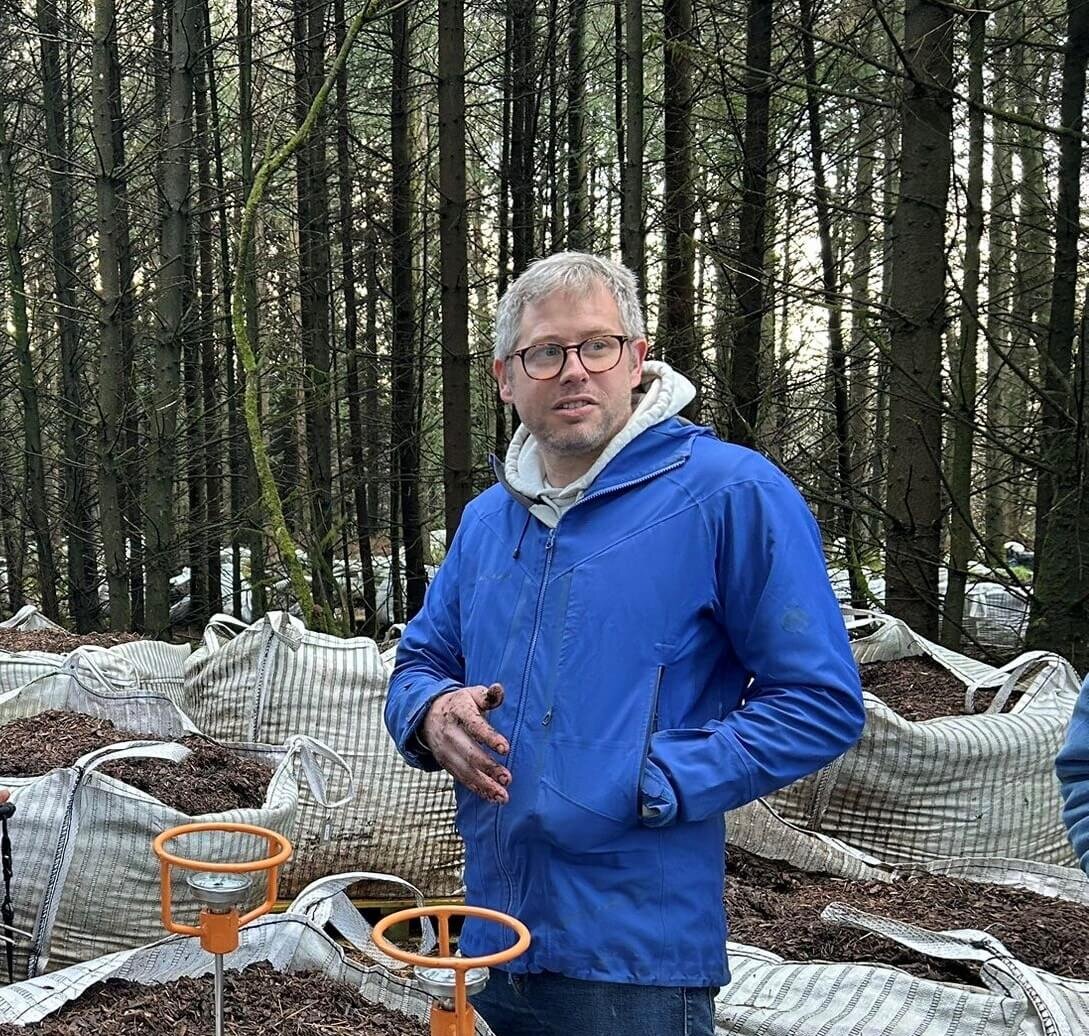
“These are places where children should be having a healthy time. There is absolutely no need for them to be exposed to this harmful chemical,” says Nick Mole, policy officer at PAN UK. “This study is indicative of a wider problem across the UK. Glyphosate contamination in children’s playgrounds is likely to be fairly common. Many kids could be literally playing with poison.”

He continues: “We are now calling for every playground in the UK to be pesticide-free.”
Although the sample size was small, PAN believes the scale of glyphosate use in playgrounds is vast. Last year, a Freedom of Information request sent to 368 councils across the country found that 73 per cent still use pesticides in parks and green spaces, with at least 354 tonnes of glyphosate applied by local authorities. This is equivalent to the weight of 23 double-decker buses.
“Our studies have shown that exposure to glyphosate is a significant risk factor for the development of a range of serious health conditions, including fatty liver disease, kidney disease and, most worryingly, a wide range of cancers, including leukaemias,” says Professor Michael Antoniou, Professor of Molecular Genetics and Toxicology at King’s College London.
He adds: “The assertion by government regulators that glyphosate is ‘safe’ does not stand up to the latest scientific scrutiny, which shows that a ‘safe’ dose of glyphosate is, at present, unknown. All efforts should be made to reduce glyphosate use in both agricultural and urban settings, and to eliminate unnecessary routes of exposure, especially for children.”
Compared with adults, children are particularly susceptible to pesticide absorption. Their skin is more permeable, they inhale more air and absorb more moisture, and they are less able to detoxify harmful substances. Exposure to pesticides during critical periods of brain and body development can also have long-term health effects.
Playing with poison
The study also found residues of four other pesticides at the playgrounds tested by PAN UK, including two highly hazardous substances — carbendazim and benomyl — both of which have been banned in the UK for a number of years. It is unclear where they originated, but they were detected at a playground closer to farmland. Their presence could be due to illegal use by maintenance teams controlling weeds in public spaces, or spraying by nearby farmers.
“The best course of action is to stop pesticide applications immediately in playgrounds,” says Mole. “There is no justification for using this herbicide, and there are safer, viable alternatives for weed control.”
Pesticide-free alternatives are already widely used in other countries and include hot foam, steam or flame treatments. Acetic acid can also be deployed, alongside manual methods such as hand sweeping, hoeing, steel brushing and mulching. These approaches can be combined with programmes that promote biodiversity and accept a degree of ‘weediness’ in parks. However, some options require upfront capital investment.
“There are thousands of examples of towns, cities and villages around the world that manage perfectly well without glyphosate,” says Mole. “It is used primarily because it is cheap. Central government should support cash-strapped local authorities to phase out herbicides by offering interest-free loans to purchase new equipment, if we want a healthy and sustainable future for both people and the environment.”
He adds: “There also needs to be a more joined-up approach. New equipment can be shared between local authorities to reduce costs.”
Happening elsewhere — why not the UK?
Countries including France, Belgium, Denmark, Luxembourg, Bulgaria and the Netherlands have all introduced nationwide bans on pesticide use in public spaces. Most Canadian provinces and some cities in the United States have done the same — and they continue to manage playgrounds effectively.
This stands in stark contrast to the UK, where glyphosate is still widely used. According to PAN UK, glyphosate-based herbicides account for 96 per cent of all pesticide active substances used by local councils. One of the biggest concerns is that there is no clear understanding of the true volumes of this chemical in soils or watercourses across the British Isles.
“That’s because there is no granular monitoring, whether in parks and green spaces or in rural farming areas,” explains Mole. “The Environment Agency and the Health and Safety Executive need to step up. We need to know what is being sprayed into our environment and what we are all being exposed to. We also have no clear data on pesticide use in schools, playing fields and playgrounds. How can you measure what you don’t know?”
He adds: “This study also dispels the myth that glyphosate breaks down almost immediately after application and is therefore safe. We have shown that it persists in the environment — as does its breakdown product, AMPA, which is also toxic.”
Studies have linked AMPA to a range of health problems, including liver disease and liver cancer. For this reason, PAN UK is urging all UK councils to adopt its three-year phase-out plan and join the 50 councils that have already gone pesticide-free.
Campaigners are now calling on the UK, Scottish, Welsh and Northern Irish governments to follow their European counterparts and take action. The UK government is also expected to launch a public consultation on whether to reapprove glyphosate, due to be tabled early this year, with a final decision expected in mid-December 2026. A Private Member’s Bill, led by Siân Berry MP, is also progressing through Parliament to end pesticide use by local councils in England.
“We urge other UK councils to address their pesticide use,” says Alastair Binnie-Lubbock, a councillor in Hackney, London. “While it may seem daunting at first, it’s actually not that difficult. Councils can save money in the long run, and the decision is hugely popular with residents.”
In the meantime, pressure from concerned parents and local communities is likely to remain the main driver of change — particularly as scientific evidence linking glyphosate exposure to increased cancer risk continues to grow. More than ten years ago, the World Health Organization classified glyphosate as ‘probably carcinogenic to humans’. Since then, Bayer — the manufacturer of glyphosate — has paid out more than $10 billion to over 100,000 people who claimed they developed non-Hodgkin’s lymphoma following exposure. A further 60,000 legal claims remain outstanding.
Nick Mole sums it up: “Can you put a price on our children’s health? No. We need to take action now.”
Follow the issue at pan-uk.org





the use of this chemical is no substitute for weeding by hand and physically removing weeds it is not difficult and does not leave a cancerous legacy
I’m raising this with our local council and I suggest all wiki leeks readers do the same. Most parks have local “friends of” groups ours does and we will use that route to campaign for abolition of herbicides
With council’s being so strapped for cash I don’t understand why they spend / waste money on spraying public places with weed killer. Most weeds are simply flowers in the wrong place after all !