
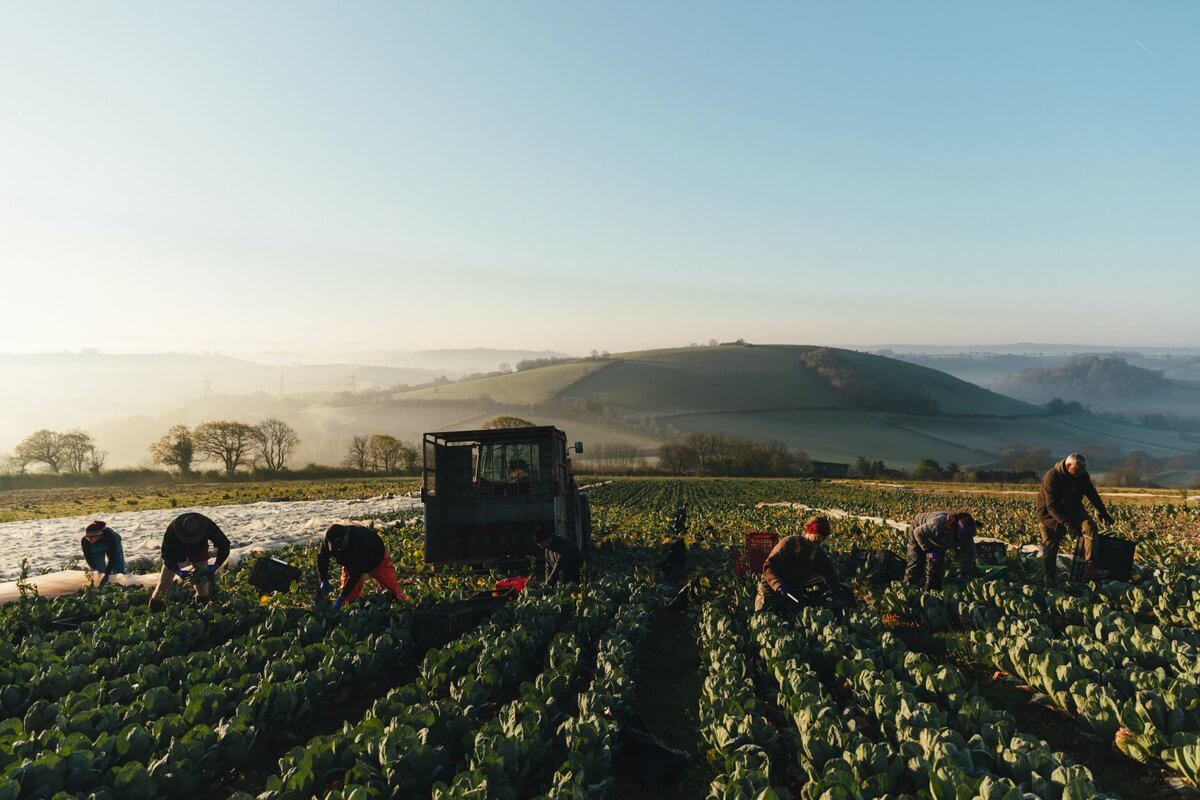
6000 years ago in the UK, our Neolithic ancestors transitioned from hunter-gatherers to farmers – learning from the migrant farmers of the Eastern Mediterranean. As all civilisations have discovered, the challenge facing a settled and growing population is how to maintain the fragile fertility of the soil that supports them. When populations were small and settlements moveable, the predominant practice was shifting cultivation. Settlers would move on after a few years, as fertility and yields ran down, leaving the forest or grassland to regenerate.
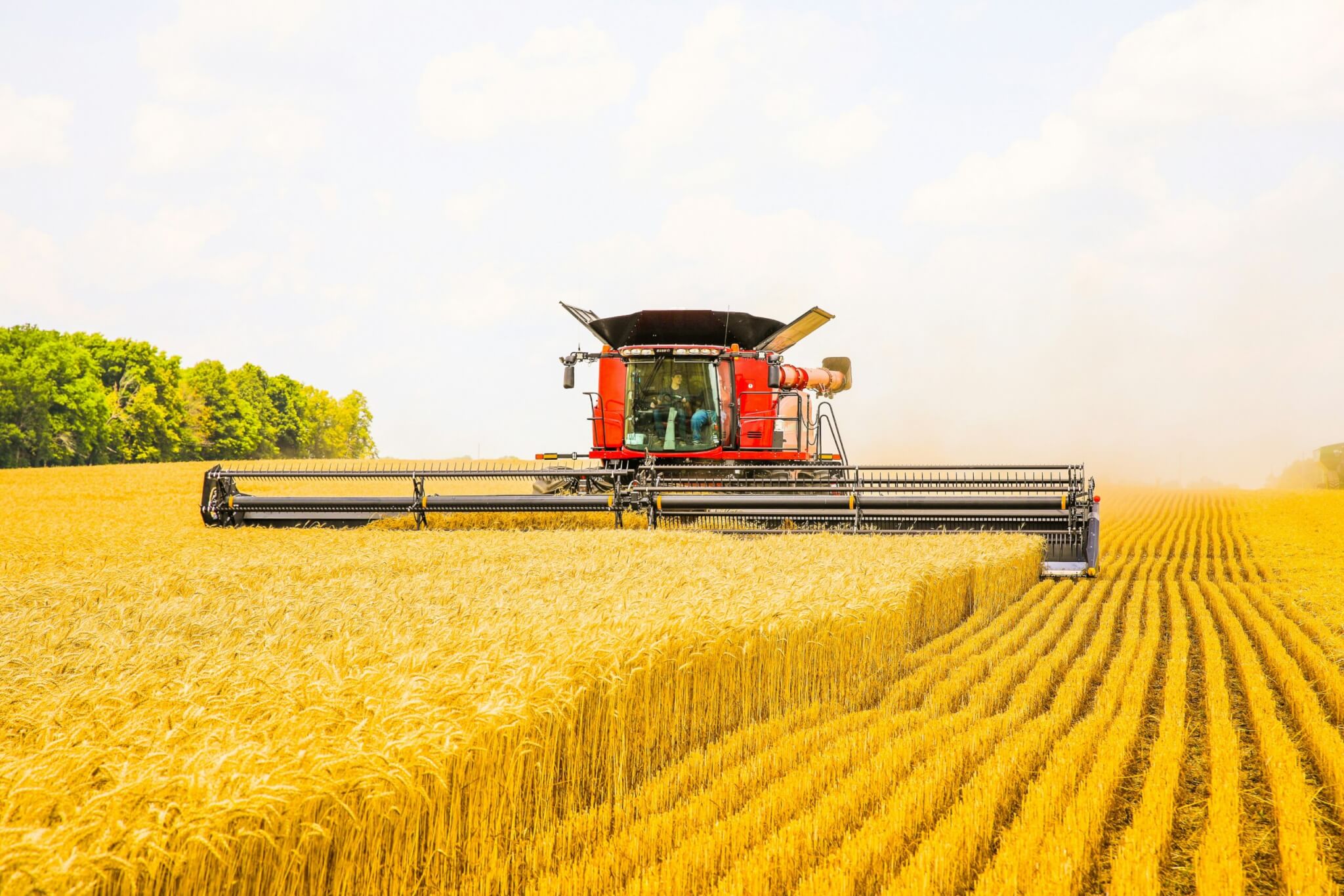
Over millennia, as populations grew and we exhausted the possibility of shifting cultivation, techniques were developed to maintain the fertility of the land. The two-field system of the middle ages was replaced by three-field (both dependent on fallow years), then four-course rotation (using clover, turnips, and livestock manure). Today we have uber intensive, high yielding, but soil destroying, chemical- and fossil-fuel-dependent farming, and an emerging regen movement that may or may not save our soil and civilisation.
But one solution seldom fits all farms. Soil, farm, climate, topography, market, skills, and preferences combine to determine the best farming system. History loves the simplicity of a hero (“Turnip” Townshend, Jethro Tull…) but in reality, farmers have been adapting whatever is in vogue ever since they threshed that first grass seed on the Levant.
When I entered organic farming, 40 years ago, the importance of crop rotation was paramount – to maintain fertility, control disease and weeds, and to maintain a healthy, well balanced soil. 20 years later, I visited a maverick Dutch tomato grower who had abandoned crop rotation. His theory was that by growing tomatoes continuously – returning all plant debris back to the soil, even when diseased – the organisms in the soil would respond with a solution. He went on to become one of the most successful organic growers in the Netherlands.
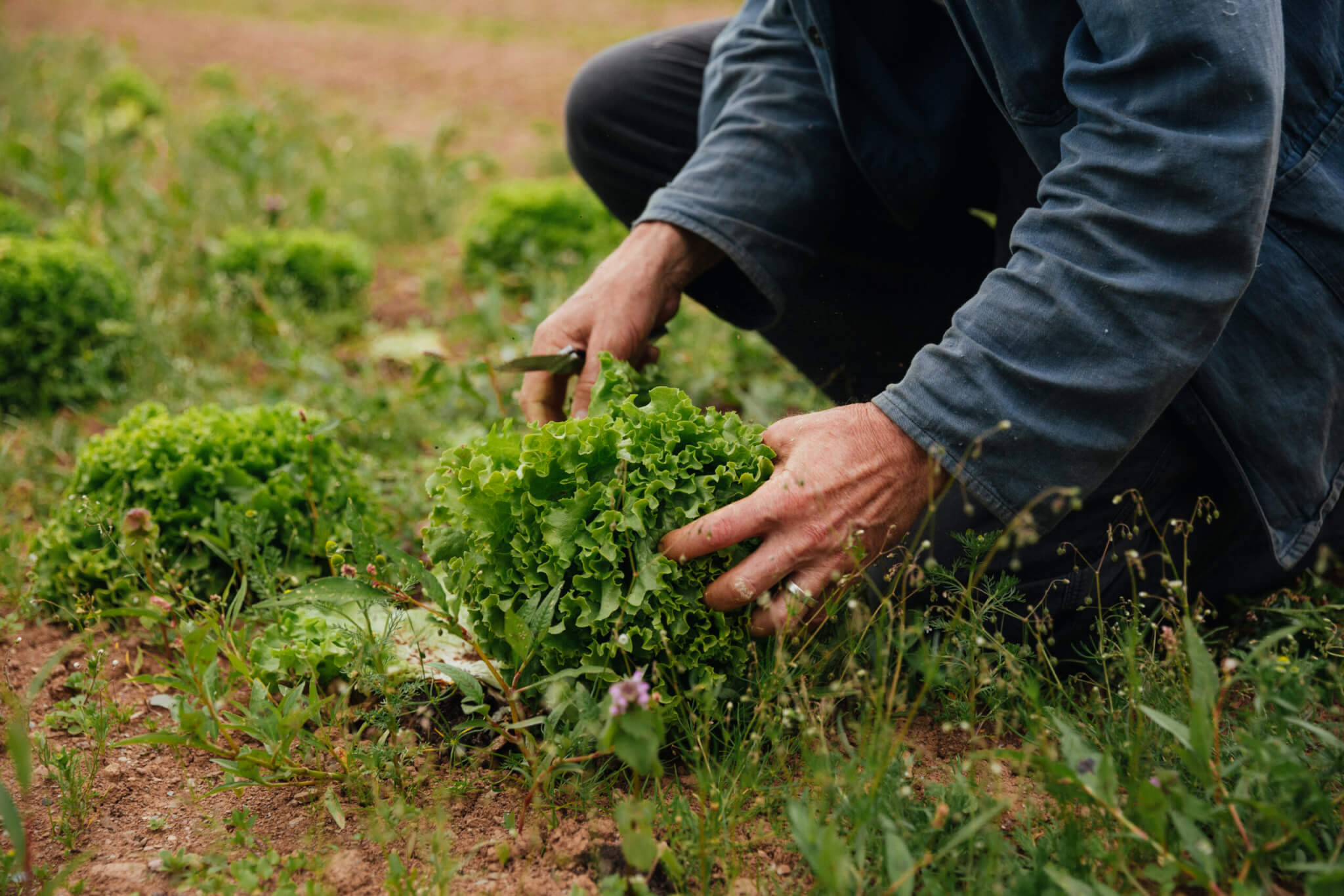
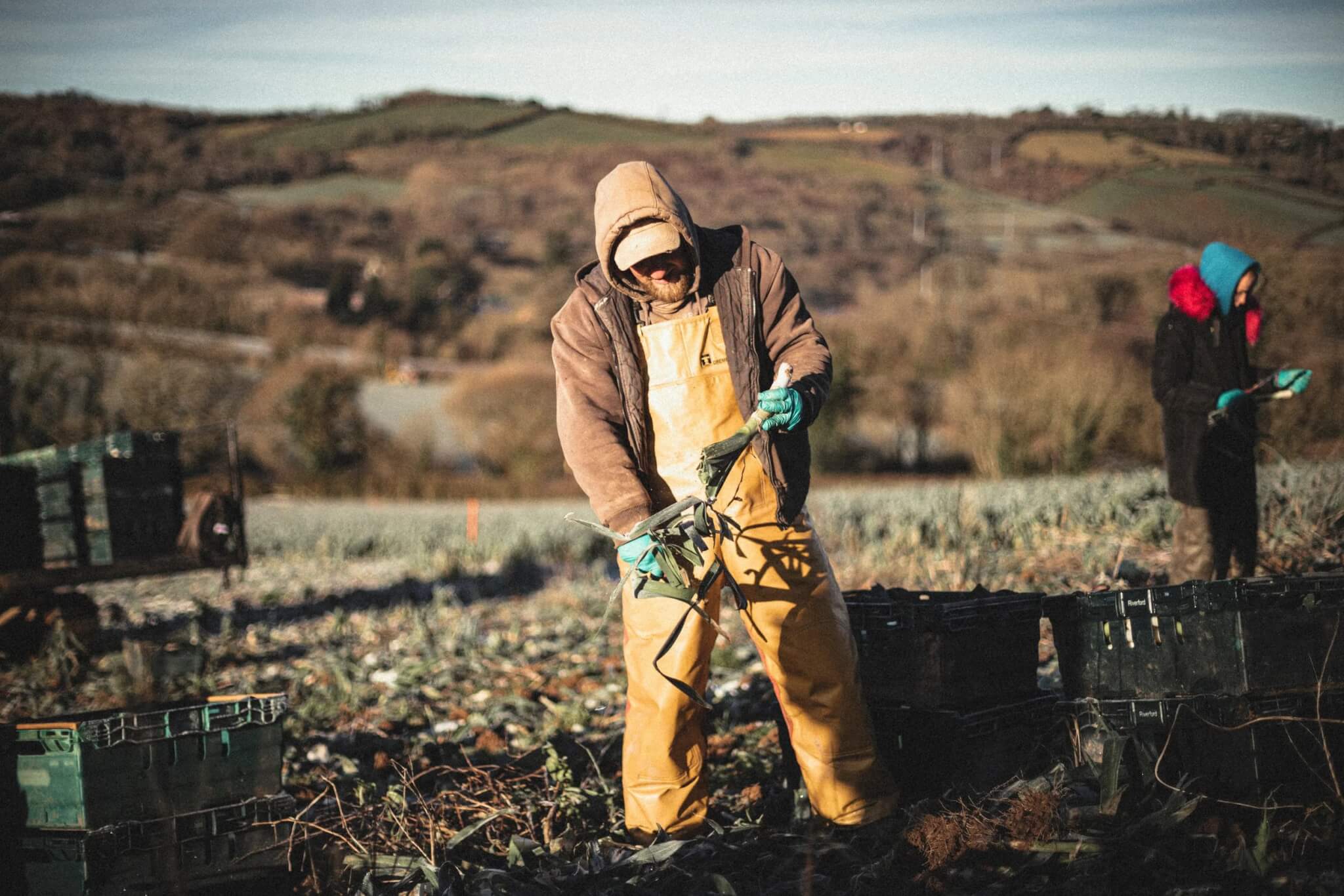
The first field I ploughed at Baddaford has now been in continuous veg for 12 years and the crops keep getting better. The secret seems to be plenty of compost, avoiding heavy machinery, and a focus on perennial crops which require less soil disturbance. The theme emerging from this week’s ramblings
might be: “be wary of dogma” – however articulate the promoter – and to trust in your own observations, learning, and time.
Our News from the Farm posts come from Riverford. They are the digital versions of the printed letters which go out to customers, every week via Riverford’s veg boxes. Guy Singh-Watson’s weekly newsletters connect people to the farm with refreshingly honest accounts of the trials and tribulations of producing organic food, and the occasional rant about farming, ethical and business issues he feels strongly about.


0 Comments