
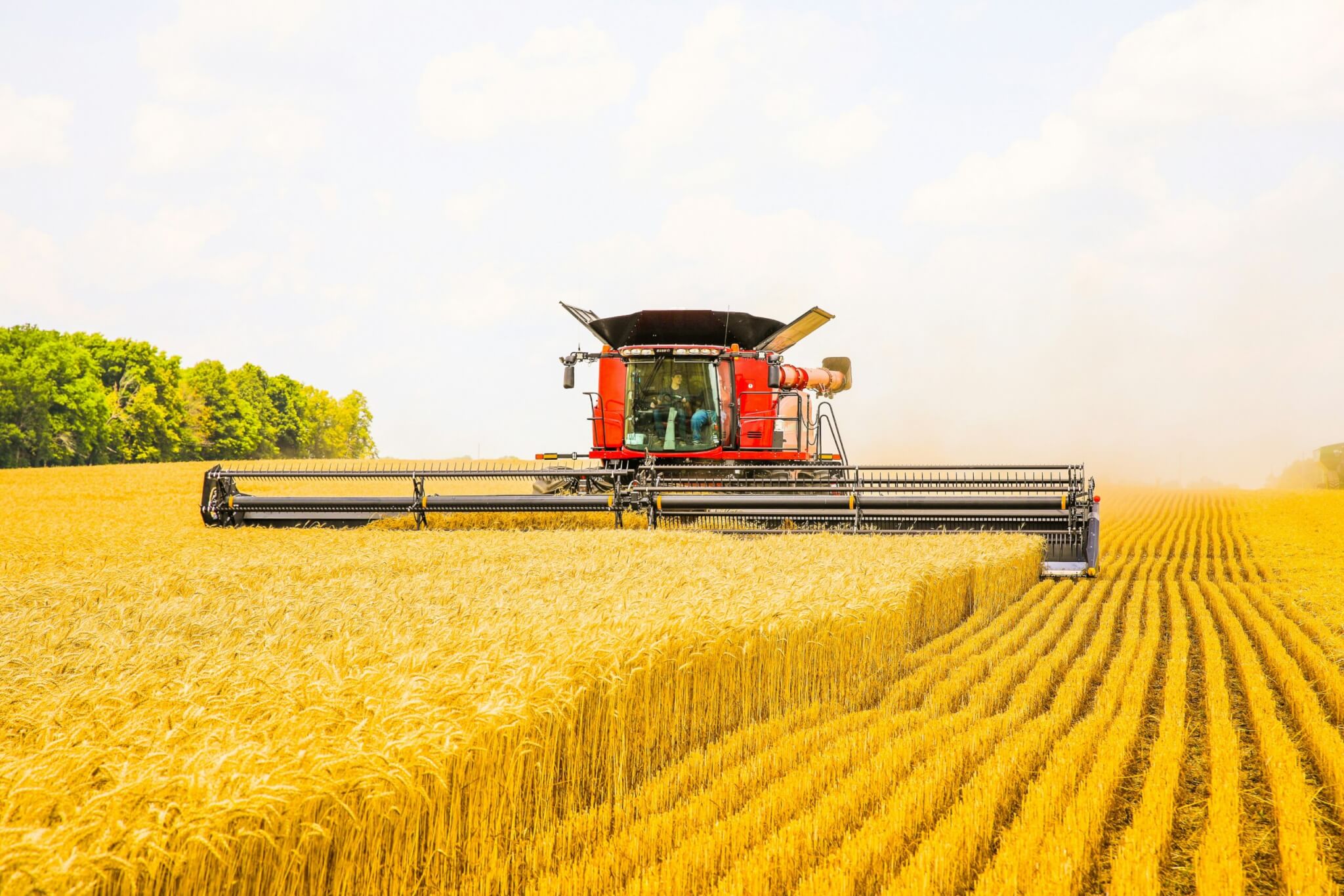
While most of Devon is bright green, an emerging patchwork of fields will turn yellow, then brown, then silver. This is the kiss of death from glyphosate, the “world’s favourite herbicide”. Most agriculture starts by removing any competing vegetation. In this case, the fields need to be cleared to sow maize for cow feed. The choice is normally either to plough, costing around £25 per acre, or to spray with glyphosate, costing around £15 per acre. Some argue that glyphosate kills weeds without disturbing the soil, so is less damaging to the environment – and have even branded no-plough farming, facilitated by glyphosate, as ‘regenerative’. Like all artificial pesticides, glyphosate is banned in organic farming.
At college, I was taught that glyphosate breaks down quickly and harmlessly on soil contact, has zero mammalian toxicity, and is harmless in our waterways. All of this turned out to be untrue. It is sprayed on the oats and wheat that go into our breakfast, the legumes in our dinner and the barley that’s turned into our beer. It’s in our tap water and rain; it’s such a persistent chemical that 28% of bread samples tested by the Pesticide Action Network UK were found to contain high levels of glyphosate, while in the US, it can be found in 80% of urine samples. And we’re using more of it than ever – since 1990, the amount of glyphosate used in UK farming has increased by 1,000%.
Every year, I watch these fields die. What upsets me is that maize likes a loose seedbed, so the fields will likely be ploughed anyway. This begs the question: why spray as well? To add to the madness, much of the land will soon be covered with plastic film, to warm the soil and boost early growth. Since 2021, the EU has only allowed biodegradable film, which breaks down into CO2 and water. But in the UK, most of the film is oxo-degradable, breaking down into microplastics that remain in the soil indefinitely. I’m bemused that such widespread plastic pollution is deemed acceptable, while we congratulate ourselves on banning plastic straws.
My point here is not to demonise farmers, but to plead for a food and farming policy that accounts for environmental and financial costs. Farmers are not philosophers; they must make a living. It’s the government’s job to create the framework, so food production is not achieved at the cost of our planet or the health of its people.
Our News from the Farm posts come from Riverford. They are the digital versions of the printed letters which go out to customers, every week via Riverford’s veg boxes. Guy Singh-Watson’s weekly newsletters connect people to the farm with refreshingly honest accounts of the trials and tribulations of producing organic food, and the occasional rant about farming, ethical and business issues he feels strongly about.


0 Comments