
Last week I wrote, perhaps a little smugly, of the extraordinary resilience of crops and pickers in the face of two, now approaching three, months of double our average rainfall and the resulting waterlogged soils. Though this remains largely true of my own farm with its well-drained, steep fields that do not hold onto the water, no sooner had my words gone to print than I got wind of a very different story from our growers in Devon and Southern Europe.
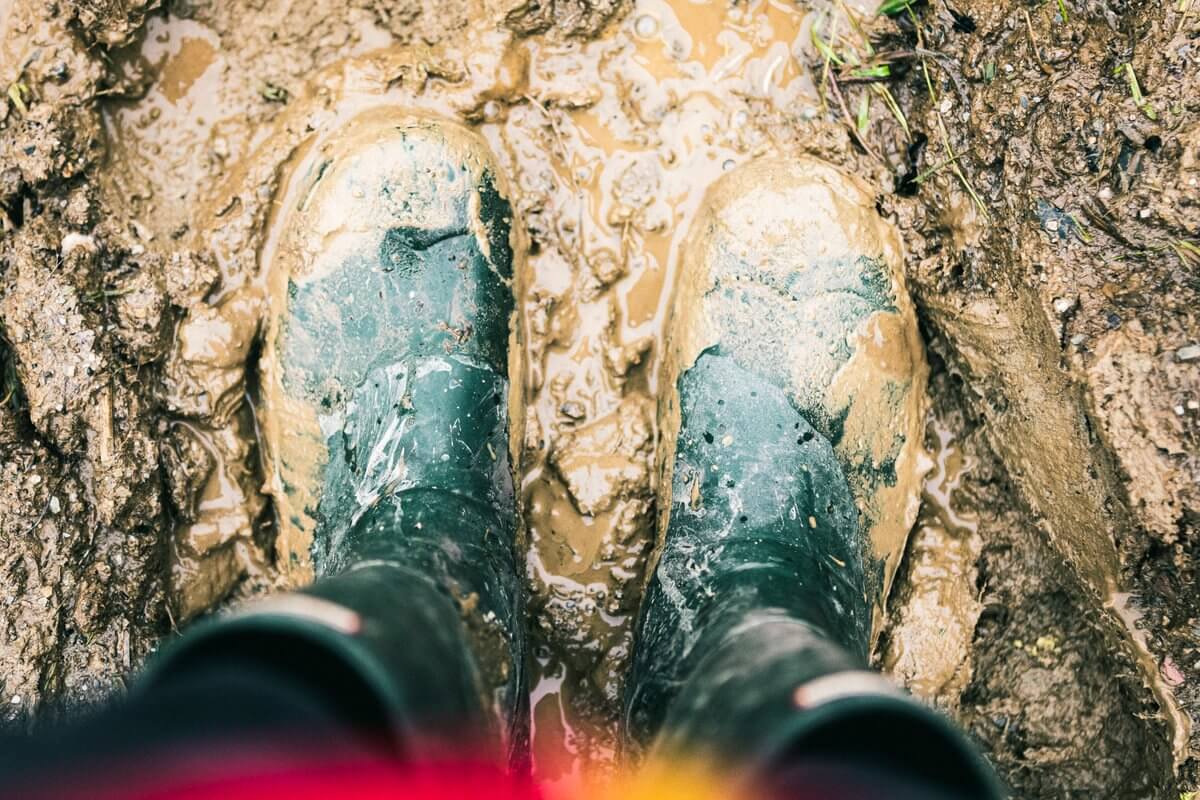
Roots and the microbial communities that live in close association with them need oxygen to respire and generate the energy needed to mobilise and absorb nutrients. When rain cannot drain away as fast as it is falling, the soil pores become filled with water, which excludes oxygen; if this persists for more than a few days, soil respiration changes from aerobic to anaerobic. The first warning is a change in the smell – from the pleasant mushroomy aroma of a well-structured and aerated soil, to the foul, acrid stench you’d get from the mud at the bottom of a stagnant pond. Squelching through mud where water has stood for weeks, you get a whiff of hydrogen sulphide and ammonia which signifies putrefaction and death.
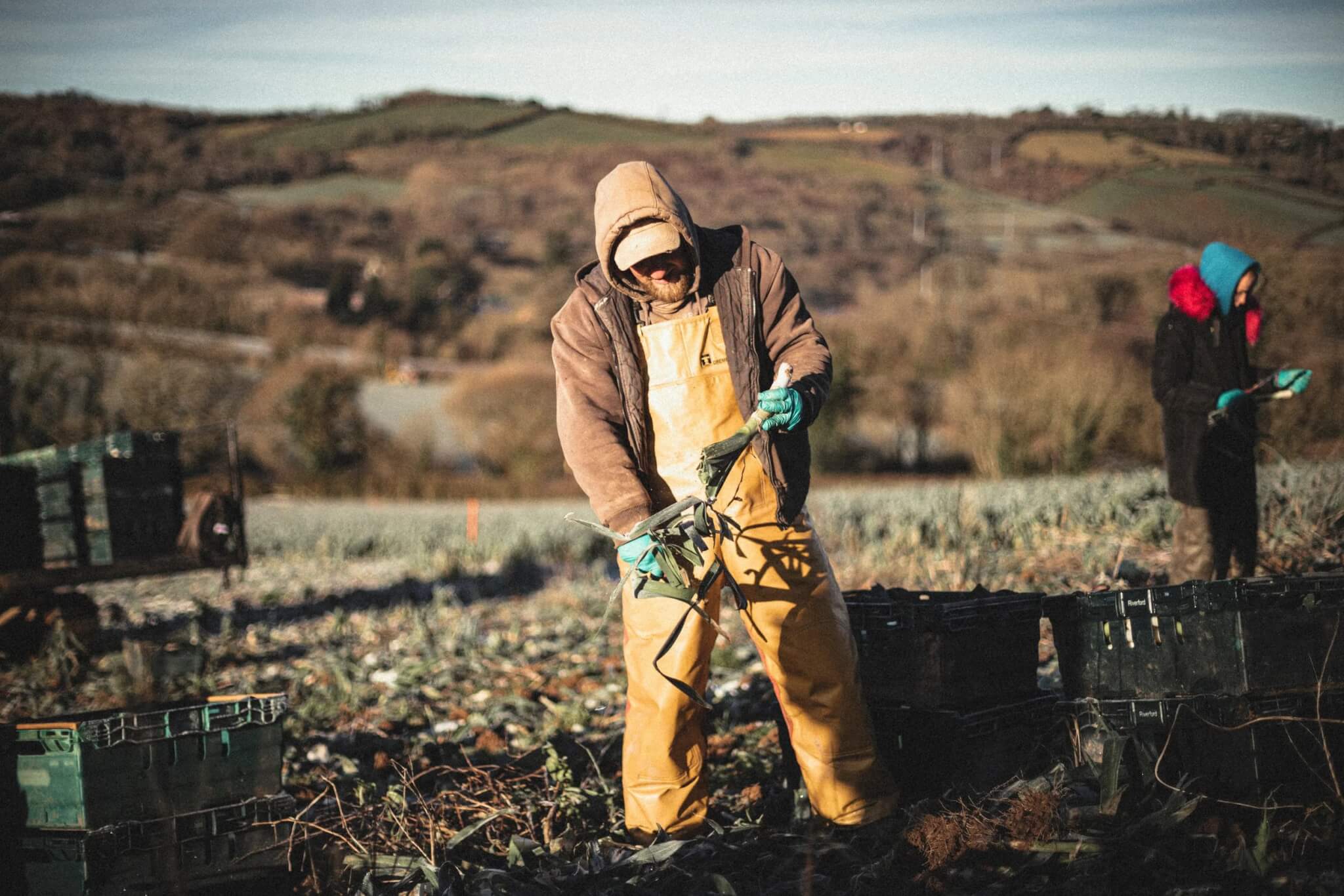
Walking down rows where the slope is steeper, you’d normally expect the crop to be thinner where soil is thinner, but this year these are the areas with the healthiest plants. Where the fields are more level, and water stands for longer, the plants are wilting, showing disease, and in some cases giving up altogether. Cauliflowers are the worst affected and our January King cabbages are a write-off. We’ve also suspended picking of spring greens due to poor quality which has been a real blow.
After three years of drought, our growers in Spain and Italy have suffered a series of calamitous storms, torrential rain, and low light levels which have drastically reduced yields of cucumbers and peppers and have hit the quality of oranges and calabrese broccoli. Whenever I hear a blinkered (and often oil-industry-think- tank-funded) economist pontifying that the higher CO2 levels and temperatures associated with climate change will drive faster photosynthesis and thereby increase yields, I want to scream with frustration. As we are seeing, whether in sub-Saharan Africa, Spain, or Devon, it is the extremes and unpredictability that we’re struggling to weather… not the averages.
Our News from the Farm posts come from Riverford. They are the digital versions of the printed letters which go out to customers, every week via Riverford’s veg boxes. Guy Singh-Watson’s weekly newsletters connect people to the farm with refreshingly honest accounts of the trials and tribulations of producing organic food, and the occasional rant about farming, ethical and business issues he feels strongly about.



I saw that Telegraph headline about the benefits of CO2 from Matt Ridley. He is not an economist, he is a fool and certainly hasn’t learnt anything from his experience as the chairman of Black Rock when it experienced the first run on a British bank in 130 years – i.e. he should believe in himself so much. However of more concern is the alarming notion that the soils across the nation are literally drowning and all aerobic soil life is being killed off. Pardon me I’m not soil scientist but that sounds like Armageddon. Surely our wonderful but undervalued farmers will be able to produce some kind of harvest from the soil despite the damage?