
The story of British food over the past few decades has largely been one of convenience, industrialisation, and confusion when it comes to nutrition. Supermarket shelves have been filled with products engineered for shelf life and ultra-palatability, while rates of diet-related disease have continued to climb. Most would agree – the food system is not working for us.
But change is underway. Healthy eating is no longer a niche preoccupation – it’s becoming a mainstream concern. In the latest YouGov/AHDB Pulse survey, 85% of consumers said that diet is important to their health, and 2026 consumer data from NielsonIQ found that one in four households say health is their number one priority for the year ahead.
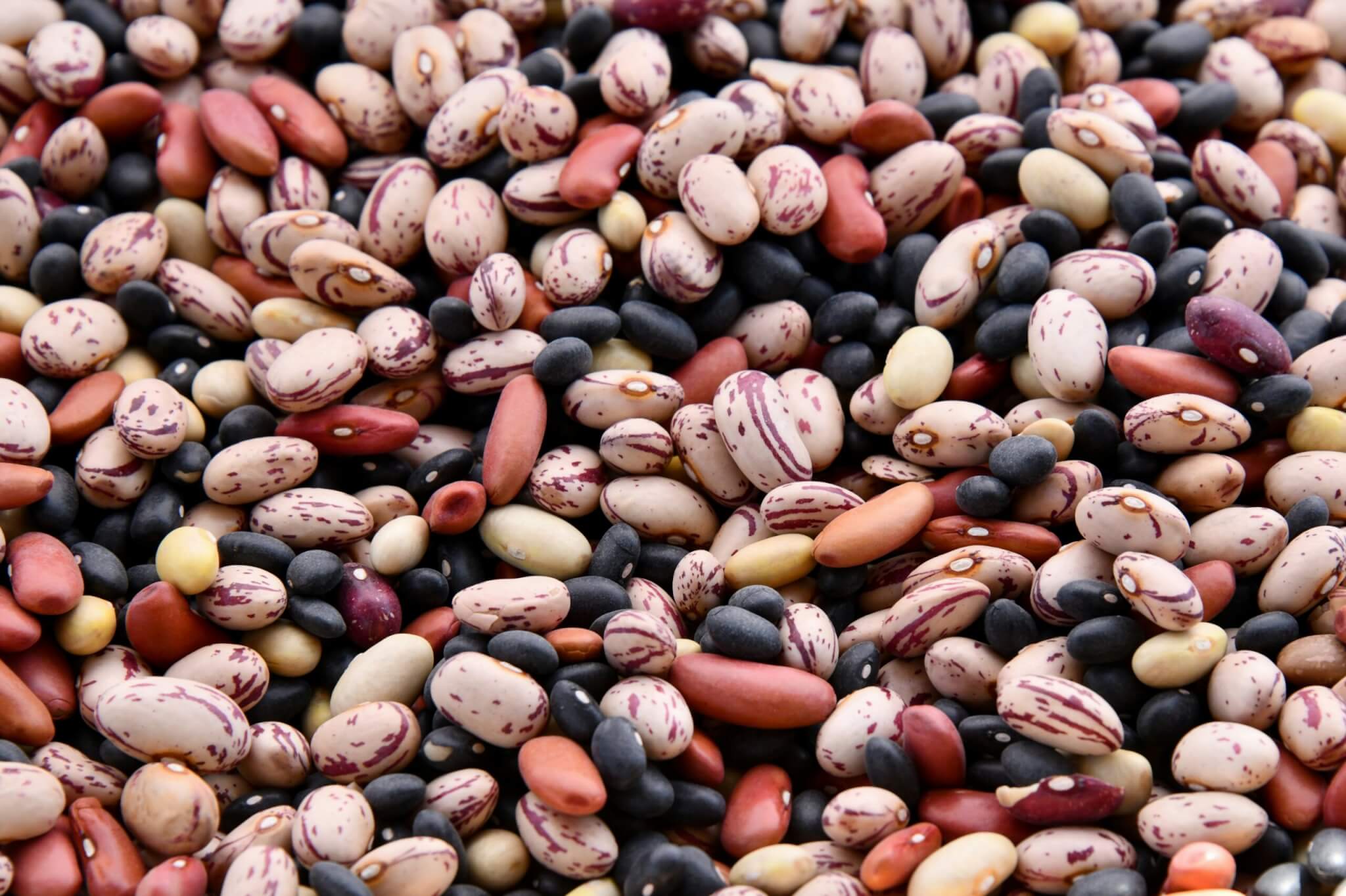
Just as notable, is the change in what we see as ‘healthy’ eating. While there is still plenty of extreme messaging in this space, there is also a trend towards simplicity. Less focus on superfood fads and green juices, and a growing appetite for local, seasonal whole foods; foods our grandparents or great-grandparents would recognise. Butter is back, olive oil sales are booming, and seasonal veg and beans are cool again. It just feels sensible.
The same YouGov/AHDB survey found that 26% of consumers plan to cut down on ultra-processed foods – a trend seen across all demographics – signalling a broad move towards more whole, minimally processed options. The food industry is clearly taking note.
Into this changing landscape, Marks & Spencer launched their “Only X Ingredients” range last year. A collection of everyday staples made with as few ingredients as possible. One-ingredient cornflakes (just corn), alongside ketchup, mayonnaise, yoghurt, oat milk, and sausages. Transparency has generally been lacking when it comes to processed foods, yet now we have minimalist ingredients placed front and centre of the packaging, hailed as a USP. It’s certainly a different approach.
The range has sparked debate, particularly the cereal and plant milk, for forgoing fortification in the interest of simplicity. Typically, these products are fortified with added vitamins and minerals. In plant milks, this is to replace nutrients that would be found in dairy milk. In cereals, iron, B vitamins and vitamin D are added to address population-level shortfalls. For some, especially children or those with limited diets, this can be important. But ideally, our nutrients would come from the whole foods we eat rather than fortification. Surely there is space for both, giving consumers a choice.
Beyond reformulations and marketing, there are shifts happening on our shopping lists. Sales of rice and pulses are soaring, likely fuelled by the fibre hype dominating headlines and social media over the last year. If fibre is having a renaissance, it’s long overdue. In the UK, we average just 15g a day, half of the 30g recommended to support gut and metabolic health.
In 2025, the ‘Fibremaxxing’ trend swept TikTok, with people cramming as much fibre as possible into every meal. This positive PR for fibre has been brilliant, but fibre still needs to sit within balanced meals that include protein, carbohydrates, and healthy fats. And for some – particularly those with Irritable Bowel Syndrome (IBS) or Irritable Bowel Disease (IBD) – dramatically increasing fibre can aggravate symptoms. An alternative term – ‘fibre layering’ – is emerging, which feels more palatable. Suggesting we need to think about the types of fibre we are eating, and gradually increasing intake, rather than focusing entirely on quantity.
So what exactly is fibre, and why is it so important?
Fibre is a non-digestible carbohydrate found in plant foods. There are different types of fibre, and it can be helpful to understand what each type does.
• Gel-forming fibre dissolves in water to create a gel in the gut. It slows digestion, promotes fullness, and helps lower cholesterol. You’ll find it in apples, pears, and plums (especially the skins), lentils, beans and peas, chia and flaxseeds, oats, barley, and vegetables such as Brussels sprouts, broccoli, carrots, sweet potato and squash.
• Fermentable fibre is food for your gut bacteria, also known as prebiotic fibre. It’s broken down by gut microbes to produce short-chain fatty acids that support the gut barrier and overall gut health. Good sources include garlic, onions, leeks, asparagus, Jerusalem and globe artichokes, green bananas, fennel, legumes, nuts and seeds.
• Bulking fibre (insoluble fibre) adds volume to stool and helps food move efficiently through the digestive tract. It’s abundant in whole grains, fruit and vegetables, pulses, nuts and seeds.
A balanced take on protein
If fibre is one pillar of this whole-food revival, protein is another. Protein is having a big year again, with products boasting ‘high protein’ claims everywhere you look. But marketing noise aside, protein is important. Eating enough is essential for building and maintaining muscle mass, supporting bone health and metabolic health. It also helps us feel full and satisfied and is important for immune function and healthy ageing.
Reflecting the move away from UPFs, consumers are increasingly opting for whole-food protein sources, pulses, meat, fish and dairy. You might also have noticed the resurgence of cottage cheese, with many of us falling (perhaps back) in love with this high-protein, versatile staple. I love it on toast, topped with eggs, greens, and chilli oil. But it’s also great in a cottage cheese bowl, baked into muffins or stirred into scrambled eggs. Greek yoghurt is increasingly popular too – blend it into sauces, fold it into pancakes, or use it as the base of sauces, dips and dressings.
Unprocessed plant proteins deserve equal attention. Rather than relying on ultra-processed meat alternatives, many people are rediscovering the value of beans, lentils, peas, higher protein grains, nuts and seeds. This has left some people concerned that our desire to avoid UPFs may end up steering people away from processed plant-based proteins, towards unprocessed meat and dairy. Many researchers in this field point out that even though plant-based UPFs are less healthy than whole plant foods, they may still offer better cardiometabolic outcomes than unprocessed animal-based foods, particularly when used as substitutions. As always, nuance is needed.
Traditional fats are enjoying a similar revival. Butter, ghee, tallow and olive oil are back in favour. While they should still be used in moderation, their appeal lies in their familiarity. We recognise them, we understand how they’re made, and they have a long history of traditional use.
Of course, what we choose to eat doesn’t exist in a vacuum. The question of how we source our protein is inextricably linked to sustainability. Beans have some of the lowest carbon footprints of any protein source, while meat, fish and dairy raise more complex questions. How these products are farmed or fished is an important nuance often missing from the debate. As a society we need to eat less meat, from better farming systems. But might we also need to rethink which animal foods we consume?
Nutrition advice tells us to choose chicken breast, lean beef and salmon, holding them up as the ideal animal-based protein sources. But there is so much dissonance here. What happens to the rest of the chicken or cow? How is this salmon being farmed? Can wild salmon stocks keep up with demand?
When meat eaters eat more of the animal – adopting more of a nose-to-tail approach – and incorporating nutrient-dense organ meats, bone broth and gelatinous cuts like oxtail, they benefit from a much broader nutrient profile. In general, organ meats are 10-100 times higher in nutrients than muscle meats. Meaning that you benefit from more nutrients from less meat.
Most British omnivores eat almost exclusively muscle meats, and while they are a great source of protein, they are high in the amino acid methionine. In more traditional diets, our intake of methionine-rich muscle meats would be balanced out with glycine-rich cuts. If methionine is not balanced with glycine, it can raise blood homocysteine levels, a risk factor for heart disease. Glycine is abundant in more gelatinous cuts of meat such as ox tail, beef shin and cheeks, as well as bones and marrow, making bone broth an excellent source too. Glycine also plays an important role in supporting gut health, sleep quality and skin health, as it’s the main amino acid found in collagen. Approaching meat in this way means we would need less livestock.
Then there’s venison. The UK deer population is estimated at around two million – the highest in over a thousand years. With no natural predators remaining, numbers have surged. Overgrazing by deer is a huge issue in the UK, damaging woodland, preventing regeneration, and impacting wildlife habitats.
Increasing consumption of wild venison could be part of the solution. It’s lean, rich in minerals and, as a wild meat, free from routine antibiotics or hormones. Yet in the UK it remains niche, often viewed as expensive or intimidating. Arguably, eating wild venison from populations that need managing makes more ecological sense than relying on intensively farmed meat.
When it comes to fish, the most sustainable seafood in the UK includes hake, sardines, rope-grown mussels, and herring. Mackerel used to be on this list, but marine groups have recommended a cut in the amount of Northeast Atlantic mackerel being caught to prevent a collapse in population numbers, which led to Waitrose pulling mackerel from its fridges and freezers this year.
When it comes to our food choices, balancing health, flavour and sustainability can feel like a lot. But it’s not about perfection, just being as thoughtful in our choices as we have the time, energy or resources to be. There is so much contradictory noise around what we should be eating – often pushing us towards extremes – that a common sense approach feels almost radical. Aiming for diversity, balance and choosing foods that nourish us and make sense within the wider food system is a sensible place to start.
Asking the question, “Would my grandmother recognise this?” is a nostalgically pleasant thought starter too. It doesn’t mean that you can’t eat foods that would result in a “no”, but it might lead you back to some wonderful, “forgotten” foods that have become less popular – from liver & onions, to heritage grains, and Carlin peas.





Dear Hannah, Excellent article and until the recently I would have agreed 100%.
However, I think you need to explain the meaning and relevance of “balanced”. Whilst always preparing and eating fresh food I recently discovered that I was overdoing it on protein, nuts, pulses, veg etc. and too little carbohydrate. The end result was too much strain and damage to my kidneys.
This is a really good point and I’m sorry to hear this. I see a lot of people dramatically undereating carbohydrates, which makes sense as they have had a pretty bad press in recent decades, and this can indeed lead to various different issues. Including relative energy deficiency in women too. With these articles, there is only so much that can be covered, but I’d definitely encourage people to get their macronutrient balance right, it’s so important, working with a Nutritional Therapist or Dietician can be a good idea for those that are concerned that they might not getting that balance quite right.