
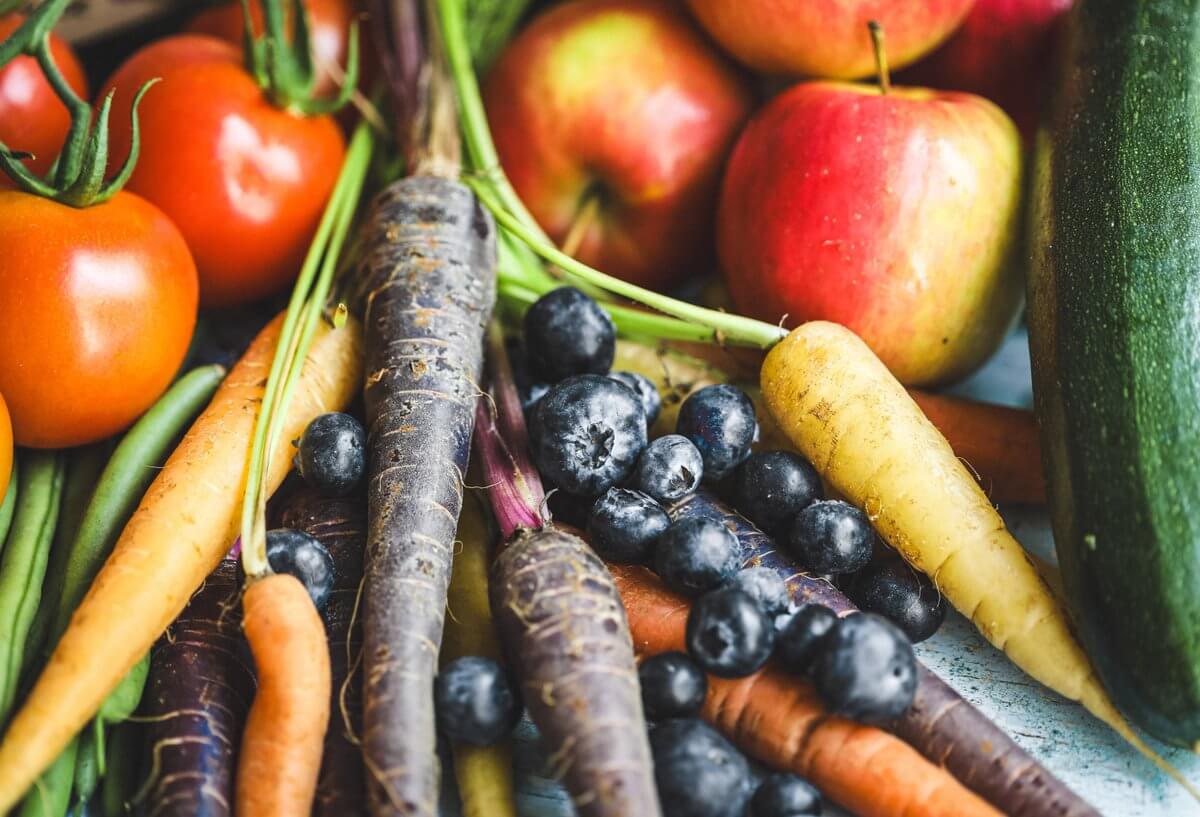
Taste a carrot from pre-wartime Britain and compare it to today’s and you’re likely to get a shock. In the last six decades, there has been a frightening decline in nutrient quality, whether it’s a drop in minerals, vitamins, or natural plant compounds. This is true for a lot of our produce and grains grown across the UK.
Take iron levels in fruits and vegetables. Between the 1940s and 2019, this vital element for delivering oxygen and immunity to the human body, fell by 50%, and copper, critical to brain development, dropped by 49%, according to a study by Coventry University. Wheat has also seen a fall in mineral content of between 20 to 30%, states research by Rothamsted.
Blame it on the shift from muck-filled, natural farming to chemically-dependent intensive agriculture, which has drenched the soil in synthetic fertilisers and pesticides, leading to a decline in soil health and microbial activity. This has been exacerbated by the use of less nutritious, high-yielding crop varieties, long supply chains which diminish freshness, and the impacts of climate change.
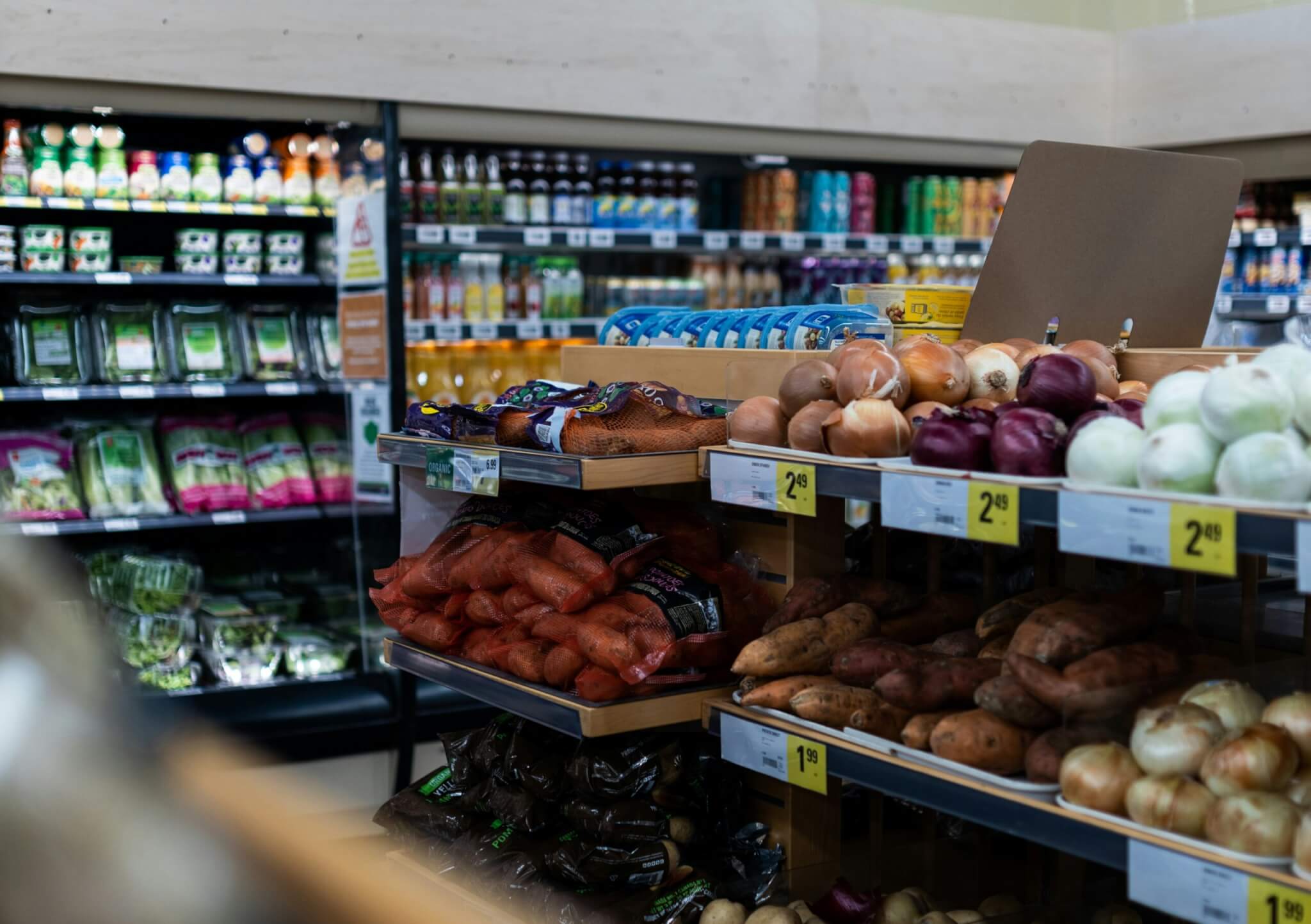
In an age of supermarket shelves stuffed with empty calories, peaks in weight loss drug usage, poor diets, and even poorer human health, we could argue that growing and supplying nutrient-rich foods matters more now than at any other time in human history.
Yet even the savviest consumers aren’t necessarily focused on micronutrients or phytochemicals, which are the naturally occurring plant compounds essential for myriad positive health outcomes, or that these compounds are mostly lacking in convenience-centred, modern diets.
For most people, there is greater awareness of macronutrients (protein, fat, carbohydrates), calories, and eating certain food groups. There’s also no universalised or commonly-used testing for nutrient quality; some nutritionists argue that organically grown can be a good indicator, but this is largely unsubstantiated. In short: there are challenges.
“Despite all the good work in regenerative and organic farming, this does not always translate into better nutrients in the food we produce. We don’t understand the full picture of nutrient density yet, since there are so many variables,” explains Dr Hannah Fraser, who has researched this topic extensively for a Nuffield Farming Scholarship.
That juicy apple that’s been refrigerated for six months before consumption is likely to have a lower nutrient profile compared to one that’s just been picked, since long supply chains and elongated timelines between harvest and consumption reduce those vital biological compounds. It doesn’t help that a lot of imported fruit and veg is also picked when unripe, again reducing nutrient density.
It’s mainly about the quality of the soil
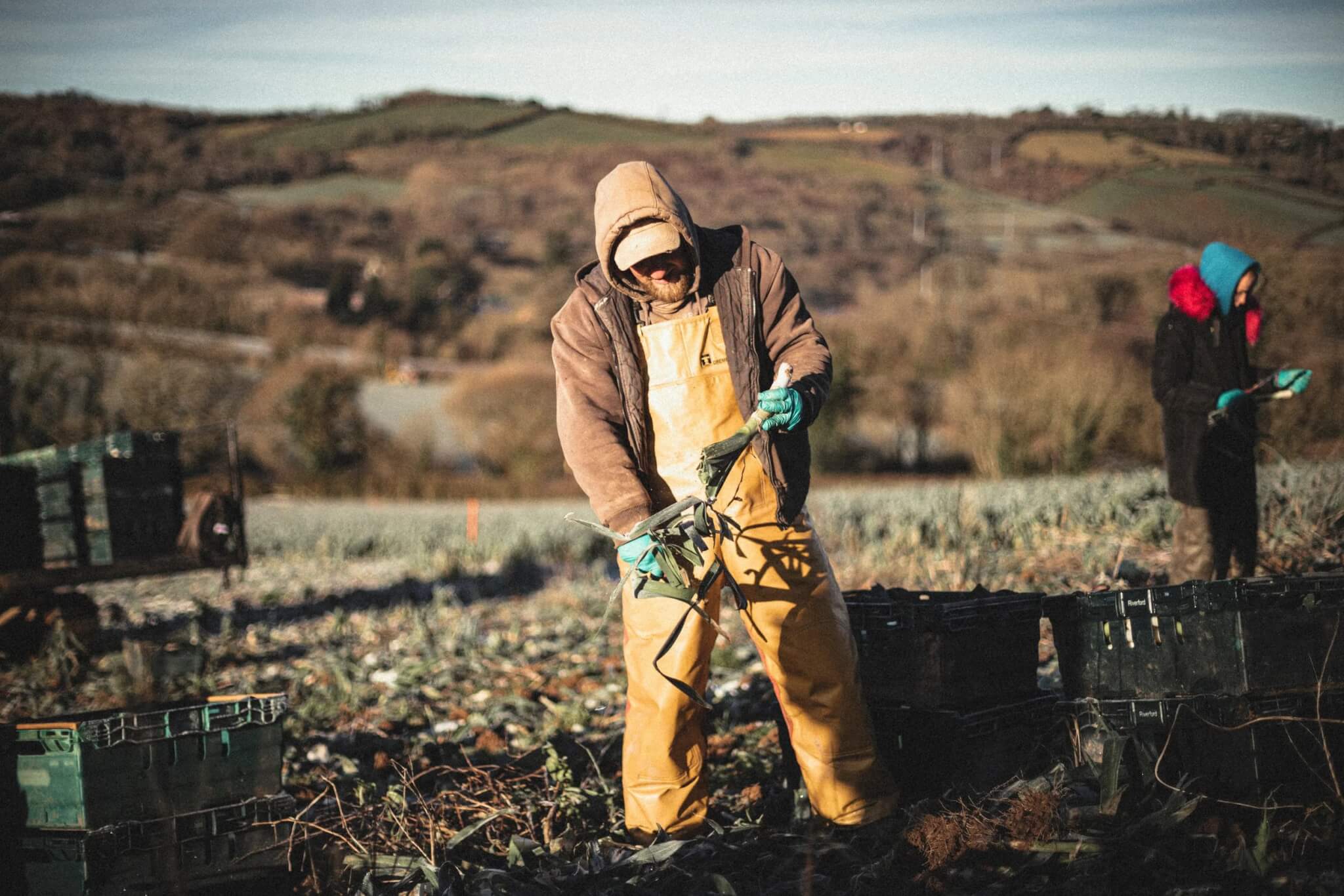
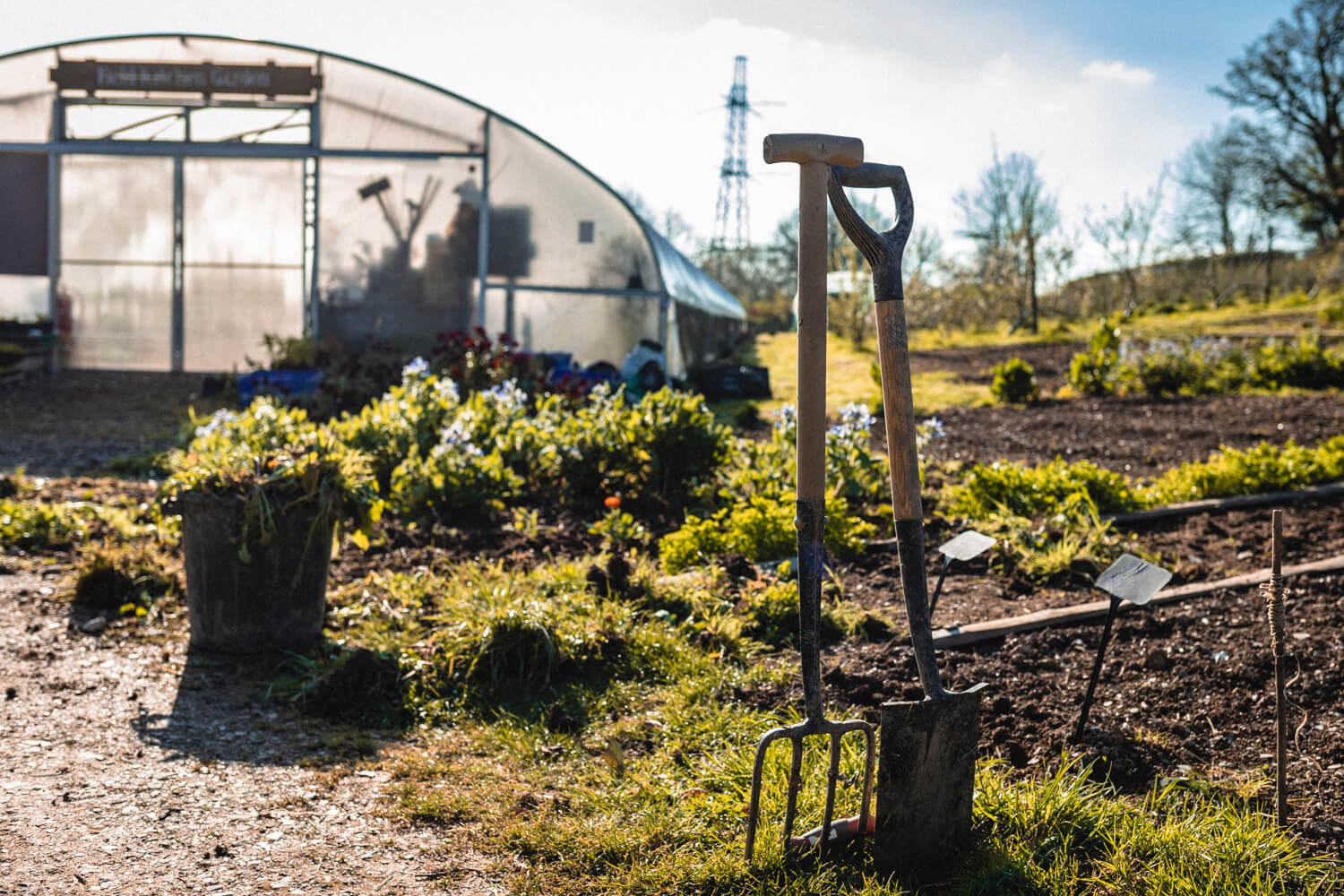
One thing we do know is that one of the biggest determinants of nutrients is soil health. Those farmers that regenerate their soils, get more out.
“Biologically active soils produce more nutrient-dense food. It is a bit like the gut microbiome; we know a healthy gut promotes human health. The same is true of soil health. There’s been so much more science and interest recently in the human gut, we should be doing the same for our soils,” details Dr Fraser, who is both a farmer and a medical doctor.
It doesn’t help that most produce buyers reward farmers for yield and size, good shelf-life and uniformity rather than taste, plant health, or levels of phytochemicals, such as carotenoids and polyphenols – powerful plant antioxidants which support everything from gut health to mental health. Breeding for nutrient density is not a priority either, most varieties are developed for high-input systems.
However, some research shows that farming dependent on synthetic fertilisers results in the mass absorption of certain elements including nitrogen, phosphorus and potassium, at the expense of other vital nutrients, including iron, zinc, copper, carotene, vitamin C, and certain proteins. Agro-ecological growing can therefore be better for nutrient density overall.
So, could there be a time when farmers are rewarded for a better nutrient profile in the produce they grow? The challenge is to do with variability. Soil organic matter itself is not a good enough measure, since seasons and years modulate, as does climate. Nutrients can change from field to field and be dependent on the types of plants grown.
Dr Hannah Fraser and others believe we need a lot more research. Only large data sets can help us achieve a better picture. However, the detailed nutritional profile of many types of fruit and veg and the conditions they are grown in is poorly documented.
“We grow in a biologically active system, so it doesn’t always work out. We need well-designed studies that look at all the variables. Genetic variability in the crops analysed can also vary greatly,” details Dr Fraser.
She adds: “With enough data we could eventually agree on specific biological measurements and develop a soil health certification scheme. Through such a process farmers would also need to test their soils regularly.”
There are organisations beyond the UK that are drilling down on this issue and developing causal links between farm and fork to do with nutrients in crops, including the Bionutrient Institute in the U.S., which is making laboratory testing cheaper for nutrient density – an incentive that encourages farmers to test their own products and improve them. Then there’s Bleu-Blanc-Coeur in France, which is focused on nutrient density in livestock and their byproducts, including milk and cheese.
Pay farmers for boosting soil health
Francesca Brkic who founded Little Origins, a baby and toddler food company, and who has received a significant Innovate UK grant to research nutrient density issues from farm to fork, believes we also need five to six years of testing to account for all the variations and that we need agree on precisely what is important.
“I think what makes us healthy and satiated are the phytonutrients, which also have antioxidant, anti-inflammatory and anti-carcinogenic properties. Yet, they are lower down on the priority for testing. There are also thousands of phytonutrients and we don’t necessarily know how they all act. It’s very expensive to test them, but I suspect that’s where the real nutrition lies – in the breadth and diversity,” explains Francesca Brkic.
“We also need to refocus on composting. We haven’t thought enough about how we replenish all the nutrition that we take out of soil in terms of the produce we harvest. The methodologies around what we put back is based on the individual. Different farmers pioneer different things. It’s voluntary. Those that do great things don’t always get rewarded, since it isn’t measured and there isn’t a price tag associated with such things. So, there’s no incentive.”
After doing the research, Brkic is on a mission to simplify supply chains for her baby food products and source from farmers who are obsessive about improving soil and ecosystem health.
“We’re now working with those farmers who are creatively thinking about how they can improve their growing environment. They’re observing their own crops year by year and improving the quality. The results do show that there’s a significant difference in nutrient density,” details Brkic.
Certainly, this issue needs more research. Transparency on soil health data and nutrient density in crops is vital. Education is important as well. Francesca Brkic envisages a time when farmers are renumerated financially for composting and boosting soil health, and where soil tests are cheaper and numerous.
“There’s support for planting hedges, so certain mechanisms do work with legislation, we just need to move the dial on support for improving the earth beneath our feet, and the food that it grows,” she concludes.





Also, decline in soil organic matter will mean micronutrients are leached out.