
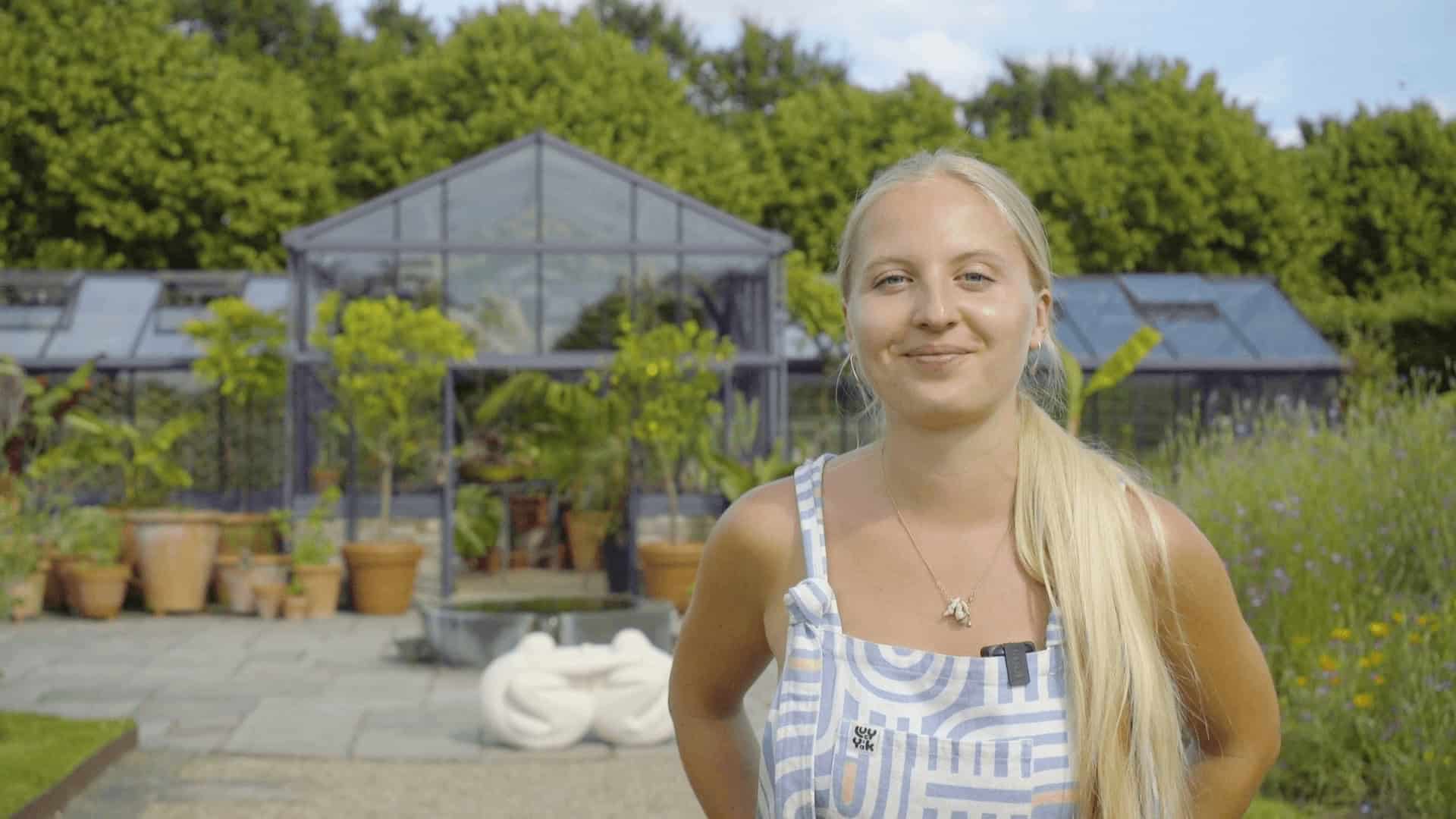
The idea originally came from South America. Here they realised that by heating wood chips or crop residues in a low oxygen environment, you can produce carbon-rich charcoal in a process called pyrolysis. When these pieces of ‘terra peta’ – black earth in Portuguese – are added to poor soils they boost crop yields. They also sequester carbon.
This is because biochar acts like a natural sponge for water, nutrients and microbes – great in times of drought, heat or intense rain. “It can increase the water holding capacity of soil by around 50 per cent – that’s because one gram of biochar has the surface area of a full-sized football pitch,” explains Lottie Hawkins, the co-founder of Earthly Biochar.
Biochar can therefore bolster resilience in the growing environment. It’s been used to enrich soil for thousands of years around the globe, but here in the UK it’s only now starting to get the attention it deserves. This is due to people like Hawkins who want to scale its use among growers and farmers.
“It can definitely help people and the land adapt to the changing climate. The good thing is that gardeners or larger land owners can use either garden waste or felled timber to produce biochar. It’s a low-tech solution that requires little investment and is very much at the heart of the circular economy,” explains Hawkins.
She adds: “Biochar can be a core foundation of a healthy living soil providing essential functions, especially if a grower has soils that struggle to hold onto water and nutrients, are prone to waterlogging, or don’t have enough microbial activity. Biochar is a really simple and permanent solution and it’s not something you have to apply every year.”
Biochar is mostly an inert pure carbon structure; it is only activated when it comes into contact with the soil and is resistant to being broken down in the natural environment. By creating and deploying one tonne of biochar, 2.5 tonnes of carbon dioxide are captured.
“I’ve got farmers and gardeners who, having seen biochar work in their soil, will now plant everything with biochar. You only need to put a tiny bit in the ground. It should only make up ten per cent of your entire soil mix,” she explains.
Low tech, big ambitions
At 31, Hawkins is an inspiring, young innovator. She started Earthly Biochar in 2018 designing her own biochar kilns, which can be used by both big and small growers. She has received funding from the former Prince’s Trust (now the King’s Trust) and Innovate UK, from whom she won an award.
“In terms of adoption, we are definitely behind the curve compared to most European, North and South American countries. We’re quite slow to change our growing habits in Britain. However, awareness is increasing, especially among market gardeners, as people realise that the old ways of doing things aren’t going to sustain us in the future. Even so, change can be risky,” states Hawkins.
She points to the UK government’s ADOPT Fund, which now provides grants of up to £200,000 for practical on-farm trials aimed at improving productivity, resilience and sustainability, which includes deploying biochar.
“I’m now leading six biochar projects. It is a risk when farmers change their soil and the way they grow. It can also have a direct impact on their bottom line in the short-term. This is why the sector is slow to change and why funding is important. It takes a couple of years to see the benefits – just like the transition to organic farming. You may also see a drop in yields in the first few years,” details Hawkins.
Biochar can alter the pH of the soil, making it less acidic. The lumps of carbon are also extremely porous, so when they’re used they can suck up lots of nutrients, which are then difficult to access by plants, unless biochar is deployed alongside manure or compost. It therefore must be applied carefully with a plan in place to get the best results.
“It is definitely worth the investment for the long-term. As the climate gets more extreme, biochar can act as a buffer in our soils and as a water reservoir. Microbes find it really hard to keep on producing the nutrition that plants need if they don’t have regular water. So biochar helps with this by reducing the stress that plants go through,” states Hawkins.
She continues: “That’s always been the reason why I’m passionate about biochar. in my lifetime I’m definitely going to be living through the effects of climate change. We’re already seeing issues now with the regular heatwaves, but they’re going to get much worse. The more that people use biochar, the more likely that our food system will become climate resilient.”
Ambitions for a research farm
Hawkins is spreading the word through agricultural shows such as Groundswell. She is keen to produce a film on biochar, along the lines of Kiss the Ground, an inspiring U.S. documentary on regenerative agriculture. At the moment she relies on word of mouth, sharing farmer experiences and selling kilns.
“From my research, farmers want to see someone else try it before they give it a go. They want to see how it works in the field with their own eyes. In the past, farmers have been sold so many potential solutions that have actually ended up damaging their soils, so they’re right to be cautious,” she explains.
Hawkins adds: “One of my big ambitions is to set up a research farm that’s all about biochar. Where anybody interested in using it can come along and see it in the flesh, how to make it by using a kiln, and how it can really improve the soil.”
Biochar and ash dieback
Feedstocks for biochar are abundant in the UK, especially with ash dieback killing off so many trees. Hardwood timber, such as ash and oak, are ideal wood for use in kilns. Conversely, however, Hawkins has also found that using biochar can combat the fungal disease decimating ash trees across the country.
“We’ve now done trials on 200 infected trees spread out across the UK from Falmouth to the Lake District where we’ve top-dressed the soil with biochar and compost. Then we took photos every six months for two years to compare tree health as part of another grant from Innovate UK,” states Hawkins.
She adds: “Some ash trees have really bounced back, where applying biochar increased the microbial diversity around the trees. This had a knock-on effect of boosting the tree’s immune system. These ash trees were then more able to adapt and live alongside the fungal disease.”
So what keeps Hawkins up at night? One of her biggest issues is access to land. She is keen to set up a biochar demonstration farm but doesn’t have the means to do it.
“I’m 31 and aware that it takes time to regenerate land and the climate is changing. I don’t come from a wealthy background and I haven’t had help. I also don’t have loads of cash and land’s getting more expensive,” details Hawkins.
“In ten years’ time, my primary ambition is to get every gardener in the country using biochar as an essential part of their soil toolkit, just like compost. The reason being is that gardeners collectively own more land than farmers. They also have a bigger influence on the way government policy is written and on the way that farmers should eventually grow. Let’s start the biochar revolution!”
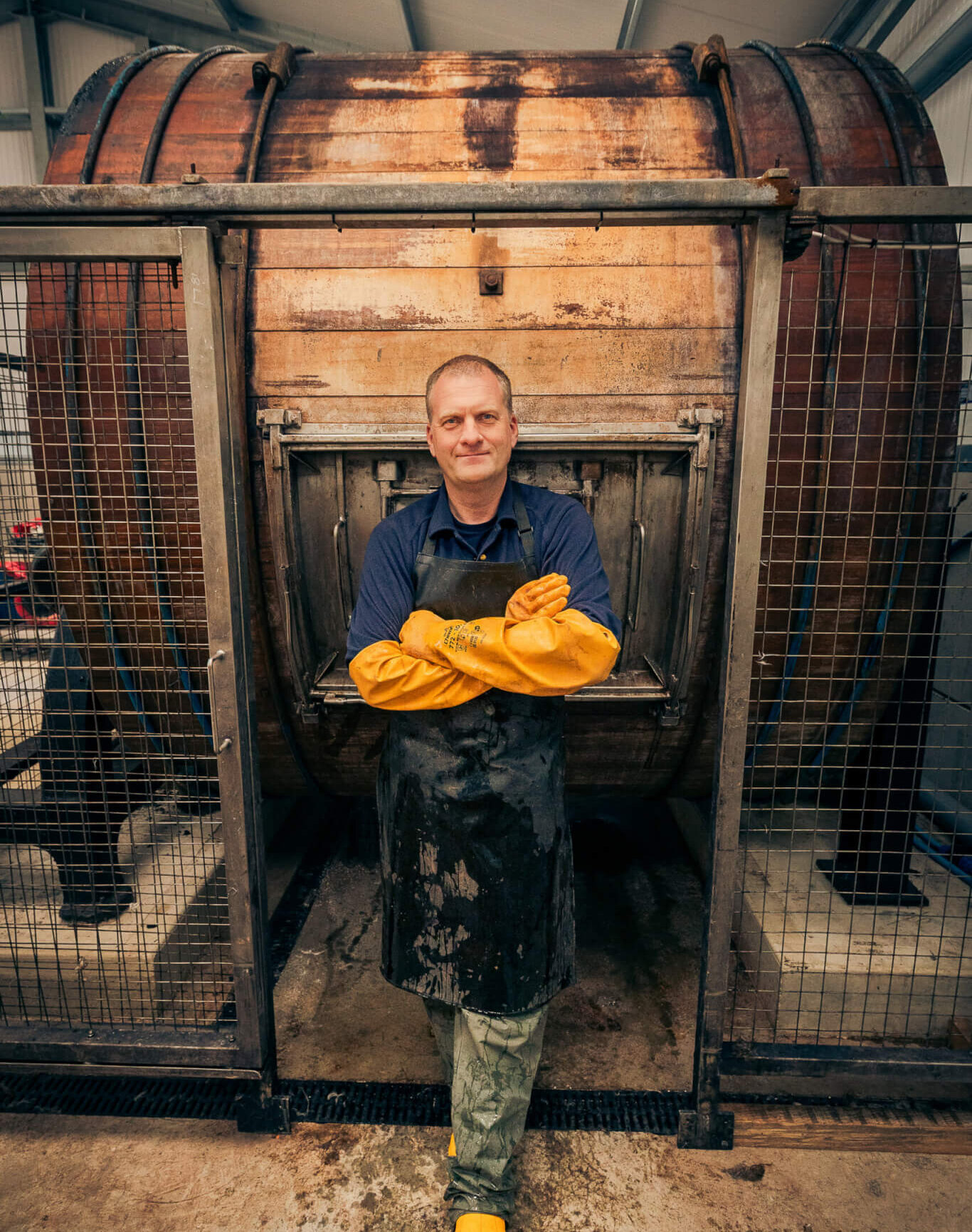

Shropshire Council has recently endorsed a major green initiative, Biodynamic Carbon Ltd, set to become the UK’s largest biochar production facility located in Powys, Wales. This groundbreaking project is a joint public/private venture where the council will acquire a 50% stake, with the remaining interest held by Woodtek, a firm based in Guilsfield.
Registered in October in Guilsfield, Biodynamic Carbon Ltd will substantially expand the capacity of the existing Carbon Hill biochar plant, also managed by Woodtek, increasing its output by up to 400%. This expansion is propelled by the efforts of the green energy firm, Onnu, to upscale the conversion of green waste into biochar using a process known as pyrolysis. Biochar is a charcoal-like substance that enhances soil and acts as a filter, turning low-value organic waste into a high-value carbon product.
The enhanced facility will transform significant volumes of arboreal waste and compost oversize into biochar, addressing the robust demand from landscaping, forestry, and substrate markets. The production increase is set to showcase the potential of green waste as a resource for carbon feedstock production.
Moreover, the project will generate Carbon Offset Removal Certificates (CORCs), which certify the reduction of carbon dioxide emissions through the biochar production process. These certificates will be available for companies to purchase, aiming to offset their carbon usage. The council projects sales of around 8,000 tonnes of CORCs over the next five years.
With plans to commence operations by August, the facility marks a pivotal development in sustainable waste management and carbon emission reduction, showcasing a collaborative effort that supports local businesses and advances green energy solutions in the UK. This initiative not only meets growing market demands but also sets a benchmark for environmental innovation.
I like the idea of biochar – in fact I’ve made some on a coppicing course. What’s the cost benefit of carbon trapped vs carbon (and other gases) emitted in the production of biochar? What sort of impact would it have if widely adopted and produced on an industrial scale?