
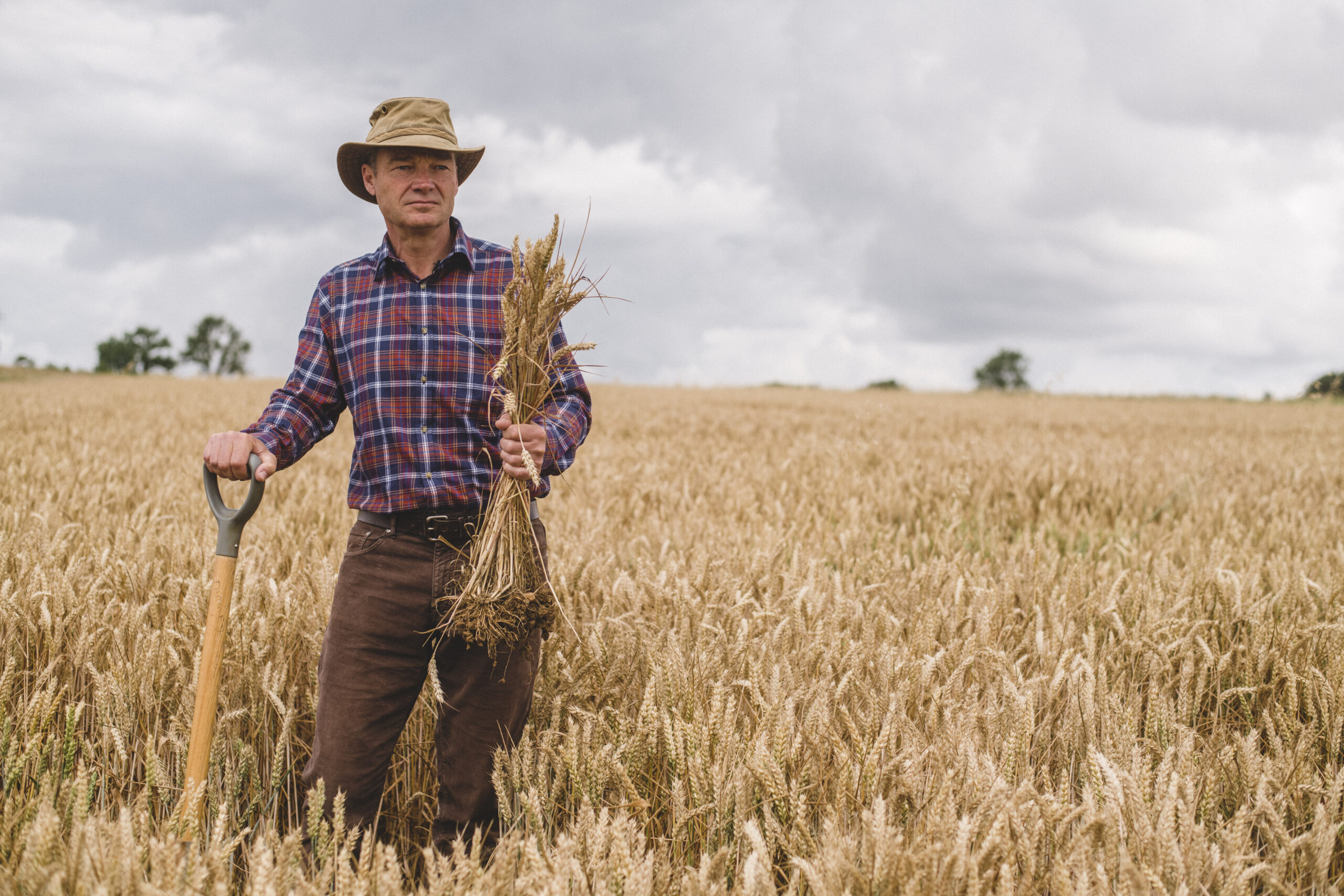
There are few places in the country that are hubs for conversations around the future of farming, but FarmED is one of them. A 107-acre demonstration farm, conference space and farm to fork café, focused on regenerative agriculture and sustainable food, each year 30,000 people descend on Honeydale Farm to attend events, courses and tours.
It’s the brainchild of Ian Wilkinson and his wife Celene, who want to shift the dial on how we grow crops here in the UK. They bought the Cotswold farm in 2013 and founded FarmED in 2018. A not-for-profit organisation focused on education and how we can produce fruit, veg, grains and livestock in a better way, prioritising soil health, the climate and nature.
“We clearly need more than a few percent of the land and landowners in Britain doing something that’s ecologically sound – it all needs to head that way eventually. Only through knowledge exchange, storytelling and human connections can we have an impact. Right now, we need a sensible conversation about what the future looks like,” explains Wilkinson.
This year’s climate-change fuelled drought and heatwaves are giving Ian and the team at FarmED new impetus. They believe we need to build in greater resilience today, to cope with extremes tomorrow. At the heart of this is soil health. Decades of intensive farming have left vast swathes of land depleted of nutrients and carbon, prone to erosion and runoff.
“We want everybody to be involved in this conversation. We want people to say ‘we’re curious. We have doubts about our existing farming and food system.’ We don’t want people to sit outside the debate saying, ‘well, we’re not changing!’ Because we will all need to change how we behave. The issue is the current system doesn’t allow it,” details Wilkinson, who was a finalist at this year’s BBC Food and Farming Awards.
He continues: “We’ve got the head of long range prediction at the Met Office speaking here soon. He is likely to talk about summers reaching 45 degrees Celsius in twenty years’ time. This is the biggest change any of us will experience in our lifetimes. We have to think about the impact this will have on the environments where we’re producing food, from polytunnels to chicken sheds.”
A lightning rod for change
What that new model of production looks like at the national level is still up for debate, stresses Wilkinson. At the farm level, FarmED is trying to show us the way. It’s been designed as a so-called ‘living textbook’ for regenerative farming, brought to life through weekly walks around the plots, alongside workshops and lunchtime talks. They now have 13 years of demonstrating what more sustainable farming looks like.
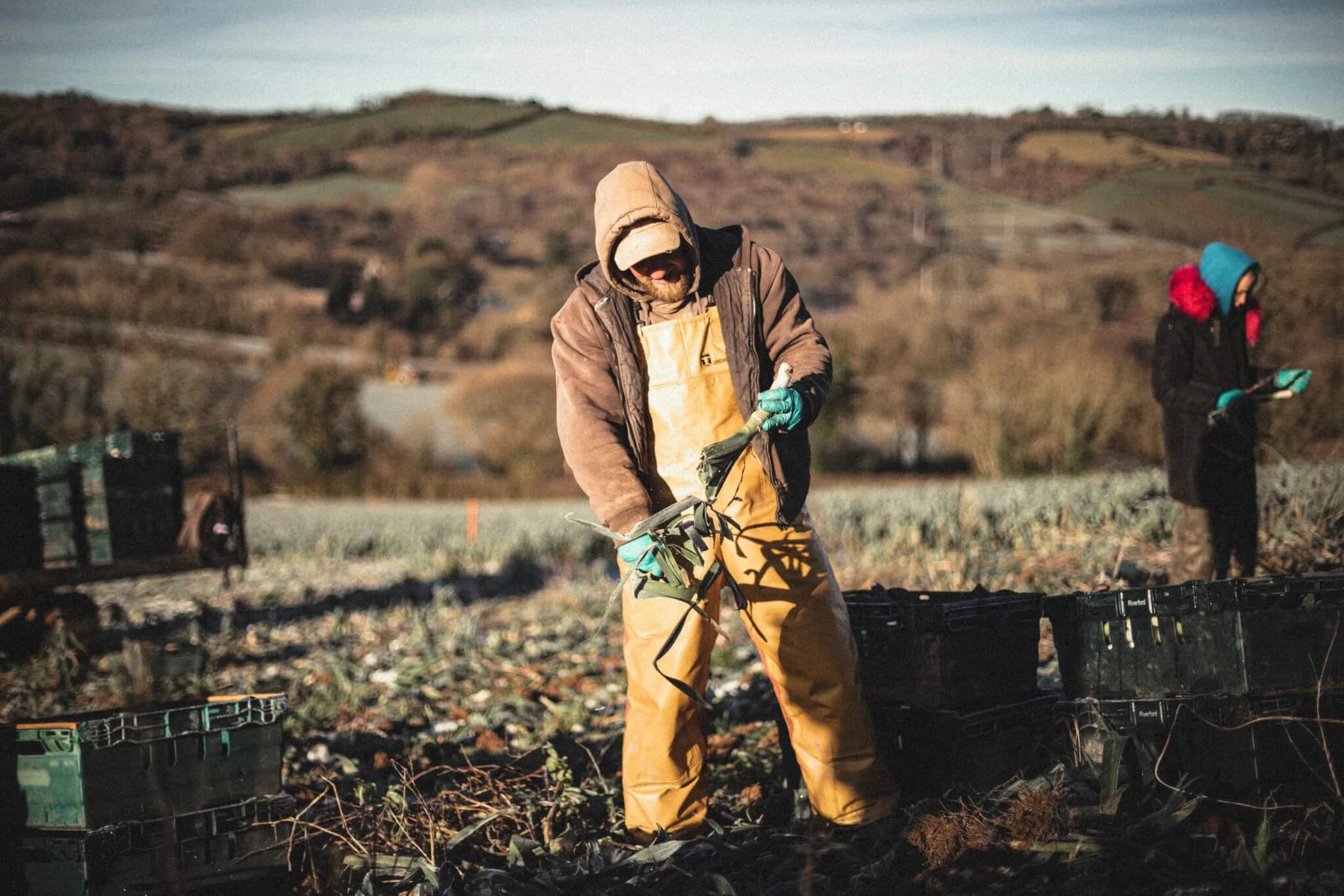
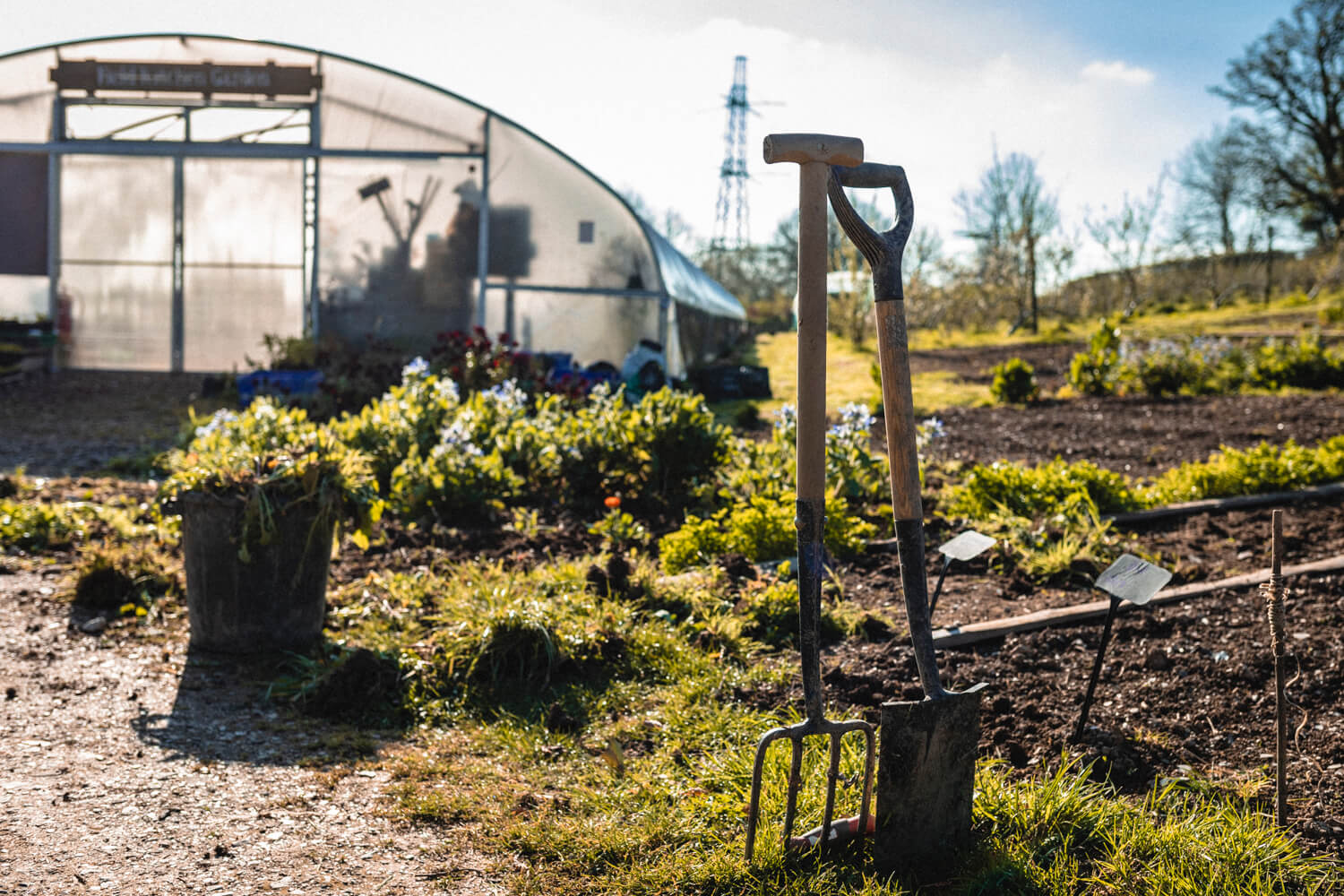
Honeydale Farm is a low-input arable, grass, with permanent pasture and trial plots for population wheat, sainfoin for forage, rye and herbal leys. It also incorporates mob-grazed sheep and cattle. The farm near Chipping Norton is home to a kitchen garden, heritage orchard, agroforestry, apiary, a wildflower meadow and a natural flood management scheme. It’s diverse and potentially more future-proofed than most farms across the country.
The reason why Ian set up FarmED and the demonstration farm at Honeydale is that he could not see anywhere across the UK that was showing farmers and those active in the sector, what a more sustainable future looked like. The old government-owned demonstration farms had been sold off years ago.
“We need a rethink on the land, which is all-encompassing, bringing together policymakers, investors, agronomists and farmers. With long-term policies centred on rebuilding soil health and adapting to higher temperatures and extreme rainfall that we’ve not seen in the past. Everyone needs to be on the same page with this or it’s not going to work. At the moment it’s all centred around basic economics,” details Wilkinson, who is also the Managing Director of Cotswold Seeds.
He adds: “More money needs to flow to enable change for better practices in farming for the long-term, with better outcomes for human health and the natural environment. Right now we’ve got polluted rivers, depleted wildlife and little in the way of sustainable land management. It is why funding needs to come from all of us. At the moment, most of the farmers I know are losing money.”
Provenance and authenticity
Unlocking the potential of locally grown food, which is also delivered locally, is one area that Wilkinson believes is in need of more focus if we are to build resilience into the food and farming system from the ground up. A place-based perspective is essential and at FarmED they have a community supported agriculture (CSA) veg box scheme selling 180 boxes a week.
“When it comes to food crops for humans, we are growing an awful lot in Oxfordshire. But when I look at our landscape, we’re producing vast amounts of commodity wheat and oil seed rape, but what about the vegetables and fruit on peoples’ plates? One social enterprise on the farm selling veg does not feed the people in Oxfordshire at scale. This is the issue,” details the founder of FarmED.
“We don’t have much in the way of local authenticity in our farming system anymore. I asked an audience at one of our events: did you have any breakfast from Oxfordshire this morning?” And everyone just looked at me blankly; they hadn’t got a clue.”
Wilkinson and FarmED don’t shy away from the difficult conversations that we need to have today, in order to deliver change tomorrow. They’ve hosted the likes of Professor Tim Lang, authors and farmers James Rebanks and John Lewis-Stempel, Riverford’s Guy Singh-Watson and Andy Cato of Wildfarmed, as well as many others.
“Honestly, I don’t have all the answers, but what I do know is that if farming in the UK carries on with business as usual it will be bankrupt. We need a shift where soil health becomes much more important and nature-friendly farming is valued. If we want climate resilience for the future, it isn’t about the latest crop variety. It’s about a shift in the whole system,” stresses Wilkinson.
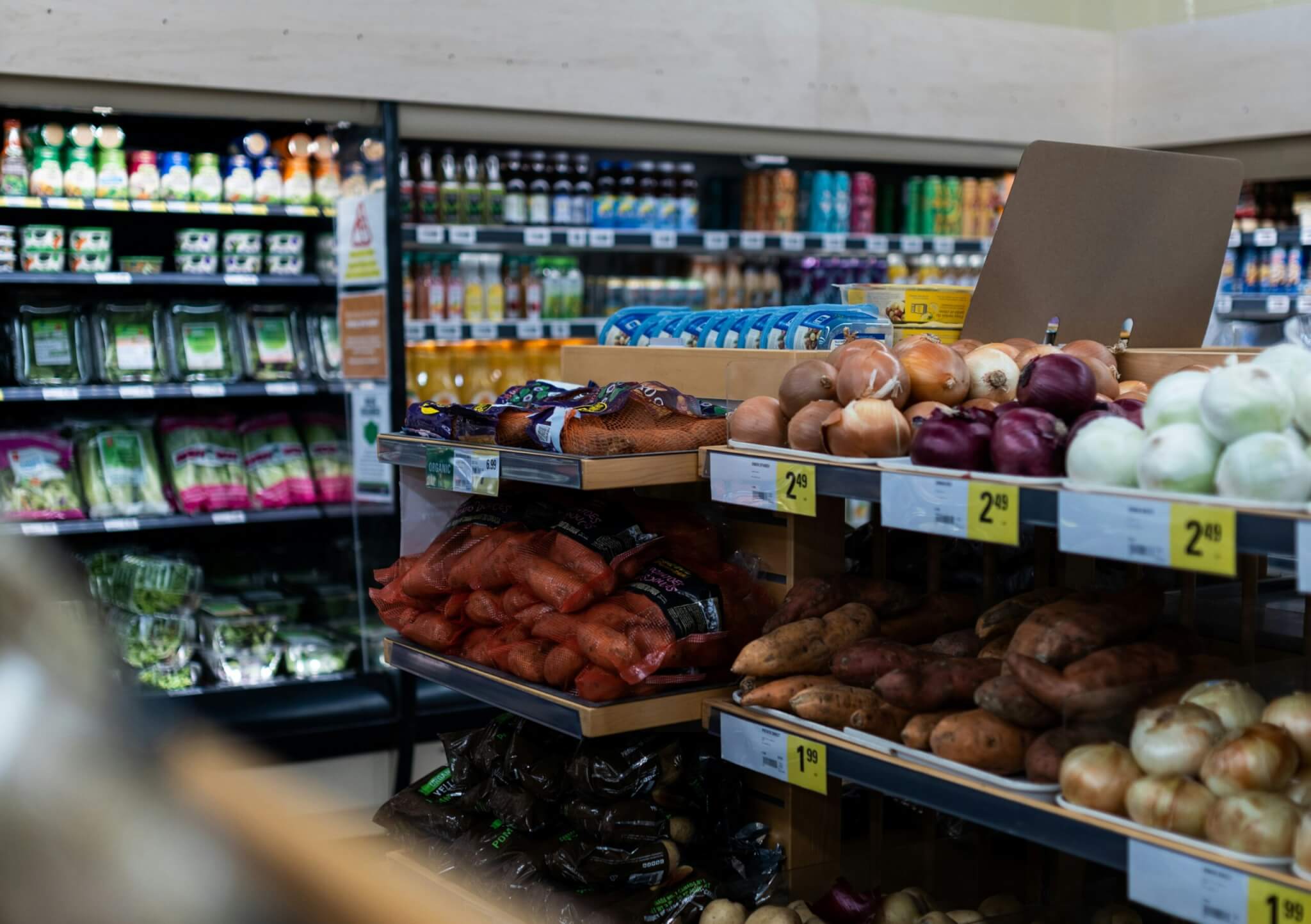
“When push comes to shove, the general public and the government are either going to value this sort of thing or they aren’t. Maybe it’s when we have three hot summers on the trot, the reservoirs run dry and we see more crop failures and empty supermarket shelves. Does it become a national conversation then? It’s why we need to have some honest talking now.”

0 Comments