
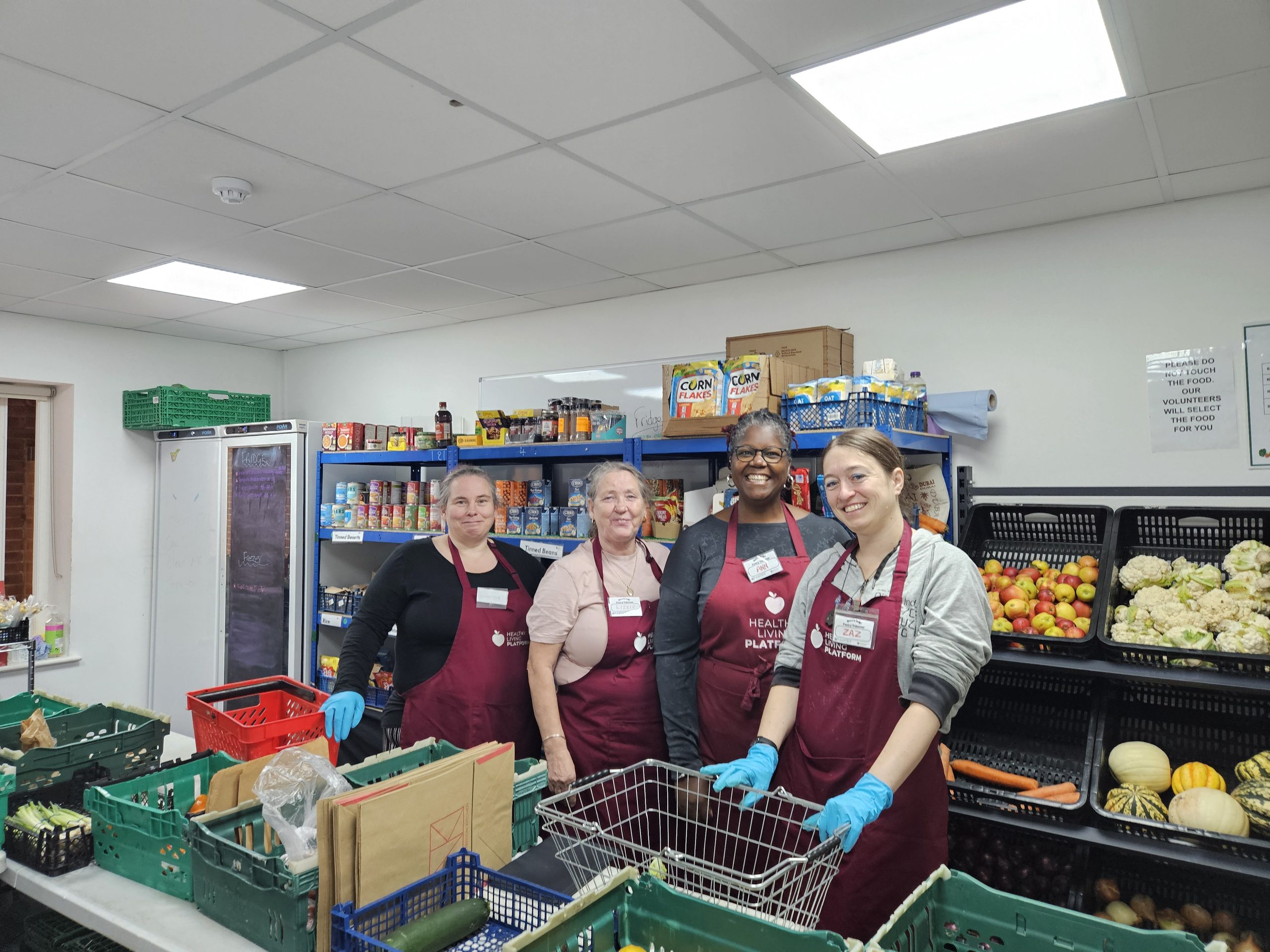
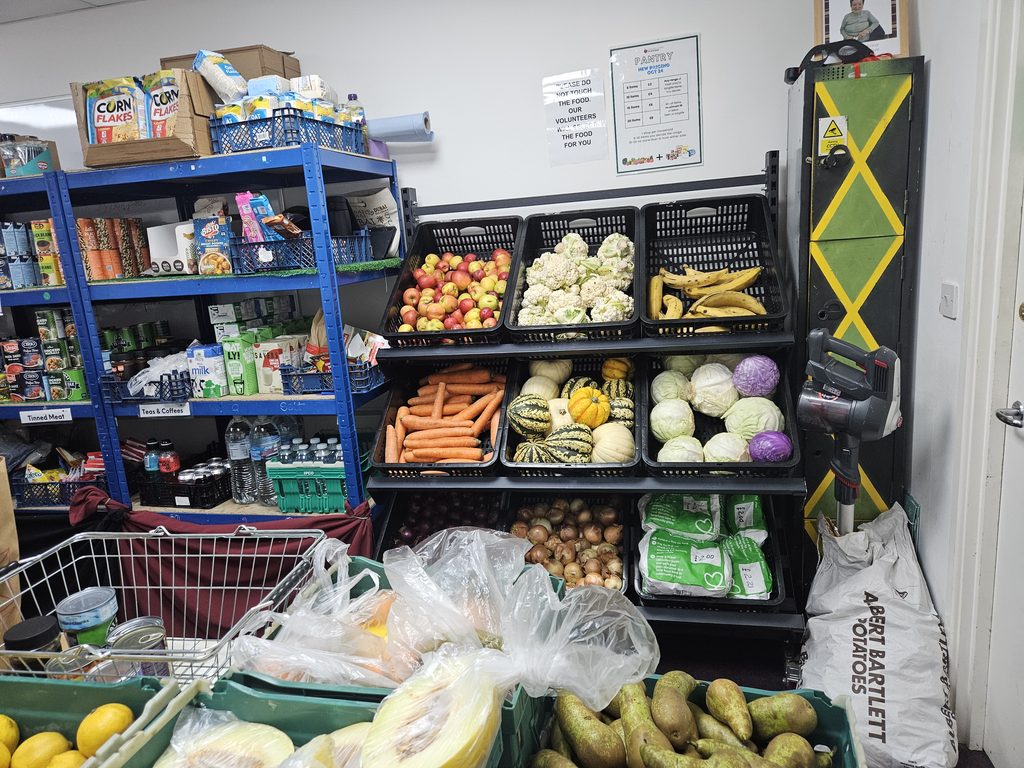
As you enter a small, unassuming back room in Moorlands Community Centre in Brixton, South London, you’re greeted by an enormous deli-like display of fruit, veg, and pantry goods – along with a lively army of volunteers.
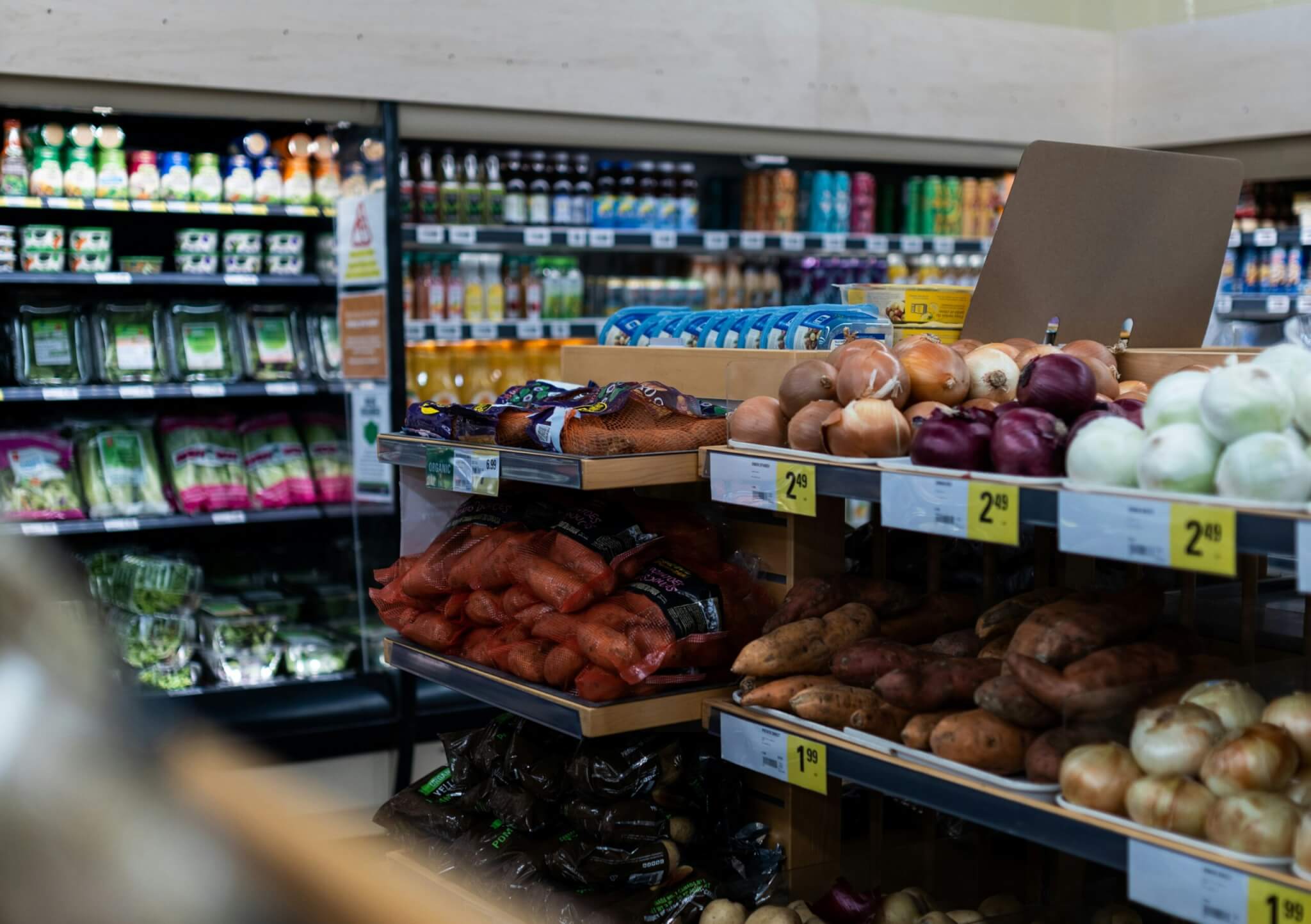
You pick up your shopping basket and find this sign: 5 items for £2, 10 items for £4, 15 items for £6 and 20 items for £8. That’s an average of 40p an item – one “item” qualifying as two peppers, a bottle of milk, or as was pick of the day when I arrived, a few packets of Itsu’s salted seaweed crisps.
So you start shopping.
This is the social supermarket model on the rise across the UK, where food otherwise going to waste is being gathered by community groups and sold at a hugely subsidised rate.
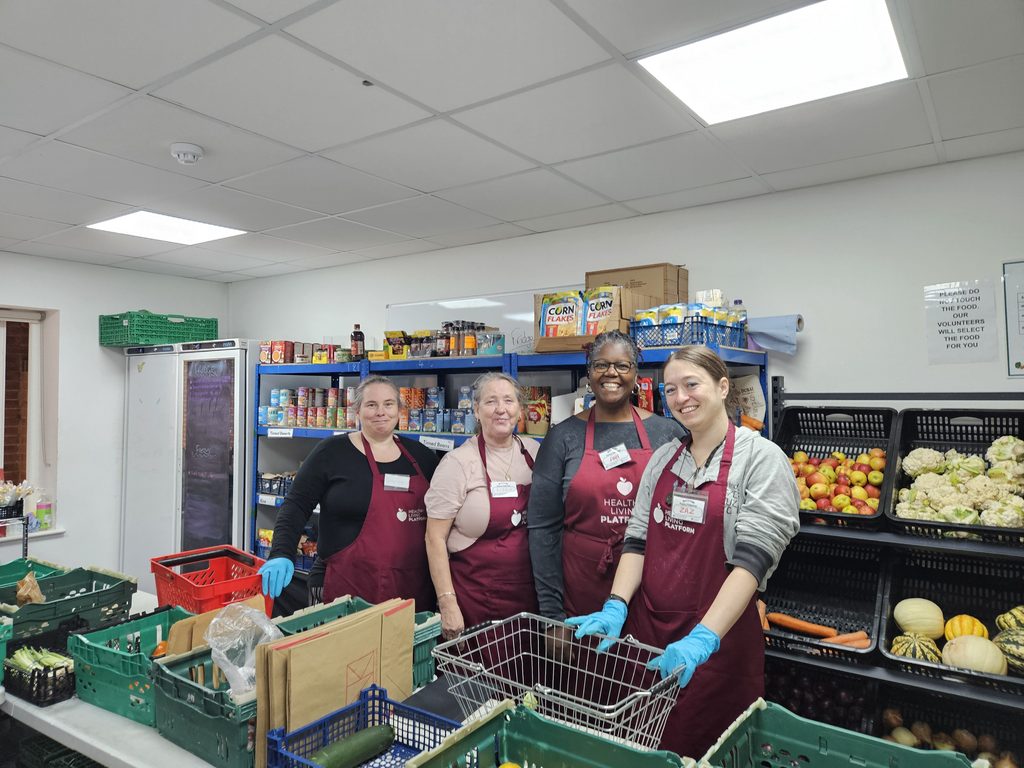
No questions are asked. It’s for everyone. And it’s one simple pay structure for all.
Long-time volunteer at Moorlands Pantry in Brixton, Lizzi, said: “I don’t need to know your life story. You don’t need to be in a state of emergency.”
You pay your fee and choose your food – in this way offering a complete alternative to means-tested referrals and emergency packages with random contents, which have become indicative of UK food need.
Saving food waste, tackling climate change and helping people get a good deal amid a growing cost of living crisis are the multiple aims of the UK’s 400-plus and growing social supermarkets, pantries, and FareShares.
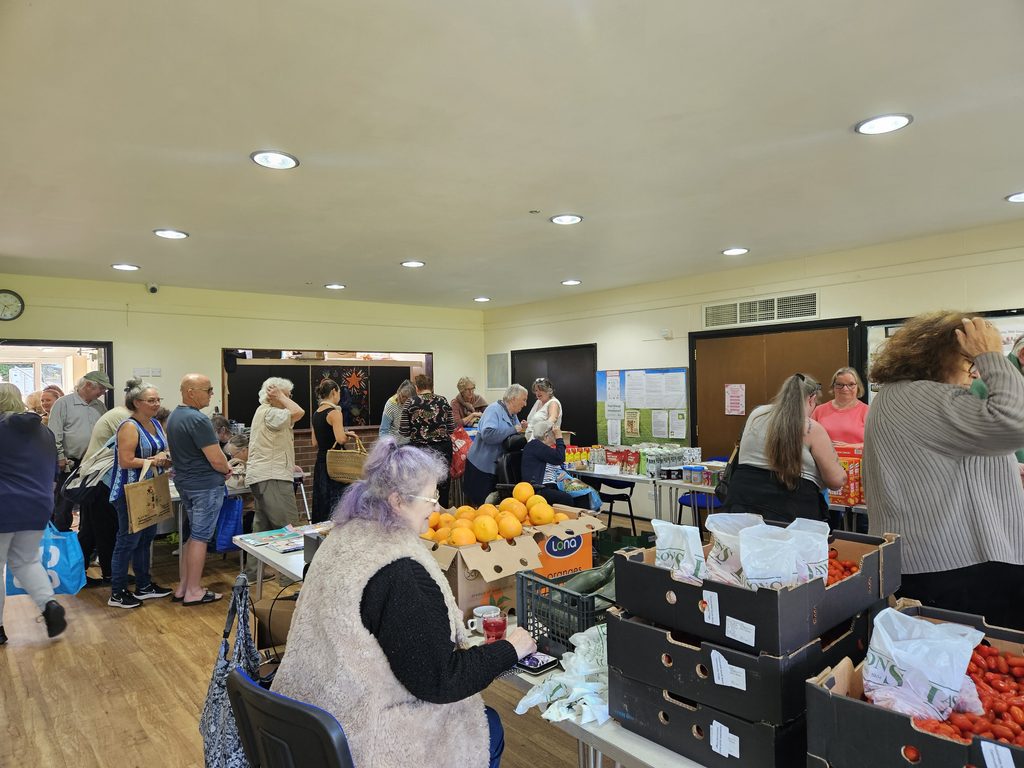
“We are absolutely not a food bank. We want as many people as possible to come and save more food waste,” said Caroline Dimond, founder of South Brent’s Tuesday FareShare in South Devon, as she stands in front of produce-laden trestle tables at the village Rec.
Going since 2024, they similarly charge £3.50 for ten items, with a regular customer base of between 25-50 customers each Tuesday afternoon they open. Last year, despite South Brent being a relatively small village, they saved 15.7 tonnes of food going to waste – and are on a mission to rescue more.
One in eight people is now reported as food insecure in the UK, which qualifies as people skipping meals, eating less, and at times not eating for a day or more at a time because they cannot afford enough food. The need for food support today is 46% greater than it was before the pandemic.
Meanwhile, the perfect irony is that the UK generates an estimated 4.6 million tonnes of edible food waste each year. That’s 10 billion meals.
Shopping has also become a pretty lonely experience. Gone are the days of having a natter with the greengrocer – you count your pennies as you go round a huge, strip-lit superstore, queue for a till, and tap your card on a screen.
“This is the opposite of a supermarket self-checkout,” said David, a herb-grower in South Brent, who has just sat down for his post-shop cup of tea and a scone – whilst gesticulating towards a room full of people chatting and catching up.
“You might be able to afford the food but come for the company and a warm space. It’s the epitome of community,” said volunteer Jane in South Brent – who found herself saying yes to helping out after shopping here herself.
Social supermarkets have tried to locate themselves in areas of food need; where deprivation is higher, or where food deserts make healthy or affordable food difficult. They don’t consider themselves a substitute for a supermarket food shop, but have a “buffering effect” on easing food bills – and help people avoid getting to the point of serious food poverty.
Wilson, a young man shopping for himself in Moorlands said: “First and foremost, it makes things a bit easier for me in my day to day living. Just do the maths.
“But also people of all races, colours and creeds come here and laugh. And I believe in laughing.”
He also sticks around for the freshly home-cooked meal offered in Moorlands volunteer-ran kitchen just next to the pantry, which is just £3 for a have-in or take-away meal.
Where does the food come from?
Well, they all have slightly different models – but many social supermarkets rely on charity Felix, or FareShare as it was previously named and remains at regional level, as well as other charities like City Harvest in London.
Felix and regional FareShares intercept food waste from all avenues, including restaurants, wholesalers, manufacturers, and farmers – and support over 8000 charities with that food.
This is not food that is out of date or nor fit for consumption, explains Susie Day from FareShare South West, who supply communities like South Brent.
It is edible food that just doesn’t have a place to go.
It can be as simple as incorrect labelling, tiny blemishes, or a manufacturer packing tinned tomatoes only in cases of 6, and there inevitably being non-multiples-of-6 on the production line.
It can be supermarkets stocking a surplus of soup for a cold day – and it being warmer than predicted.
But shockingly, if you count only edible food waste, 63% comes from farms in the UK.
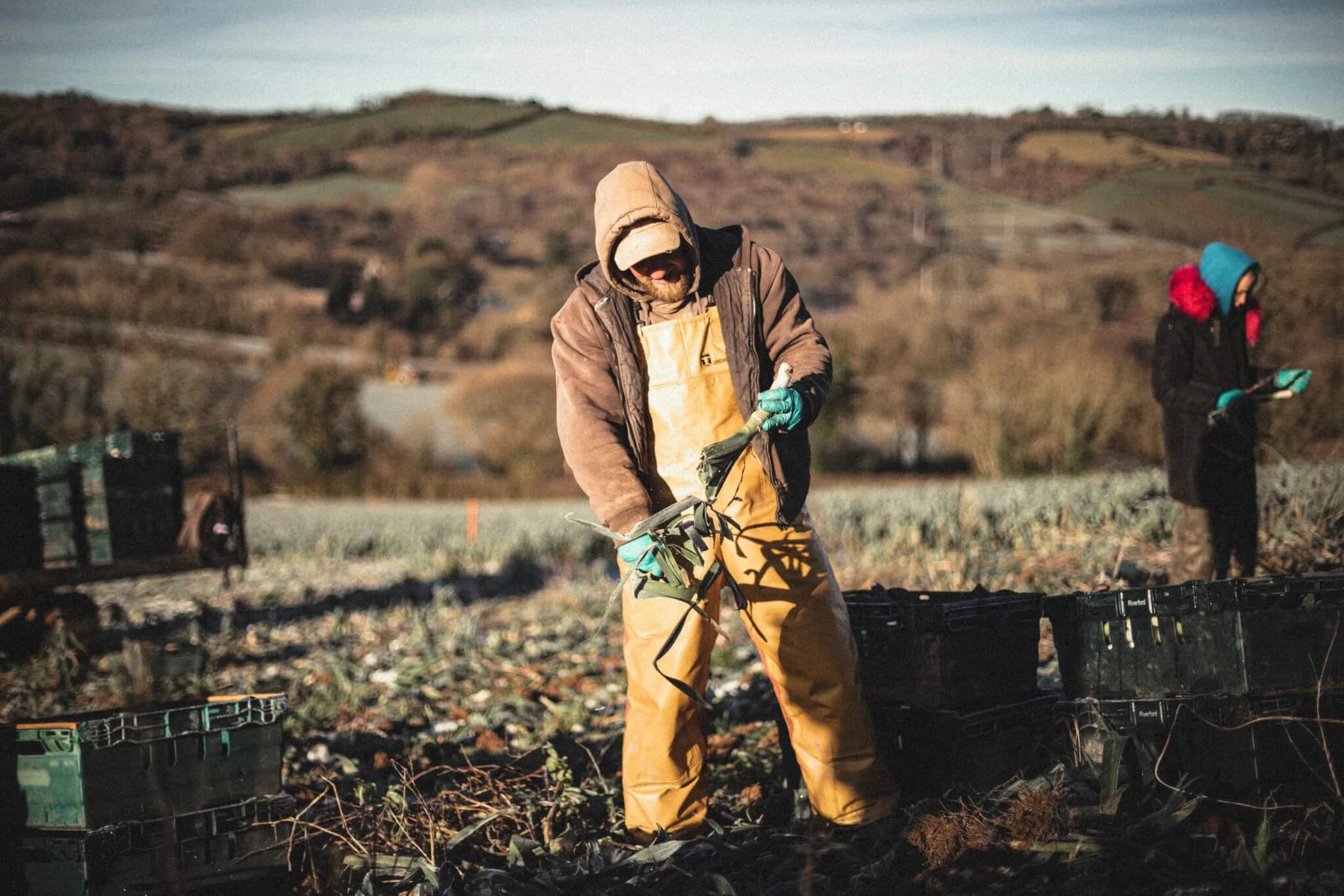
This is fresh home-grown produce that is literally left to rot in the ground, because after farmers have met their supermarket or buyer’s quota of produce, it is simply not economically viable for them to spend time picking and selling the surplus.
“There’s a mismatch between supply and what is paid for,” Susie told me, explaining how they will rescue produce from farmers, Riverford and Yeo Valley amongst them, and that producers are usually delighted that surplus food is actually being picked and used.
Farm waste is already difficult to avoid because you can never predict how consumer demand will stack up against your yield, seasonal gluts, and with dairy you don’t know the exact gallonage your herd will produce.
But this is only worsened by supermarket practise which disallows “wonky” produce, pursues cheaper imported alternatives, and cancels and changes orders at the last minute. And at the same time that so much fresh fruit, veg, and dairy is squandered, we’re also contending with the fact that healthy food is twice as expensive per calorie as unhealthy food in the UK. And of the households who are food insecure, 65% bought less fruit, and 55% less veg according to a report by the Food Foundation.
Meanwhile, 64% of what Felix rescues and redistributes nationally is fruit and veg, and 8% is dairy – attempting to close the paradox that healthy food is simultaneously expensive and wasted.
Mum of two, Jordy, at South Brent social supermarket told me how she normally goes for the fruit and veg for that very reason, and that whilst she wasn’t earning a lot things like the social supermarket helped money go further.
Both Moorlands and South Brent are also trying to expand their offering.
At Moorlands in Brixton, money from pantry products is also used to secure additional food, particularly culturally appropriate items such as yams and plantain, with many users being Afro-Caribbean.
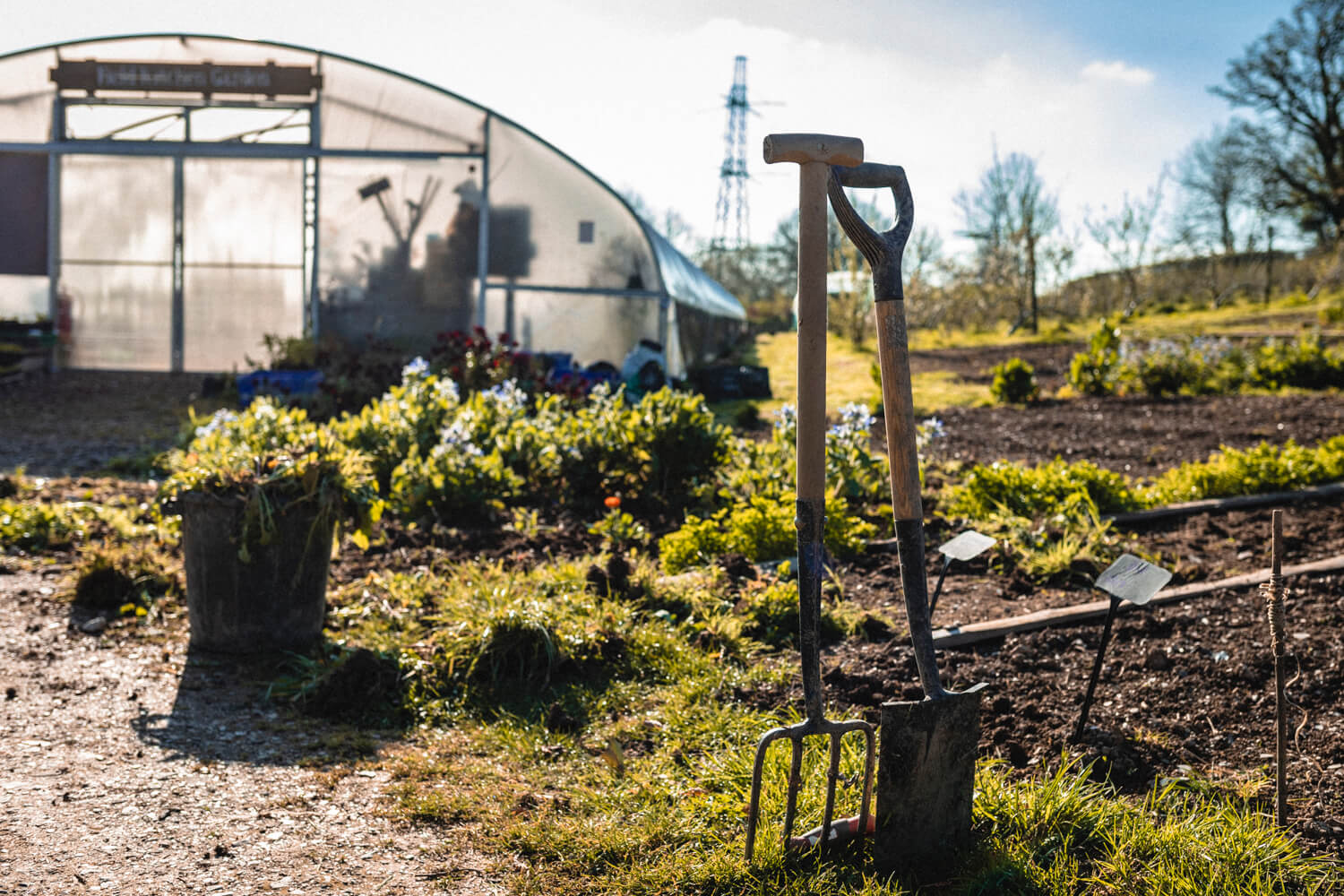
South Brent in Devon, meanwhile, have been busy gleaning; a practise where farmers let you come and pick surplus veg after harvest.
Redistributing food surplus is only becoming more paramount in the face of climate change, and whilst political debate has focused on UK food security it has not seemed to make the link with how reducing food waste ties in.
For context, between May and August this summer, 240 million litres less of milk were produced in the UK due to lack of grass for grazing and livestock welfare, whilst cereal farmers (wheat, oats, barley and oilseed rape) have just seen their worst harvest on farming record.
And yet we’re not eating all of it.
“We import so much, oil is going up, and we’re close to the edge on producing enough food with climate change. We need to be more resilient and sustainable within each of our communities,” said Caroline, who has plans to one day open a community garden to work alongside the social supermarket.
Whilst food production accounts for 35% of greenhouse gas emissions – a quarter of that produce is never eaten – and so saving food waste has the potential to save over 18 million tonnes of C02 a year as well as produce those additional 10 billion meals.
This includes not only the embedded emissions from the energy and recourse used to produce that food – but also the emissions released when that wasted produce goes to landfill or incineration.
By no means is anyone arguing that simply saving food waste will stop systemic food poverty or negate the need to grow more and change farming practises. Besides, these are big picture facts for any sane shopper.
But essentially, schemes like social supermarkets to actually save and eat what we produce are integral to reducing food’s cost, environmental impact, and greenhouse gas emissions.
Felix, amongst other organisations, are calling for the government to prioritise the redistribution of food for human consumption – rather than using it for animal feed, anaerobic digestion, or ploughing it back into the land.
They have recently demanded corporate tax incentives for the redistribution of surplus food – as opposed to the current system which incentivises growers to send food, including that which is edible, into anaerobic digesters for fertiliser and energy production.
“It’s not charity, it’s solidarity,” surmised Zaz, volunteer at Moorlands pantry – and we need more of it.




0 Comments