
As Head of Sustainability at Riverford, Zac knows more than a thing or two about the simple choices we can all make, that go on to have cumulative, measurable, positive impacts on the planet. He’s also used to making tough, imperfect, but ultimately necessary choices – both at work and at home, as a dad with a young family.
That’s the thing with sustainability – there’s no such thing as “perfect”, but being curious, asking the right questions, and trying to do things just a little better than before, is where it’s at. In this new series, we’ll explore how to take a sustainable-ish approach to everything from our homes & gardens to our shopping, food, tech & energy usage.
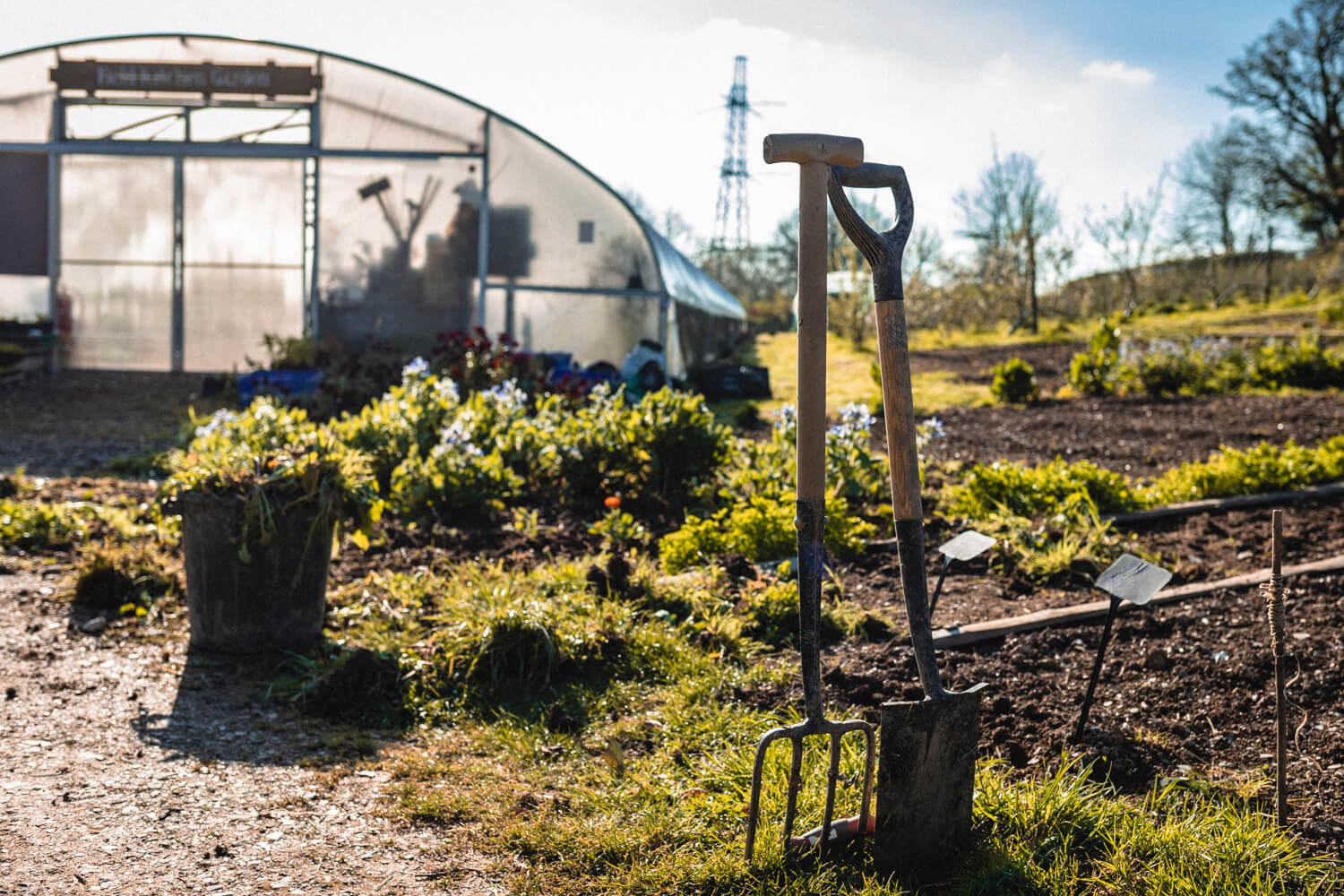
Being fortunate enough to have outdoor space is a great opportunity to connect with nature. Whether it’s somewhere peaceful to relax, a place for kids to play, or somewhere to grow your own fruit, veg, herbs and flowers, everything from a window box to a large garden can be an opportunity to enrich your life.
If you don’t have access to a space, organisations like Social Farms and Gardens and The National Allotment Society can help you find local allotments or community gardens to be a part of.
Boosting biodiversity
UK gardens support over 50% of the nation’s butterflies, amphibians and reptiles, and more than 40% of bird and mammal species (RHS), making them vital for nature. Some of the easy things I do at home, that make a noticeable difference to the life in my garden:
- Encourage diversity – a mix of herbs, flowers, shrubs, or even letting areas go wild helps support pollinators and soil life.
- There are a huge range of plants that are beneficial for pollinators –my favourites, that are easy to grow, include borage, calendula, cornflowers and sunflowers. I love the Vital Seeds Bee Mix for an easy to sow mixture of pollinator friendly varieties
- Plants for soil health include nitrogen fixers like peas and beans in your veg patch, or alder trees, as well as anything providing groundcover to reduce soil erosion in intense rains.
- Create structure – vary heights and habitats (trees, tall perennials, grass, wild patches, log piles, ponds). In my garden, simply leaving a wild border led to hedgehogs, toads, slow worms and even grass snakes turning up.
What to grow
This list could be endless, but with three young children, I focus on what they’ll actually eat. Every April I ambitiously plant far too much – some thrives, some doesn’t – but the real joy is in growing things that the kids can help plant and delight in eating.
Top tip: use seeds they can handle (beans, peas, sunflowers). Tiny seeds are frustrating for little hands.
What’s worked well for us
- Raspberries (prolific and hard to kill)
- Strawberries (great for pots and small spaces)
- Sugar snap peas (easy and fun to pick)
- Tomatoes and cucumbers
- Anything sweet and ready to eat straight off the plant is a winner.
Looking after your soil
Everything under your feet is alive. Healthy soil supports plant growth and helps lock up carbon. Improve it by rotating your crops and adding organic matter (compost, manure, mulches) to boost fertility and water retention.
Compost
Making your own is ideal, but if buying, always choose peat-free compost. The government has been slow to ban sales of peat, so always check the packaging.
Pesticides & herbicides
These can have significant negative impacts on pollinators and wildlife. Avoid where possible – mulching, hand weeding, companion planting, and simple homemade sprays can all help to keep pests contained. There are so many great online resources for those who want to make the move away from using ‘cides’, and I’ve listed a couple below which are a good place to start.
https://www.gardenorganic.org.uk/expert-advice
https://www.woodlandtrust.org.uk/blog/2024/04/environmentally-friendly-gardening-10-top-tips
Reducing water use
- Choose drought-tolerant plants
- Use water butts to collect rainwater
- Mulch well – healthy soil can hold 10–20x more water
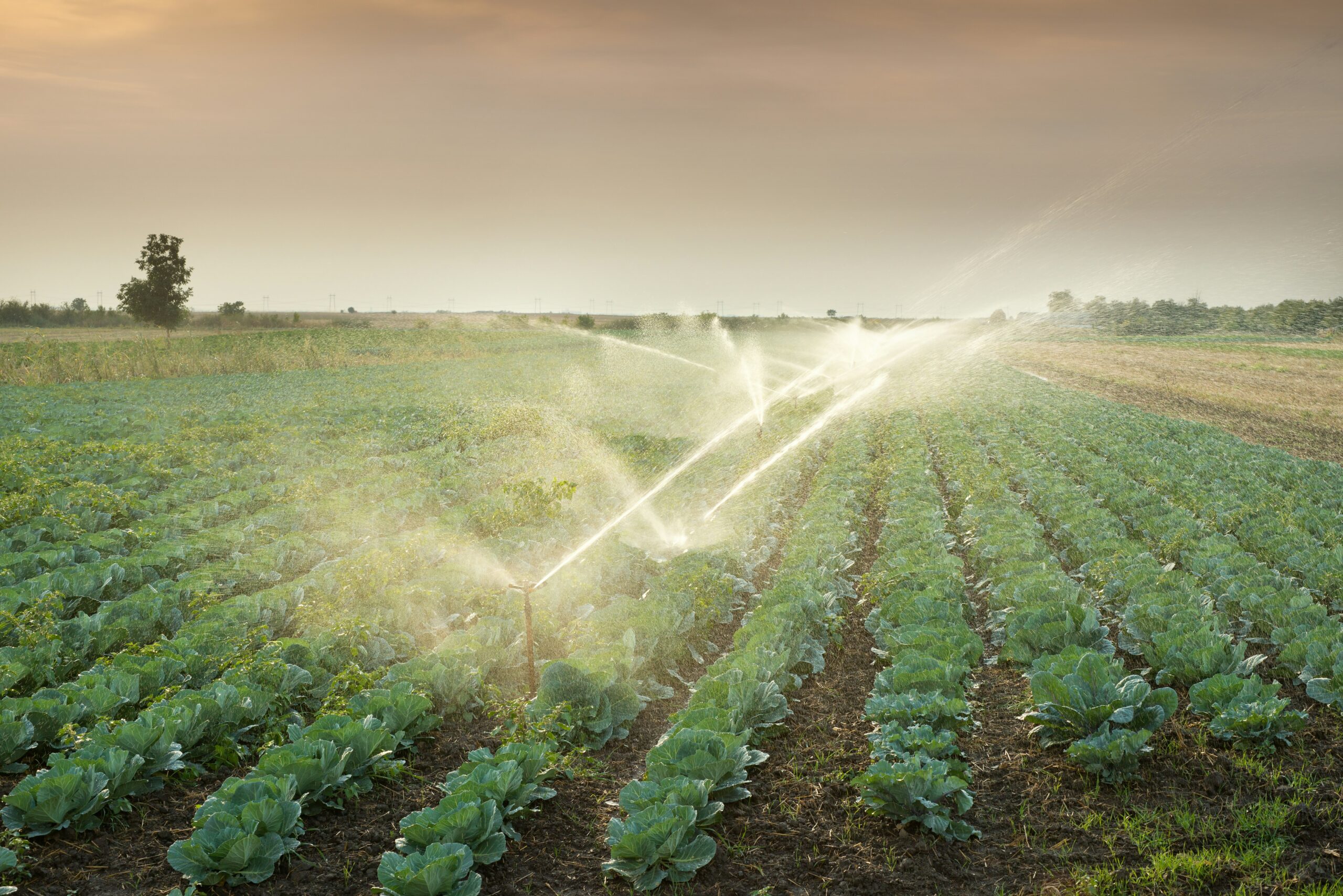
- Use simple irrigation (e.g. drip hoses or timers to reduce water usage)
Small changes can make a big difference, helping to create a thriving, resilient outdoor space.
Zac has an MSc in Food Security and Sustainable Agriculture and in his spare time he is a director at The Living Projects CIC, a community- and education-focused regenerative land management project. His new sustainability series for Wicked Leeks will cover home, energy, travel, water and more – you can also follow along via Instagram @Riverford.

Any relation to Jane … ? (I do go back quite a few years with Riverford).
Sorry. I’m an old idiot. How on earth is it possible to mix ‘Goodall’ and ‘Baxter’? I don’t know.
I’ve been thinking of Jane G – sadly missed – while reading Mark Rowlands (British philosopher now a prof in Miami; highly recommended on animal rights and living with large dogs).