

Lucy Antal believes that most UK policymakers, movers and shakers should step out of their southern bubble and descend on Knowsley in Merseyside, where she lives, if they want to see what food inequality really looks like. This is the second most deprived area of Britain where “it’s easier to buy a vape than an apple,” the food campaigner has famously said.
Life expectancy is shorter here by up to 12 years, fresh groceries are a bus ride away, so called “food deserts” abound while countless fast and junk food joints sit cheek by jowl with convenience stores piled high with ultra-processed food with lengthy shelf lives. Forget easy access to local greengrocers or nutritious, affordable produce.
“Many people that want to change our food system, and this includes a lot of politicians, aren’t actually on the ground, exposed every day to the very communities that face chronic issues with food inequality. Many exist in a London bubble where access is better than where I’m standing,” explains Lucy Antal, Lead for Food Justice at FoodRise.
Poor availability of good food is what spurred Lucy to start Queen of Greens, a mobile greengrocer over three years ago. This social enterprise drives affordable fresh fruit, vegetables and eggs into the heart of Merseyside’s food deserts. This simple solution is widely cited as a truly innovative way to combat our dysfunctional food environment.
“I think we should also have social supermarkets, state-owned shops or social hubs in the UK selling affordable, nutritious food,” states Antal. This is a nod to a proposal by the New York mayor, Zohran Mamdani who was elected in response to the affordability crisis in the city. He’s proposing city-owned grocery stores that will be exempt from rent and property taxes, allowing for cheaper prices.
“The most fundamental misunderstanding of those in power is this idea that supermarket chains are altruistic and will therefore do the right thing without regulation – this is never going to happen. Decisions are made by shareholders including overseas private equity. They are purely interested in profit making. We should not expect voluntary change unless their rivals have to do something by law,” states Antal, who is also director of Alchemic Kitchen, a project aimed at improving community food access.
She adds: “Look at the heavy discounting of fruit and veg by retail chains at Christmas and now Easter, which they use to entice consumers into stores. These price drops can be a killer for the likes of Queen of Greens and independent greengrocers. It also gives the impression that farm gate produce should be really cheap. This is ridiculous.”
Changing the food system
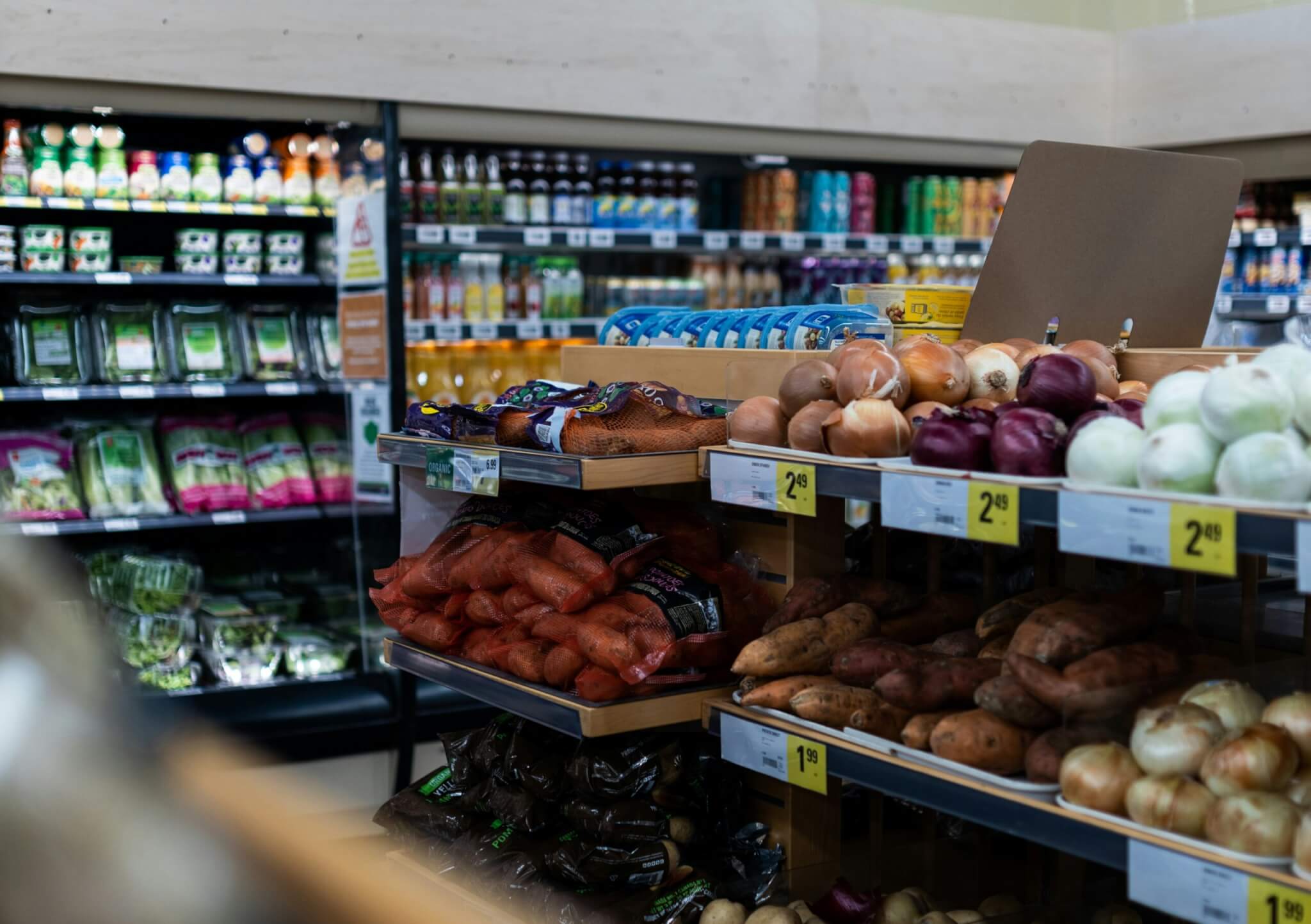
Another bugbear for Lucy are the ‘local convenience store’ versions of large supermarket chains, which charge higher prices despite many being located in deprived areas where food access is poor. At the last count there were over 6,000 of these ‘express’ and ‘local’ stores nationwide.
“It means that people who don’t have much choice or income are also being price gouged. This is not the only issue, many have food bank collection points for shoppers to pop goods into. Yet the retail giants are making profits on our donations! I would prefer people donated cash to a good cause not supermarket goods. This just fuels the incumbent system,” she states.
Lucy raised the issue with Waitrose several years ago after the words ‘perfect for the foodbank’ were emblazoned on a shelf sign, suggesting which products could be bought and donated to the instore collection point. She accused the retail chain of being tone deaf to the “realities of people having to access food aid.”
A locally invested future
So what does an alternative food system look like? For Lucy, it’s about making it easier for people to make heathier choices. This involves better neighbourhood access, especially for fruit and veg. But this involves public money, not only for more investment into projects such as Queen of Greens, but also to support a revitalised food and farming system.
“We have to say to local authorities: if you support and nurture citizen-led or smaller businesses that grow, distribute and sell healthier produce, this is an investment in the future of our neighbourhoods, our children and families, because you will be making it easier for people to source the food that is good for their health. Why is there no one on local councils with a portfolio for food?” questions Antal.
She continues: “It’s all well and good for Hugh Fearnley-Whittingstall to publish a book called ‘How to eat 30 plants a week’ but you try accessing that where I live. It’s just not happening. At the moment, you have many families having to use food banks in order to survive. This food is often unhealthy or ultra-processed, it’s hardly nourishing the healthiest generation in history.”
Today, 4.5 million children in the UK live in poverty, according to the latest figures from the Joseph Rountree Foundation, one in three of these experience food insecurity. There has been a huge increase in food poverty in the last few years. Cuts to benefits, the Covid pandemic and the cost of living have all exacerbated the issue.
That’s why Lucy is calling for universal school meals for all children and more empirical research on how the use of food banks is affecting young people, to the detriment of their health, their ability to concentrate at school, and their future life chances.
Pride in place
She is also campaigning on how we can renew people’s pride in the places they live, especially with respect to food and farming. “Growing Knowsley’s Future” is part of this campaign. Car parks here were once market gardens – 140 farms existed where there is now concrete and food deserts. Lucy believes rediscovering our neighbourhood food culture could bring about a renaissance in local production.
“There used to a Bird’s Eye factory here. We grew a lot of peas. Lots of people were employed in processing them. They are a great source of protein. Peas grow really well in the north. So how can we bring them back? I’m very excited about potential public procurement and changing people’s attitudes towards the humble pea,” says Antal.
She points out: “In Finland, Pea Soup Day is not an annual event, but a weekly tradition. You are unpatriotic if you don’t eat peas on a Thursday. So why don’t we have a British pea day? I’m also thinking about a Northern menu and what grows well here. Lots of berries of course, so why are we importing them from Poland? We can also grow more barley and quinoa, both do well in the North. We should be producing and eating loads more watercress as well instead of importing limp rocket leaves from Portugal.”
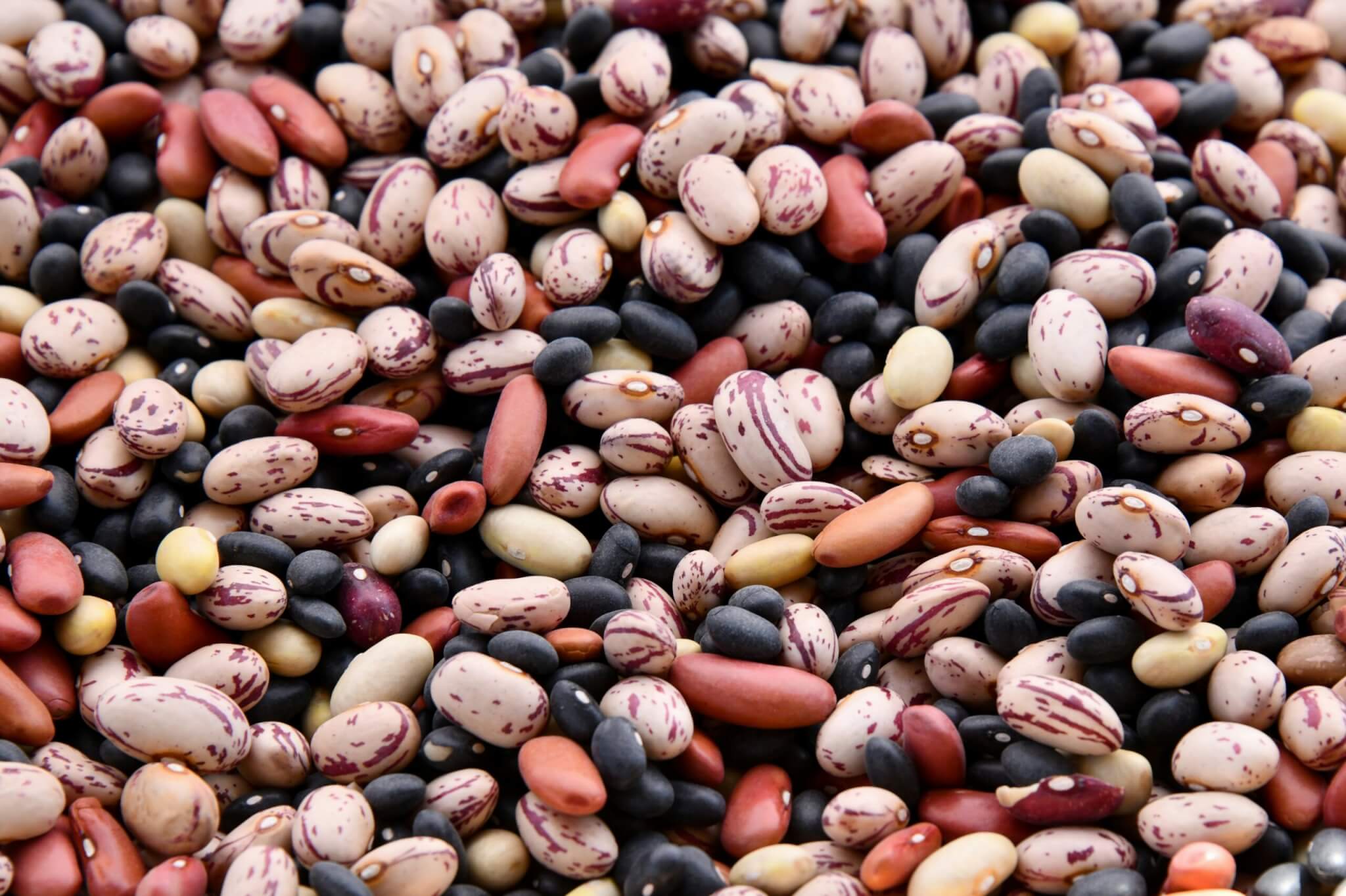
The argument for substitution in the British diet is a strong one. Swapping out some meat for peas or beans, or imported veg for tasty UK alternatives makes a lot of sense. This not only boosts local farm production, it also means less reliance on overseas destinations that could be climate- or water-stressed. A diet shift like this would also mean a lower carbon footprint.
“We should also have fruit and veg on prescription and put investment into this. This could be a game changer for many people. It’s always about investment. Food is also a connector and a celebrator, bringing people together for pleasure. It shouldn’t always be viewed as fuel, which is how it’s often looked at when it comes to policy and social support,” details Antal.
“All the good things about food shouldn’t be denied to people because they don’t have enough money or they don’t live in the right place. Food should be universally appreciated. We need a right to nutritious, healthy food. A bit like the right to healthcare.”
We’ve got the NHS, maybe it’s time for a National Food Service. Lucy Antal could be a good person to head it up. Her energy knows no bounds.


Social well being is undervalued and misunderstood. Spreadsheet politics revolving around budgets have squashed the idea of growing success. Nowhere more so than where capitalism meets food. Lowest cost (lowest tax) has meant biggest detriment to people and the environment. Solutions are long term and challenging. Good luck!