
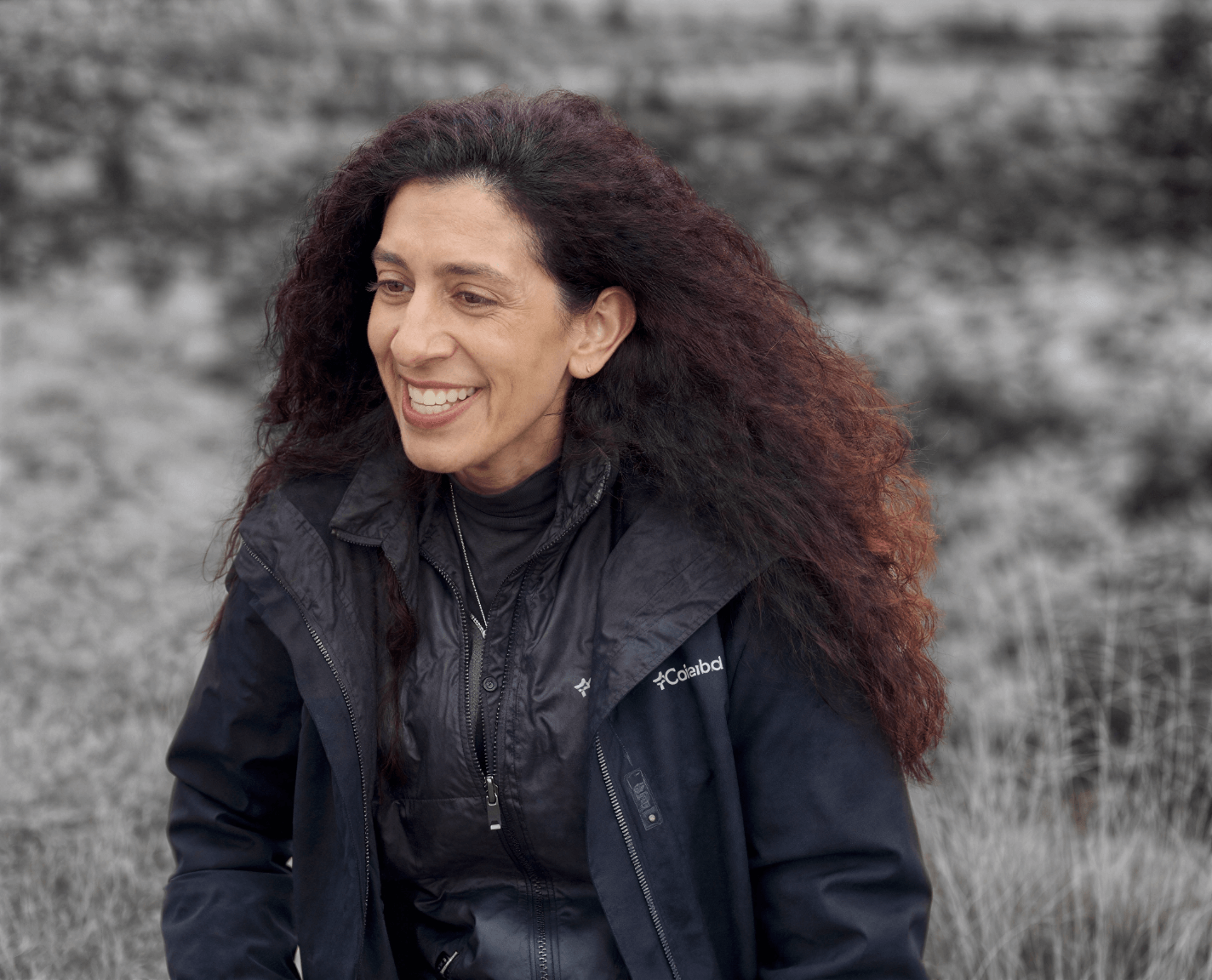
Women from ethnic minorities, some with disabilities, living in impoverished communities across the UK are the most marginalised in our society. They are at the frontline of food inequality and the furthest point away from some of our urban farmers’ markets, stacked high with produce that is often unaffordable, unobtainable, or culturally inappropriate.
This is the picture that Zarina Ahmad describes as she campaigns tirelessly for these people. She wants us all to shift our thinking on food and climate justice with under-represented groups placed squarely on the agenda; a lot of strategies cooked up in Westminster or the London bubble land wholly inappropriately with these communities.
“There are too many people in the UK who are in poverty and having to make hard decisions around what they eat. We’ve created a multi-tiered society, where many families don’t have the financial means to access nutritious, high quality food,” explains Zarina Ahmad, co-director of the charity, the Women’s Environmental Network or Wen.
She continues: “People in my own family have huge, physical and mental health issues, due to the fact that they can only afford poor quality, ultra-processed food. This is not the world we should be living in. Food is definitely a human rights issue. Everyone should have access to affordable, quality produce. Right now, there’s not a level playing field and we’re starting from a point of total inequality and inequity.”
Food corrupted by capitalism
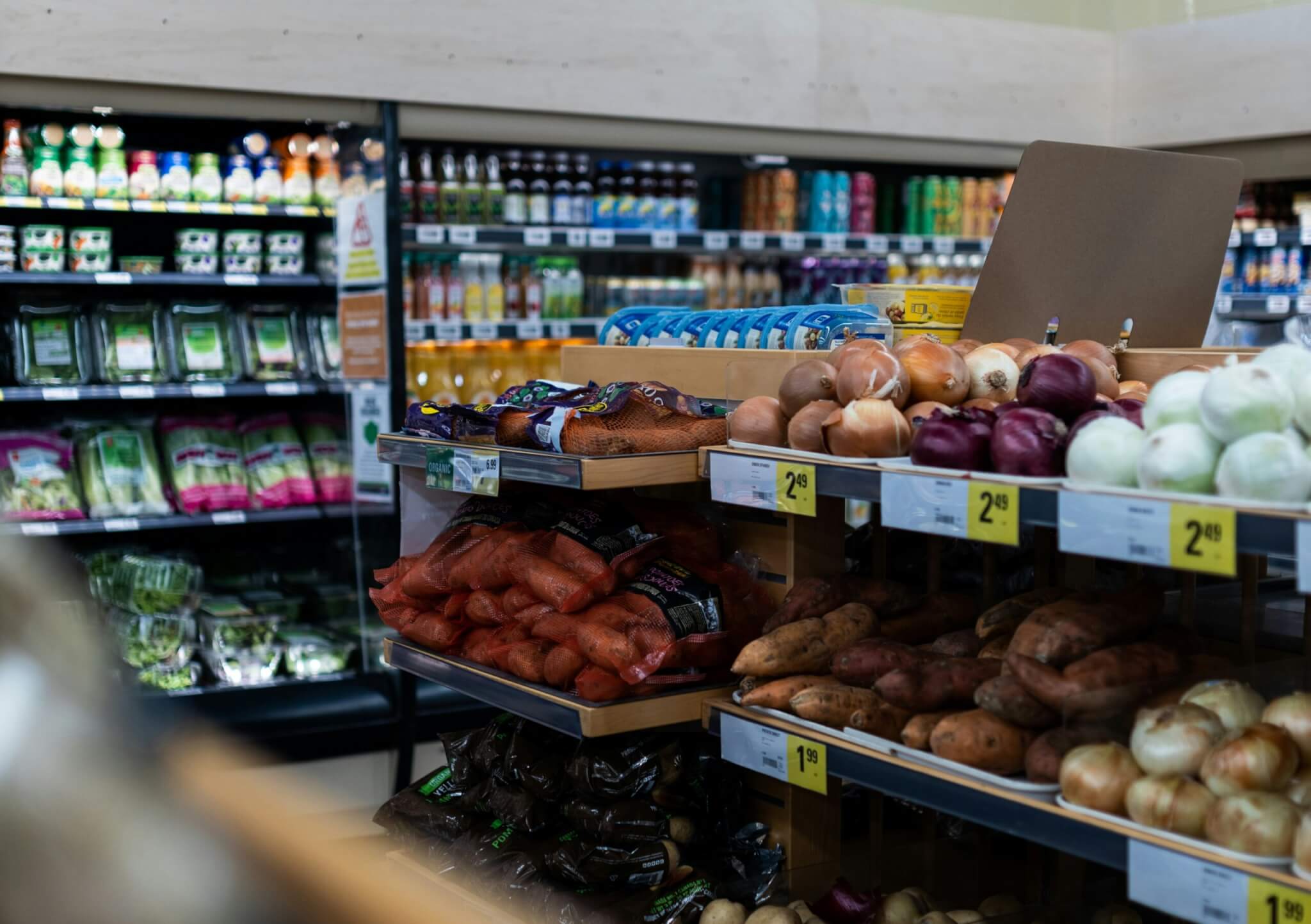
Zarina points out that the commodification of food is the issue and at the heart of a globalised, capitalist marketplace, which perpetuates these inequalities. Our social relationship with food is also degraded when purchases are purely transactional. It doesn’t help that supermarkets now control over 96% of Britain’s food retail.
“My father grew up on a family-owned farm. The purpose was to feed the village. It was never supposed to fuel a commoditised food system. My dad always said that the farm was there to supply the people and if there’s any surplus, then that would be sold. This idea has stuck with me since I was a little girl. Today, food now feeds a capitalist model and it’s also been weaponised,” states Ahmad, who was named one of the most influential women in environment and sustainability by BBC Radio 4’s Woman’s Hour.
Zarina, an activist, is based in Scotland and her work focuses on boosting participation from underrepresented communities, not just in environmentalism, but food systems, with a feminist approach – there’s a lot of work to be done.
“It doesn’t help that many women from black and minority ethnic communities are at the furthest point away from decision making and positions of power in this country. However, these women often carry the largest burden when it comes to food, since they are the ones cooking meals or making choices on the ingredients to buy,” details Ahmad, who is of Pakistani heritage.
She continues: “Their voices certainly aren’t heard, many of them are also invisible and excluded because they are often seen as victims or vulnerable and in need of help. So they are always in a deficit position rather than being viewed as an asset, or in a knowledge-rich position.”
This is where her research comes in. Zarina is doing a PhD at the University of Manchester on the food practices of British women of Pakistani heritage to see if their practises could be considered sustainable, since there is little research in the UK on ethnically diverse communities, climate change, and environmental issues.
“Why don’t we start acknowledging what already exists in society. We should ask: what do people already know about these issues and how do we build on that? We can drive community climate resilience from this position and the bottom up, rather than people in power telling these communities that they are doing the wrong thing with a degree of imposition. This just won’t work,” expresses Ahmad.
Time for more inclusion
Since being told that ‘ethnic minorities aren’t interested in climate change’, Zarina has dedicated herself to this field with a strong focus on food justice. Empowerment has been crucial for the communities she works with. For instance, Wen has overseen the Just FACT (Just Food and Climate Transition) programme in Tower Hamlets for the last five years.
This programme has helped more than 20,000 people and supported 26 grassroots organisations, where residents of the London borough have gained improved access to affordable, organic food. This involved food co-operatives, local buying groups, and city farms growing vegetables requested by local Bangladeshi communities. The scheme, which ended last year, helped save families thousands of pounds, cut food miles and carbon emissions, and boosted incomes.
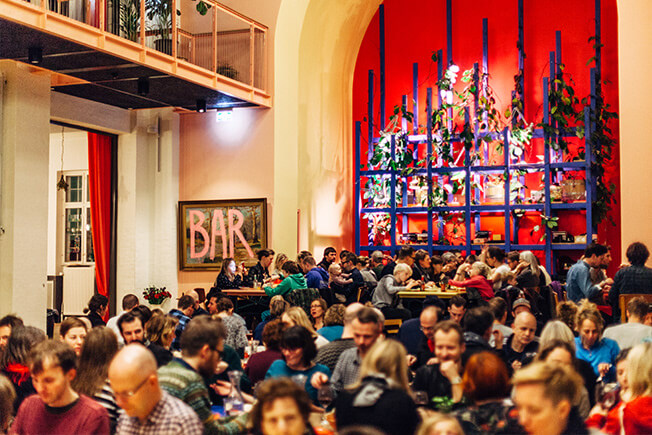
“What was good about this initiative is that it provided the space, resources, and tools for people to connect from different parts of society and different parts of the food system – where everybody felt as if they had something to bring to the table. They were all valued. It is really important that people feel part of a movement,” details Ahmad.
One element that this scheme particularly promoted was the ‘power of food,’ connecting communities and cultures. Just FACT ran a ten-day festival in September last year, celebrating this. For WEN and Zarina it has been about changing the metrics around food, moving it away from the capitalist model it’s currently founded on, questioning the norms, and embedding a more socially-minded, sustainable system.
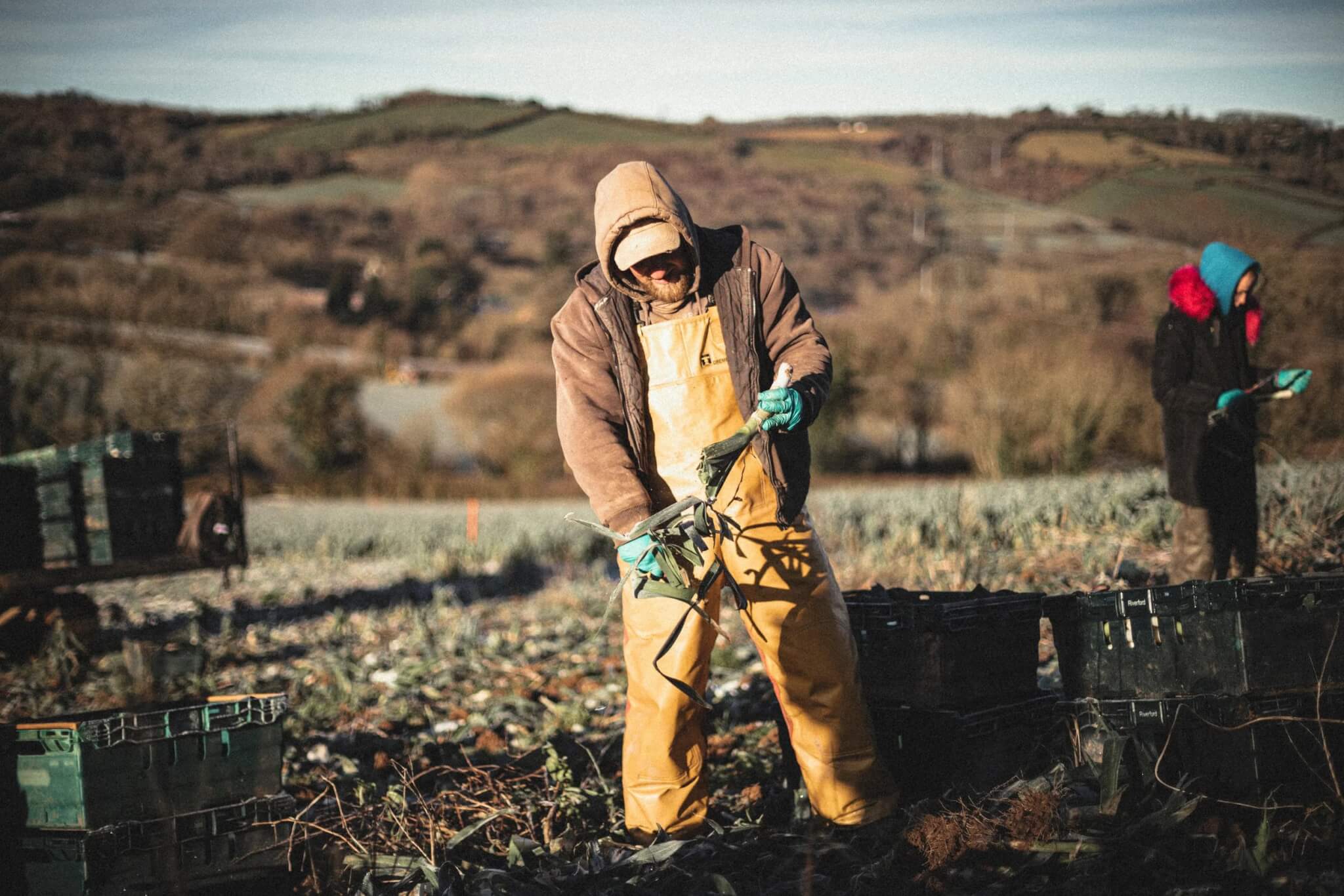
“It is now time for us to rethink the role of farmers in society and see them more like doctors or civil servants, where they could be employed as key service providers. Why don’t we pay farmers a salary to grow organic, good quality food? So they’re not working in a failing system to try and turn a measly profit, instead they could be given a salary where they offer a very valuable service, feeding the nation,” states Ahmad.
She adds: “If we gave them a decent wage to grow decent food, instead of relying on a dysfunctional marketplace, which is both elitist and cliquey, this would also encourage new entrants from more diverse backgrounds to enter farming and food production.”
Moving forwards, Zarina is keen to promote more urban farms owned by communities, with the sole process of providing locally grown, culturally appropriate produce, with a low-carbon footprint. The aim is for residents to have a stake in the smallholdings, which would be manned by volunteers.
“We just need the land. We need access. I’m hopeful things can change,” she concludes.



What a radical approach! I’m shocked at how much power the supermarkets now have: over 96% of British food is bought there. The commodification of food increases food inequality for the least powerful in our society.
Rethinking the role of farmers, by paying them a guaranteed wage to grow decent wholesome food is radical & necessary. Ours is now the worst nation in Europe for the consumption of ultraprocessed food & its harmful effects are undermining the mental & physical health of many of us. Zarina’s proposals could turn that position around, and quickly.