
Editor note: An administrative error meant that this story was accidentally bylined to David Burrows in our Friday Digital Digest. It is actually written by Megan Tatum. We sincerely apologise to both journalists for the error.
In 10 out of 11 key food commodities self-sufficiency has plummeted since the 1990s, as highlighted by the NFU in its rallying ‘Ready to Grow’ report in September.
The NFU found a deficit between supply and demand that spans wheat, fresh fruit and vegetables, poultry, pork and eggs. In total, food, feed and drink imports have risen 70% in volume since 1997, while exports have fallen 49% in the same timeframe – widening the UK’s trade deficit to a rather startling 9.9 million tonnes.
“This not only means the country has become increasingly reliant on imports to feed it, at a time of growing global insecurity, but it also raises the risk of the accumulated impact of these gradual year-on-year drops in production eroding the wider processing, supply chain and skills base which our food production depends on,” outlined NFU president, Tom Bradshaw.
For the trade body, food production has been systematically deprioritised by policymakers, nudging the UK toward a hefty reliance on imported foods. The solution is a set of ambitious targets for UK agricultural output moving forward, backed by better policies, planning laws and funding for farmers.
But given the decades-long decline in UK self-sufficiency, and the complicated reasons underpinning it, will such top-down changes really be enough to reverse current trends?
The complex story behind declining self-sufficiency
There isn’t one single reason that explains the UK’s waning self-sufficiency. Each commodity has a different story to tell.
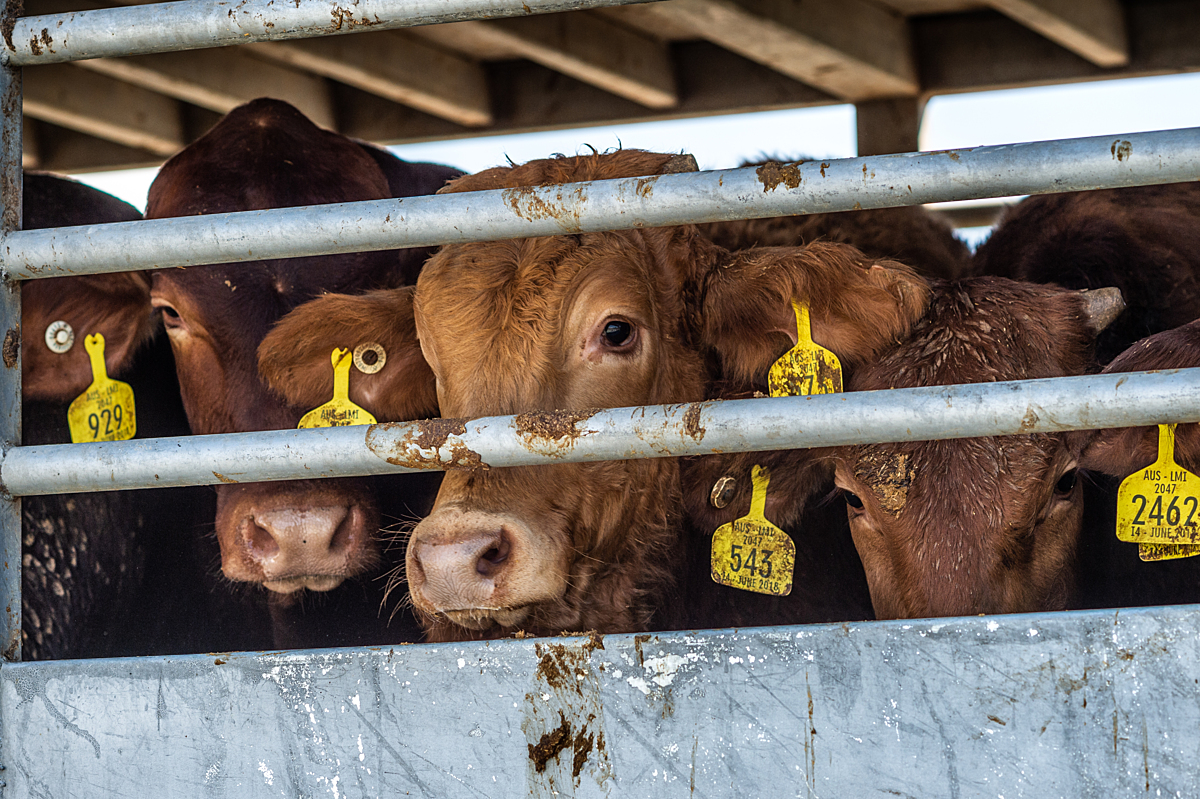
For example, self-sufficiency in beef has fallen from 103% in 1994 to 85% in 2024 against a backdrop of long-term profitability pressures, only partial farmgate price recovery, and a third successive dry summer. This has been compounded by less processing capacity and fewer resources to train up the next generation.
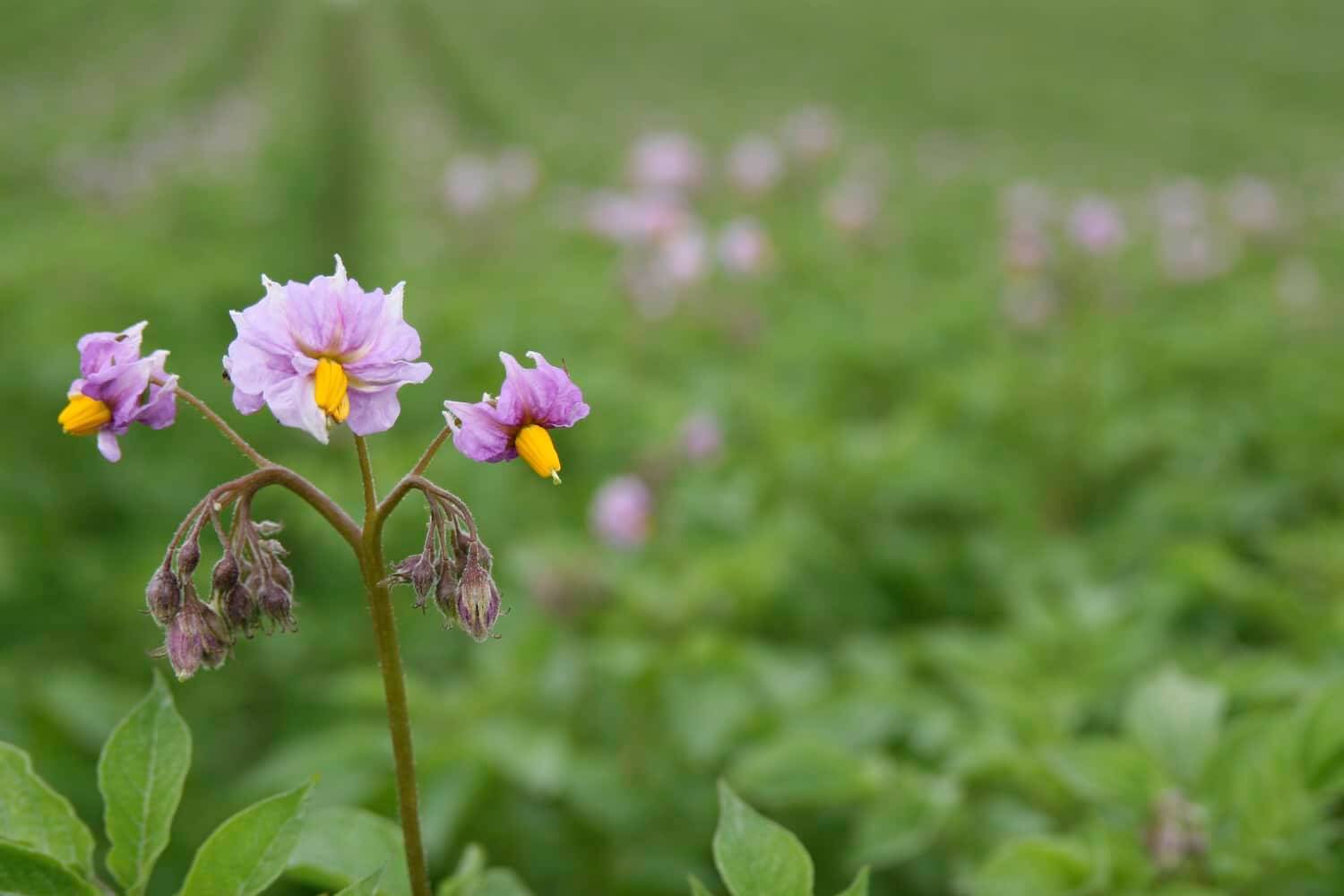
In potatoes meanwhile, a 20% fall is at least in part the result of changing dietary habits. According to data from the Department for Environment Food and Rural Affairs (Defra), weekly household purchases of fresh potatoes dropped from more than 1.3kg per person in 1974 down to just 326g, with imported processed alternatives, such as chips, gaining market share instead.
There are lots of different factors, agrees Lucia Monje-Jelfs, Senior Policy Officer at The Soil Association. Unfair supply chains, intense production challenges and low profit margins are undoubtedly part of the story. She flags, “the rise of supermarkets which have largely restructured our food system, with over 95% of our food now being sold through just 12 retailers.” This structural shift has centralised buying power, squeezing prices and edging out smallholders.
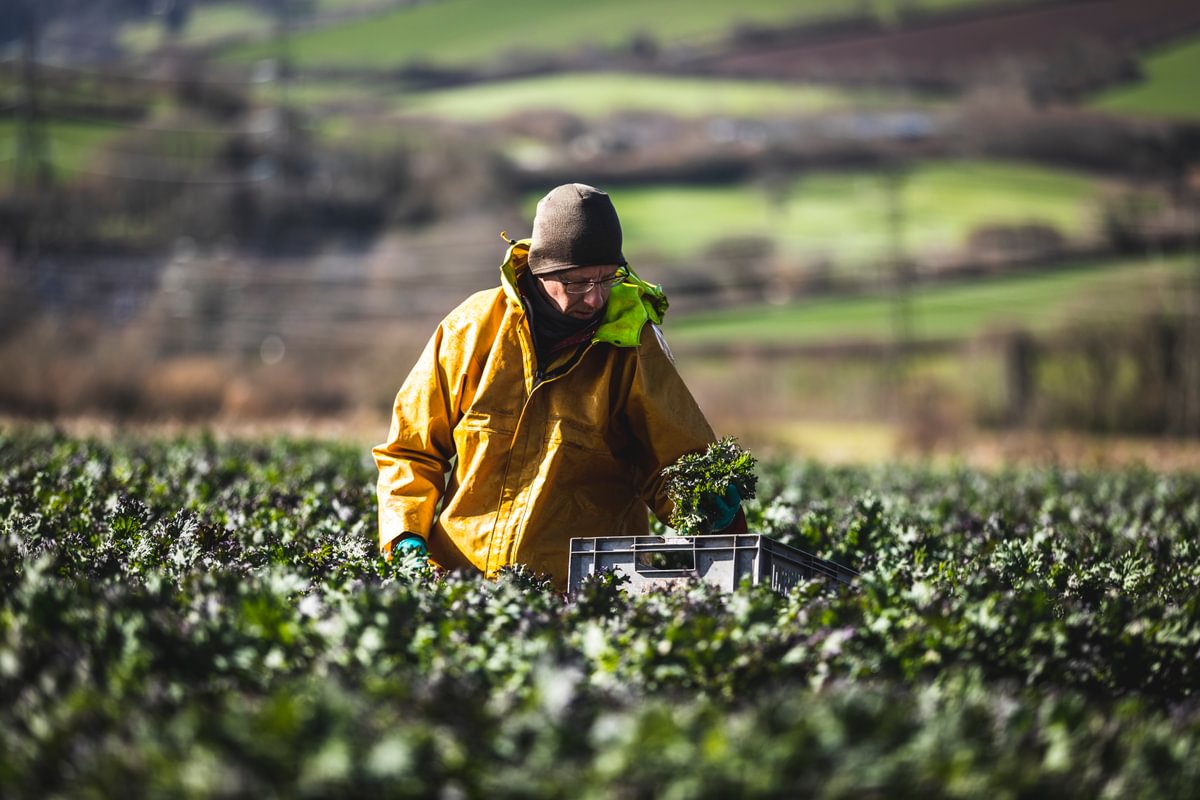
“There’s also some pretty intense production challenges” she adds. “At the forefront of my mind here is the pressure of climate change, with extreme heat and water scarcity really affecting the quality and yield of British produce. This year, it was a lot of leafy greens and brassicas that were really affected by the drought and the heat. That also creates intense working conditions for our growers and exacerbates financial concerns.”
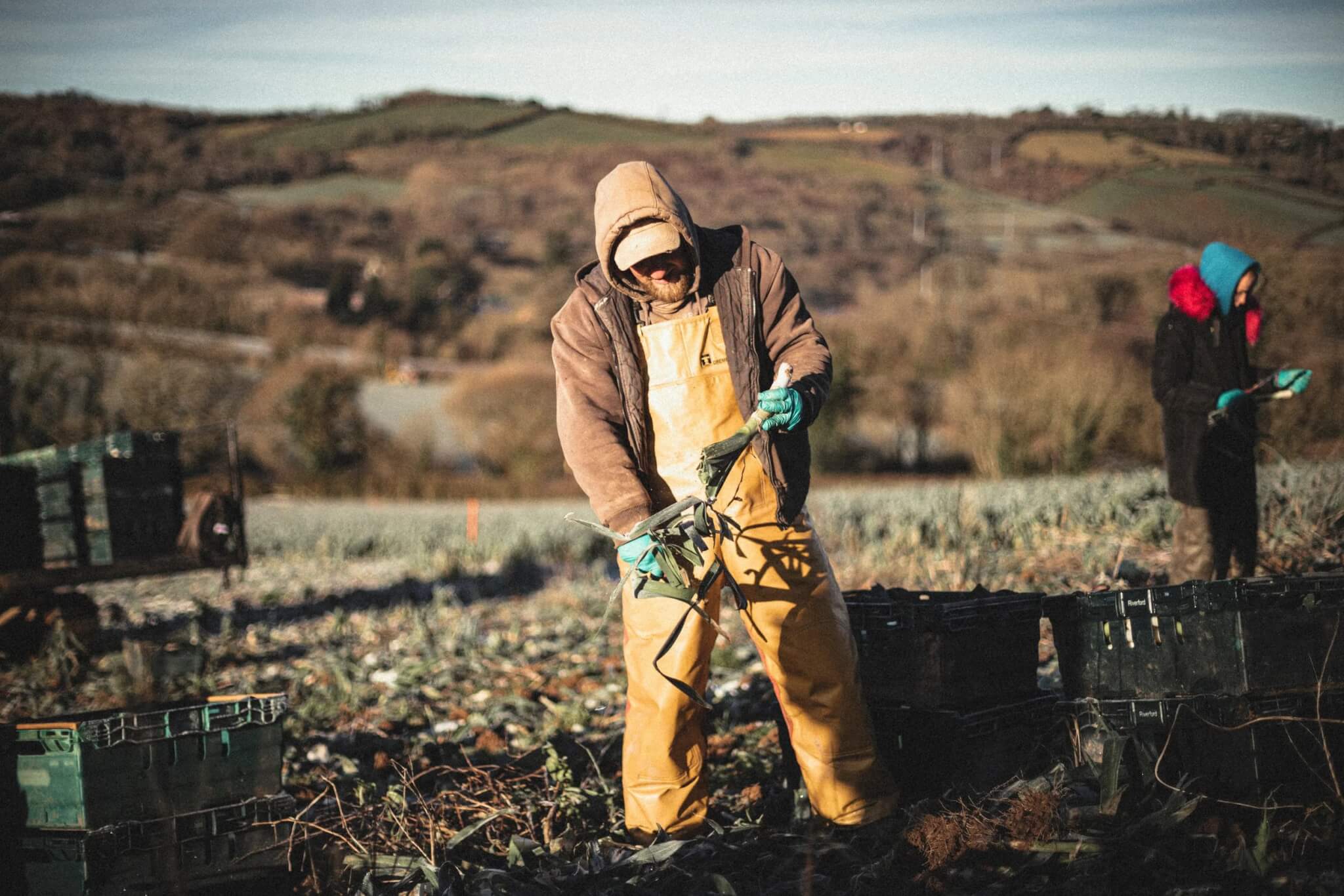
Added to this is increasing labour challenges that UK farmers must contend with. “Before Brexit around 75% of staff picking and packing fruit came from Eastern Europe and, since then, there hasn’t really been a suitable alternative labour stream. For the sector’s long-term resilience, we urgently need increased investment in skills and training across the UK.”
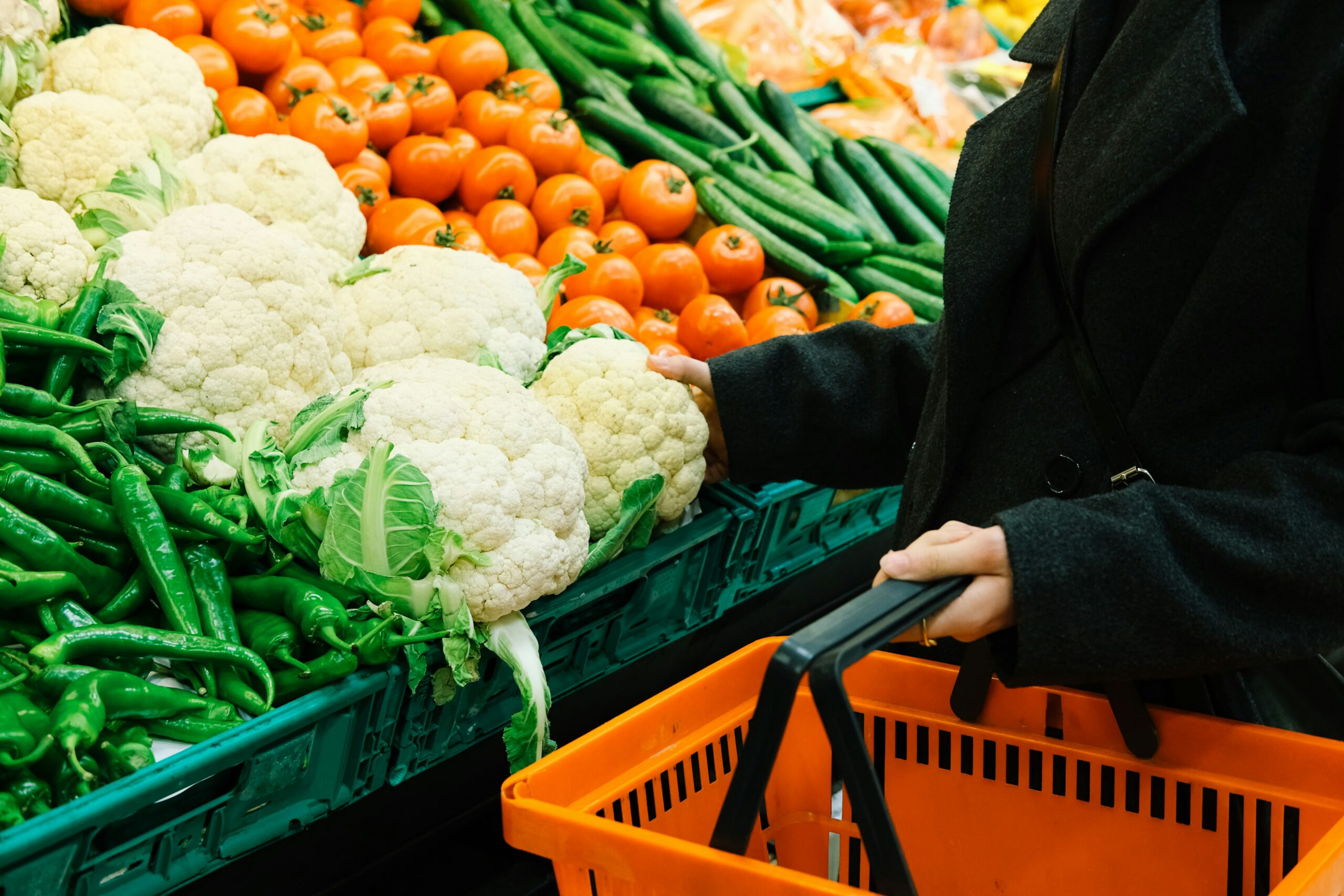
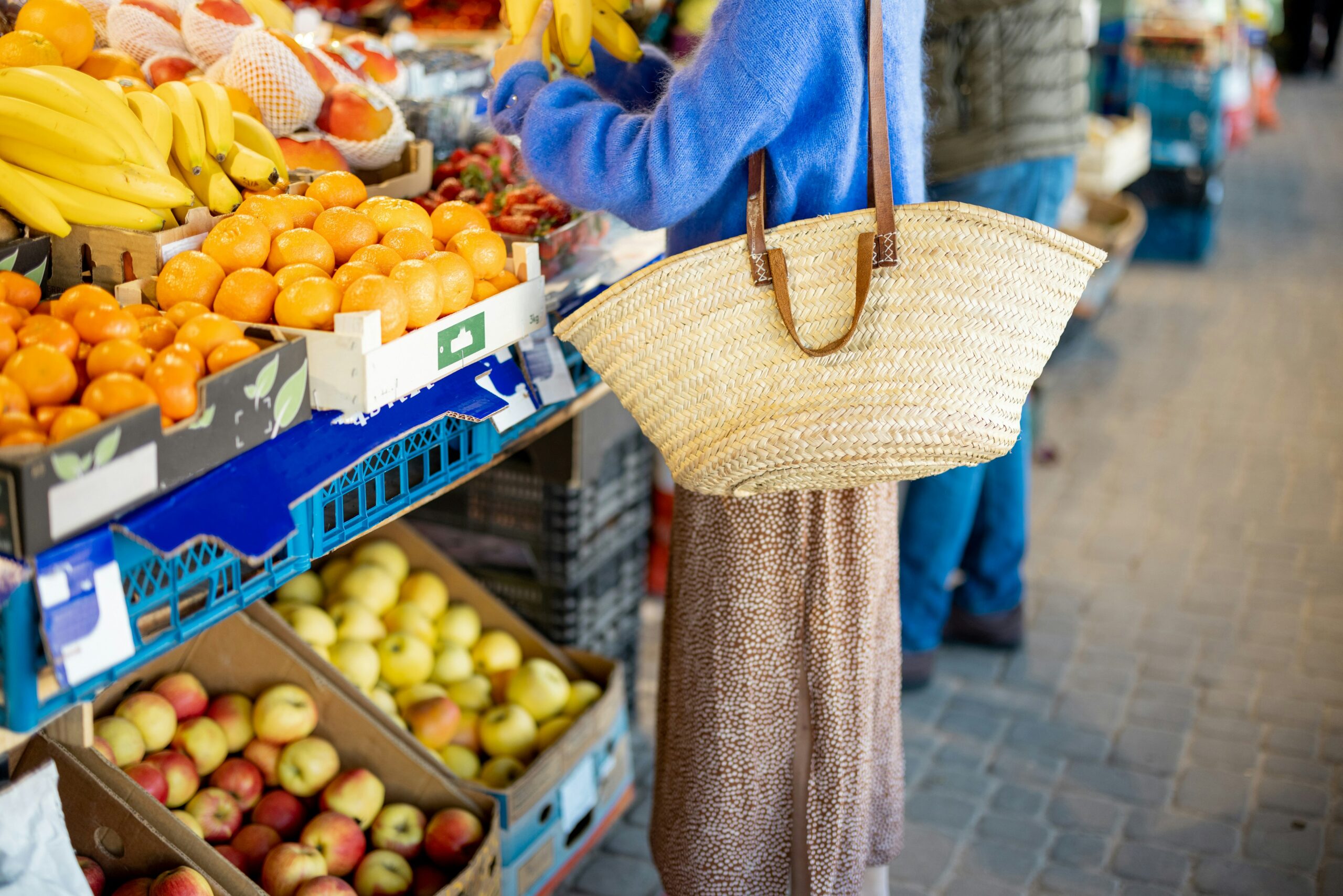
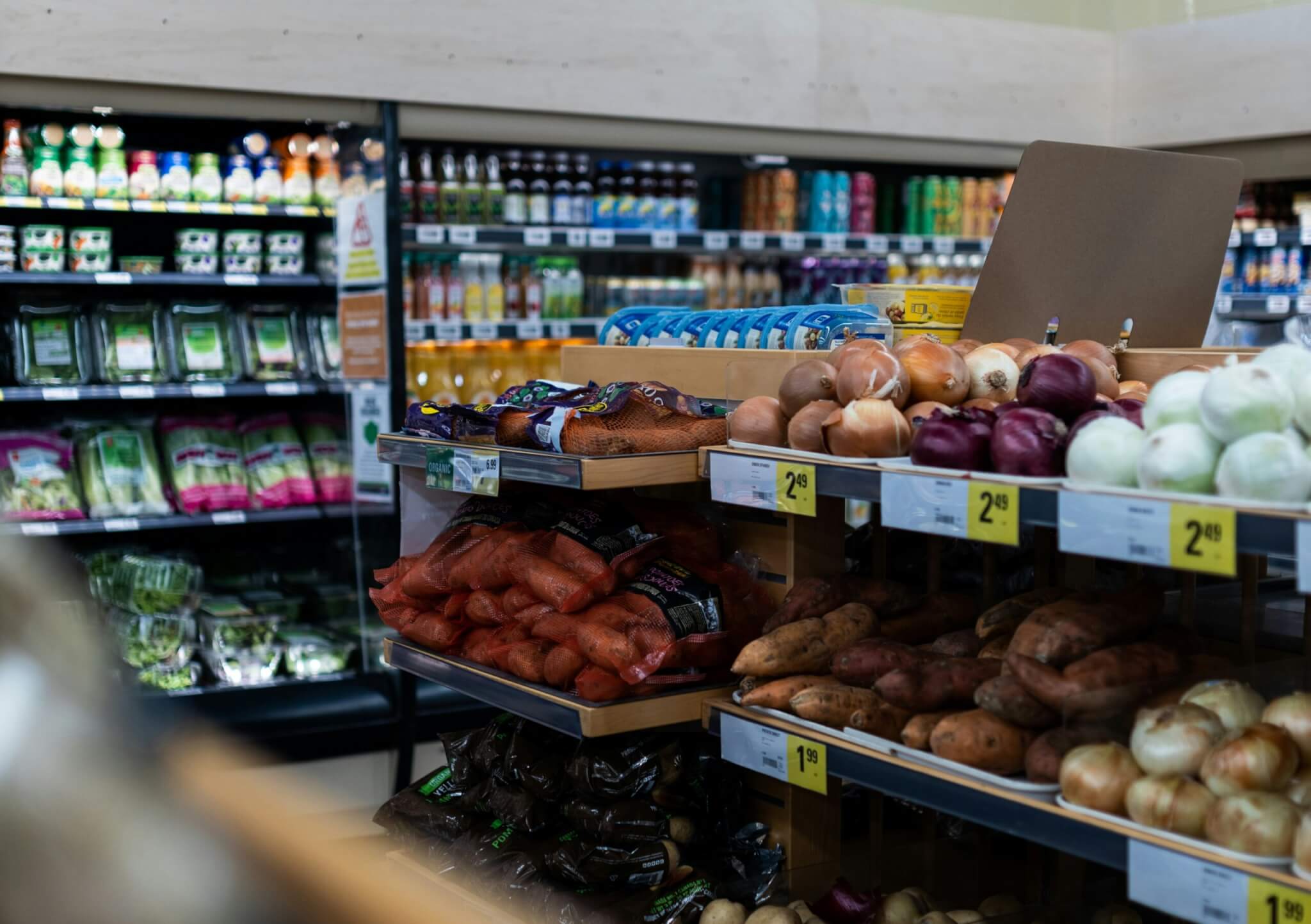
But alongside supply challenges, many changes are also demand-led. Simply put, “demand for food that can’t be grown here as well as demand for food all year round rather than when in season,” says Megan Perry, Head of Policy and Campaigns for the Sustainable Food Trust. That means supermarkets lined with Spanish strawberries, Moroccan blueberries or New Zealand lamb to satisfy shoppers during colder seasons, as well as wholly imported foods such as avocadoes, bananas and mangoes.
More intensive production methods have increased reliance on imported fertiliser and livestock feed too, adds Perry. This also “reduces self-sufficiency by leaving us vulnerable to supply chain shocks.”
Higher prices, empty shelves
For the average UK consumer, warnings about declining self-sufficiency might not feel all that pertinent. But already, the impact of our reliance on imported foods is starting to creep onto supermarket shelves, say experts.
For example, “for fruit and veg we are already starting to occasionally see that, because we’re so reliant on produce from abroad, as soon as there is a geopolitical or a climate shock there are shortages on supermarket shelves,” says Monje-Jelfs. It’s no coincidence that local veg box subscriptions surged during COVID, she points out. “Your local grower is probably your strongest ally [during disruption] in making sure that you’ve still got that fresh produce.”
Price can fluctuate too. UK retail cooking oil prices shot up 20% year-on-year following Russia’s invasion of Ukraine in 2022, due to the proliferation of imported sunflower oil in UK supermarkets.
That connection between international shocks and on-shelf prices extends to reliance on imported feed and fertiliser, adds Perry. “While intensive or industrially produced food may seem cheap, it is also vulnerable to supply chain shocks such as the war with Iran which has impacted fuel and fertiliser and is having a direct impact on food prices.”
It’s important we don’t demonise international trade, caveats Food Development Chef, Anthony Warner. “The UK is a difficult place to grow food, which is not a reflection on British farmers, but on our growing conditions.” That includes highly inclement weather. As a result, “international trade is very important in food. The idea of complete food autarky is not sensible.”
“We will always be reliant on quite a high level of imported food in order to sustain our population because of the size of our country and because of the quality of our land,” he adds. The ambition should therefore be “attempting to grow what we’re good at and do those things really well and then trade with the world for the stuff we’re not necessarily that good at.”
The NFU broadly agrees. “Trade will remain essential to UK food security, providing products that cannot be grown domestically, supporting consumer choice and helping to manage seasonal shortfalls,” it says. “However, trade policy should complement rather than undermine domestic production.”
Policy as “the glue” for broader change
Striking that balance is far from straightforward though.
According to the NFU the plan should include explicit targets for domestic production, a stronger agricultural support framework to ensure farmers are incentivised to invest and boost output, changes to planning laws to make it easier to expand infrastructure and processing capacity, investment in climate and water resilience, and a more level playing field between imports and homegrown produce.
Policy is a crucial lever too, agrees Monje-Jelfs. But “it isn’t all up to policy to resolve this situation.” The food industry – including farmers, retailers and consumers – also need to work together collectively to support food security.
That’s already happening in some areas, she points out, with initiatives such as the Innovative Farmers Network. “Retailers and supply chains have a responsibility to be supporting local and sustainable production and consumers too, to a certain extent, have a role to play in shaping the type of food system that we want to see and the type of farming landscape that we want to support.” Policy is “the glue” that facilitates some of these changes – for example, it has a role in creating a level playing field for retailers looking to support changes – but it isn’t all that’s needed.
For Perry too, the changes needed are all-encompassing.
“Food security is an urgent issue and that the UK needs to improve self-sufficiency, but we can’t do this using our current intensive, input-heavy production methods,” she insists. “With rising risks from global conflict and climate change, we need to invest in a radical transition to more agroecological, nature-friendly farming systems that restore soil health, sequester carbon and work in harmony with nature. We also need more diverse systems, both in terms of breeds and crop varieties and in terms of shorter, more local supply chains. Such systems are more resilient in the face of crop failures and disease or supply chain breakdown.”
In short, rebuilding UK self-sufficiency where it is sensible and sustainable to do so will be anything but an overnight project. It will require collective effort from industry and shoppers, alongside policy explicitly designed to support domestic production. But the payoff, say advocates, could be a food system that is more stable, secure and sustainable.

Thank you for an interesting article. The definition of “key” foods is debatable. Diet change towards an increasingly plant-based diet has been missed out. 85% of the land in this country is used for animal grazing or production of fodder crops with animals competing with people for food, and land to grow food. Land not suitable for crops can be rewilded with all the benefits that brings. This is the core issue to improve self-sufficiency. Everything else (such as 103 to 85 fall in self-sufficiency for beef) is obfuscation.
With you Diana on diet change, mainly to free up land being used for animal feed so we can grow more pulses and beans (like Hodmedods are trying to do), fruit, nuts and veg (agroforestry seems a good way forward too); thereby reducing pollution of our water and air from all the intensively farmed animal shit, improving our health, and if crops are grown organically and regeneratively, good for wildlife/biodiversity the soil and our long term future.
I wonder how many people read Wicked Leeks. Such good articles. If only the Department for Food Agriculture and the Environment would read it.
Thank you for this article.
I totally agree with Diana and Benjamin. If only we would eat more plant based food, better for animal and human welfare, better for our health, better for the environment……
I hope Riverford and Hodmedods continue to thrive. We need people who care about this planet.