

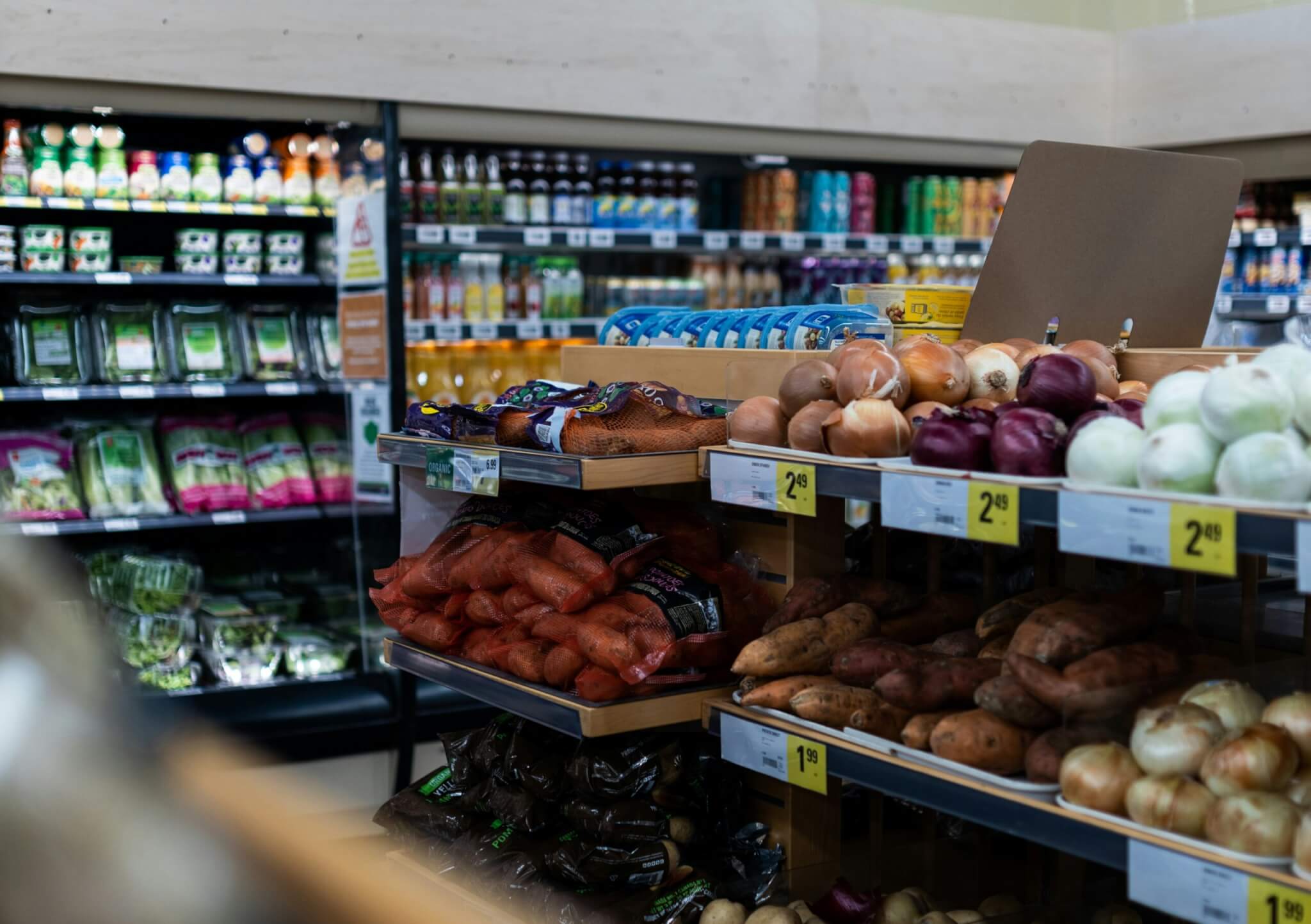
Testing of 30 foods and beverages bought from Tesco stores have revealed toxic chemicals called PFAS in every single sample. The samples included both Tesco and branded goods. The results have alarmed experts and will add pressure on politicians to act.
Environmental campaigning group Foodrise, commissioned the University of Birmingham to analyse a wide range of meat, dairy and fish products from the UK’s largest supermarket for the presence of PFAS – per- and polyfluoroalkyl substances, which are a group of 10,000 industrial chemicals used in everyday items such as cookware, grease-resistant food packaging, and waterproof clothing.
The Birmingham-based researchers said the most significant finding was not the concentration detected in any individual product, but the presence of PFAS in every sample analysed.
A Tesco spokesperson said: “We have reviewed the claims from Foodrise and the products they tested are below EU legal limits for PFAS. Own brand products tested for PFAS as part of our own testing programme comply with relevant EU legal limits. We are also working closely with our own brand suppliers to meet the incoming EU legislation for food packaging.”
Mohamed Abdallah, Chair in Environmental Chemistry at the University of Birmingham said the findings were “alarming”. “While PFAS concentrations and profiles varied among samples, this pilot study highlights the urgent need to monitor PFAS in UK food items and the wider environmental context – soil, water and fertilisers – to understand the sources and risks of PFAS in our food,” he added.
PFAS do not naturally degrade and can accumulate in the body, and there is mounting evidence that links the substances to developing cancers, immune suppression, infertility, and developmental problems.
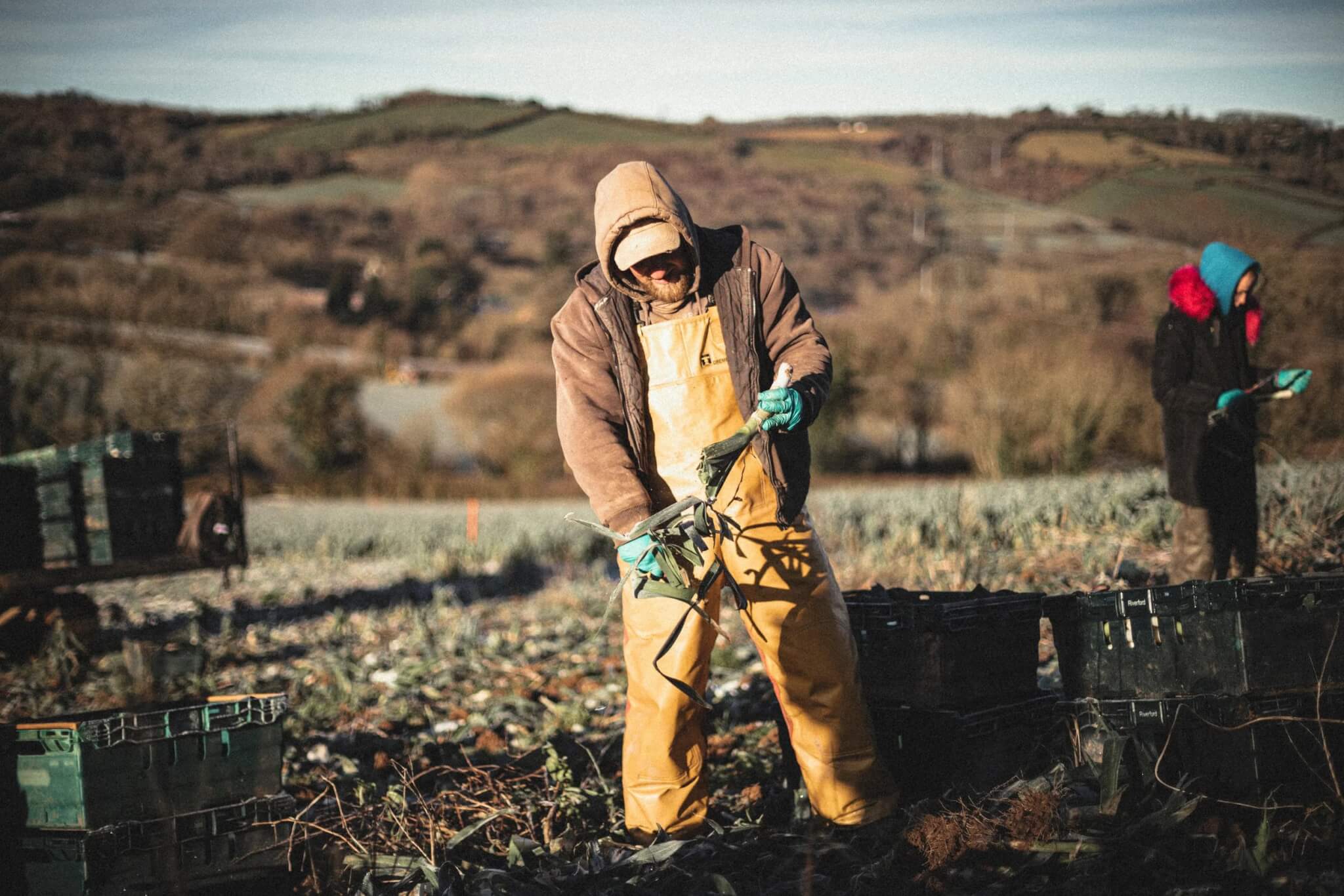
As well as packaging, PFAS are also found in pesticides. Research published earlier in the summer by environmental charity Fidra revealed that at least 30 PFAS active substances are approved for use in Great Britain and remain widely used across UK agriculture. In fact, PFAS pesticides made up approximately 14% of the top 50 most commonly applied pesticides between 2023 and 2024, largely unchanged from 13% in 2021 and 2022.
Fidra also investigated longer-term trends, focusing on the arable sector as the most prevalent crop sector in UK agriculture. “We found that from 2014 to 2024, the top five most-used PFAS active substances were applied to over 41 million hectares of arable crops in the UK – an area the size of Paraguay,” the organisation noted.
Wicked Leeks has been tracking this issue for some time. Indeed, the Tesco study is not the first time PFAS have been found in our foods. And it certainly won’t be the last.
“Forever chemicals are in the headlines a lot these days, which on the one hand, is really encouraging as it is forcing politicians to look at them,” explained Megan Kirton, senior project officer at Fidra. “However, I think the message that ‘they are in our food’ is a bit of a missing link,” she added.
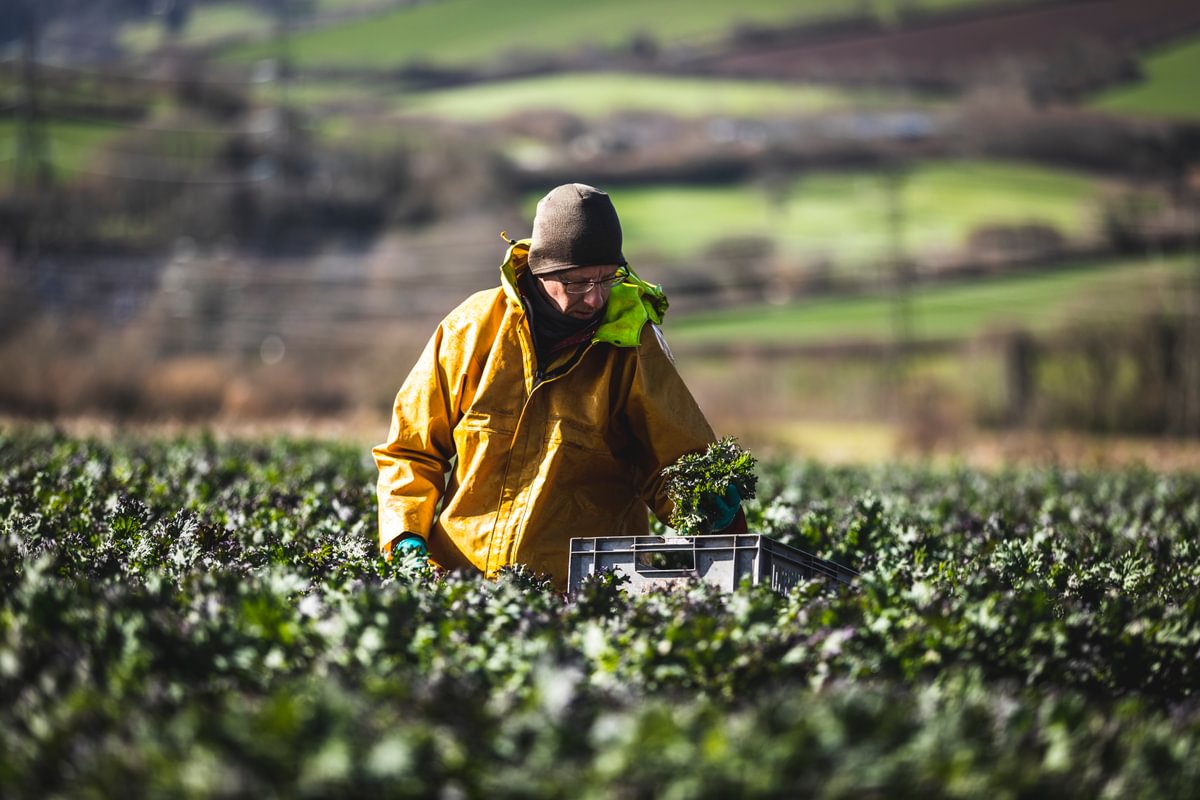
Because yes, they are in our food, but that does not automatically mean our food is unsafe. In the Global North, “we’re in a range where it’s between no risk and a small risk… where it’s very difficult to prove,” David Savitz, an Emeritus Professor of Epidemiology at Brown University, US, told the Financial Times recently. However, prolonged exposure to such toxins can be very serious for the farm workers who apply these chemicals.
The Guardian has reported on the quantities of PFAS added to crops in California, for example. “The risk for uptake of PFAS is likely higher in water-rich fruits and vegetables, because water attracts the chemicals, and research has shown PFAS may concentrate at dangerous levels in some produce,” the paper noted in November, adding: “The chemicals also pollute water supplies and present a higher risk to the often low-income farm workers.”
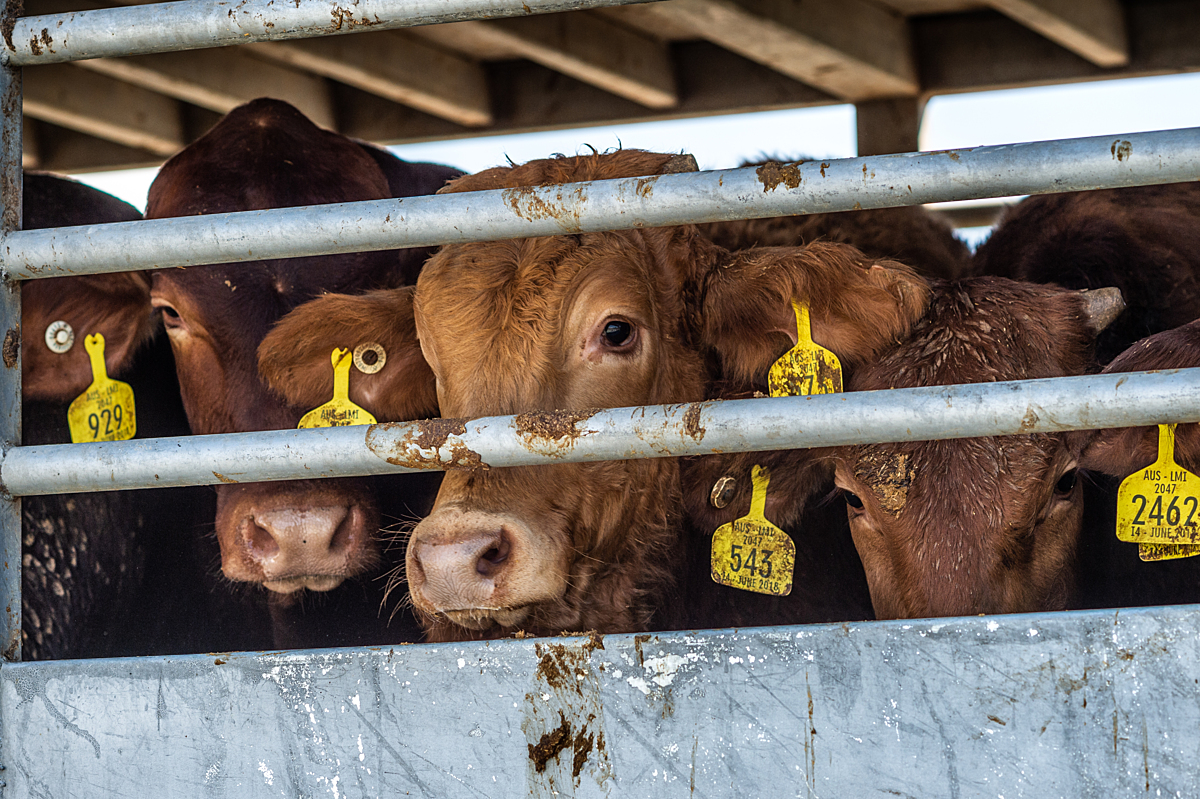
Other recent headlines across national and international media have covered the presence of PFAS in milk and yoghurt. Dairy products, along with meat, fish and eggs, tend to carry the highest concentrations, especially near pollution hotspots. This is due to bioaccumulation – when livestock ingest “forever chemicals” from contaminated soil, water, or feed, causing the chemicals to build up in their tissues and animal products over time.
Ireland also hit the headlines at the end of last year following an investigation by the Pesticide Action Network (PAN) Europe that found high levels of the ‘forever chemical’ trifluoroacetic acid (TFA) in everyday cereal-based foods across Europe. TFA is an extremely persistent breakdown product of several PFAS, which do not degrade naturally and accumulate in water, soil, crops and food, making exposure widespread.
Ireland is particularly exposed to TFA pollution because the fluorinated herbicides that degrade into TFA are widely used there — on cereal fields, permanent grassland, silage production, sports pitches, school grounds, public parks and roadside verges. Once applied, these herbicides break down into TFA, which then persists indefinitely in water and soil.
PAN Europe’s research showed breakfast cereal purchased in Ireland contained 36 times the EU’s ‘forever chemicals’ safety limit. The findings drew “significant attention” in Ireland, as Caroline Lewis, executive director at Friends of the Irish Environment, told me recently.
“Public awareness of PFAS in food is still relatively limited, but the study has clearly raised concern about everyday dietary exposure, particularly from staple foods like cereals,” she explained. “We received direct queries from members of the public, including concerns about breakfast cereals consumed by children.”
Lewis felt that media coverage of PAN’s research also “correctly framed the results as a potential public health concern, given the links between PFAS exposure and reproductive, thyroid, and liver effects”.
The warnings have begun to stick as further research emerges on the scale of this environment, social and economic problem of widespread production and use of PFAS. Pippa Neill, a journalist who has been covering the issue for years, recently noted that “more than 17,000 contaminated sites have been identified across the UK and Europe, with pollution detected everywhere from densely populated towns to some of the most remote regions. The reality is, not just in the UK but across the world, many people could be living in PFAS hotspots without knowing it.”
Safety first
Tesco said the products it sells “are safe” and suggested that reporting otherwise would be incorrect and irresponsible. The Foodrise-commissioned research received little pick-up from the mainstream media, though it adds to the growing pile of evidence that the usage of PFAS must be approached with more caution than it has historically.
Campaigners are calling on governments in the UK and Europe to apply the precautionary principle to these widely-used chemicals. They point to Denmark as an example of what can be done.
The UK is continuing to use PFAS active substances now withdrawn in Denmark and in some cases, the rest of the EU, in “significant quantities”.
From 2014 to 2024, more than 34 million hectares of UK arable crops (an area greater than the size of Finland) were applied with PFAS active substances that are now withdrawn from use in Denmark due to environmental and health concerns, Fidra found.
The EU is also regulating and restricting use of the chemicals more widely. A driver of this is concern over TFA, an ultrashort-chain PFAS that often forms from the breakdown of larger PFAS, such as those used in pesticides. Once formed, it is extremely persistent, highly mobile in water, and difficult to remove.
Previous research undertaken by Fidra and the University of York found TFA pollution to already be widespread across UK rivers, with TFA detected at 98% of the 54 sites tested. This summer, the risk assessment committee of the European Chemicals Agency concluded that TFA should be classified as toxic to reproduction, persistent, mobile and toxic (PMT) and very persistent and very mobile (vPvM).
The update is a crucial step in recognising TFA’s potential risks to human health and the environment, said campaign groups. In the EU, for example, it would mean TFA is now considered a “toxicologically relevant” metabolite of PFAS pesticides, triggering stricter legal thresholds.
This month, new limits for PFAS intentionally added to packaging – often for grease and moisture proofing – came into force under the EU’s packaging and packaging waste regulation (PPWR). Some big brands, including Coca-Cola, McDonald’s, and Kraft Heinz, wanted the rules ripped up and revised at the last minute due to “legal uncertainty”.
What is certain is that these forever chemicals are everywhere, and the risks of this can no longer be ignored. The Tesco results “hammer home” how often we are being exposed to PFAS here in the UK, and “reinforce that diet is a major pathway for ‘forever chemicals’ to enter our bodies”, Fidra’s Kirton told Wicked Leeks.
The UK Government’s recently published PFAS Plan is seen as a positive step, with the prospect of further testing for PFAS in food and food contact materials. Responding to the plan in February, academics pointed to the considerable risks PFAS pose: both those in use today, including by food companies, and those leaking into our environment from contaminated sites like landfills, that can find their way into our foods and water.
Abdallah at the University of Birmingham said it is “crucial” that the UK Government’s plan considers “a holistic approach for assessing UK population exposure to PFAS from different pathways, including the less studied routes of skin contact with PFAS-treated consumer products and migration to food through food contact materials”.
Testing alone does not go far enough to protect us from the risks PFAS pose, according to environmental and health campaigners. “Without restricting these chemicals at source, PFAS will continue to build up in our environment, food and our bodies. We must turn the tap off on forever chemicals [and] the UK government must commit to a wide-reaching restriction on PFAS,” Kirton said.
With countries in Europe and soon the EU restricting PFAS use, pressure is mounting on the UK to follow suit. That could take months, or even years, which puts voluntary commitments by supermarkets and restaurant chains in the spotlight.





“…applied to over 41 million hectares of arable crops in the UK, an area greater than the size of Paraguay,…”.
According to Google, Paraguay is 1.7 times the size of the UK. Simple comparison done for effect and, it would seem, wrong.
I’m guessing that fields were sprayed more than once over that period? Although I don’t think the Paraguay comparison is useful, something like “20 times the size of Wales” might have been better for a UK audience.
This is how many hectares were sprayed over the course of 10 years – between 2014-2024 – as noted in the article and the direct quote from Fidra.
“applied to over 41 million hectares of arable crops in the UK” If you can’t get basic statistics right it brings into question how trustworthy the article is. According to Accredited official statistics Agricultural Land Use in United Kingdom at 1 June 2025 “As of 2025, the total croppable area in the United Kingdom is approximately 6.1 million hectares. Within this footprint, actual planted arable crops account for roughly 4.4 million hectares, with the remainder made up of temporary grassland and uncropped fallow land.”
This is how many hectares were sprayed over the course of 10 years – between 2014-2024 – as noted in the article and the direct quote from Fidra.
Emine, you are inferring, you may be right in your comment but what is written is clear and factually wrong. At least as I read it.
It is not an inference, nor is it factually wrong. You can read the full report here: https://fidra.org.uk/download/pfas-pesticide-active-substance-use-in-the-uk-in-2023-2024/.