
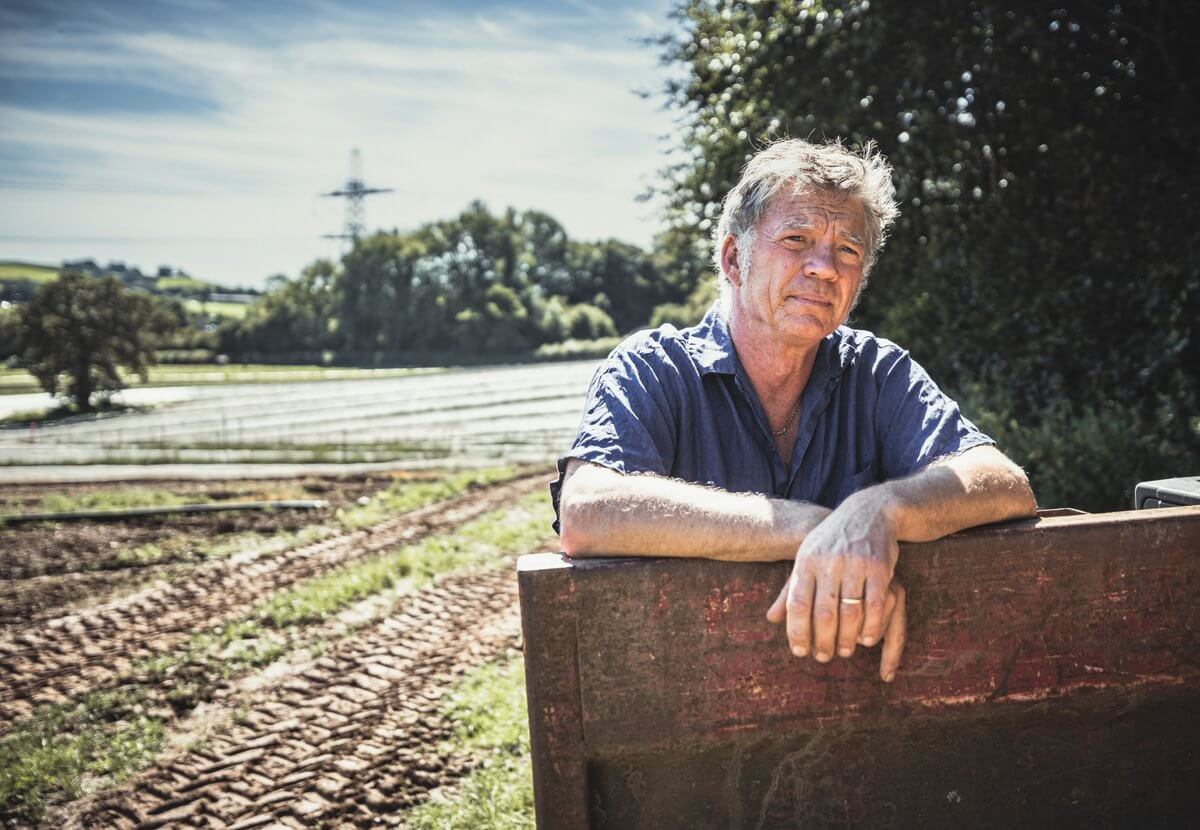
I have been lucky enough to live my 65 years in a period of relative peace, stability, and prosperity. Since 1980, that stability has been accompanied by a quasi-religious belief that the free market and global supply chains will solve all our problems, thereby relieving government of the need to have coherent, joined up, forward-thinking policies. But today, with a collapse in governance and the rules-based world order, our peace and prosperity depends on the impulses of a few rich and powerful men and our prosperity and ability to feed ourselves feels increasingly fragile.
It’s not just the 40% of food that we import that is vulnerable – what we produce in the UK is highly dependent on fertiliser from the Middle East, soya from South America, seed, machinery and agrichemicals from a handful of global companies, and even imported CO2 to stun and kill our pigs.
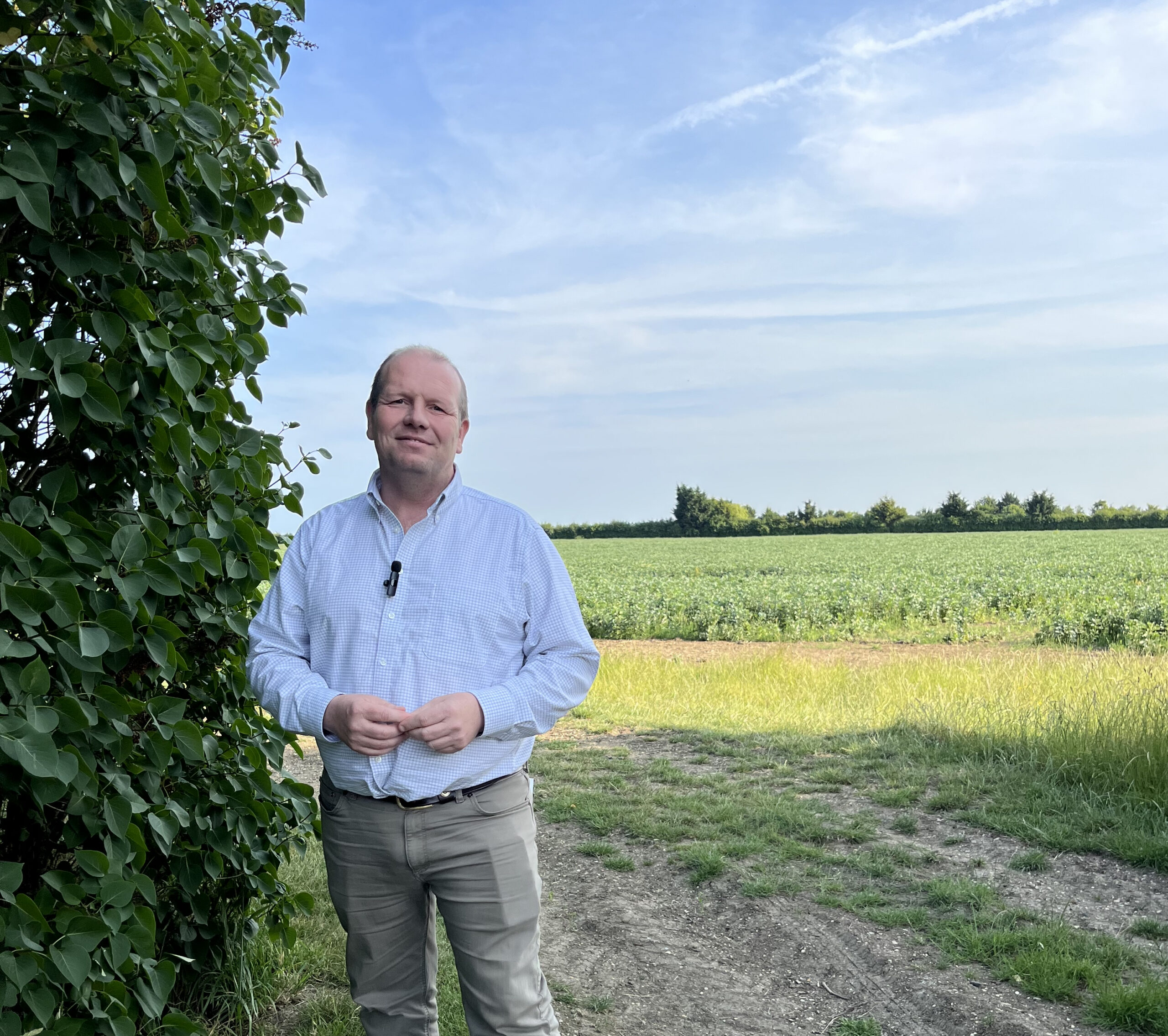
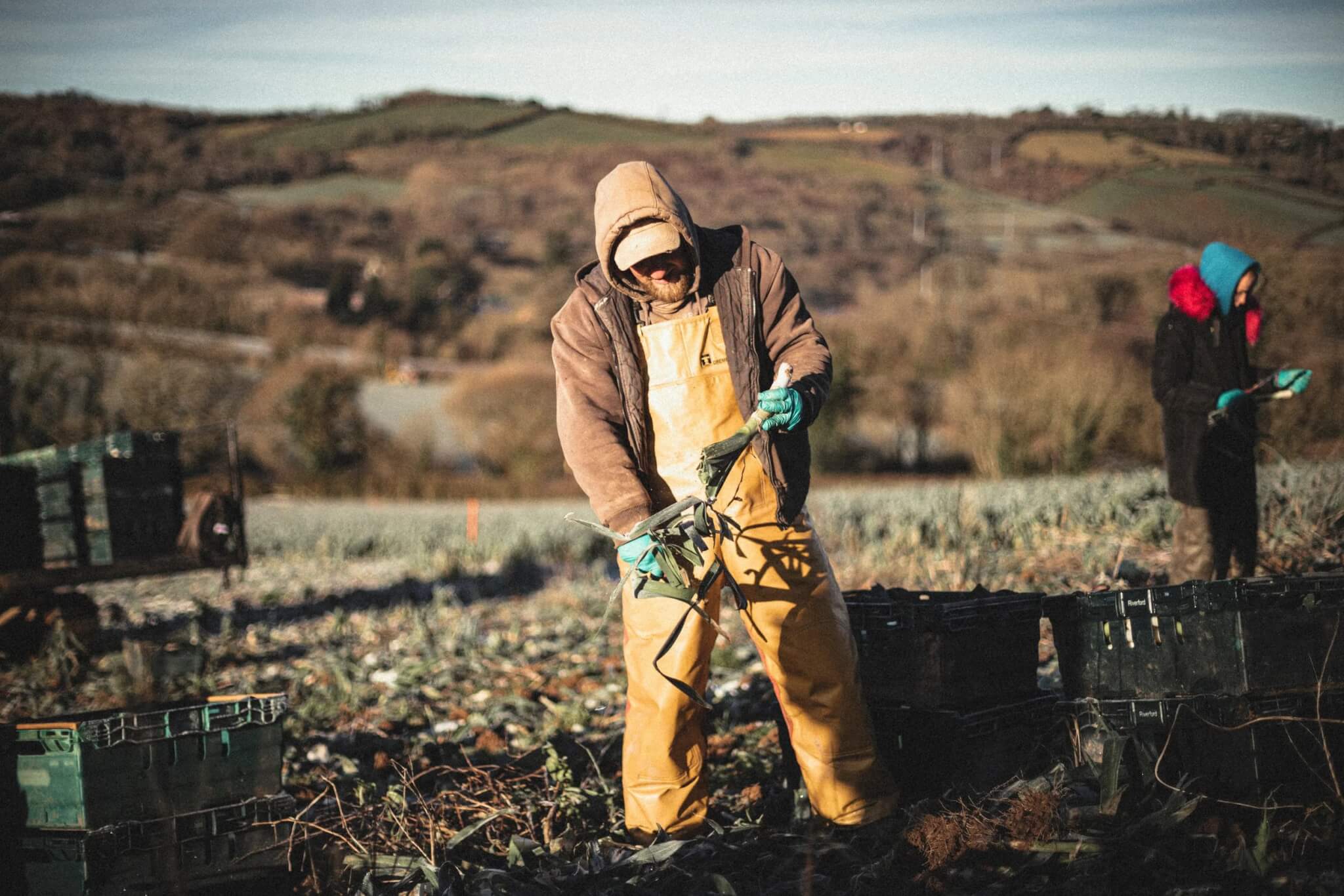
One of the fundamental principles of organic farming is that a farm should be a self-contained, closed loop – nutrients are retained and recycled, minimising the need for external inputs. The nutrients leaving my farm in veg are replenished by compost made largely from local domestic waste mixed with small amounts of manure bought from our neighbours, rather than urea travelling through the Strait of Hormuz. It is a lot more work and the effects are less dramatically impressive than applying immediately available, synthetically-produced ammonium nitrate but we are still enjoying the benefit of compost spread 10 years ago – as the structure, moisture-holding capacity and ability of the soil to support a healthy and flavoursome crop grows every year.
Moving, turning, and spreading compost costs us between £150 and £300 per acre, per year, which is similar to today’s war-inflated prices for artificial fertiliser but we get a lot more from the compost than just nitrogen. There is also a strong argument for taxing nitrogen fertiliser which accounts for 31% of energy used by UK agriculture and an even higher proportion of greenhouse gas emissions.
But with your support, we are building a sustainable and secure future. Most of UK farming is trapped in a cash-starved, extractive loop that destroys soil and ecosystems while leaving our country’s food supply vulnerable to an increasingly unstable world. Outsourcing the problem to the lowest global bidder is failing us all and our planet.
Our News from the Farm posts come from Riverford. They are the digital versions of the printed letters which go out to customers, every week via Riverford’s veg boxes. Guy Singh-Watson’s weekly newsletters connect people to the farm with refreshingly honest accounts of the trials and tribulations of producing organic food, and the occasional rant about farming, ethical and business issues he feels strongly about.


Well observed. In addition to ammonium nitrate glyphosate is another eco harm used in increasing and likely harmful quantities both for wild life and likely human health. Being addicted to “fast” anything is destroying our local health and economic well being. Short term politicians deliver ridiculous realities. Sad but true. What’s to be done support the long term focussed farmers just like Guy. Love their products and protect this green and pleasant land. Oh and avoid the chemicals that harm everything they touch!