
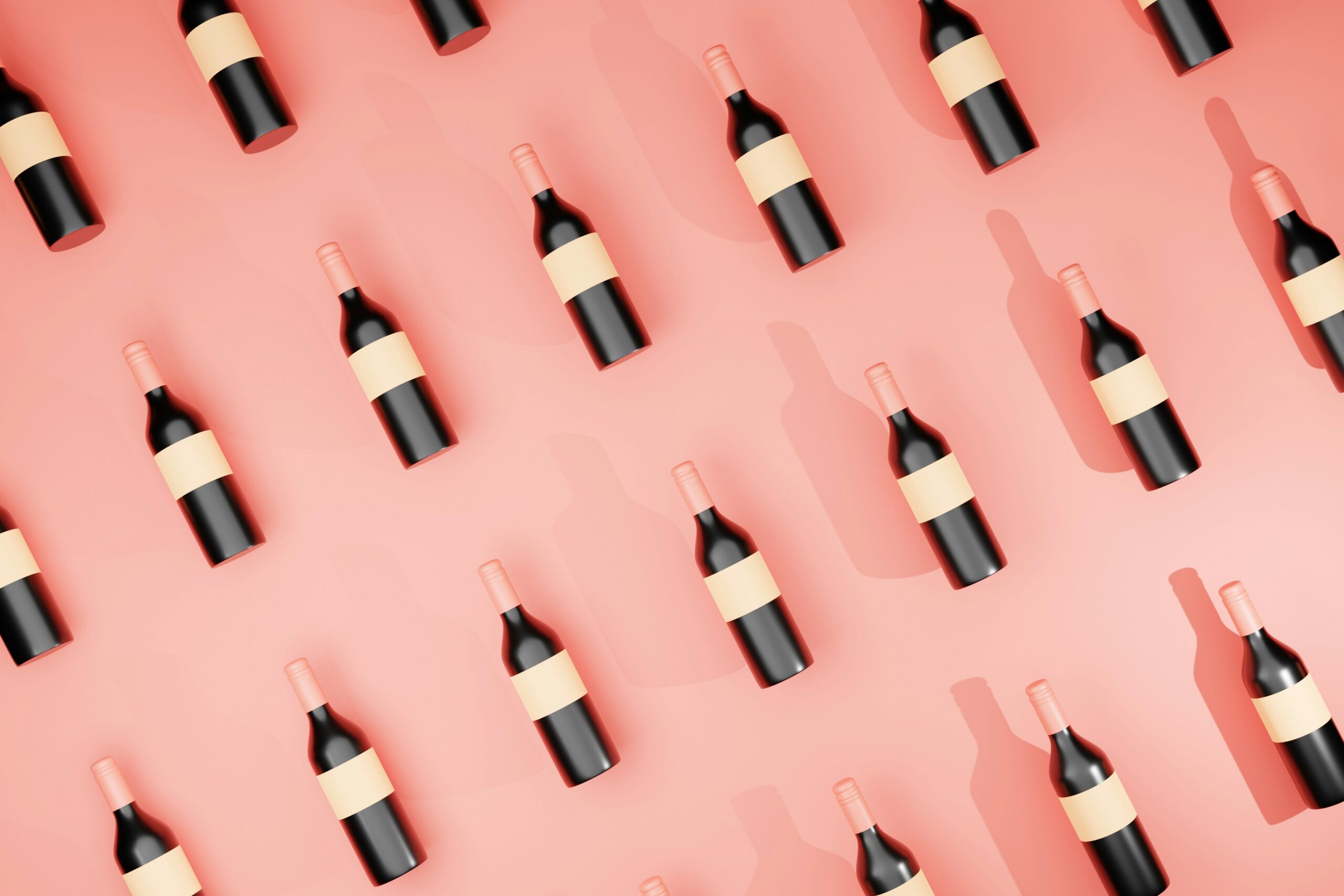
The last time you picked up a bottle of wine at the local store, cave or supermarket, did you notice anything different? Probably not. But there is a fair bet that, while you were holding the same amount of wine (750ml), the amount of glass had shrunk – or rather, been lightweighted.
In the past three years, wine producers and sellers have been working hard to lightweight their bottles, using less glass in the process. The likes of Laithwaites, Vina Concha y Toro, Virgin Wines, Tesco, and Waitrose have collectively reduced the average wine bottle weight from 550g to 430g. Their target, under the Bottle Weight Accord is 420g, by the time you sit down for a drink to welcome in the New Year.
This definitive target and deadline has focused the minds of those involved – and now applies to 2.5 billion bottles of wine, or 9% of the wine drunk globally. Consumer research and experience to date has also helped release the “handbrake” on innovation, according to Peter Stanbury, Director for Research and Standards at the Sustainable Wine Roundtable (SWR), which runs the accord.
The perception was that heavier bottles meant better quality wine, Stanbury explains in this year’s update to progress against the target. “For some, therefore, reducing bottle weights was seen as something that might damage sales. The reality was rather different,” he adds.
Indeed, what they – and academic studies – have found is an “indifference” to bottle weight. This has resulted in the premium wines lightweighting too. Some traditionally heavy-glass Rhône producers have for example cut their weights from 600g to 380g, and even some Châteauneuf-du-Pape now comes in lighter bottles. This would have been unthinkable just a few years ago.
“[…] Clearly all premium wines could do the same,” Stanbury explains. Because bottle weight reductions are being carried out across the sector, it makes it easier for those who might otherwise be reluctant to reduce bottle weight to do so,” he adds.
Seeking the light
Progress for some may well be in small steps, but others are already selling wines in bottles weighing far less than the 420g target. At Les Vignerons de Tutiac, a major wine cooperative based in Bordeaux, France, they are moving from 490g to 410g, but the ‘Help Protect the Ocean’ range is in bottles weighing just 360g.
“Each time we reduced the weight, we were a little concerned about how it would be perceived,” says Damien Malejacq, Director of Marketing for the cooperative. “To make a bottle lighter, you also have to make some compromises on its shape and design,” he continues, and “as wine professionals, these differences can seem quite significant to us, even when they are actually quite subtle for consumers”.
The bottle is really important to the presentation of the wine, helping to “give value to the wine inside, and therefore to the work of the grower. So you don’t want to reduce the weight too far and suddenly make a wine feel less valuable,” Malejacq adds.
So far there has been “no negative feedback” on the lighter bottles. If anything, the reaction is “very positive”, especially when consumers understand the logic of the move.
Initially the driver for change had been greenhouse gas emissions: the glass bottle makes up about one-third to one-half of the wine’s carbon footprint, so reducing bottle weight is one of the fastest and most effective ways to lower those emissions. In 2024 and 2025, the lightweighting efforts of those in the accord saved 440,000 tonnes of greenhouse gas emissions (GHGe), which is equivalent to the emissions from 73,000 households, so a city roughly the size of Cambridge.
“Lightweighting bottles is an obvious and important immediate action that producers can make,” explains Cristina Crava from the Porto Protocol, a global wine community sharing knowledge and solutions to bring climate action to life. “They require less energy to produce and are less weight to transport [reducing emissions further].” What’s more, the lighter bottles are recycled just as readily and largely go unnoticed by consumers.
The bottles are also cheaper as they use less energy to make, less fuel to transport, alongside reduced packaging fees.
The Extended Producer Responsibility for packaging (pEPR) scheme, recently introduced in the UK, is designed to shift the financial and physical cost of managing household waste from taxpayers and local councils to the commercial producers and brand owners who place the packaging on the market. Drinks and hospitality industry representatives have been outspoken in their criticism of the pEPR scheme, which they say treats glass unfairly given the weight-based approach to fees.
“When we started the Bottle Weight Accord back in 2023, I would say that the primary motivation for lightweighting was to reduce scope 3 [emissions],” explains Stanbury. “However, since then the financial imperative has also become very significant.” If all the emissions savings had been levied at the UK EPR rates, participants in the Accord would have saved £58m in avoided fees.
A glass act
With margins across the wine industry thinning, the innovation in glass packaging to cut costs and carbon is only going to continue. Competition is also heating up. Some winemakers and sellers are moving away from glass, with the tipples already being sold in aluminium and paper-based bottles, and even plastic ones (the thought of which turns some producers pale).
Glass will remain the go-to for some time yet, say its supporters. “The mistake often made in discussions around sustainable packaging is assuming that innovation only happens when materials are replaced,” Fiacre O’Donnell, Sustainability Director at glass designer, manufacturer and bottler Encirc. “In reality, some of the biggest carbon reductions currently being achieved in wine are coming from innovations within glass packaging itself.”
As O’Donnell explains, lightweight bottles are becoming widely adopted and the amount of recycled glass used in ‘new’ bottles is increasing. Furnace technologies are improving, too, and logistics networks are being redesigned. Bulk shipping and local bottling are becoming more common. “Together these developments are significantly reducing the footprint of glass without requiring consumers to change long-established purchasing habits,” he says.
But maybe the old habits associated with wine in glass bottles can lead to new, even more sustainable ones. As Crava from the Porto Protocol explains: “Reducing the impact of single-use packaging should not stop us from questioning single-use itself. Reuse is therefore an area we believe deserves much greater attention. [W]e need to think about packaging as a system, not simply a material,” she adds.
That is certainly food (or rather drink) for thought.




0 Comments