
For nearly fifteen years, my family and I lived by the daily routine of food. Not menus, recipes or trends, but soil, seasons and responsibility. Our days were shaped by feeding animals, collecting eggs, sowing seeds, fitting in abattoir runs, shovelling muck and bottling produce, with the quiet satisfaction of producing something honest for ourselves and others.
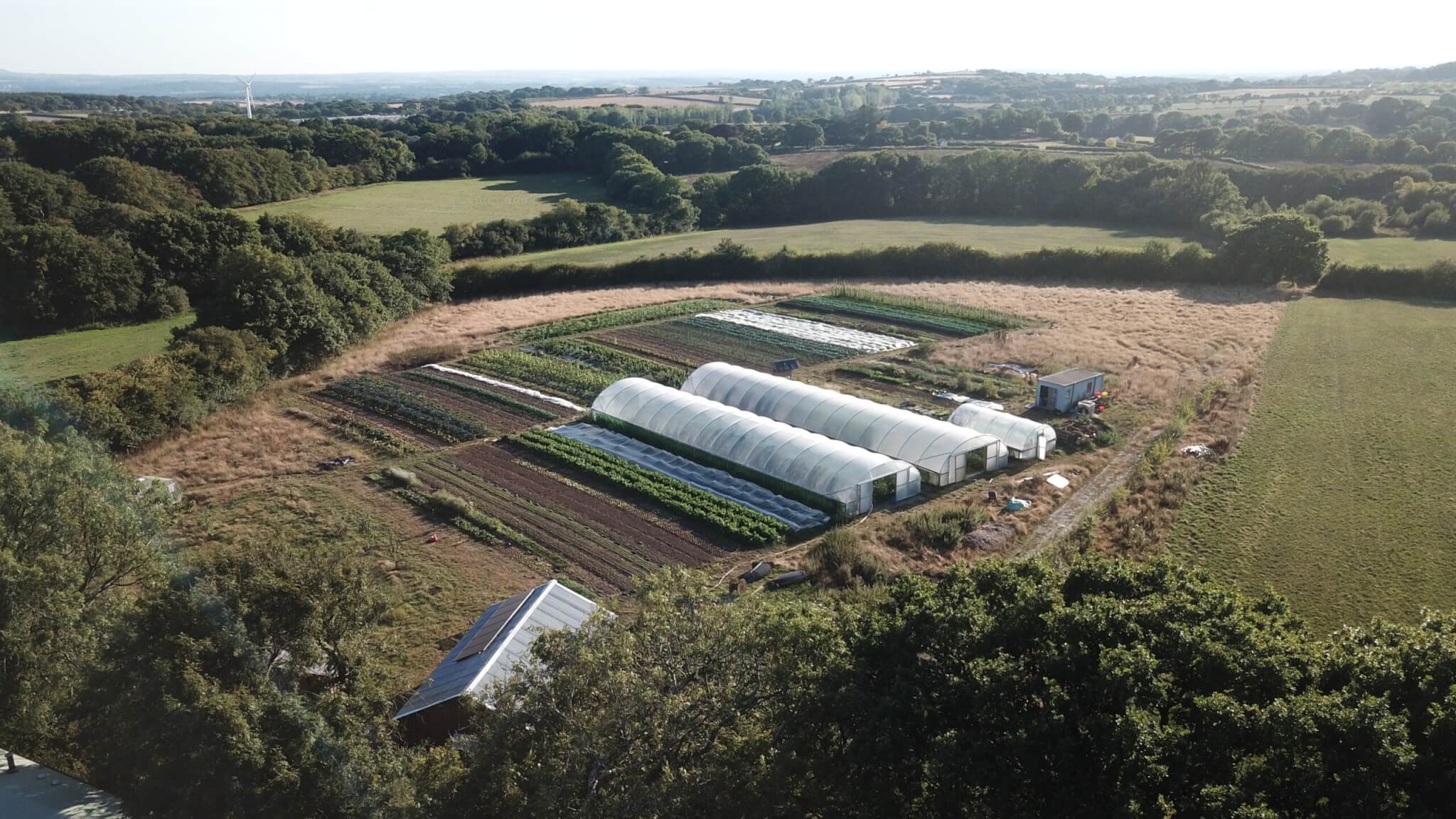
When we first drove up the icy track to the old farm in the Shropshire Hills in February 2009, I felt at once that we had found the place we were meant to be. The house and outbuildings, gathered around a courtyard in a slightly lopsided embrace, carrying the marks of all the lives that had passed through them before ours. Nothing was too grand or too rustic, but everything felt deeply lived in. Standing there in the snow with our two small children, I could already imagine our lives being transformed.
Up until then, we had been doing our best to weave small threads of self-reliance into an otherwise fairly conventional existence. We kept chickens, grew some vegetables, and dreamed of living closer to the source of our food. After years of commuting through relentless traffic, surviving on processed sandwiches for lunch, and sitting through endless meetings fixated on targets and results, I had begun to long for something slower and more meaningful in everyday life.
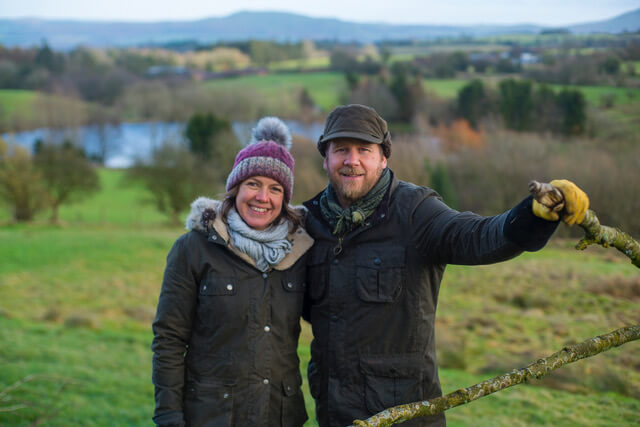
The farm seemed to offer exactly that. We would grow vegetables, rear rare-breed pigs, chickens, sheep and ducks, run the holiday cottages and bring up our children surrounded by open skies, fresh air and the daily realities of care. What I did not fully understand then was that small-scale farming would give me far more than a change of lifestyle. It would quietly alter how I thought about food: what it is, where it begins, what it asks of us, and what can be forgotten when it becomes anonymous.
In the early years, we learned by doing and by reading everything we could lay our hands on. John Seymour and Katie Thear helped guide us, as did the practical wisdom of growers and smallholders who had come before us. We came to understand that a small farm is not simply a place where things are produced. Vegetables, animals, hedgerows, insects, weather, soil, water, trees and people all affect one another. Much of the work lay in noticing those relationships and, where possible, working with them rather than against them.
Later, when the term “regenerative agriculture” became more widely discussed, I recognised much of what we had already been trying to do on a modest scale. We were not following a fashionable new idea; we were simply learning, often through trial and error, how to farm in a way that respected the living systems around us.
Much of the daily reality was less romantic than the idea of it. Animals still needed feeding on tired mornings, vegetables kept growing whether it suited us or not, and the holiday cottages brought their own steady stream of cleaning, repairs and arriving guests. Just as one task was finished, another often took its place, with the weather occasionally undoing it all. We never became the fully self-sufficient smallholders some of the old manuals made possible on paper, but perhaps that was never really the point. Over time, I learned that this kind of life was less about perfection and more about turning up each day, noticing what needed doing, and accepting that it would never be finished.
Food stopped being something we simply acquired and became something we were responsible for. Raising animals, growing vegetables, watching the weather with more than a passing interest, and planning meals around what was actually ready, gradually changed how I saw it all. I began to understand that flavour starts long before the plate. So does nourishment. So do the choices behind it.
I know very well that not everyone wants to farm, keep chickens or spend weekends weeding leeks. Nor do I think small-scale farming is the sole answer to every problem in our food system. But I have come to feel it carries an importance far greater than its size.
During the pandemic, when food suddenly felt less invisible to many people, I was invited to speak virtually to catering students about our farm. Some of their questions have stayed with me. One asked whether our business had been affected by the rise in veganism. Another assumed, wrongly, that we routinely gave antibiotics to our pigs. A third asked how food produced like ours could ever be made more widely accessible.

What stayed with me afterwards was not just the questions, but the curiosity behind them: how food is produced, and whether it might be done differently. As I answered, I realised how often my thoughts returned to the same place. Over the years, I had come to understand why so many people feel uneasy about modern food production: its scale, its distance from the source, and the sense that too much has become hidden from view. Yet our own small farm had shown me that not all farming looks the same. There are places where food is produced on a smaller scale, where methods are visible, and where the link between land and animal is easier to see.
On our farm, we were never trying to turn out huge volumes. We were simply trying to grow things well. The difficulty, of course, is that care has a cost. I know first-hand how hard it is to maintain high standards of husbandry while keeping prices within reach. We often want food that is cheap, plentiful, carefully produced and gentle on the land, though those things do not always sit easily together. Our own years farming made that plain enough. More than once, I found myself thinking that eating less of something, but valuing it more, made more sense.
When our years at the farm came to an end, I was surprised by how deeply the place had shaped us. By then, our children were almost grown. The animals, the garden, the greenhouse, the cottages, the endless cycles of work and care had become part of our family life. On our final morning, I walked up to the highest point of the farm for one last look across the Shropshire hills. I remembered standing in that same spot years earlier, knee-deep in snow, imagining the life ahead of us. We had not done everything we once imagined. And we had done enough to be changed by it.
The farm taught us to eat with intention. It taught us to value less over more. It taught us that care does not guarantee outcomes, and that good husbandry, whether of land, animals or people, asks for humility as much as effort. Most of all, it taught me that food is never just a product. That is why small-scale farming still matters so much to me. Not because it belongs to some golden past, but because it holds knowledge easily be overlooked and taken for granted. In a culture shaped so powerfully by convenience, small farms still carry older values: attentiveness, restraint, resilience, seasonality and care.
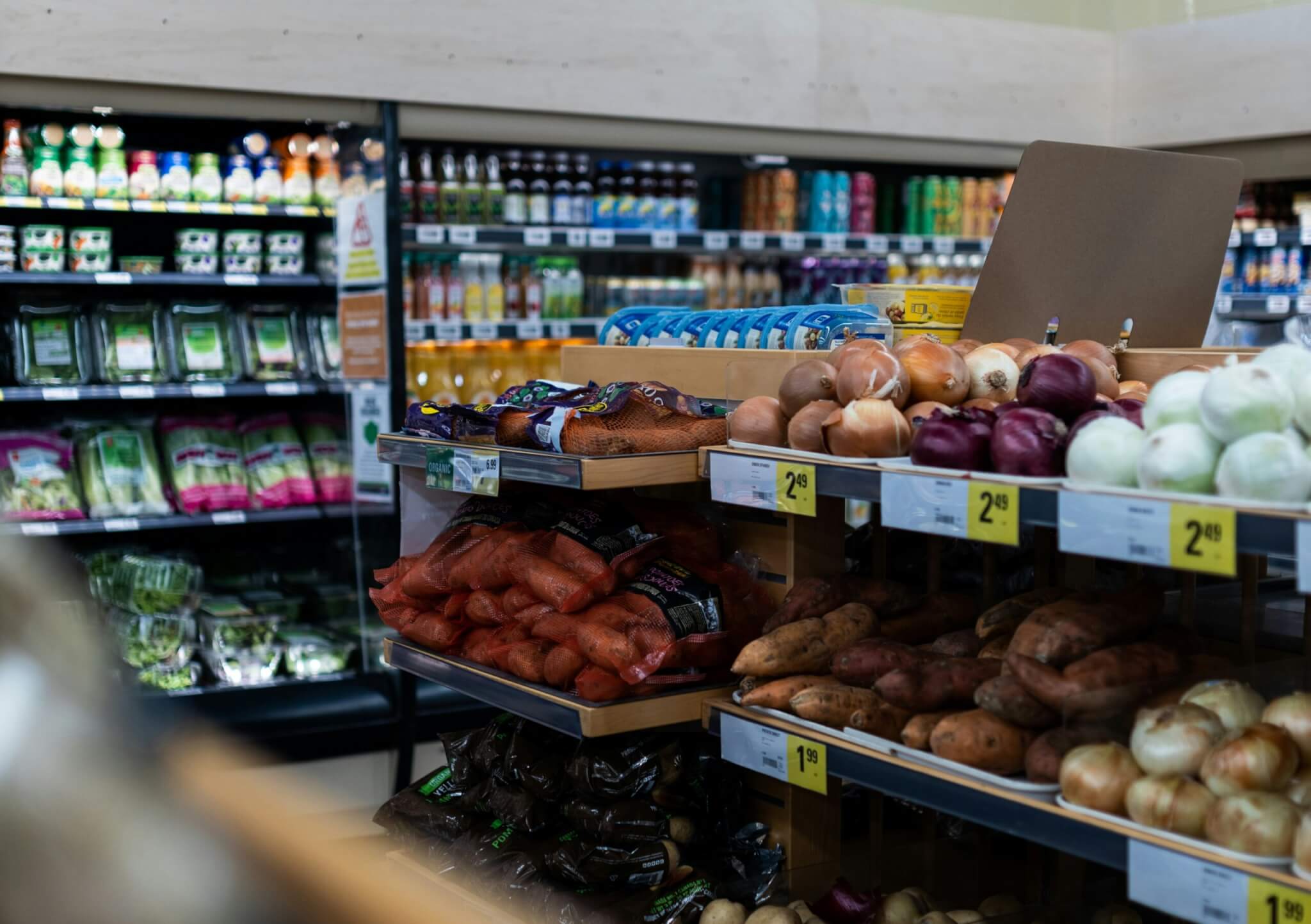
Now that I no longer live on the farm, like everyone else, I buy vegetables all year round. But I feel the difference keenly. Growing food had quietly structured our lives and our spending in ways I only fully appreciated once it stopped. It had also given us something more lasting: a respect for the long, often unseen work that lies behind real nourishment.
My hope for the future is simple. I hope more people are given access to good food, grown with integrity. I hope children learn not only how to cook, but how food begins. I hope we continue to value growers and farmers who work with the land rather than against it, and that those who already care about where their food comes from keep following that instinct.
Small-scale farming did not make us rich. But it made us attentive. It taught us gratitude. And it showed me that the simple act of eating can also be an act of connection: to place, to season, to labour, and to the lives that make our own possible.
That, to me, is why it will always deserve our love.
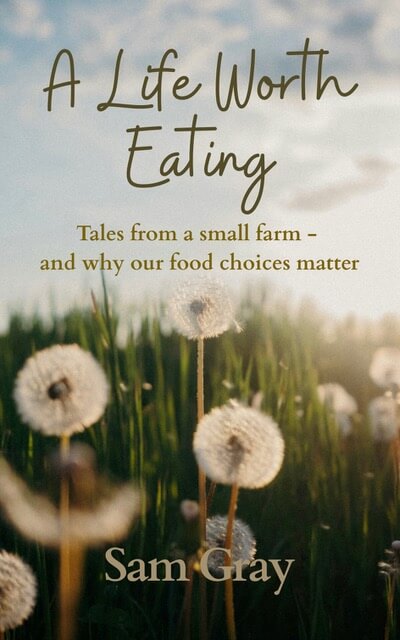
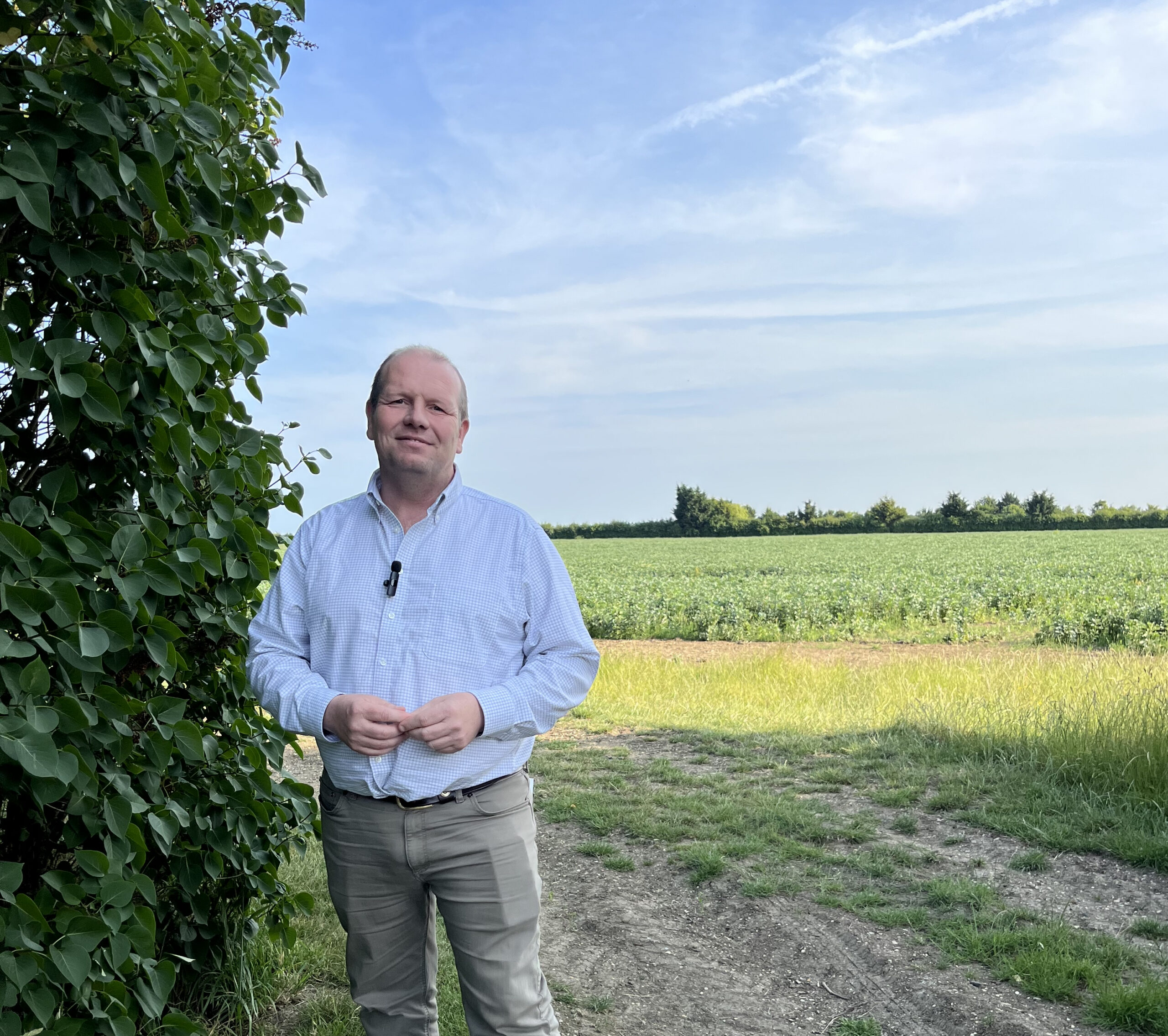
Sam Gray’s book, A Life Worth Eating, is out now.

Great article, and certainly one to make me buy the book. And how important is knowledge of food and it’s consequences in everyday life. For years I have worked in / taught in the arts, and so often I had the feeling that the arts are not a subject in their own right, they are an integral part of life. The same can be said of food; it affects every part of us and should be understood as such. How many times did I, as a teacher, see children walking in to school with a can of coke and a packet of crisps. And for anyone with an interest in how food should interact with our lives, can I suggest https://dark-mountain.net/dark-kitchen-uncivilising-the-table/.
Thank you — I really enjoyed reading this, especially your point about both art and food being woven through every part of life rather than existing as separate subjects. I think that’s very true, and perhaps one of the reasons food matters so deeply, even when we barely stop to think about it.
Your example of children arriving at school with coke and crisps is sadly familiar, and I suspect many people sense something isn’t quite right, even if they can’t always articulate why.
Thank you too for sharing the Dark Mountain piece — I’ll have a read with interest.
Is there anywhere else apart from Amazon you can buy the book? I, like so many people, don’t support Amazon and I find it very difficult to read from a screen, thanks.
Thank you so much — I completely understand that, and you’re certainly not alone in wanting alternatives to Amazon.
At the moment the hardback is easiest to buy there simply because I published independently, but I’m actively looking at wider options and hope to make it available elsewhere in future, particularly through more independent routes.
I’ll make sure to share any updates if that changes, and I really appreciate your interest in the book.