
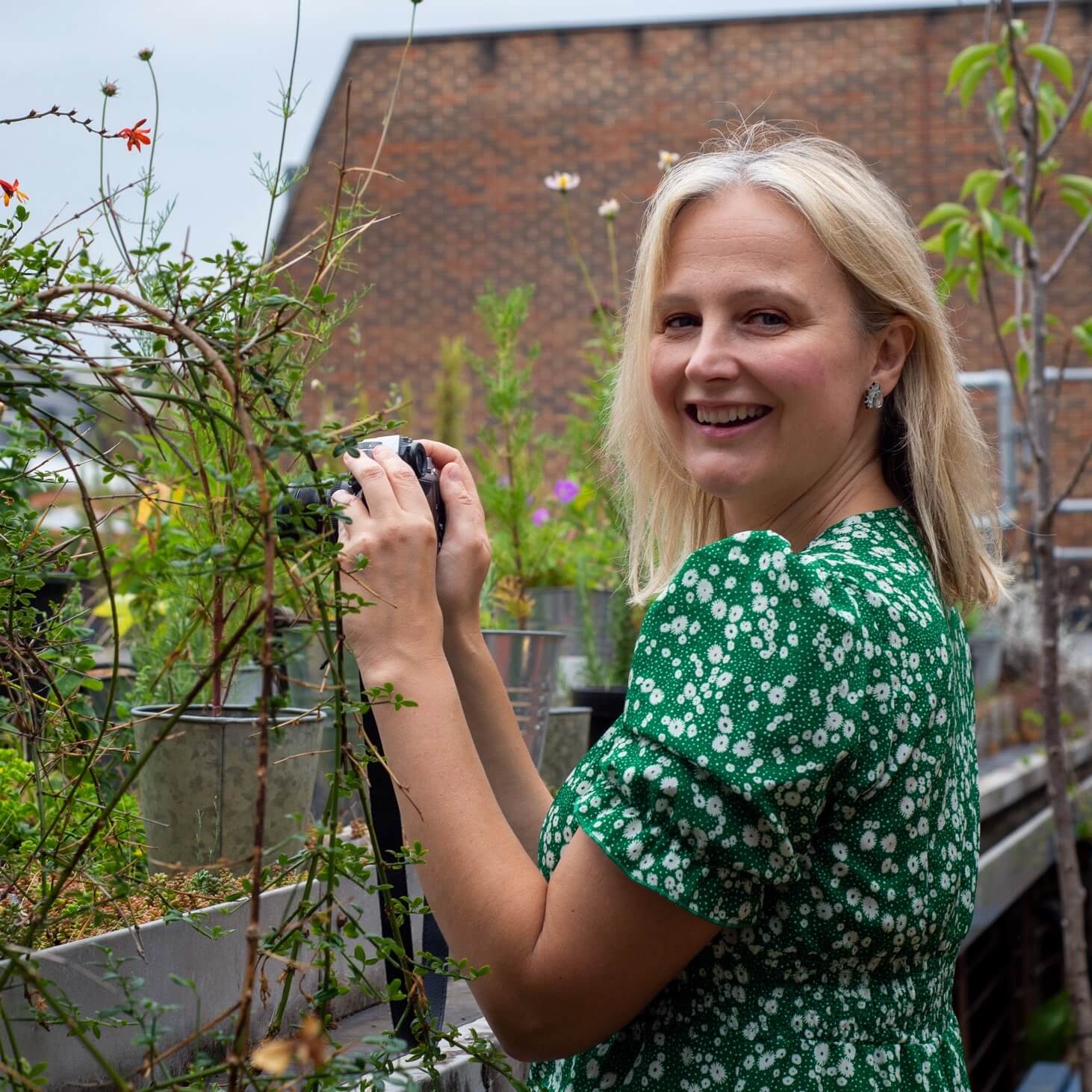
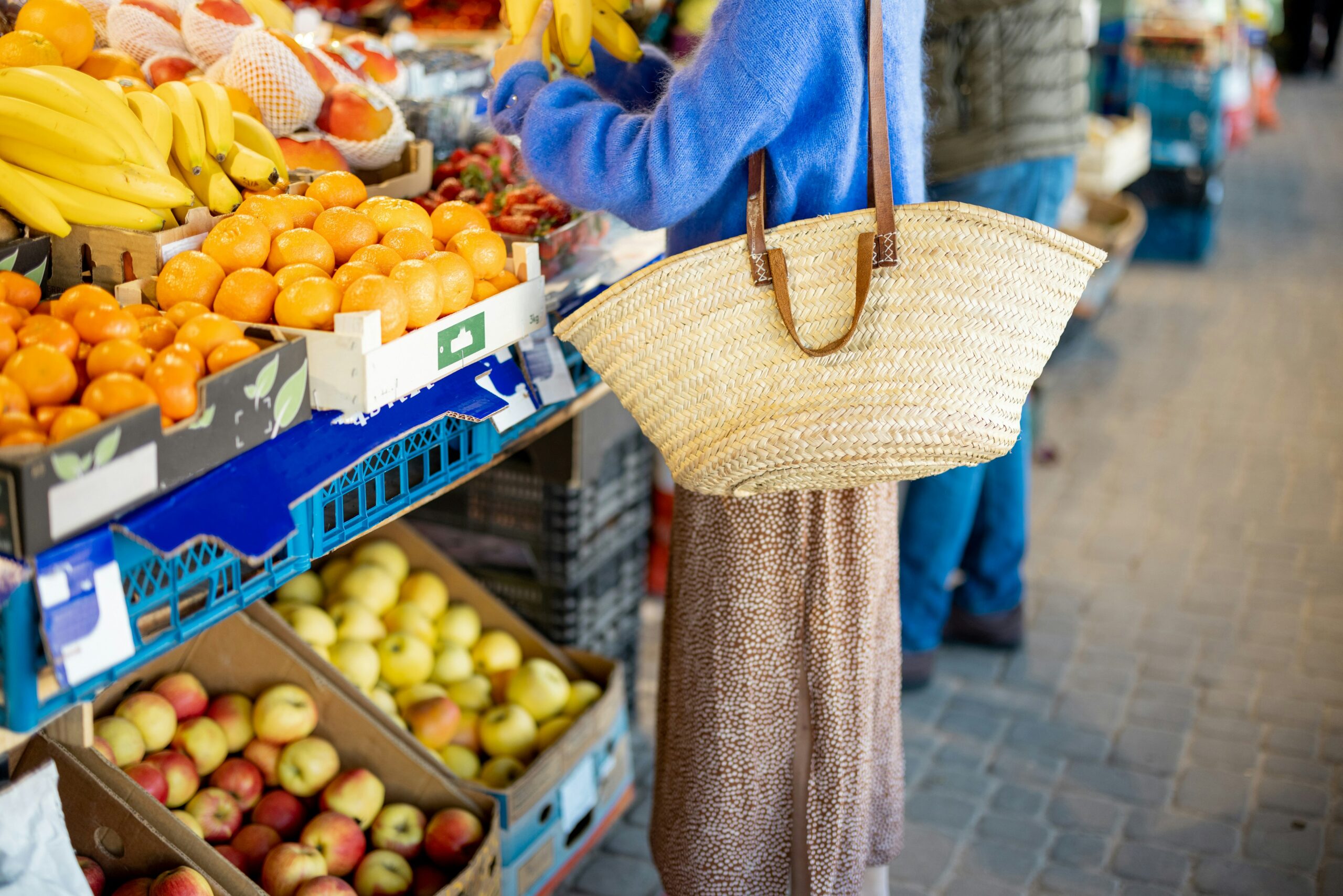
Almost all the fruit and veg consumed in London and other large urban centres across the UK is produced beyond city boundaries. The capital is neither resilient in food production, nor are most city dwellers meaningfully connected to the land where food is grown.
But growing in cities provides multiple benefits – boosting air quality and biodiversity, whilst reducing the urban heat island effect. In a time of soaring food prices and concerns over public health, such projects also boost food security and sovereignty, as well as lead to healthier diets. This is why Leanne is passionate about growing and greening urban spaces.
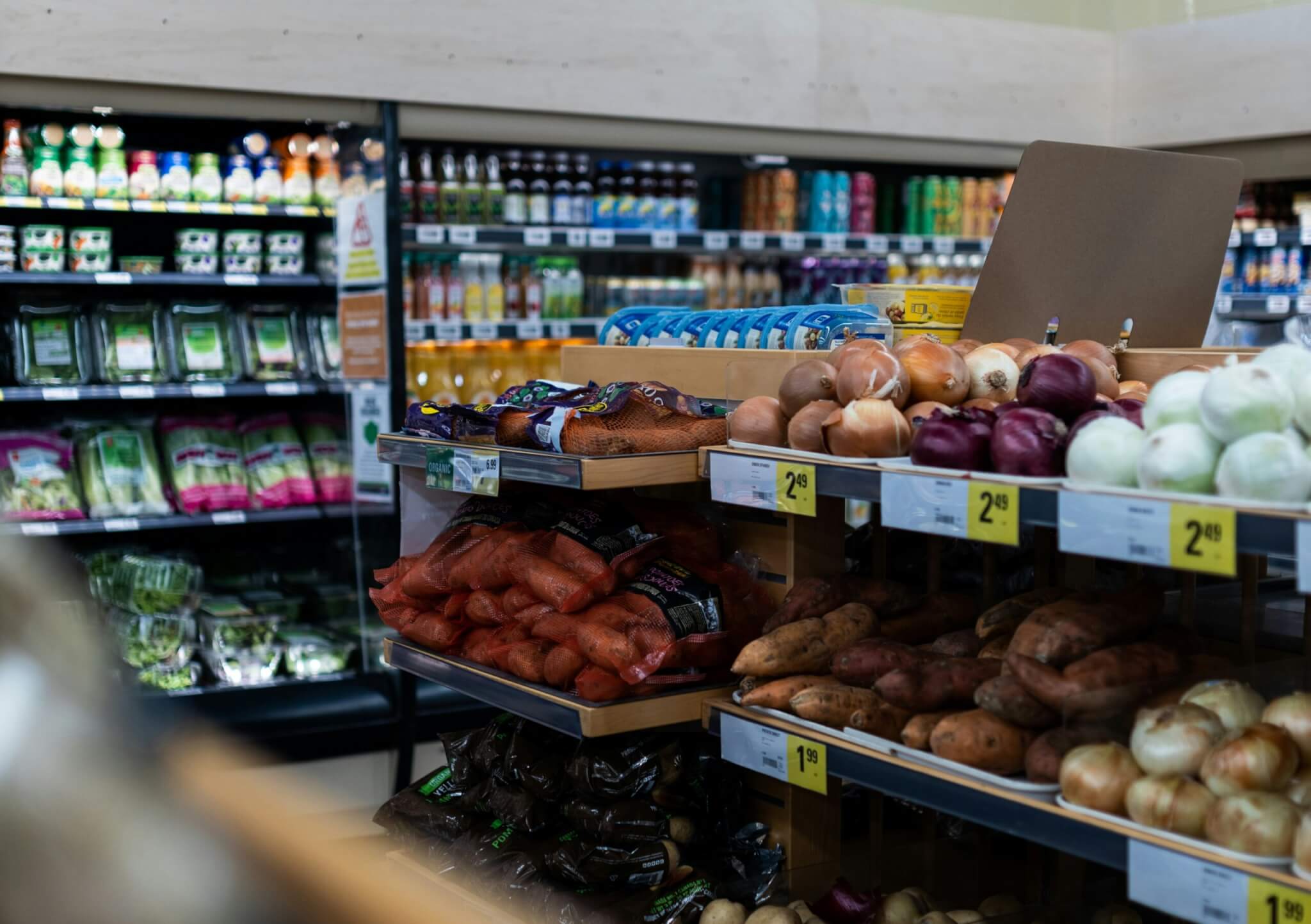
The numbers are stark. The nation imports 45% of its veg and 83% of its fruit, according to government figures, while 83% of the UK population is urban. It makes sense to boost food resilience where it’s needed – within cities, reducing imports, food miles and cutting down on fossil fuel use. With sky-high petrol prices, sparked by sprawling war and conflict in the Middle East, this is a no-brainer.
“A lot of people in the capital don’t have their own gardens and many children have never planted anything so they are removed from nature. It is so amazing to see city dwellers growing things. These plants can also absorb pollution and lower the air temperature within built up areas – this is important with global warming,” explains Werner.
She adds: “There’s so much scope to de-pave more neighbourhoods and plant wildlife-friendly plants. Hedges are also brilliant for nature, they absorb a lot of pollution, so do trees. There’s a lot of work at the moment looking at what vegetation is going to thrive in urban spaces, because the climate is changing – it’s either very wet or very hot, especially in the capital.”
Green spaces at the heart of new buildings
Leanne is co-founder of Wilder, a London-based social enterprise focused on creating more spaces for wildlife, boosting biodiversity, and growing produce in urban settings. The organisation has worked on greening and de-paving spaces around Tate Britain and Tate Modern, Borough Market and Kings College, as well as community projects in council estates and schools. They also want to wild one square mile of Southwark.
“Food growing can also boost biodiversity in cities. When we’re designing new housing estates and new build environment projects, we should be putting green areas and food at the centre of these developments. This is now the case in other countries,” states Leanne.
In recent times she has travelled to Canada and the U.S. as part of a Churchill Fellowship to look at cities there, some of which have more progressive laws than the UK, legislating for green roofs and giving over more space to nature and food growing within city boundaries.
“The University of Toronto has huge growing spaces on top of their buildings, where young people learn to grow their own vegetables. They produce a lot of food for students and food banks, while in Detroit they have ‘agri-hoods,’ amazing food growing city spaces. The authorities have a database where you can look for renting or buying land relatively cheaply. In Vancouver they are also growing food in disused car parks and roadside verges,” details Werner, a former London councillor.
She adds: “This is about rethinking how we use urban spaces here in Britain. It’s also about giving people back power and agency to grow their own plants. We should definitely be planting more within UK cities, but there’s a lack of policy to support this.”
There are glimmers of hope. The ”right to grow” is an interesting piece of legislation developed by the organisation Incredible Edibles – it’s been adopted by a handful of councils from Brighton to Hull, including Southwark, which was the first London borough to do so.
This requires local authorities to make it easy for communities to create gardens for food and nature on public land. Maintaining a free, accessible map of available areas is part of this process. Yet it’s hard to access a lot of rooftops and redundant spaces in London because they’re owned by private organisations, the ownership of which can often be opaque and complex.
This is why Leanne Werner has been working with researchers at King’s College London. They’ve been using artificial intelligence, deep learning, and aerial maps of London rooftops to detect potential plantable areas. The aim of the scientific research is to assist urban planners. Wilder wants to identify rooftops sitting above food deserts and prioritise these for food growing – connecting the technology directly to food justice.
“There is space in cities if you look for it. We could certainly grow more in our public parks. We’ve also worked with local primary schools in London where students pick the plants they want to grow. If they are involved from an early age, it makes so much of a difference,” expresses Leanne.
Shifting the dial in our urban spaces
The question now for Werner and Wilder is: what is going to drive real change in our cities? The pandemic was a catalyst for more city community growing. Impending food crises with empty supermarket shelves could also drive greater local resilience and growing.
More targets from councils on greening areas within their boroughs may help. More endorsement for the Capital Growth Network, London’s most extensive group dedicated to food cultivation would also deliver change, and this is something the capital’s mayor, Sadiq Khan supports.
“You can’t just rely on volunteers either, investing in skilled urban gardeners is so important. They have a real understanding of how to nurture nature. Care not capital is important because it’s easy to plant up green spaces, but they need constant tending. Yet most councils primarily employ maintenance people who chop down, chemically control and trim vegetation, rather than individuals who are adept at growing things,” details Werner.
She continues: “If our green spaces aren’t well maintained and nurtured, then people will lose trust in whoever planted them, whether it’s the council, private businesses or public institutions. We therefore need to value the skills that good gardeners offer and put money into a network of gardeners within councils.”
Leanne and her team are hopeful of change, there are now many more new Green councillors across London and other cities from Birmingham to Oxford, who have these issues firmly in their crosshairs. Biodiversity net gain, a mandatory planning requirement for new developments means that new green spaces are also top of mind now.
Werner is now calling for new legislation to help boost urban agriculture as a way of tackling the ecological emergency, with financial incentives for city residents and businesses to grow food, especially in underutilised spaces and on rooftops. Local food procurement policy, which prioritises locally grown food for city-run facilities and events could also help.
There is a huge amount of work to do and myriad hypotheticals to navigate and negotiate, but what Werner is certain of is that a brighter future is directly linked to more green growing spaces across our urban environments.


0 Comments