

Our rivers have rarely been out of the news in recent years, usually for the wrong reasons. Only 14% of England’s rivers are in good ecological condition. In 2024, sewage was pumped into our rivers for 3.6 million hours by our water companies that have become media pariahs, the latest corporate baddies blamed for society’s ills. But behind the statistics lies an even more sobering story of the decline of our rivers and our relationship with the natural world.
“The epiphany for me was reading a report on the number of fish swimming though the fish counter at Totnes Weir during 2023. 522 fish were counted but of these only 58 were salmon. As I reread the statistics, I thought that cannot be right, can it? Unfortunately, it was, the number of salmon returning to the Dart and in fact all our rivers, has catastrophically declined. Back when I was young, thousands of salmon made their incredible migration across the ocean to return to the river where they were born to spawn; so many that poaching was a real problem. Then the decline set in, numbers fell, netting for fish was banned, anglers had to return any caught fish to the river, but the decline continued until now catching a salmon in the Dart is virtually unheard of.”
“My interest in rivers started over fifty years ago, accompanying my dad on weekend walks on Dartmoor, a respite for him from his busy working week. My favourite expeditions were the ones that traced the streams and rivers, negotiating treacherous bogs and crossing slippery granite stepping stones, as we followed the winding waterways that emerge high up in the peatlands. There was something enticing about our rivers, a way of immersing yourself in the more than human world and connecting to the power of nature that we have become increasingly divorced from.”
Julian Carnell has been Director of The Sharpham Trust for over ten years. The Trust owns a historic estate on the banks of the river, downstream from Totnes, and operates four centres offering mindfulness retreats with a focus on reconnecting people to the natural world.
“Around six years ago we started rewilding the estate. Having already registered organic, we wanted to integrate our mental health work and our land management, through a philosophy that recognises we are part of nature not separate from it. From this it follows that we need to care for the natural world and that includes our rivers.”
“I realised I needed to understand the problems better, so I set out on a pilgrimage to walk and canoe the length of it, from high on the peatlands of Dartmoor, through the lowlands and along the estuary down to where it joins the sea at Dartmouth. As I spent my weekends doing this, I started to write about what I had found and I realised that this was not just a story about our rivers but also our whole relationship with the natural world. It connected with our work at Sharpham and our efforts to connect conservation and mental health in a more holistic approach. The story of the Dart is emblematic of all our rivers and the current challenges facing wider society.”
The Dart actually starts out as multiple springs on the high north moor, in the bogs that make up the peatlands, and which are vital lifegiving sponges that trap and store water and carbon in the metres of peat that have accumulated over thousands of years.
“Here was the first of many stories I uncovered of humanity’s impacts on the river. Since the last ice age we have been cutting down trees and draining the bogs to make space for our grazing livestock, provide fuel for our fires and power our mines. We re-routed the river and polluted it with waste – activities that have continued to the present day.”
Becoming the Ocean follows the West Dart and the East Dart to their meeting place at Dartmeet, learning about the wildlife that relies on the river and its habitats, and which is inexorably declining, creating a sense of loss which pervades the journey. Here the pressures of tourism start to intrude before the river heads through wooded valleys – remnants, perhaps, of what Dartmoor Forest once was. On the river away from “civilisation”, with temperate rainforest on either side, we get a glimpse of the wilds, nature allowed to express itself without our management. Then civilisation appears with Buckfast Abbey weir, the A38 Expressway and then the Kilbury Sewage Treatment Works releasing “treated” effluent into the river.
The issues of pollution and our water companies have led to a step change in public awareness and inspired a volunteer army, with groups like Friends of the Dart popping up across the country, not just asking uncomfortable questions but pursuing citizen science, testing our rivers and publicising the results. Tales of corporate greed and debt have fuelled public anger and forced our politicians to consider what should be done.
“No doubt a failure of regulation is part of the story but there are perhaps more fundamental issues bubbling under the surface, including the pursuit of capitalism and a market philosophy which seeks to put a monetary value on nature. This inevitable “othering” of the natural world, divorcing us from it and any spiritual dimension, is the slippery slope down which billions of pounds have disappeared so that we are now left with a poly-crisis which will take decades to address.”
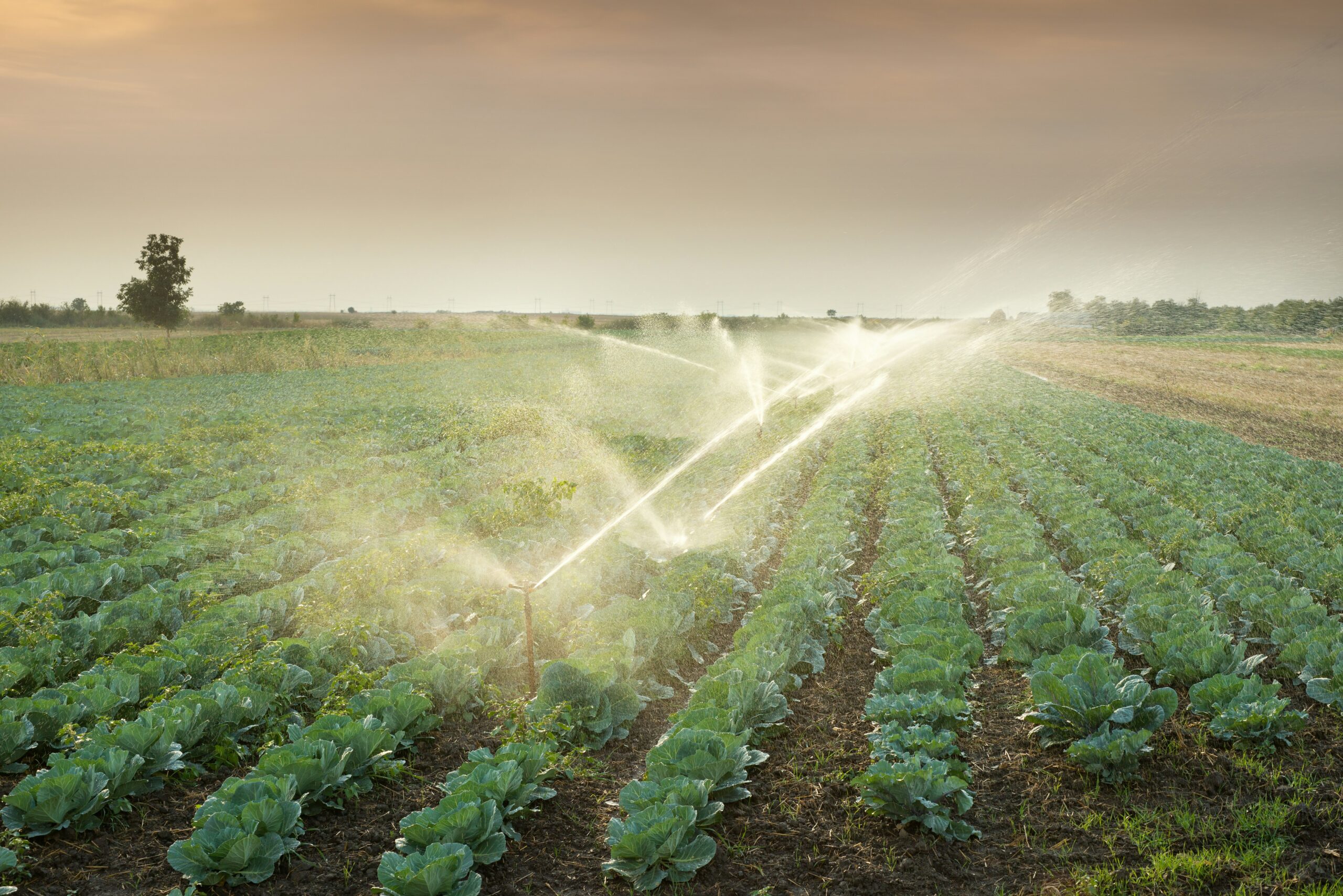
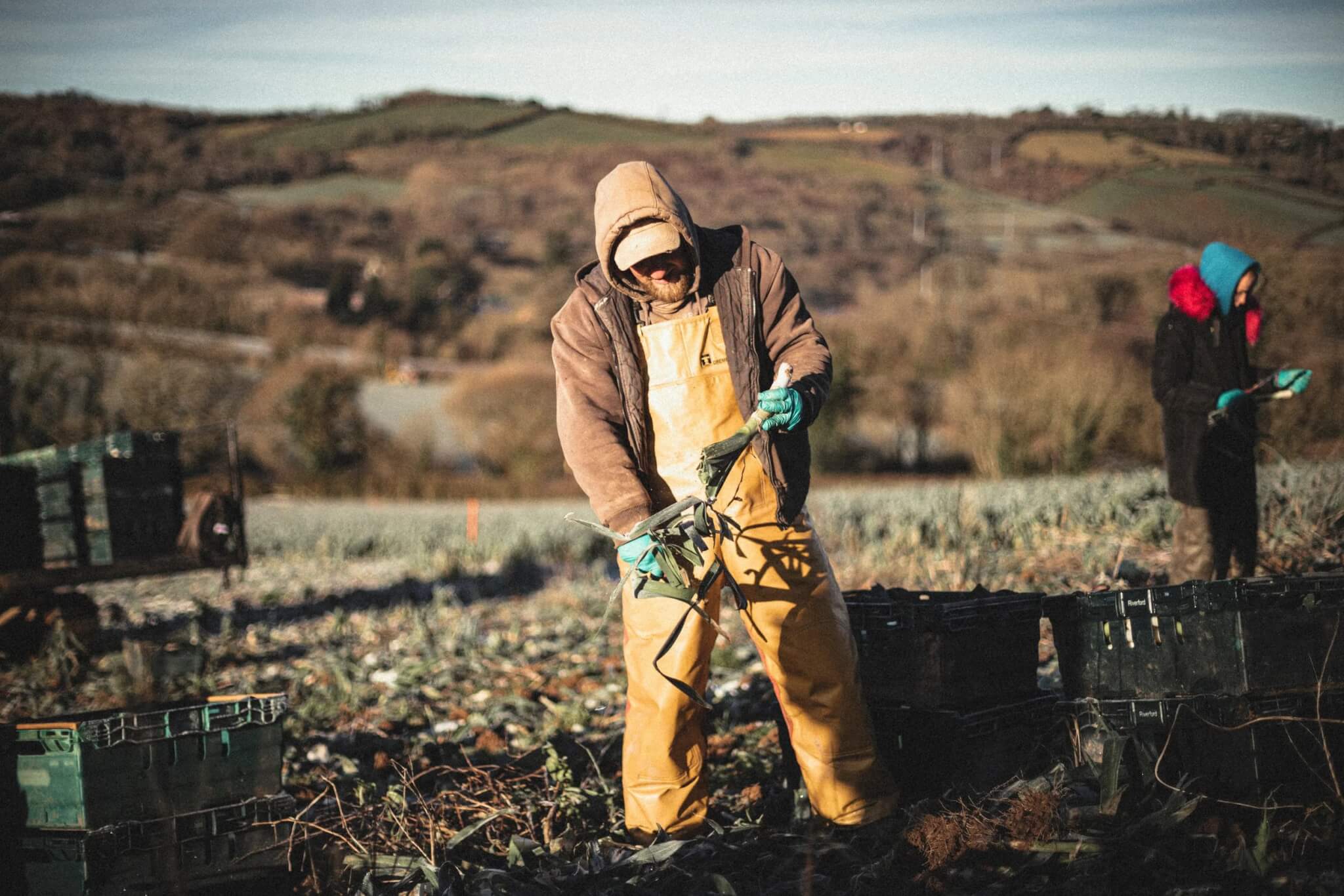
After passing Buckfast Abbey, the river flows through the farming lowlands, including Riverford, a patchwork quilt of rolling fields and hedgerows dominated by livestock farming, dairying and vegetable growing. Whilst our media is full of stories of sewage pollution much less is heard about the run-off from our farms – the soil, fertiliser and chemicals that end up in our water courses. Our farmers face the twin threats of months with too much rainfall causing flooding and lost crops followed by drought, meaning we are at risk of not having enough water; at times up to 30% of the Dart is extracted to supply our drinking water needs.
There are a plethora of organisations delivering brilliant projects up and down our river catchments – they have been doing this for decades, but our wildlife continues to disappear and our rivers remain polluted. Something isn’t working. There is a lack of joined-up thinking, no one is really responsible for our rivers, progress happens in silos. Just over two years ago, Carnell started the Wild Dart Partnership with the aim of bringing together conservation organisations, landowners and government organisations and an Action Plan for the river was launched last year. The focus now is on securing the funding to develop the partnership by setting up a Community Interest Company (CIC) to help implement the plans. This means rewetting the peat on Dartmoor, planting trees along the river and its tributaries, helping landowners and farmers manage water on their land, empowering communities and volunteers to care of the river, and making sure our waste doesn’t end up polluting the river.
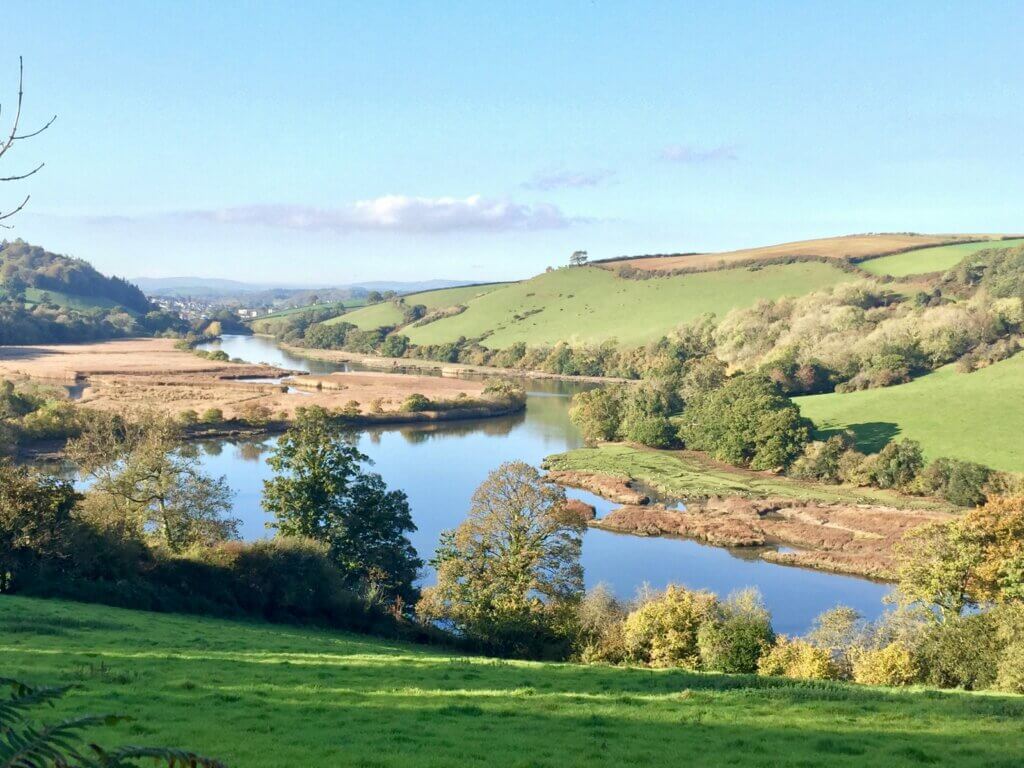
“The irony is we know the solutions to the problems such as pollution, biodiversity loss and habitat degradation, the issue is how we enact them. That’s why partnership working at a catchment level is so important – too often we have pursued worthy but disconnected projects, we need to work at a much bigger scale.”
After Totnes Weir, which was first constructed in the 16th century the river becomes a tidal estuary, it follows the cycle of our moon, flowing in and out to a clock we cannot control. We pass mudflats, saltmarsh and steep wooded slopes before the river opens out into a wider expanse approaching Dittisham and the home of the murder mystery, Greenway, which used to belong to Agatha Christie and is now managed by the National Trust. Here the appearance of ospreys illustrates that there is hope, we can turn things around if we come together and the joy when people witness these returns cannot be quantified, least of all monetarily.
“At Sharpham we regularly see the benefits of connecting people to nature and the river flows through the heart of these experiences, allowing our participants to slow down, be in the present moment and be part of the natural world on which we totally depend. As I reach Dartmouth and the mouth of the estuary I think of the few salmon remaining who are preparing to make this journey to rejoin the ocean on their migration. Like us they face immense challenges, but they are not put off so neither should we be as we set out to restore our rivers and the landscapes from which they flow.”
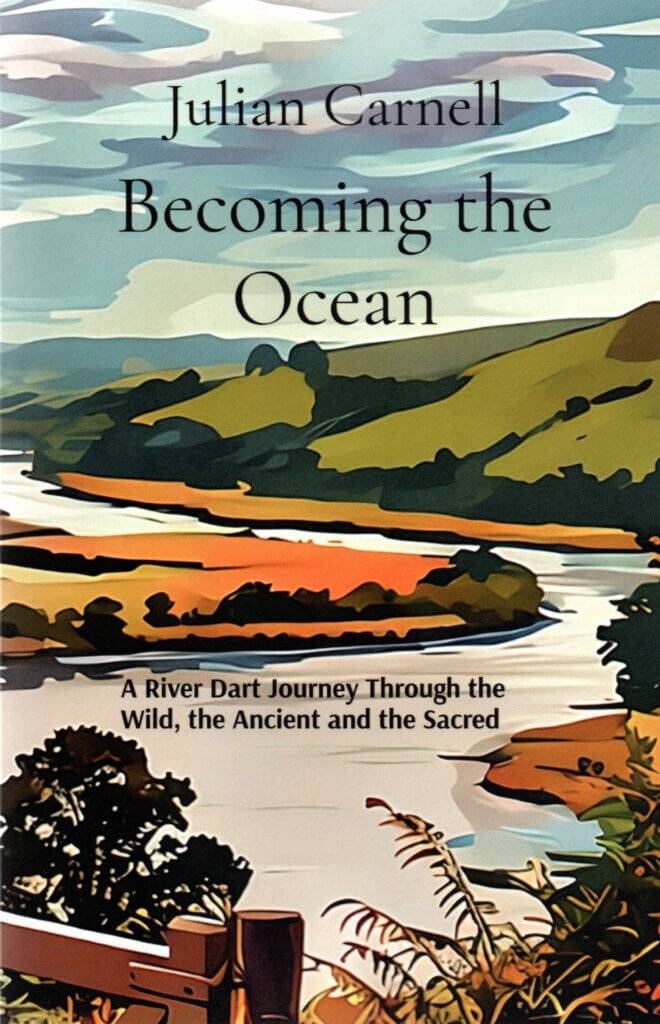
Julian Carnell is Director of The Sharpham Trust and author of Becoming the Ocean: A River Dart Journey Through the Wild, the Ancient and the Sacred (published by Ingramspark). Learn more at River Dart Partnership.

Interesting to read this as I am also reading a book where the author poses the question ‘Is a River Alive’ As this book states for too long we have viewed nature in all forms just as something, only of worth if society can put a monetary value on it. Nature is so much more than this and is part of our life and we are part of nature.
Reading things like this is certainly shaping my views around everything, every person on our planet earth.
We have to look at all our actions and see how they impact our natural world around us. So many care about ‘nature’ but do not realise they are an intrinsic part of it… We have created the ‘human overlay’ that has blinded us to our rightful place.
Every action and every pound we spend makes the world better – or worse…
Like Anthony I read and loved Macfarlanes ‘Is A River Alive’ – YES – it is!!! Water is sacred and essential to every form of life.
Maybe look at/join http://www.garn.org