

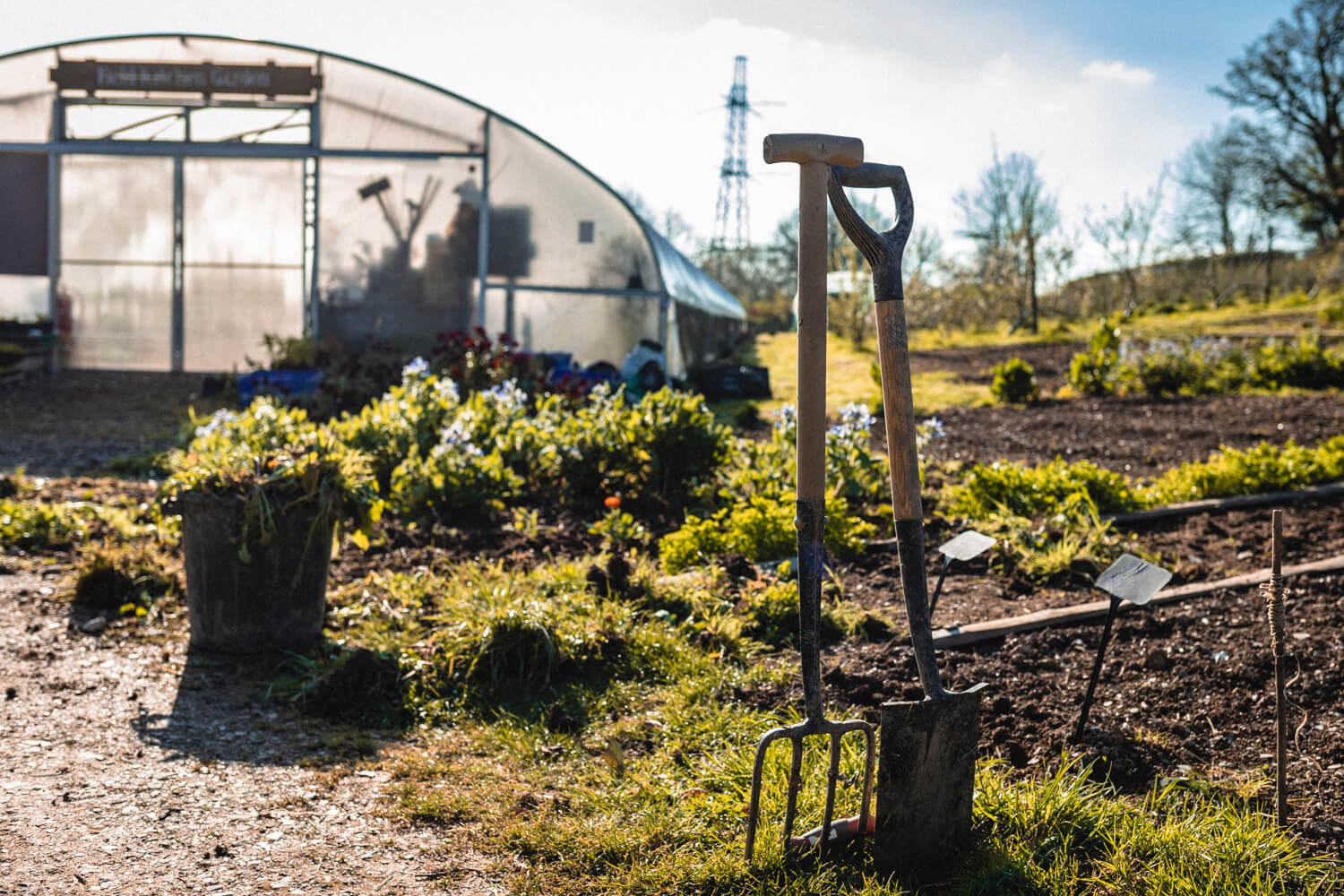
Growing Well uses the trowel and fork, compost and seed, to help people recover from mental health illnesses and challenges. Many people who like gardening or have allotments are well aware of the therapeutic nature of planting veg. But this charity has gone a step further, it now provides a structured work programme in the fields to help people rebuild their lives.
Getting people involved with growing seasonal, organic produce across three sites in the Lake District is one thing, but linking it to an evidence-based model that improves peoples’ wellbeing is another. Yet, this is what Growing Well is doing successfully, providing professional therapeutic support in a non-clinical environment, deep in the veg beds and polytunnels.
“We are a mental health charity first and foremost, whereby horticulture is the conduit by which we do that work. Yet they marry together wonderfully. This is about recovery through purposeful activity. Growing produce is definitely a way people can reframe their whole life,” explains Mary Smith, CEO of Growing Well.
The charity has now been working on this model for over 20 years and has three sites at Kendal, West Cumbria, and Tebay Services, with the ability to support up to 300 people on each site. Growing Well also supports asylum seekers and refugees with their mental health challenges.
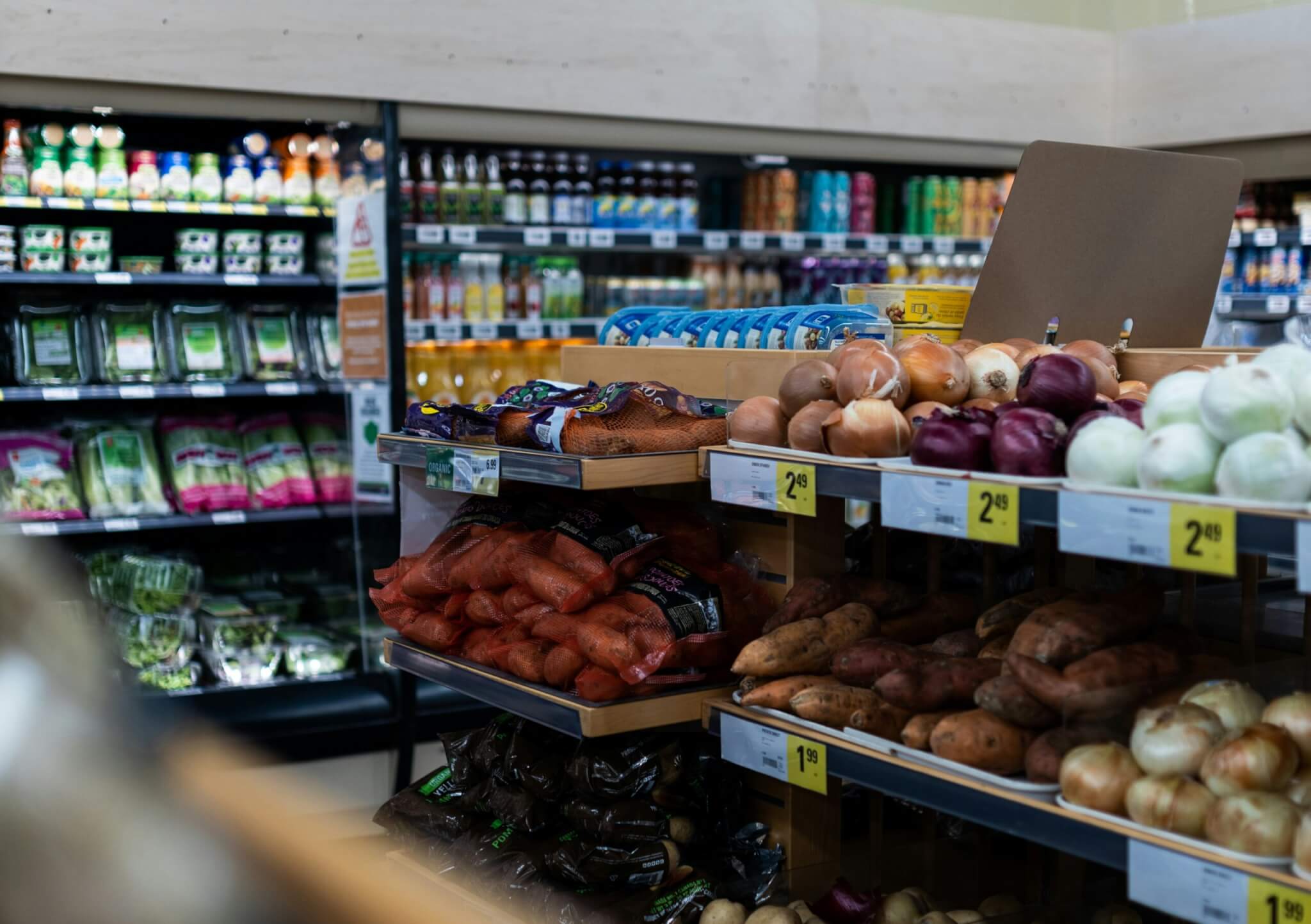
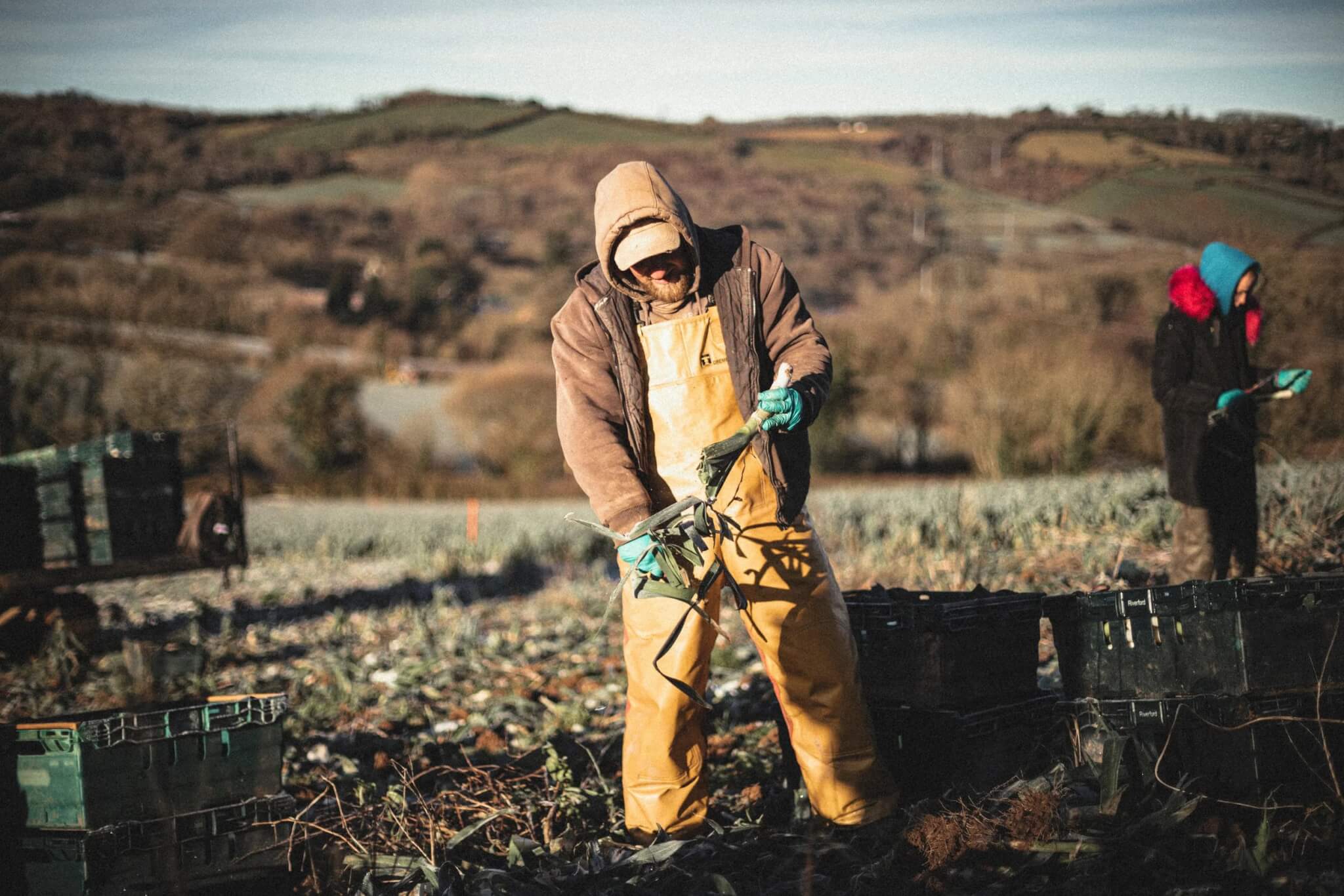
Over 5,700 crop share, veg boxes are grown and sold each year, with the sites supplying local communities, local chefs, and low-income households. The main differentiator for Growing Well is that it involves commercial growing.
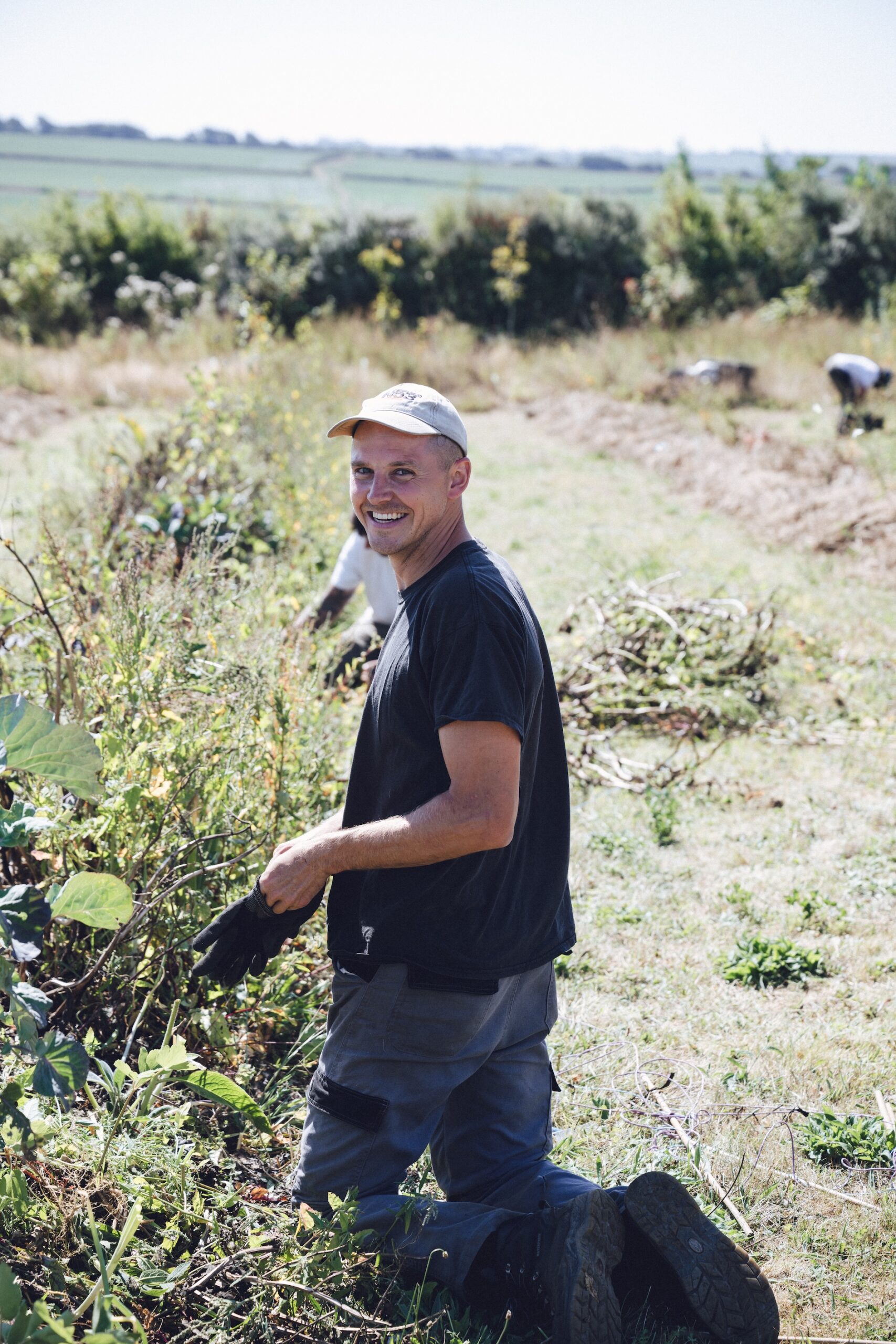
Each person in need is offered 12 months of support, one day a week. They then get to work on a whole growing year, as well as choose from 200, or so, different vocational, practical, and social skills that they can develop over this period.
It’s goals-based and structured within an NHS recognised framework, with a focus on achieving better mental health over the year. The aim is for individuals to build connections with others, increase their self-esteem and confidence, learn ways to manage their mental health and set goals for recovery, as well as grow and harvest produce.
“It’s about focusing on the things that many of us take for granted – having a social network, waking up on time, and having a purpose for work, as well as eating healthy food for lunch. So, how can we embed that on the one day a week people are with us? It’s about creating a very structured path for people to get back to a better way of being,” explains Smith.
“If people are out picking French beans or planting tomatoes with others, they’re more likely to talk about their trauma or their plans for the future than if they were sitting staring into a clinician’s eyes during a session of talking therapy – it’s more natural.”
Helping an overburdened system
Mary and her team work with those who have severe and enduring levels of mental ill health; it doesn’t help that West Cumbria has some of the most deprived communities in the country with high rates of suicide. The aim of the charity is to reduce the pressure on the NHS, including primary and secondary care.
“All of our local public services are overburdened. The waiting list for talking therapy is months long, if not a year. So people’s mental health problems are escalating. What we’ve got is both space and staff at our three sites that can work with people in groups. So we’re offering something to our healthcare system, which is really helpful at this very difficult point in time,” details Smith.
“People get so much out of growing. They feel a real sense of responsibility for the veg that they nurture. They also have a connection with the crops that they’ve sown, and they really want them to succeed and be valued when they are sold.”
Growing Well now receives some money from the NHS. The charity also has access to trained, clinical psychologists, they have a doctor who is their therapeutic lead, with specialist staff proficient in dealing with people with mental ill health.
At the same time, they are now the biggest organic vegetable producer in Cumbria, which is no small feat – Mary and her team have found the sweet spot between group work, therapy, and commercial horticultural activity.
Healing here comes from simple tasks such as teamwork, having a shared purpose, instilling routines. They are also looking to peer review the effectiveness of their work in order to provide more data.
“There’s no off-the-shelf model in what we do at the moment. This is still niche. What we try and do is really enthuse the people who come to us so they feel passionate about growing their own produce and learning how to do that, in a way that is kind to the planet,” details Smith.
She continues: “There is a lot of pride felt among the people who work with us, especially when they’ve picked and sold a load of veg to a three-star Michelin restaurant or the Tebay motorway services. Everyone brings each other along on the journey. It also gives people a real sense of purpose. This in itself is a mental health achievement.”
Potential to scale up
Mary and the trustees believe if they can make this happen in Cumbria they can replicate this model elsewhere in the country. However, Growing Well requires significant investment, fundraising, and support to make the social enterprise work. The sales of the fruit and veg certainly don’t cover the cost of the operations. She believes that the charity’s distance from key policymakers in Westminster doesn’t help.
“We know this form of therapy works. We just need to value it accordingly. The cost of one talking therapy session on the NHS can exceed £250 for 40 minutes. The cost of 300 hours of support from Growing Well costs just over £3000, which is £6 an hour. So there is definitely an economic case for what we do,” explains Smith.
“But it’s difficult to convince the public and those in charge of mental health, who are all clinicians, that to do this through growing in a field is a legitimate alternative to therapy in a white room involving medication. Yet the government’s mental health framework is now moving to a neighbourhood model, which involves getting people out of hospital and supporting them in their own communities – well, we’ve been doing that for 20 years. So hopefully our time will come!”
Listening to Mary Smith, it is no doubt that Growing Well is on to something. Their work could definitely be a blueprint for other sites across the country, especially at a time when there is both a mental health crisis in the UK and a review of the horticulture strategy by the current Labour government – at some sites, marrying the two could kill both birds with one stone.
“It’s not easy to do this kind of thing, but it’s absolutely worth it and it has the kind of the ripple effect through the communities that we serve, and that serve us in return,” reflects Smith. A ripple effect with infinite potential, and reward.




0 Comments