
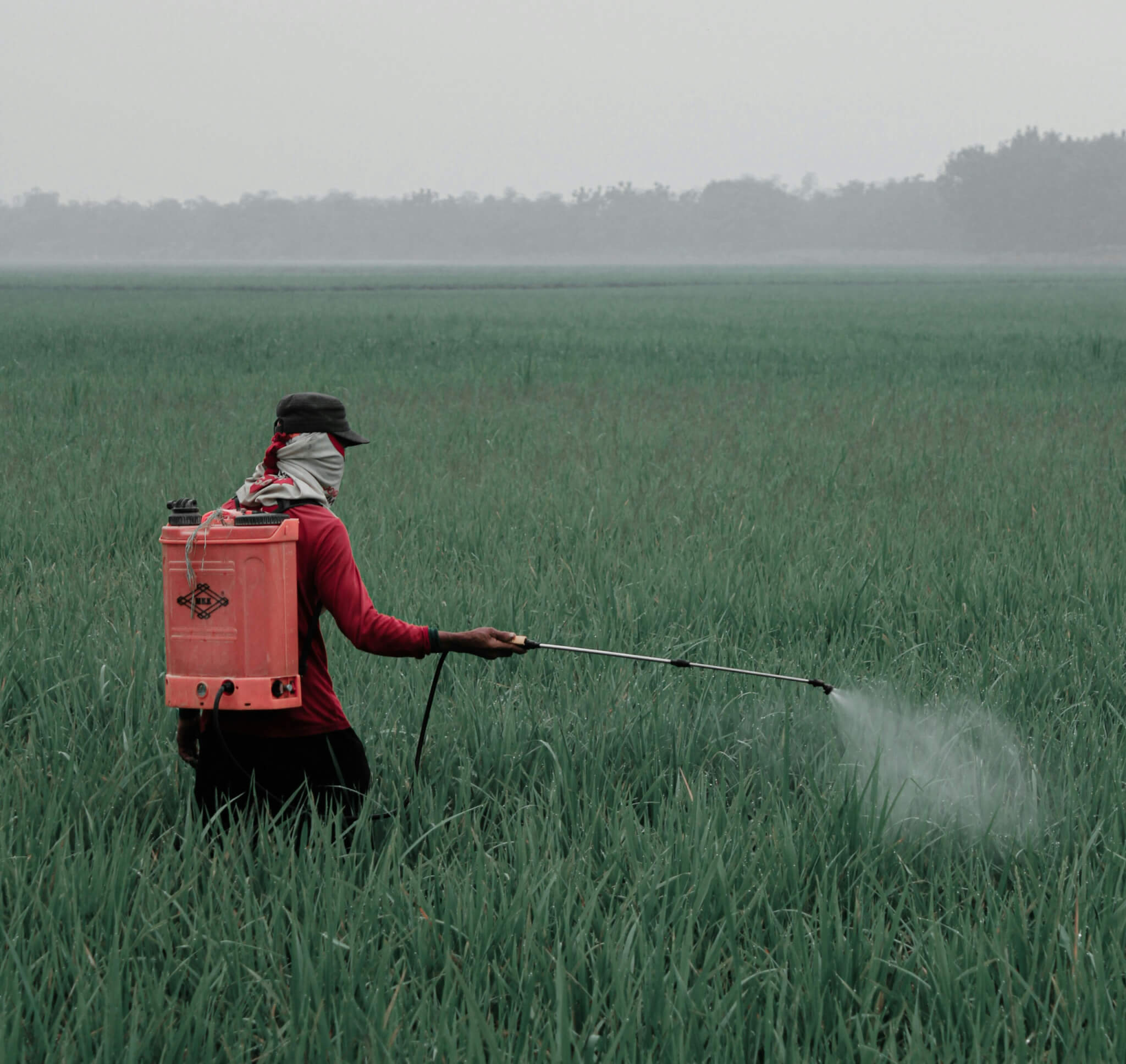
The most common route of exposure to pesticides is via the food that we eat. Pesticides used in agriculture often leave detectable traces of chemicals in, or on, our food, known as ‘residues’. The level and type of residues detected on a food item will depend on a range of factors including which pesticides have been used, when in the growing season they were applied and how persistent they are – or in other words, how long they take to decompose.
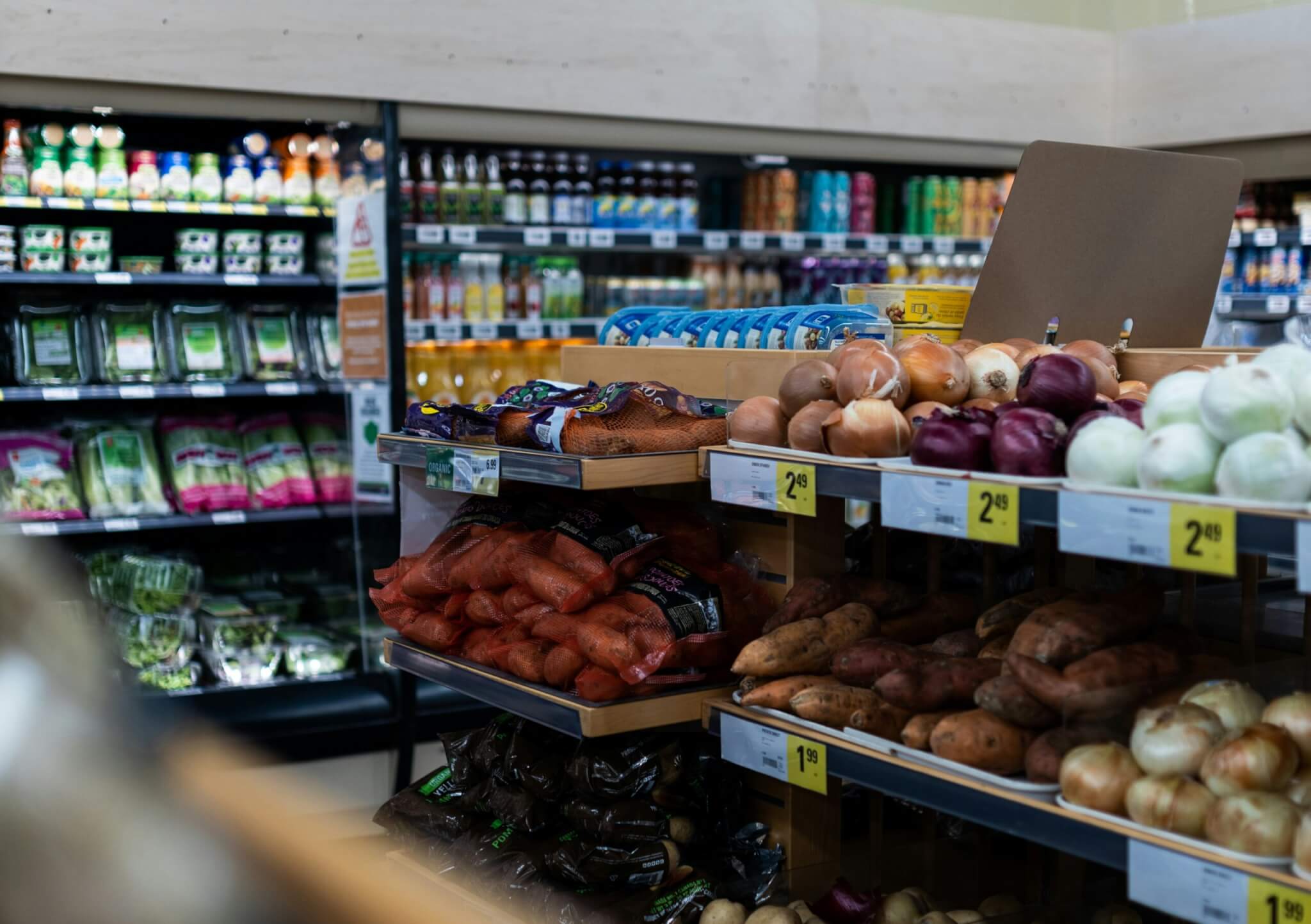
The presence of pesticide residues in our food is a perennial problem. Unfortunately, we can’t see, taste, smell or feel pesticide residues so (other than testing in a lab) we have no accurate way of knowing if a particular food item is contaminated by pesticides. While UK supermarkets do test food items for residues, very few of them make this data publicly available (see who does & doesn’t share at pan-uk.org/supermarkets/residues-in-food). In the UK we therefore have little choice but to rely on the annual UK government residue testing scheme organised by the Expert Committee on Pesticide Residues in Food (PRiF).
However, the PRiF testing is extremely limited in scope and tests just 3,000 kilograms of produce each year. It is also presented in a format which makes it almost impossible for the general public to understand. For that reason, every year PAN UK analyses the PRiF data and publishes the “Dirty Dozen” list which is the twelve types of fruit and vegetables found to contain the most residues – https://www.pan-uk.org/dirty-dozen/
We do this, not to be alarmist, but to give the public access to information on which food is most likely to contain pesticide residues to enable them to make informed choices about the produce they purchase and consume.
PRiF testing results are published on a rolling basis throughout the year, always a year in arrears. This means that when we publish the Dirty Dozen the results are for produce tested in the previous year. Samples collected by PRiF come from a variety of sources including supermarket shelves, street markets, independent shops, and wholesalers. The range of produce is limited, usually in the region of 15-20 different types including fruit and vegetables, meat, dairy and arable products such as bread. PRiF does not test the same produce each year, making it very challenging to make year-on-year comparisons or identify trends.
PAN UK has chosen to focus its analysis of PRiF testing results on multiple residues, with the Dirty Dozen listing the food types most likely to contain residues of more than one pesticide. This is because our regulatory system is set up to assess the safety of just one pesticide at a time, ignoring the growing body of evidence that chemicals can become more harmful when combined. This phenomenon – known as ‘the cocktail effect’ – has long-been recognised as an area of concern in the UK and beyond. Despite this, little has been done to understand or prevent the human health impacts that may occur due to long-term exposure to pesticide cocktails.
Looking at the PRiF data, it is very common for individual samples of UK food to have more than one type of pesticide present. In fact, testing has revealed residues of up to 15 different pesticides in one sample. The sad reality is that we are exposed to a range of pesticides in the food that we consume on a daily basis, in addition to all the other chemicals that we are exposed to in both the rural and urban environment.
Whilst we publish results on an annual basis, we have also combined the findings from the last six years of PRiF testing to try and identify the produce that is most frequently contaminated by multiple residues. The following table shows the results for the period 2018-2023 inclusive. Note the results for 2024 will be published by PAN UK in December of this year.
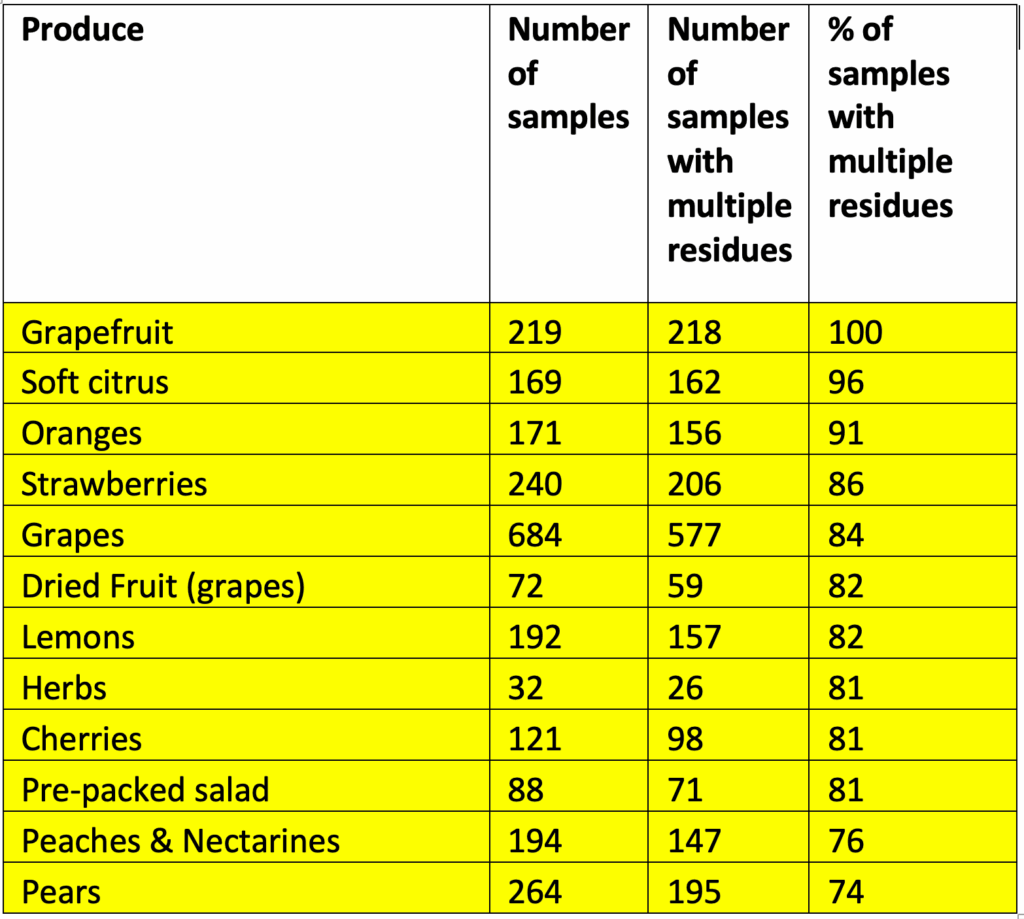
The worst offenders are usually citrus of all types, grapes fresh and dried, and soft fruits such as strawberries. Tree fruits such as apples, pears and cherries are also frequently contaminated with multiple pesticide residues. There are numerous reasons for this. With citrus, it is often due to fungicides being applied to stop them rotting during transport and storage. Grapes are susceptible to a variety of pests and disease during their growth phase and pesticides can be liberally applied to try and counter such problems. Similarly, soft fruits such as strawberries and tree fruits like pears and apples are susceptible to pests and the development of diseases during growth, transport, and storage.
To make sure that they don’t succumb to these potential problems they are treated, usually prophylactically, with a variety of pesticides. Pesticides are also used to ensure that produce is cosmetically ‘perfect’ and free of blemishes, for example apple scab. Apple scab makes no difference to the taste or quality of the apple and poses no risk to the consumer. However, it is believed by many retailers that the public want cosmetically perfect fruit even if that does mean using harmful pesticides to achieve that goal.
Glyphosate and the arable sector
But it isn’t just fruit and vegetables that can contain pesticide residues. In recent years, there has been an increasing problem with glyphosate residues turning up in bread and other arable produce such as oats, barley, and wheat. The use of glyphosate in the arable sector has sky-rocketed over the last 30 years. The most recent government usage statistics show that, in 2022, approximately 2,010 tonnes of glyphosate active substance were applied to UK arable crops covering 2.4 million hectares of land – an astonishing amount!
In 2022, PAN UK looked specifically at the results for bread products in the PRiF testing data. Our research showed that the proportion of bread containing multiple pesticide residues had doubled to 50%, compared to the previous average of approximately 25% in the preceding decade.
Find more about bread at pan-uk.org/half-of-bread-contains-pesticide-cocktails-plus-download-the-dirty-dozen/
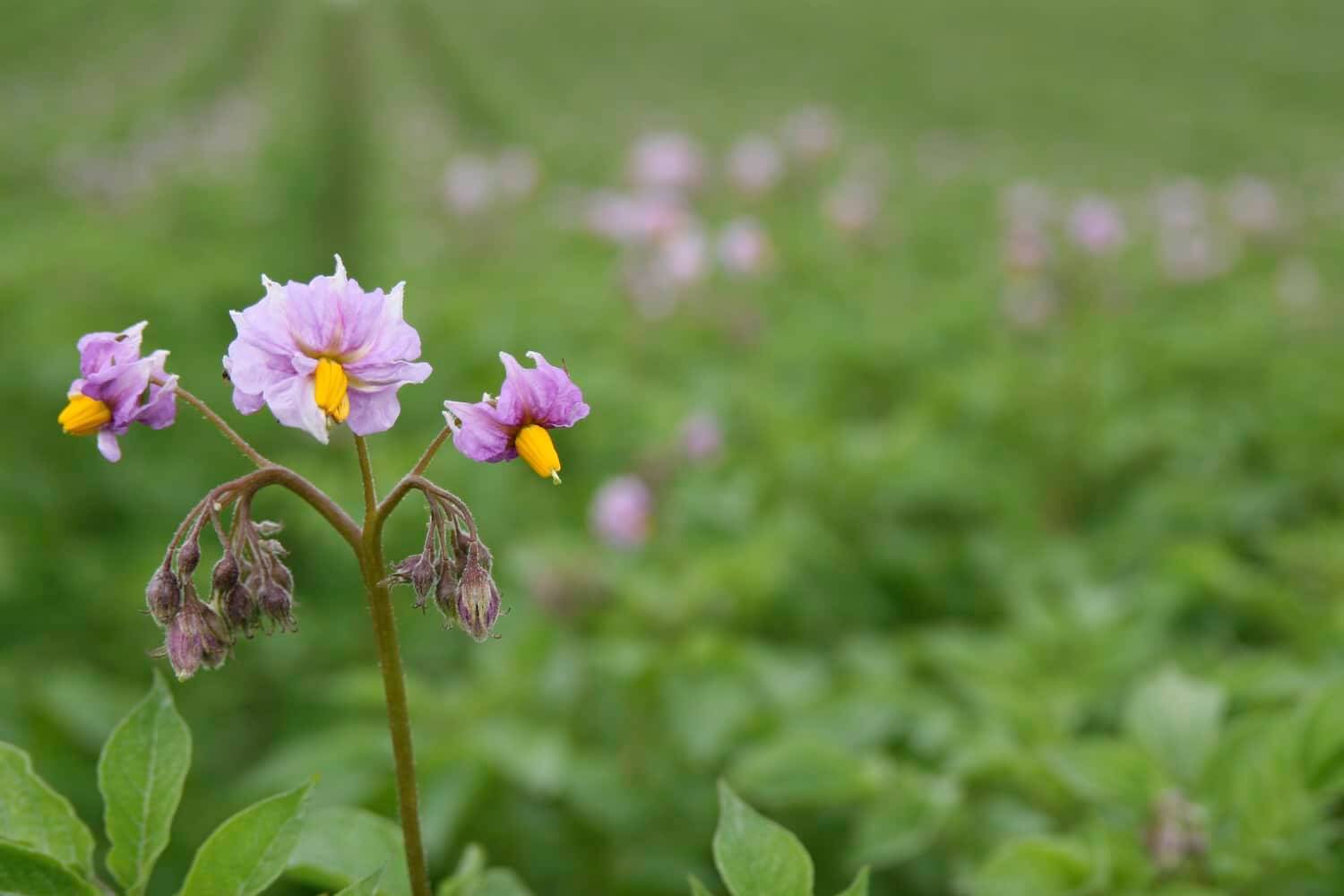
It is thought that much of this rise in use – and associated increase in glyphosate residues in food – can be attributed to the use of glyphosate as a pre-harvest desiccant. This is where glyphosate is used to artificially dry a crop to make harvesting easier. If the UK Government banned this practice it could overnight significantly reduce the amount of glyphosate residues found in bread and grains.
The approval license for glyphosate is up for review at the end of 2026. Health and environment advocates are calling for the UK government to use this opportunity to impose a ban on using glyphosate as a pre-harvest desiccant, as the EU did in 2023. Although this might actually happen sooner…
The impact of Brexit on UK pesticide standards
Governments set Maximum Residue Levels (MRLs) which place limits on how much of a specific pesticide is allowed to appear as a residue in a particular food item. Whilst MRLs are not, strictly speaking, based on protecting human health they do offer the consumer some kind of protection by setting legal limits for the amount of pesticide residues allowed to appear on their food.
Since 2021, the UK has been diverging from EU pesticide standards. Hundreds of MRLs have been weakened on a range of common food items including blackberries, grapes, onions and potatoes. While most of the food types affected are fruits and vegetables, the impact is broader and includes coffee beans and grains such as wheat and rice. Tea has suffered some of the most dramatic rises, with safety limits for the chemicals Boscalid and Chlorantraniliprole both increased up to 4,000 times.
More information on divergence can be found here.
However, in May of this year, the UK government announced a new Common Understanding with the EU, widely referred to as the “reset deal”. The deal includes a commitment to “dynamic alignment” which means that the UK will follow both existing and future EU pesticide standards. While the reset deal does leave the option for exceptions to alignment, it is very clear that UK pesticide standards cannot “lead to lower standards” than those of the EU. It does, however, allow the UK government to go further than the EU by introducing stronger protections for human health and the environment.
What this will in effect mean is that EU MRLs (and most likely also active substance approvals) will be the default position for the UK as a whole. There is no timeline for when the realignment will take place but it is thought that it will happen sooner rather than later in order to help facilitate trade, remove border checks, and ensure that EU and UK growers are operating on a level playing field.
What can you do to reduce your exposure to pesticide residues in food?
- Choose organic. Organic produce almost never has pesticide residues present according to the PRiF testing. On the rare occasions when a residue is present, it is usually the result of cross-contamination or due to the presence of a persistent pesticide (such as DDT) remaining in the soil.
- Prioritise wisely. Whilst switching to an all-organic diet might not be an option due to cost or availability, buying the organic versions of products most likely to contain pesticide residues can help reduce overall dietary exposure. The PAN UK Dirty Dozen is a good place to start when making decisions on which food items to buy organic. pan-uk.org/dirty-dozen/
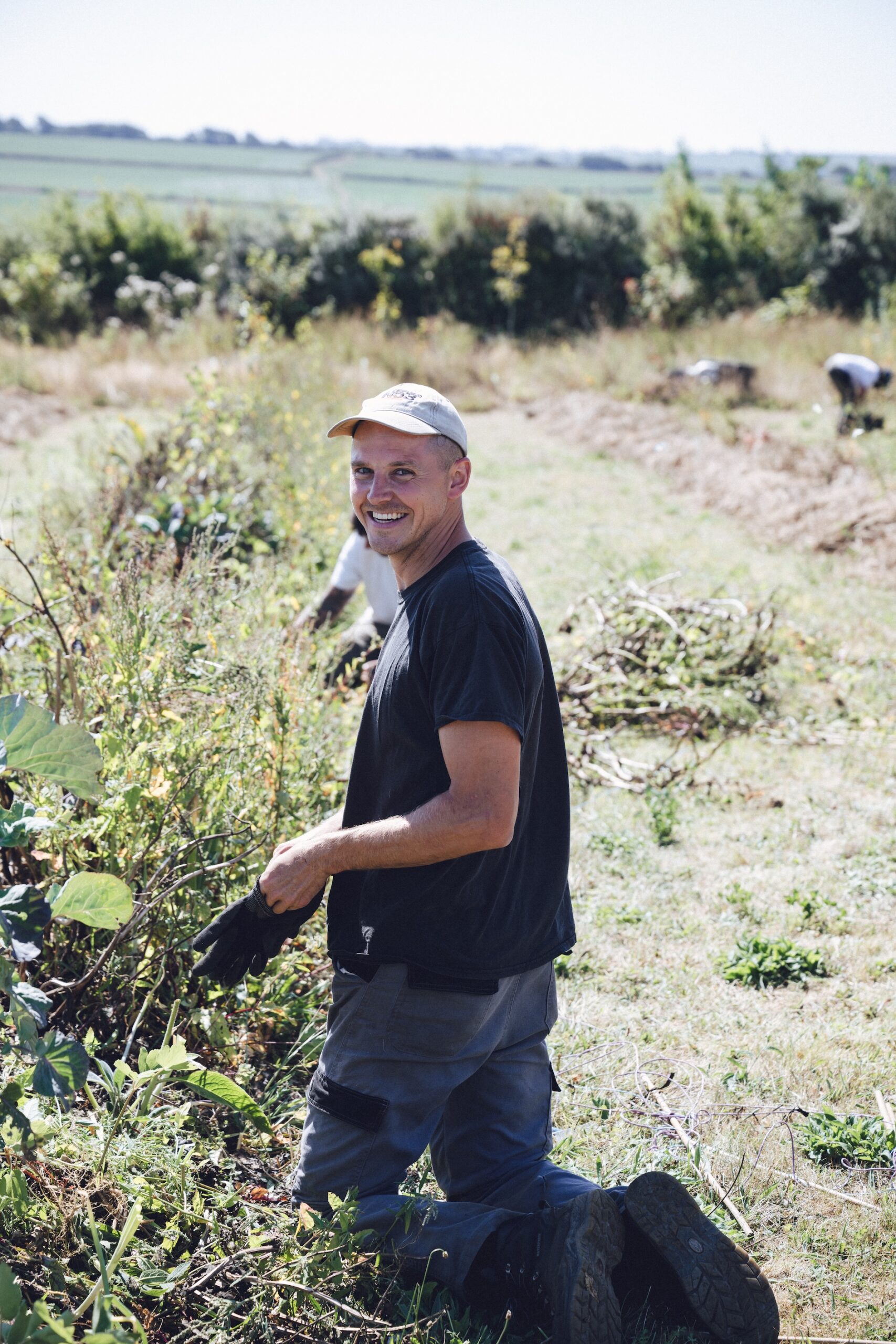
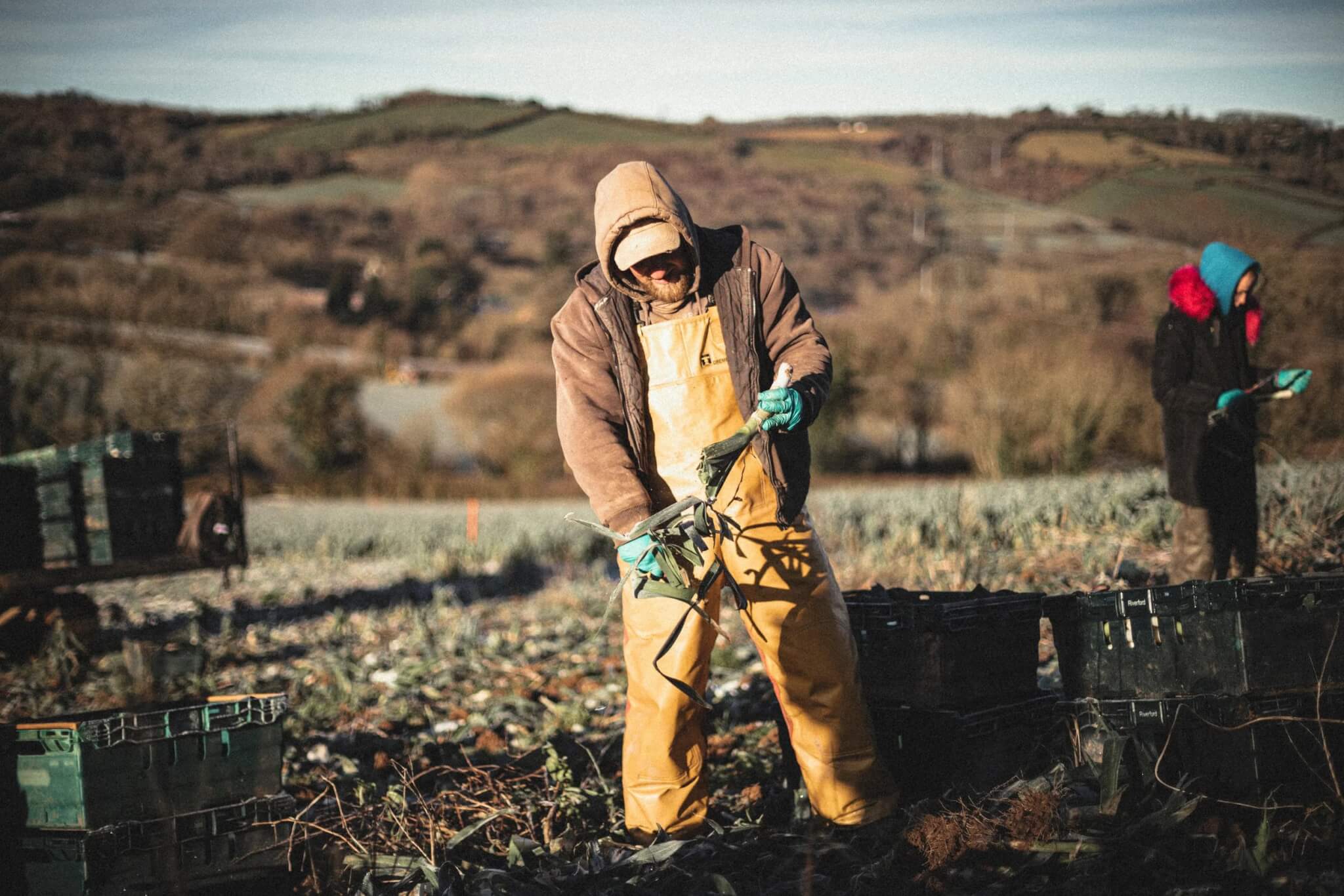
- Buy local, buy seasonal. Many of the pesticides that end up as residues are used to stop fruit and vegetables going off during transport and storage. This is particularly true of produce that is imported from abroad when it is out of season in the UK. By purchasing fruit and vegetables that are in season you could avoid, or reduce, your exposure to pesticide residues. Often small local growers, while not certified organic, will be using fewer pesticides than the large-scale industrial growers. Buying directly from them can, again, potentially reduce dietary exposure to pesticides.
- Write to your supermarket. Ask retailers to act on reducing pesticide residues and phasing out the use of Highly Hazardous Pesticides (HHPs) across their global supply chains. Some of the top ten UK supermarkets are already taking action to reduce pesticide harms – pressure from their customers is the number one reason they are motivated to take action. For more information on which supermarkets are leading the way on reducing pesticide use and how you can take action see https://www.pan-uk.org/supermarkets/
Nick Mole is the UK Policy Manager at the Pesticide Action Network UK (PAN UK)
This article was commissioned for the Wicked Leeks section of Veg & Table magazine, by Riverford. If you’re a Riverford customer and would like to add a copy to your box, you can do so here.

I am wondering about the effects glyphosate has on organic wheat and other cereal crops – not by direct application, but by its incorporation in the water table and water cycle, through rain and so on. Is there any data on this? I guess there is nothing much that organic farmers can do about it?
Look into bioaccumulation. This occurs when toxins build up – or accumulate – in a food chain. Animals at the top of the natural food chain are affected most severely, so in our human-constructed food system that would be the humans who artificially put themselves at the top via the use of other species of animals through feeding them mostly cultivated plants. Given that 99% of livestock in the US & around 80-90% elsewhere are fed crops treated with these chemicals, pesticides & herbicides bioaccumulate & higher concentrations of them are consumed in animal-sourced foods (& household/skin products).
For those eating plants-only who want to avoid them, they can opt for veganic, organic, or grow their own, or wash them thoroughly, but irrespective, the inherent benefits of plant polyphenols/antioxidants are said to be outweighed by any traces of pesticides when consumed at the lower trophic level plus legumes require less pesticides according to Zoe Health.
So if you want to avoid consuming pesticides eat plants directly at the lower trophic level.