

All year long, Riverford’s band of chefs & cooks have a constant conveyor of veg coming their way. We might be called on to taste a veg trial, compare varieties, write a product description, or conjure a recipe. We engage daily in the serious business of organoleptics – a fancy word for something deliciously simple: the way something acts on or is perceived by the senses (in this case, food). This process allows us to create a common language of reference and relative measure for all the food we’re growing & tasting here on the farm, but it also helps us to engage, tantalise, and inform everyone who gets our veg delivered to their door. In the absence of taking a bite, descriptors like ‘crispy’, ‘creamy’, or ‘succulent’ tell a rich, appealing story. Beware of the claggy, chewy, or fibrous.
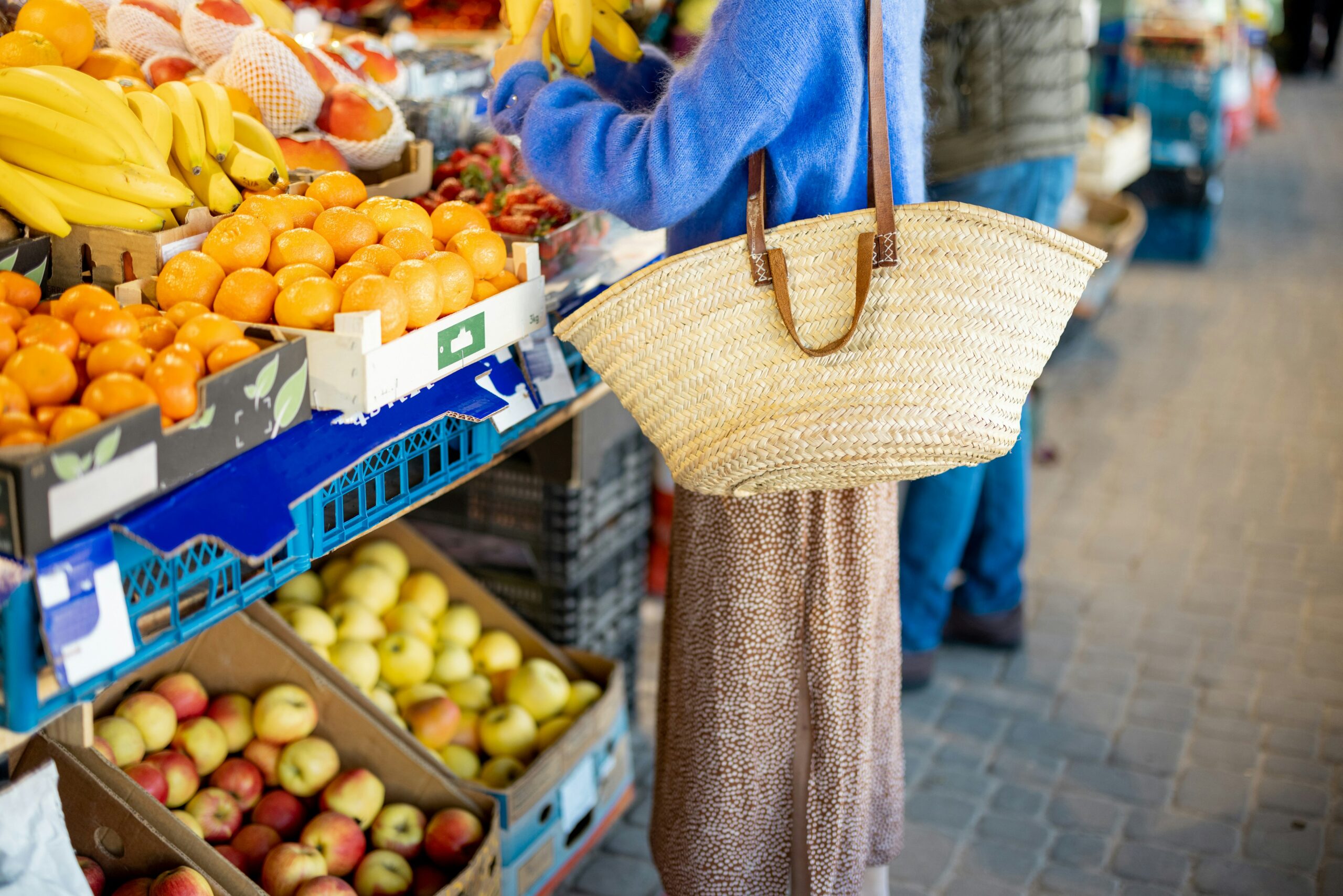
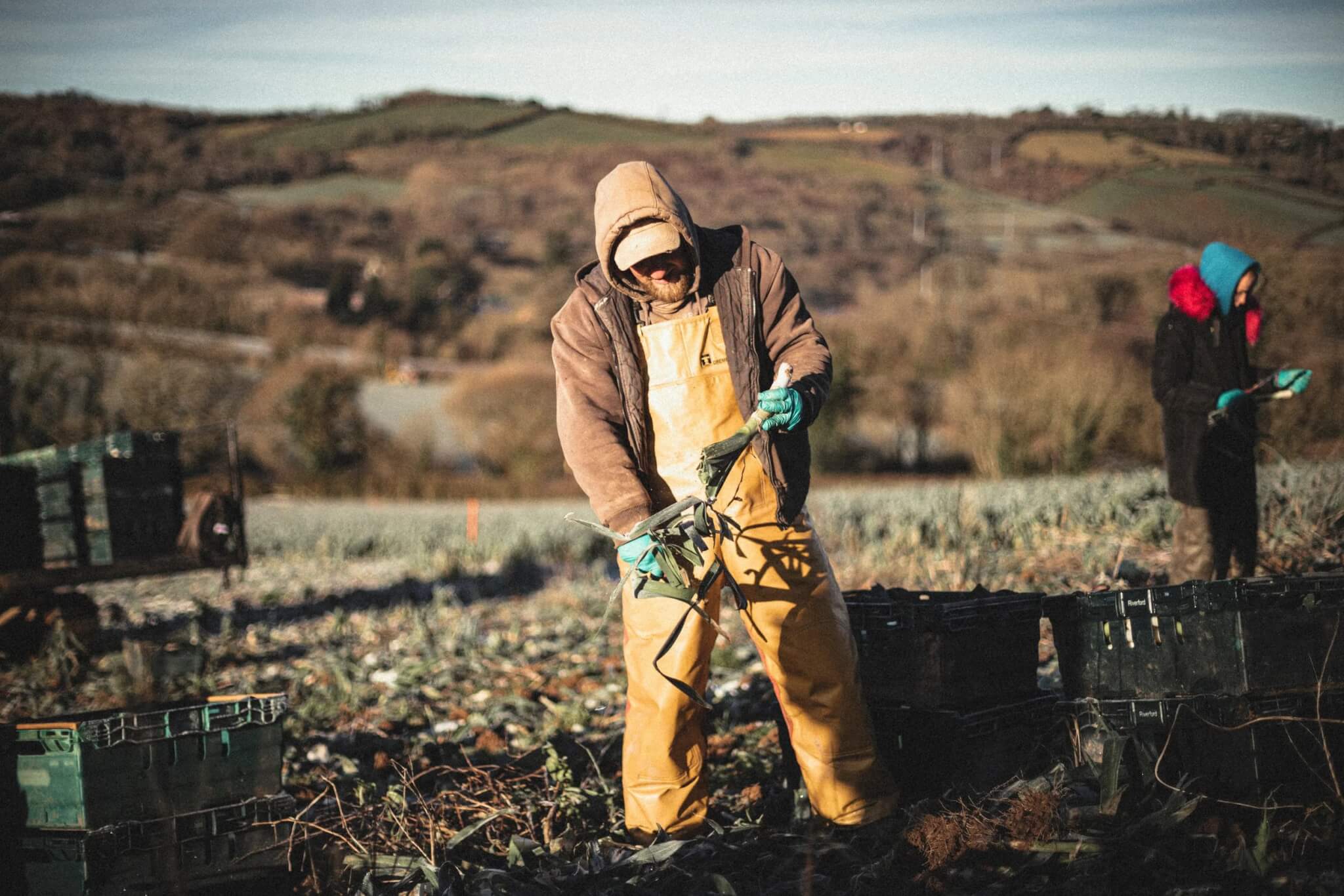
We’re told that we ‘eat first with our eyes’ and so it is when we see a painterly palette of veg from the field. An appreciation of the sculptural form of squash or artichokes, for instance, might inform how we plate, photograph, and box your veg; the senses gleaning endless information about the potential eating experience. Likewise, you want to feel the fresh snap of carrots, asparagus, and beans, or the reassuring heft of winter brassicas and roots in your hands. Their absence should ring alarm bells.
Perhaps that’s why food has found prominence in the ASMR (Autonomous Sensory Meridian Response) movement – a school of mostly YouTube and TikTok creators whose sensory adventures feature the consumption of various foodstuffs, complete with close-up microphone crunches, slurps, and gurgles. I’ll admit, I find it all a bit unnerving but their popularity proves the power of our own cranial acoustics and how we perceive what we eat. To hear the crunch of a roast potato makes everything right with the world.
Taste and smell are also intrinsically linked. At a basic level, we’re looking for a balance of salty, sweet, sharp, and bitter but you can go further with aromatics, spice, heat, and earthiness. The really interesting flavours often flirt with pejoratives; cabbages, garlic, and cheese might be said to be sulphurous, pungent, or overripe, respectively. A dish can be bold, comforting, or enlivening but we’ll draw the line at the lofty parlance of wine-tasting, preferring earthy to ‘terroir’ any day of the week.


0 Comments