
Just 1% of England’s population owns half of its land. Until recently, understanding precisely who owns what – obscured by paywalls and muddled by a lack of maps – represented an all-but-impossible challenge.
But in March, as part of its new Land Use Framework for England, the UK government announced new plans to open up its Land Registry. If the plans are delivered, it’ll be far easier to find out who owns land across England and Wales.
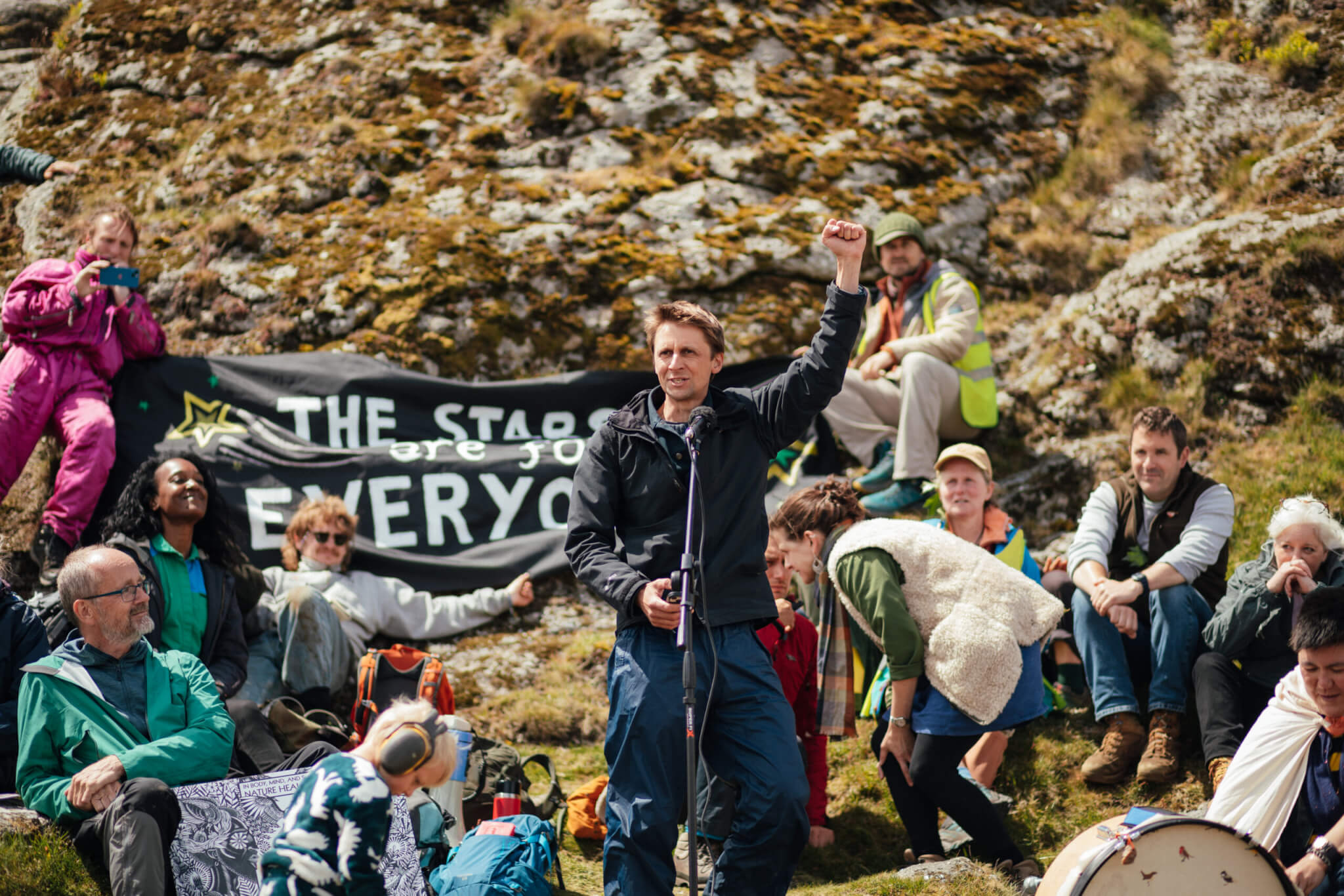
Guy Shrubsole, a writer, environmentalist and activist, who co-founded Right to Roam, has campaigned for more transparency around land ownership for 10 years, since starting his blog, Who Owns England a decade ago.
“I’m elated – very excited about it!” he says.
Guy became interested in the issue of land ownership in the aftermath of Brexit, when the narrative from the Leave campaign had been hooked on the catchy notion of ‘taking back control’.
“I was like, well, I’d be really interested in working out who does actually control the most fundamental thing in this country, which is who owns the land, who has the control of wealth and power, because land is clearly very much related to that, and has been throughout English history.”
It was a daunting task. Guy explains that currently, it costs £7 to view a single land title register – “The price of an expensive London pint,” – and that with 24 million land titles registered, it would cost an interested person, or organisation, £168 million to piece together that information.
Until now, it’s been a painstaking case of detective work, sifting through information, and following paper trails to track down names of landowners that are sometimes tucked away in obscure places, such as maps that detail farm and heritage subsidies. It’s through this line of enquiry that Guy came to his conclusion that 50% of England is owned by just 1% of its population – and he admits that’s likely a conservative estimate; it may well be that a lot more land lies in the hands of even fewer. The new policy will certainly make access to this information quicker, clearer and more accurate.
Why does it matter whether or not we know who owns our land? Well – in understanding who owns specific land, there’s instantly more room for a say in how that land is managed. And without it, irresponsible land management can remain unchallenged and scrutinised. For the Government’s planning ministers, clearer information around land ownership means an opportunity for clearer planning strategy. For environmentalists, it has the potential to allow for better collaboration between landowners, farmers, groups and government to put in place large-scale nature recovery projects, and apply for Landscape Recovery funding.
Understanding who owns the UK’s peatland, moorland, rivers and other key areas will also make it easier to hold landowners to account. This more cohesive approach to land management forms the backbone of the ambitious Land Use Framework, with the report stating its ambition that house building, food production, nature restoration and clean energy don’t need to be ‘competing demands’ on our land.
For Guy, as well as the logistical aspects, the question of who owns our land, and how we balance the stark inequality in ownership with land access and management, feeds into our collective sense of belonging and identity as a nation. After all, it’s hard to collectively connect and care for land when you don’t understand who’s responsible for it.
“I think it’s really key to understanding who we are as a country,” he says. “It’s key to our sense of belonging. And I think it’s about shaping what I hope is a different idea of England; one that isn’t simply owned by a very small number of very wealthy people, but one in which we all – whether we are born here or immigrate here – are made to feel a part of it and to have a meaningful say in how we structure our office.
“When you start walking through the countryside with the understanding that it is, of course, owned by other people, and sometimes by very large estates, you start to go ‘oh, ok, so that ‘Keep Out’ sign there, it’s not necessarily just for keeping stock in, it’s actually a line of power through the countryside. It’s a form of saying ‘this is mine, and not yours’ and excluding the vast majority of the population from being able to access the land.
“This is a way of having a greater sense of belonging. Maybe it doesn’t come from having to see the ownership of the countryside change, but we certainly need to change the terms on which ownership rests.”
Guy feels hopeful about the future of UK land policy as a result of clearer information around ownership. But he anticipates a possible backlash to the plans from landowners and their lobbyists.
“It’s not over until it’s over,” he says. “And the changes haven’t come in yet, although the Government has said they will. There may be a consultation later this year. There will almost certainly be a backlash from very large landowners and their lobbyists. So for anyone who is interested in helping out, if that arises we’ll need lots of people to say that we really do need to know this.”
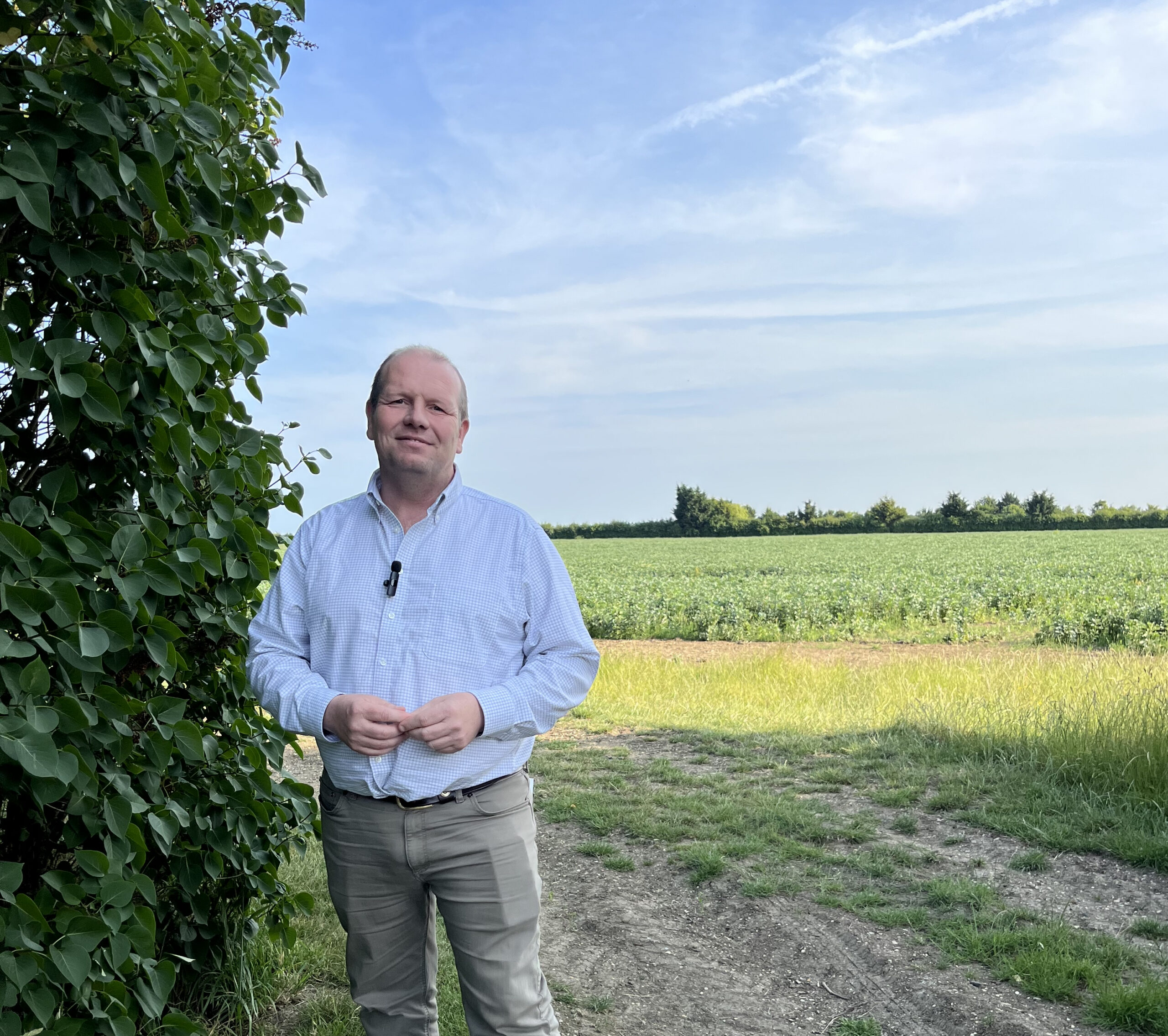
Image of Guy Shrubsole, taken by Emma Stoner at a Right to Roam gathering at Haytor in May 2025.
You can follow the campaign at Who Owns England? or get involved through Right to Roam.


0 Comments