
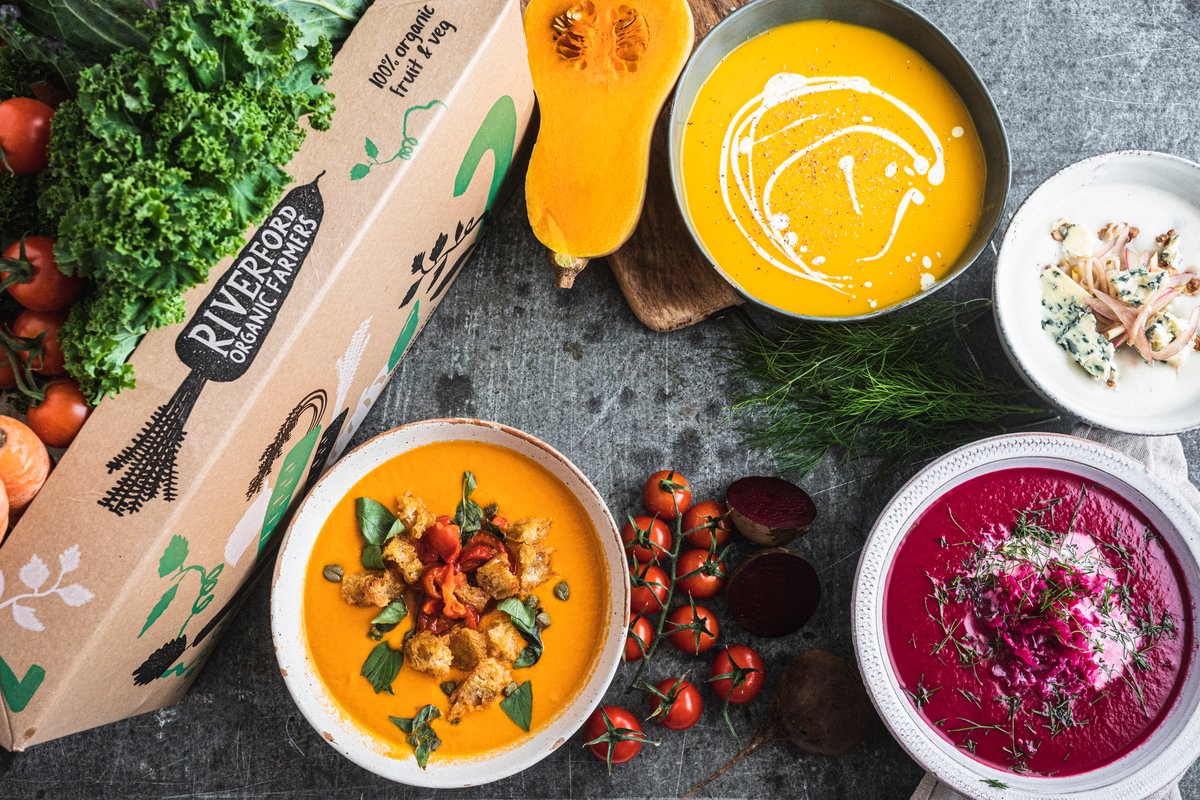
Despite the warmer temperatures this autumn, there is a change in the air. The mornings are cooler, the nights are drawing in, and as we move further into the season of “mists and mellow fruitfulness” my mind turns to how food can help us stay well through autumn and winter. It’s not a guarantee, but eating a fresh, colourful, varied diet gives your immune system the essential nutrients it needs to do a good job.
Autumn has plenty to offer too, with elderberries and rosehips in the hedgerows, a second flush of young nettle tops to pick, and vibrant veg in the fields. Orange-coloured veg such as squash and carrots are rich in beta-carotene which your body turns into vitamin A. Vitamin A helps your body form the immune cells that fight off illness and help keep the protective lining in your respiratory tract healthy; this is the body’s first line of defence against airborne viruses and bacteria (important as cough season kicks in). Throw handfuls into traybakes and soups – I’m making a roasting tray squash soup with plenty of garlic on repeat. Dark leafy greens are also plentiful in boxes right now; the black kale is looking particularly spectacular.
Kale may not be the first food that springs to mind for vitamin C, but one cup of raw kale provides around 80 mg – nearly 90% of the recommended daily value (although it’s important to remember that these recommendations are best thought of as a minimum rather than optimal). Vitamin C helps the production and function of white blood cells, which act as frontline soldiers for the immune system and defend against infection, while our phagocytes – the Pac-Men of the immune system – gobble up pathogens.
I also like to make up a big batch of ‘fire cider’, infusing ingredients with immune-supporting or anti-inflammatory properties like garlic, ginger, turmeric, chilli, and rosemary in apple cider vinegar with honey and orange to balance the flavour. Similar vinegar-based recipes have been used in folk medicine for centuries, traditionally taken as an immune tonic. Regardless of its efficacy, it’s also delicious – punchy & refreshing. You can drink it as a shot, but I like to lengthen it with sparkling water.
Of course, eating well is just one part of the big picture. Early nights & getting outside help too, and, if we’re lucky, autumn gives us myriad opportunities to do all three.
Find over 1500 autumnal recipes at riverford.co.uk/recipes/seasonal/autumn
Our News from the Farm posts come from Riverford. They are the digital versions of the printed letters which go out to customers, every week via Riverford’s veg boxes. Guy Singh-Watson’s weekly newsletters connect people to the farm with refreshingly honest accounts of the trials and tribulations of producing organic food, and the occasional rant about farming, ethical and business issues he feels strongly about. Riverford’s monthly Farm Kitchen letter is written by Riverford’s team of chefs, recipe and content creators: Emily, Bob & Hannah.







0 Comments