
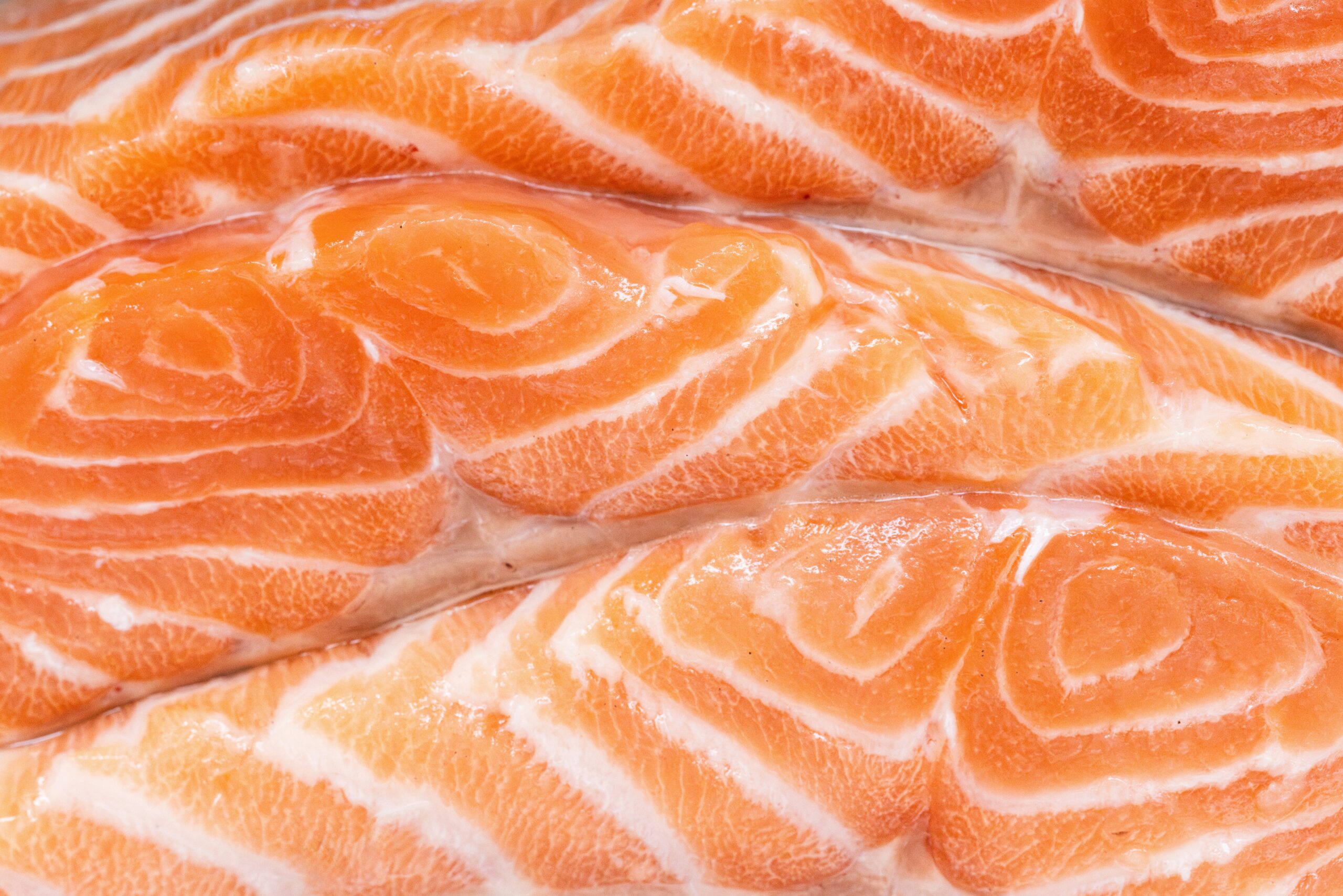
I stopped eating farmed salmon five years ago and am delighted that last week, the Soil Association (SA) bravely decided to stop certifying British salmon production after a rigorous two-year review. Salmon can still be certified as organic under British and EU regulations, but it will no longer carry the SA logo.
“Better than hideous” does not justify the organic stamp and certification only undermines organic land-based farmers who must meet exacting standards and undergo inspection every year to retain their status. Organic salmon has been the source of acrimonious disputes since the 90s, when organic salmon farming was first certified. We now know that we got it wrong but it’s a source of pride rather than shame that the Soil Association has acknowledged that and acted.
The welfare standards for all farmed salmon are horrific – mortality rates on individual farms are commonly above 50% and in Scotland, only 61.8% made it to harvest in 2024. The industrial fishmeal industry is also destroying marine food chains around the world as it hoovers up the krill and other small fish that form the basis of farmed salmon’s diet, and at a local level, the faeces, waste food, chemicals used to control lice, and antibiotics included prophylactically in their diets, devastate the formerly pristine loch and coastal waters that host their cages.
Various forms of fish farming have been employed for centuries around the world, normally on a small scale, serving local markets, using non-migratory, omnivorous species like carp and tilapia that are more suited to enclosure and can be fed a largely plant-based diet.
If we can make money from scaling, stripping, and globalising we seem incapable of constraining the process, however destructive the result. On land it happened first with chickens, crowded into “intensive poultry units” of 40,000 and slaughtered after 35 hideous days in the dark. Then pigs, kept in crates on slats, in ever larger biosecure units, fed grain and soya from around the globe. The trend continues with mega-dairy units; the latest figures show that up to 20% of the UK dairy herd is kept permanently indoors, never tasting nor touching pasture.
The UK retail salmon market is worth £1.59 billion annually; profits are spent convincing us that lice-ridden, mutilated salmon swimming in circles for two to three years are happy, or that there is no alternative to their suffering. Now is the time to say no to farmed salmon, at home and on restaurant menus.
If you’ve a local fishmonger, ask what’s wild and caught by small-scale day boats, or seek out ethical, local fisheries like Sole of Discretion (a fishers-owned community interest company which runs out of Plymouth harbour) who supply underutilised catch, like dab and flounder. Better still, you may want to consider farmed, rope-grown mussels; they are delicious, nutritious, and much better for the environment.
Our News from the Farm posts come from Riverford. They are the digital versions of the printed letters which go out to customers, every week via Riverford’s veg boxes. Guy Singh-Watson’s weekly newsletters connect people to the farm with refreshingly honest accounts of the trials and tribulations of producing organic food, and the occasional rant about farming, ethical and business issues he feels strongly about.

0 Comments