

In 1846, the year the protectionist Corn Laws were repealed, around 50% of UK household income was spent on food and about 70% of the price of a loaf would have gone to a local farmer for the wheat. This was the golden age of British farming, when Constable immortalised his hay wain, and landowners commissioned paintings of their prize bulls. Today, about 10% of household income is spent on food and less than 10% of the price of a loaf of bread will go to the farmer, who could be on the other side of the world.
In the UK, agriculture generates just 0.6% of GDP but is the primary driver of biodiversity loss, and responsible for over 10% of greenhouse gas emissions. Free, globalised trade and unbridled capitalism gave us the cheap food that fed the landless, urban poor who enabled our Industrial Revolution, and, in time, our reliable cars and smartphones, but at a cost we are only belatedly understanding. At agricultural college in the 1980s, I was taught that glyphosate was a farmer’s best friend – a cheap, devastatingly effective herbicide that had zero mammalian toxicity, broke down immediately on contact with the soil, and posed no risk to the environment – all since proven to be untrue. In 2015, it was classed as “probably carcinogenic” by the International Agency for Research on Cancer.
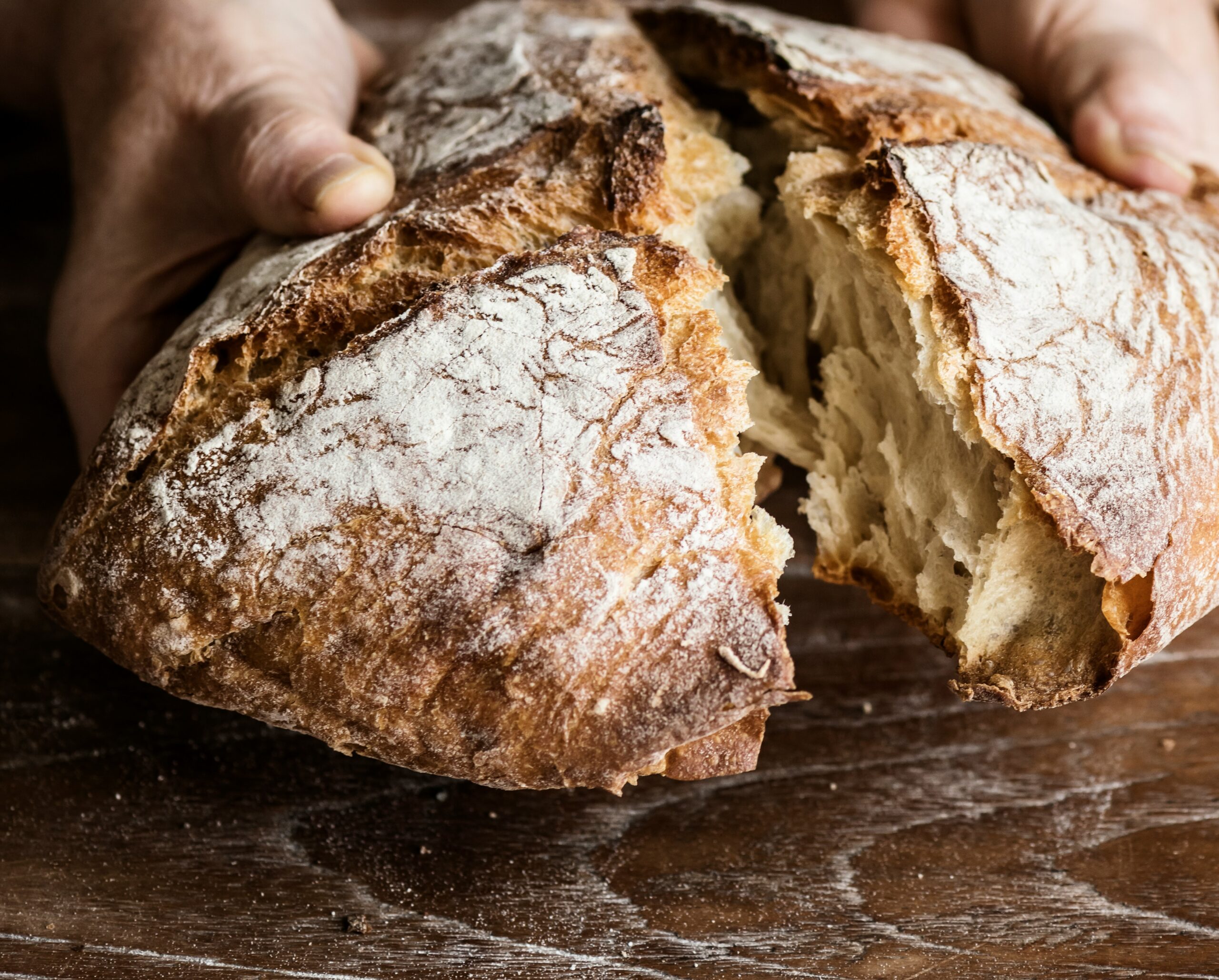
Since 1990, UK glyphosate usage has risen 1,000% – partly because of its egregious use as a pre-harvest desiccant in non-organic farming, where it is sprayed on cereal crops just days before harvest. It’s such a persistent chemical that 28% of bread samples tested by Pesticide Action Network (PAN UK) were found to contain it. It’s in our breakfasts, baked goods, and beer, and what’s concerning is that 70% of the people we surveyed were unaware that traces of weedkillers like glyphosate can remain in food.
This isn’t about blaming farmers. Many are working within a system where prices have been driven down to a level where glyphosate-based herbicides (GBHs) feel like the only commercially viable option. In this case, the reduction in food prices is infinitesimally small, but the risks, substantial. Pre-harvest desiccation was banned by the EU in 2023; Riverford, the Soil Association, PAN UK & many others, are campaigning for the UK to do the same.
Help us end this Grievous Biological Harm from glyphosate-based herbicides, by signing the petition.
Our News from the Farm posts come from Riverford. They are the digital versions of the printed letters which go out to customers, every week via Riverford’s veg boxes. Guy Singh-Watson’s weekly newsletters connect people to the farm with refreshingly honest accounts of the trials and tribulations of producing organic food, and the occasional rant about farming, ethical and business issues he feels strongly about.

0 Comments