
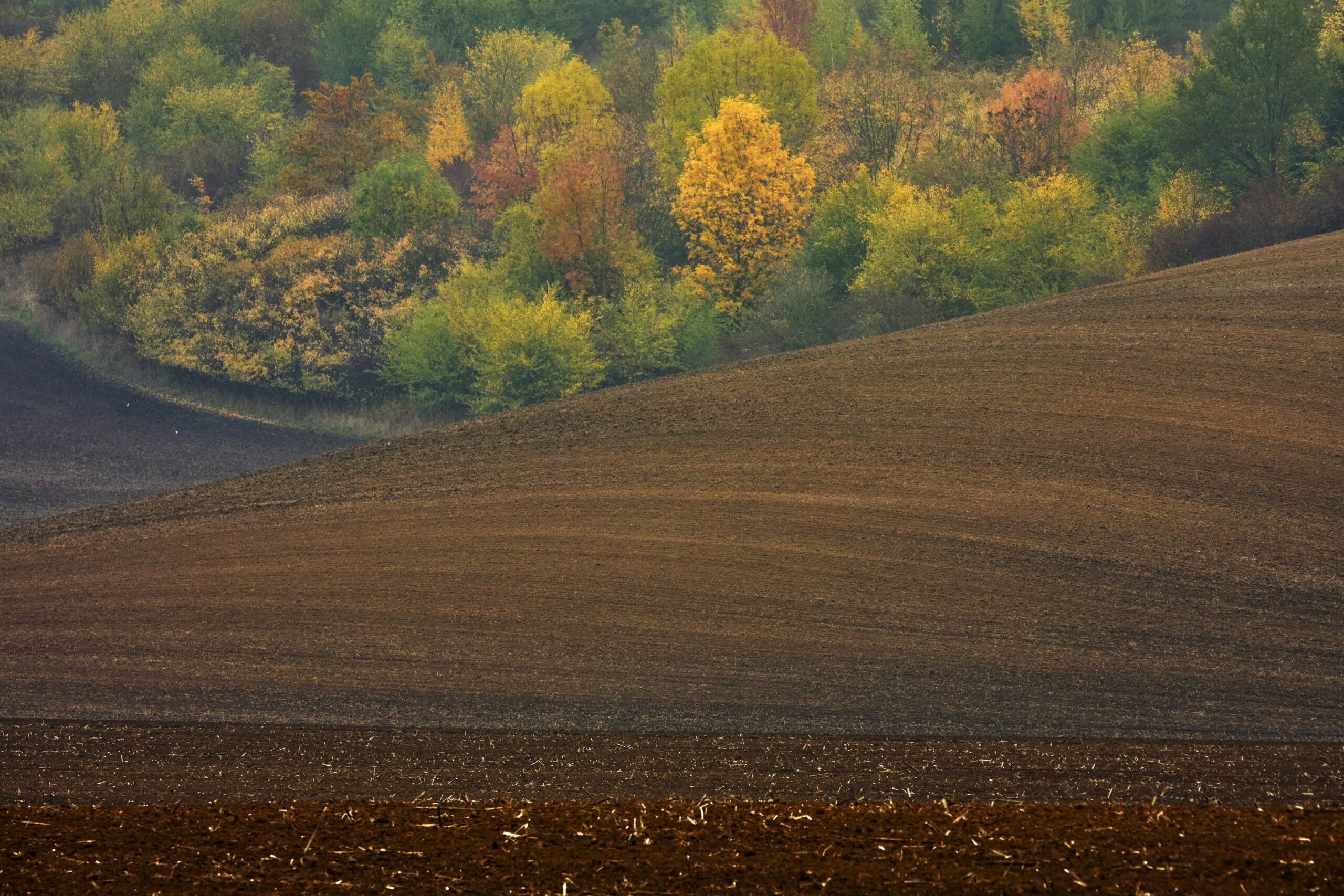
We now have clouds but we are still waiting for meaningful rain. How it can be so hot for three months without thunderstorms defies fifty years of experience, but we are entering a new era with a new rulebook.
Ground this dry becomes resistant to wetting, bringing the danger of intense rain disappearing down the deep cracks or running off and taking our soil with it. Ideally, we need a light drizzle, allowing the soil to soften and receive the rain it so badly needs.
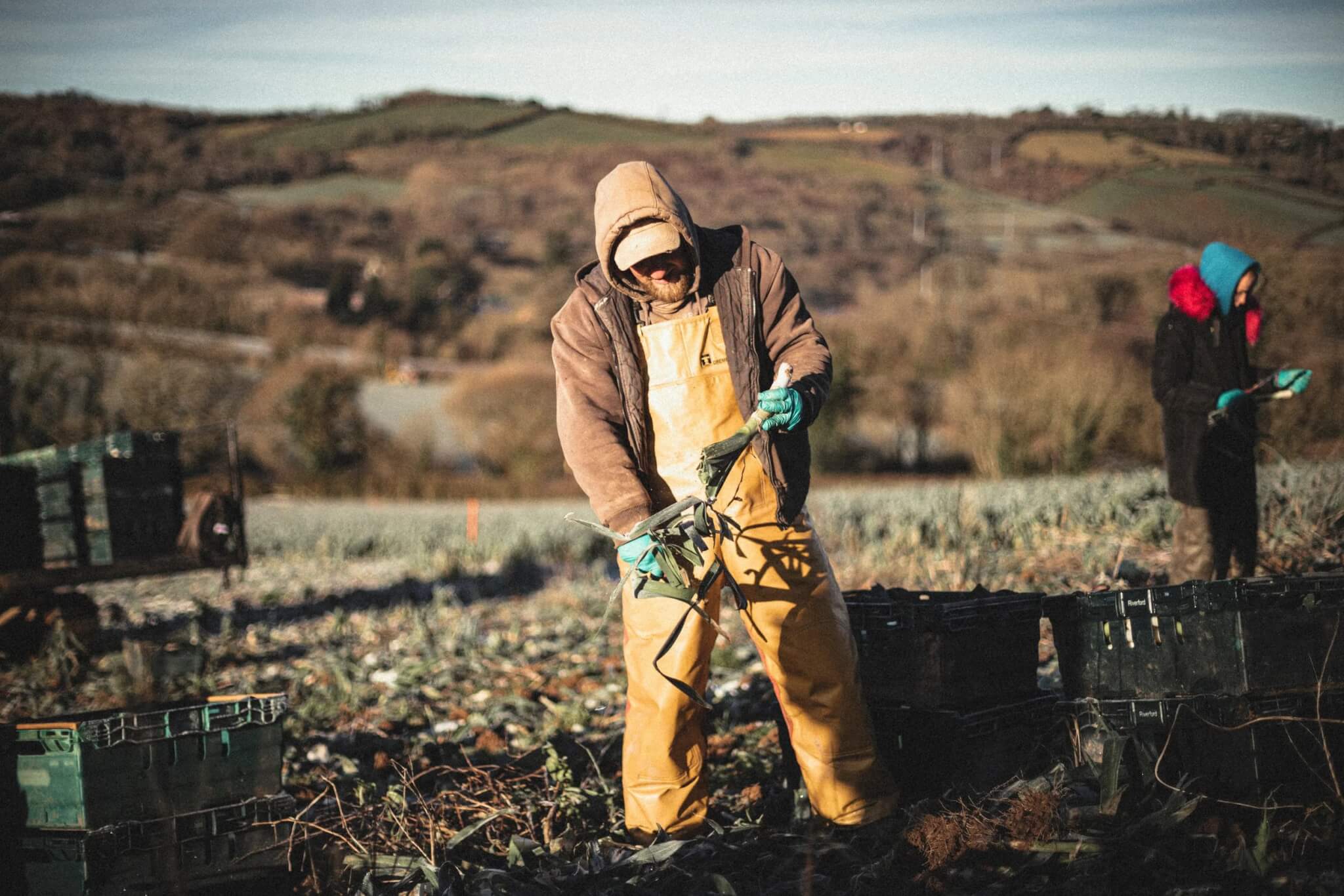
Winter crops of leeks, cabbages, broccoli, and cauliflowers have mostly ground to a halt. They will fly when it rains but losing a week of growth in August will take a month to make up in the shorter, cooler days of October and November. Many farmers will be praying for an “open back end” – a long, mild autumn and no early cold snaps, allowing crops to grow into winter.
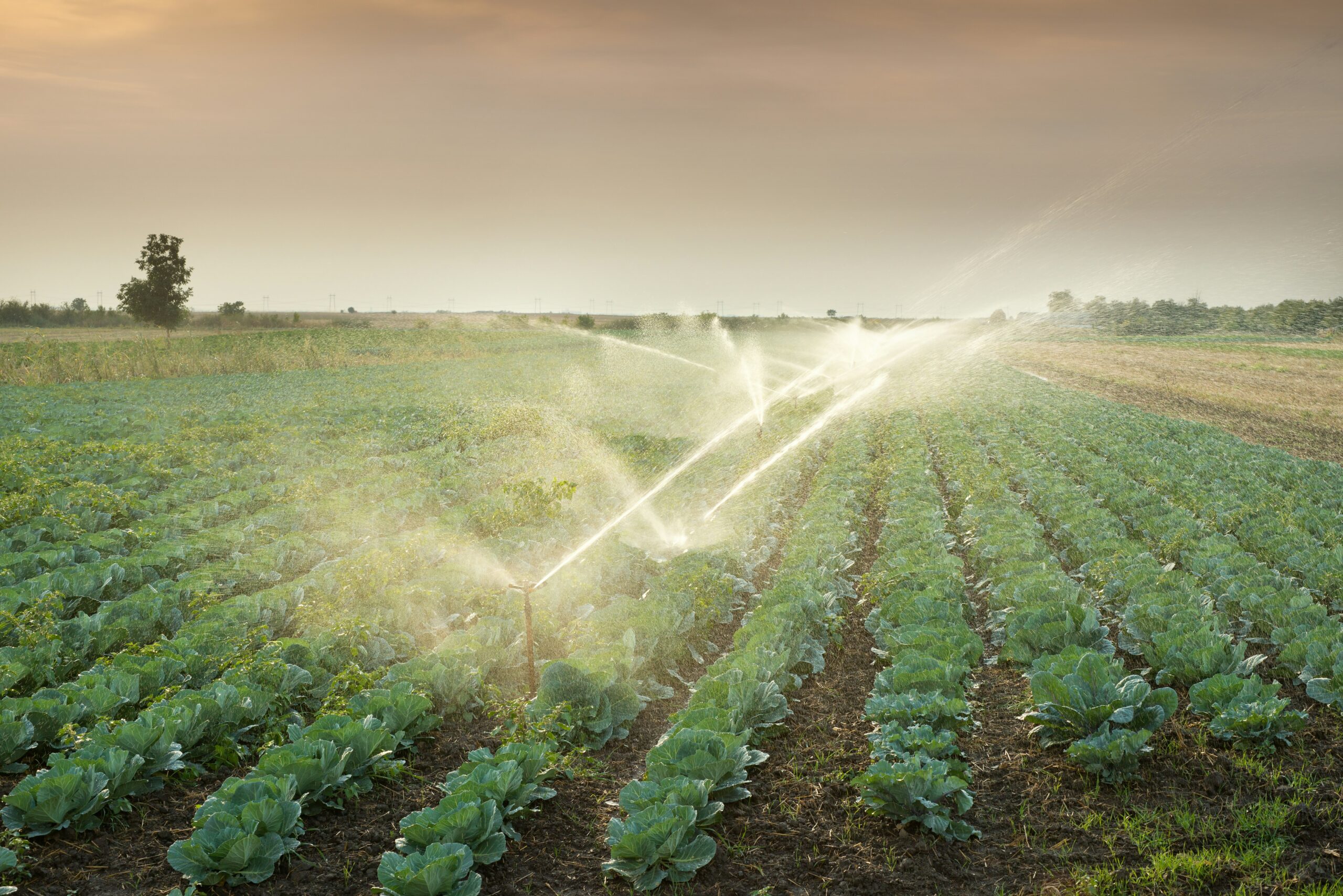
The search for green in an otherwise brown landscape gives hints of what resilient farming could look like in the face of climate change. Irrigation helps. Similarly, those who prepared seed beds early and thereby locked in moisture have escaped the worst effects of the drought. Although, this technique of maintaining bare soil brings its own problems.
Walking my brother’s pastures, it is clear that, while most grasses have been brown for a month, mixed herbal leys including deep-rooted species like chicory, plantains, and some red clovers are still growing and flowering, providing food for hungry cows, bees and butterflies.
Even for those of us trained to see agriculture as a battle to supplant nature with our monocrops, the contrast with old hedges and woods is hard to ignore; our training tells us that all the vegetation should have sucked every drop of moisture from the rooting zone but these areas are the most verdant, while our crops are parched.
The combination of shade, reduced air movement, undisturbed soil covered with an annual mulch of fallen leaves, and the deeper rooting of perennials where machinery has not damaged structure and high levels of organic matter will all play their part. We have a lot to learn about how these diverse communities complement rather than compete. Imitation will require a philosophical leap for those of my generation who have lived under the hegemony of the neoliberal belief that competition always wins.
Our News from the Farm posts come from Riverford. They are the digital versions of the printed letters which go out to customers, every week via Riverford’s veg boxes. Guy Singh-Watson’s weekly newsletters connect people to the farm with refreshingly honest accounts of the trials and tribulations of producing organic food, and the occasional rant about farming, ethical, and business issues he feels strongly about.

0 Comments