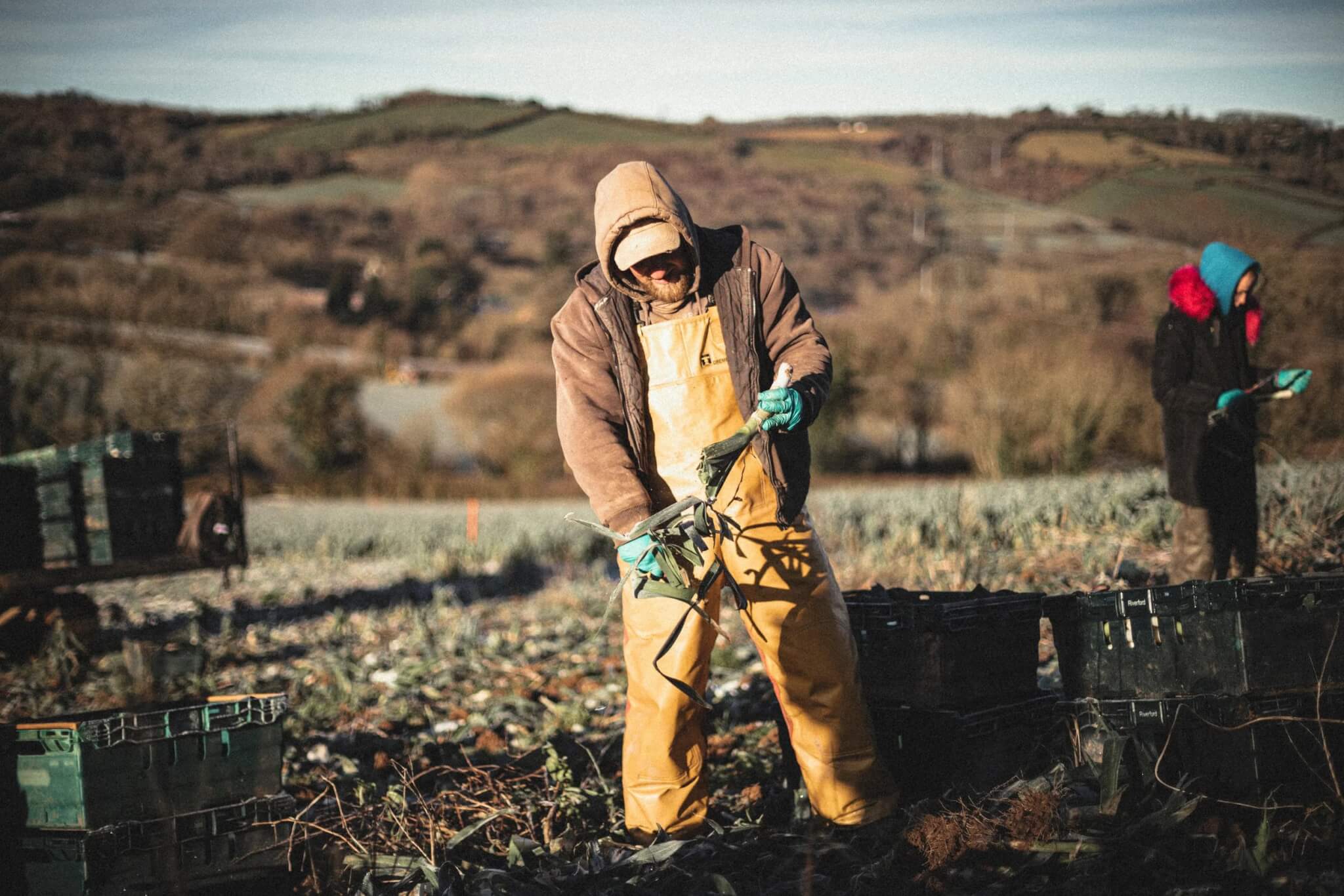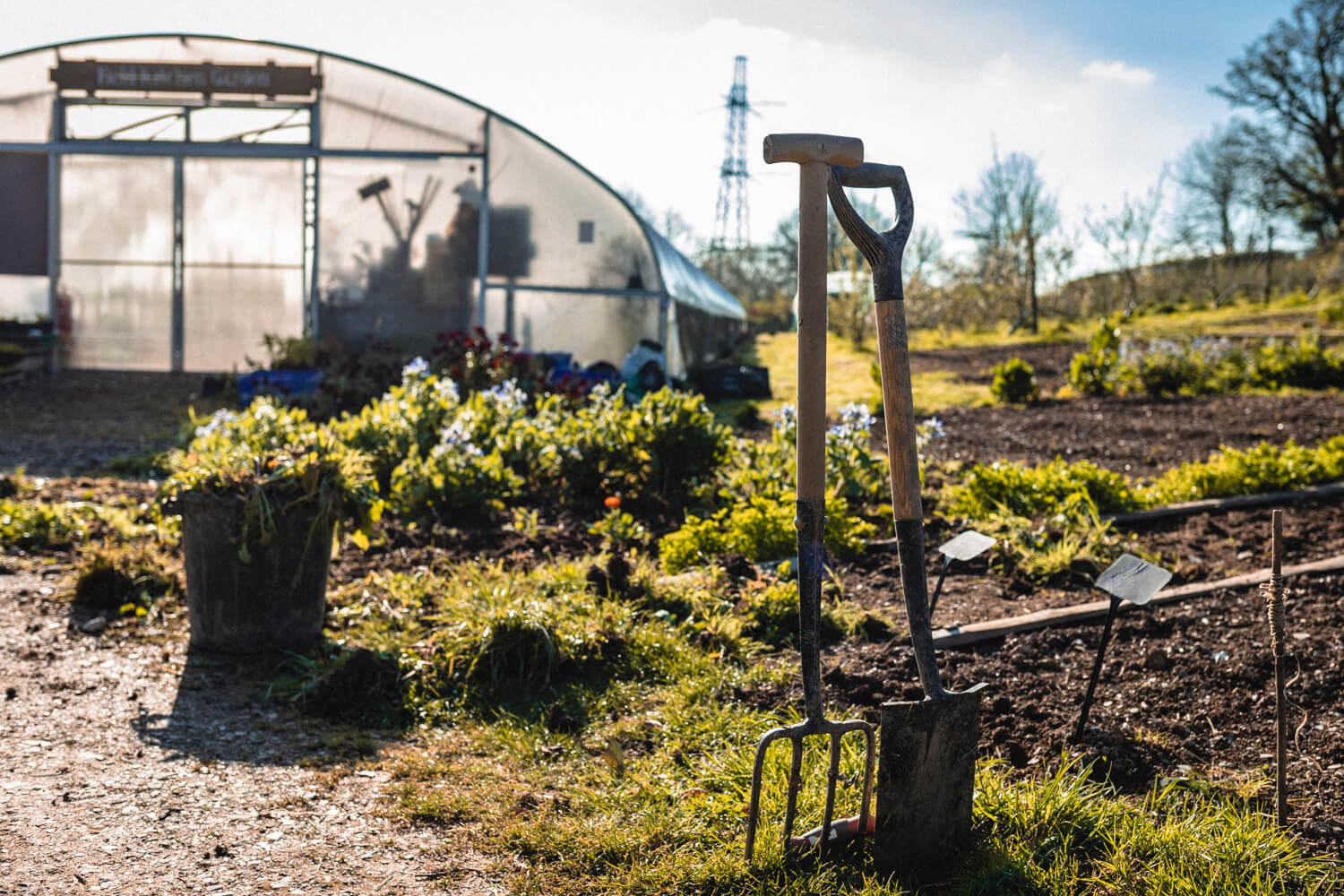
Honeydale Farm is the home of FarmED—a “living textbook of regenerative farming,” whose podcast aims to open a new chapter in agriculture, raising awareness of how to grow a resilient food future, rooted in agroecological principles.
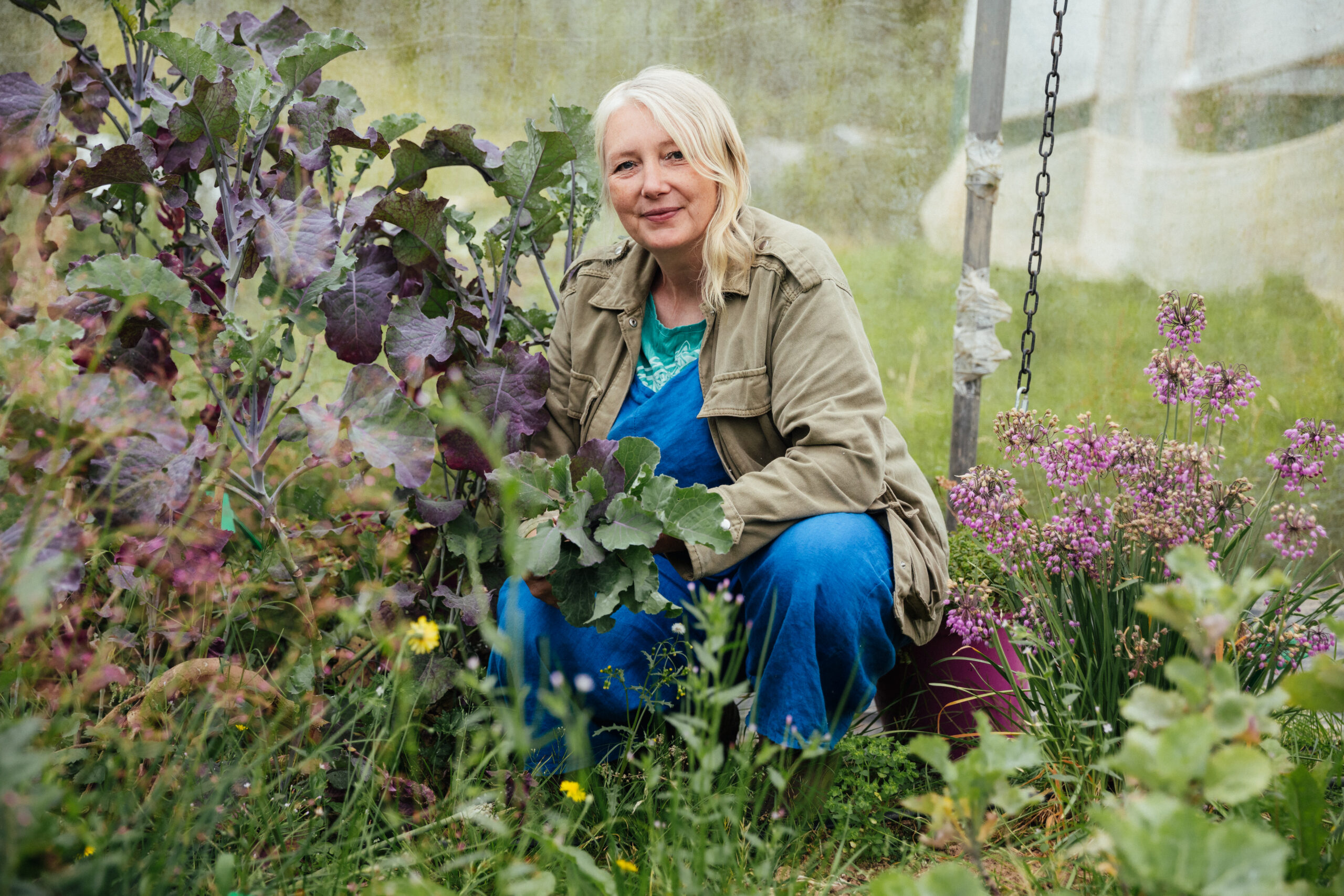
Co-founded by Ian and Celene Wilkinson, FarmED is a vibrant educational centre that teaches sustainable farming and food systems, actively demonstrating on their 107-acre Cotswolds farm the importance of biodiversity, animal welfare, and the climate change-mitigating, human health-impacting power of healthy soil.
Their hope-filled podcast covers diverse topics and features thought-provoking conversations with a range of experts, such as Alex Philmore from the Farming Community Network who digs into rural mental health, and publishers of organic farming and sustainable living books, Chelsea Green Publishing, who discuss how storytelling can inspire change.
In one episode, we hear from Dan Saladino—collector of food stories, broadcaster, and author of 2022 Wainwright Prize-winning, Eating to Extinction—who tells us that “through the lens of food”, we discover tales that “explore history, politics, power, economics, science, and culture”.
Saladino became fascinated by global food heritage and biodiversity after discovering the “treasure trove of stories” contained within The Ark of Taste. This project, created by Slow Food, is on a mission to save thousands of the world’s most endangered flavours, from Aaloo Bukhara Dry Plums to Spider Flower Leaves—and you can view all of the foods at risk of extinction in their fascinating online catalogue, even nominating food you believe to be under threat.
He tells us, too, about Svalbard Global Seed Vault in Norway—an underground strongroom that stores and safeguards seeds for the future. Within its holdings are over a million seed samples, including 150,000 samples of wheat and rice.
However, according to Saladino, there are only ten approved varieties of wheat in Europe—a tiny fraction of all the world’s wheat varieties, many of which may have useful adaptations, such as resistance to fungal infections.
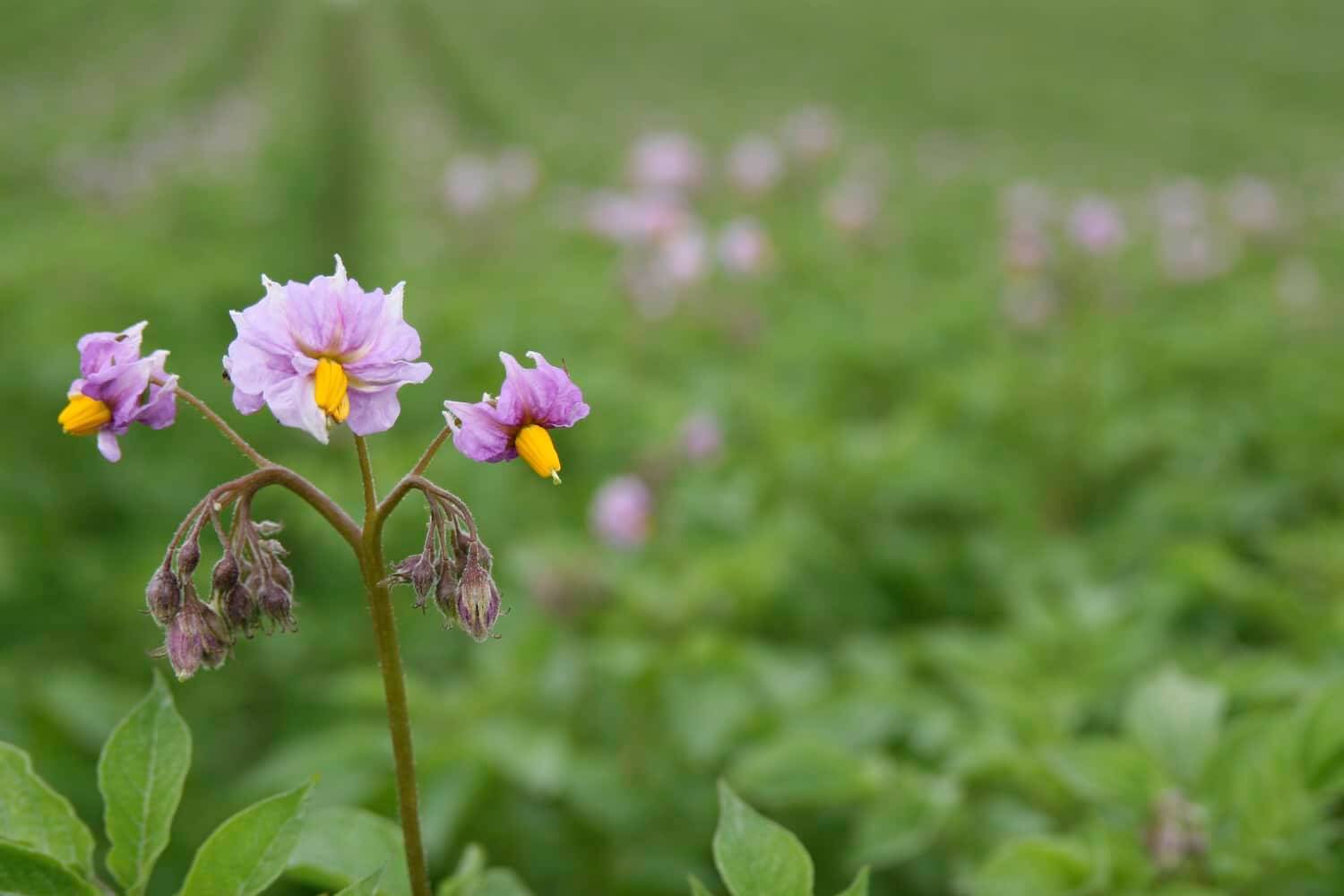
Due to modern farming’s focus on monoculture and high-yield crops, we have reduced the genetic diversity of our food and its ability to survive in the face of disease and extreme weather.
This has a knock-on effect on the resilience of our food systems (which are also disrupted by war, trade, and pandemics), leading to food insecurity by impacting production and price.
For Saladino, the solution may lie with regenerative farming and its emphasis on biodiversity and “systems that aren’t dependent on so many external inputs, such as fossil fuels and different types of chemical protection.”
For true resilience, we should not rely on a small number of crop varieties—which run the risk of being wiped out—but instead bring back the security of diversity.
This vanishing varieties of our global food are like lost languages “that we’re relearning,” Saladino says, lamenting the loss of hundreds of varieties of English apples—something FarmED address in their heritage orchard containing rare apples no longer commercially grown that would disappear otherwise.
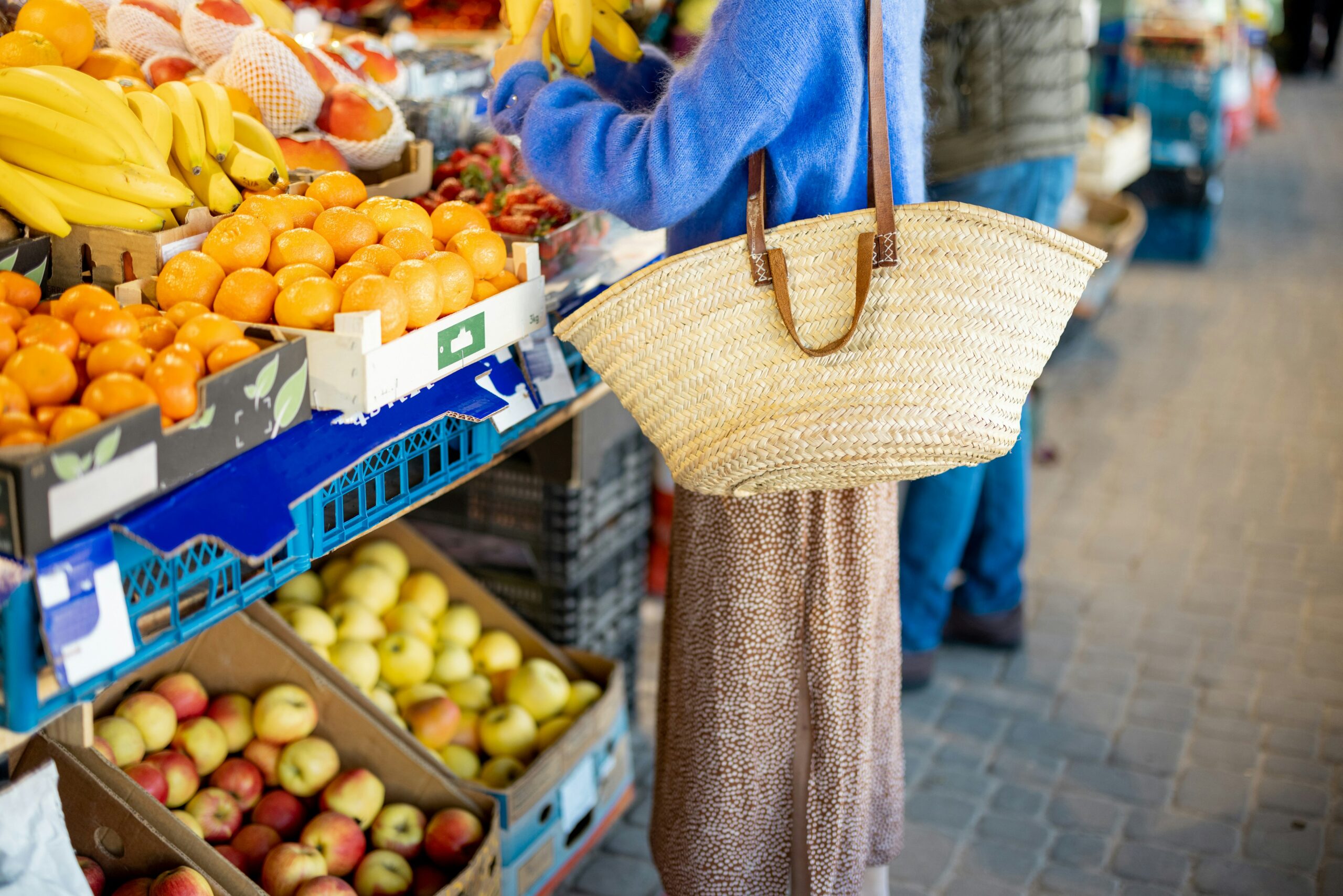
Saladino’s message is that consumers should discover and support the people producing diverse foods in our local area, and that those in positions of power should make wise decisions that safeguard the health of people and planet.
The FarmED Podcast is a source of fascinating stories for buyers and growers alike, plus environmentalists and policy makers, ultimately reminding us that farmers are the librarians of the living world, the custodians of our crops, and the keepers of rich food stories and cultural legacies—as well as the guardians of our future food security.
Reviewed by R. B. L. Robinson