“There are tens of millions of gardeners across our planet and our collective actions are a green—and gathering—force for good,” says horticulturist and award-winning environmental writer John Walker, who believes veganic gardening could be part of the solution to the current ecological crisis.
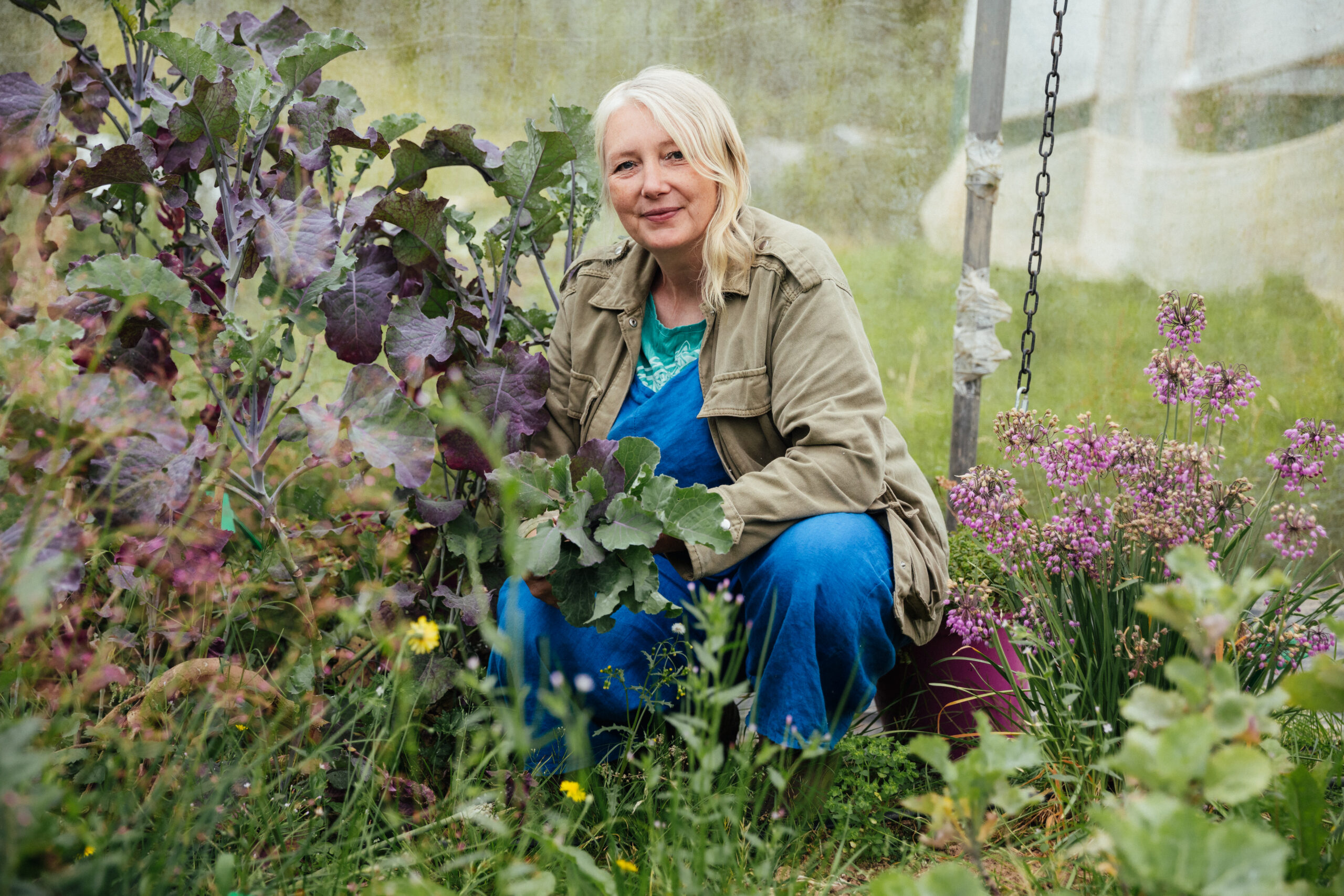
As an organic gardener, Walker was keen to boost the biology of the soil in his bracken-overrun Welsh garden. Living in “sheep farming country”, and unable to easily get hold of farmyard manure, he experimented with pioneering veganic techniques, such as creating garden compost made from plant waste, as well as using leaf mould, living plant mulches, and green wood chips—and so Walker’s garden “quietly became vegan by stealth” as it exploded with abundant growth.
“Veganic” refers to a vegan and organic approach to gardening and growing, with key principles including never using chemicals or pesticides, and never using animal products such as manure—which, aside from the ethical considerations regarding how the animals are treated, may also contain traces of growth hormones, antibiotics, and weedkillers, Walker tells us.
Taking a “no kill” stance, veganic gardening encourages a biodiverse ecosystem, suggesting that we welcome wildlife into our gardens with bug hotels, ponds, bird boxes, and pollinator-friendly plants for every season, thus allowing nature “to find its own equilibrium, so that any one species never becomes a pest problem in the first place”.
Focused on doing no harm and nurturing the health of the soil and planet through considerate stewardship, Walker advocates a no-dig approach—because by putting away our spade, we stop releasing the carbon that has been stored in the soil into the atmosphere, and we stop damaging the soil’s ecosystem, such as the delicate fungal hyphae that help plants survive.
Offering us a mindful way of gardening, the veganic system also avoids the use of polluting plastics, aiming to reduce consumerism by repurposing and recycling as much as possible—and with climate-friendly, cruelty-free ethics, Walker’s methods prompt us to consider our “gardening footprint”, which refers to the mark we make on the planet through our gardening activities, and the resources and energy each requires.
If we buy a plant treated with pesticides and grown in a plastic flowerpot in a heated greenhouse and then bring it home on a long car journey, this has a larger footprint than a plant grown in our own garden, Walker tells us.
Promoting “ultra-local,” zero-waste, “closed-loop” gardens, a veganic garden is self-sustaining, needing no external inputs to survive. For example, dead flowers can be composted and returned to the soil, thereby removing the need for externally bought compost. Veganic gardens, then, will naturally have a smaller footprint.
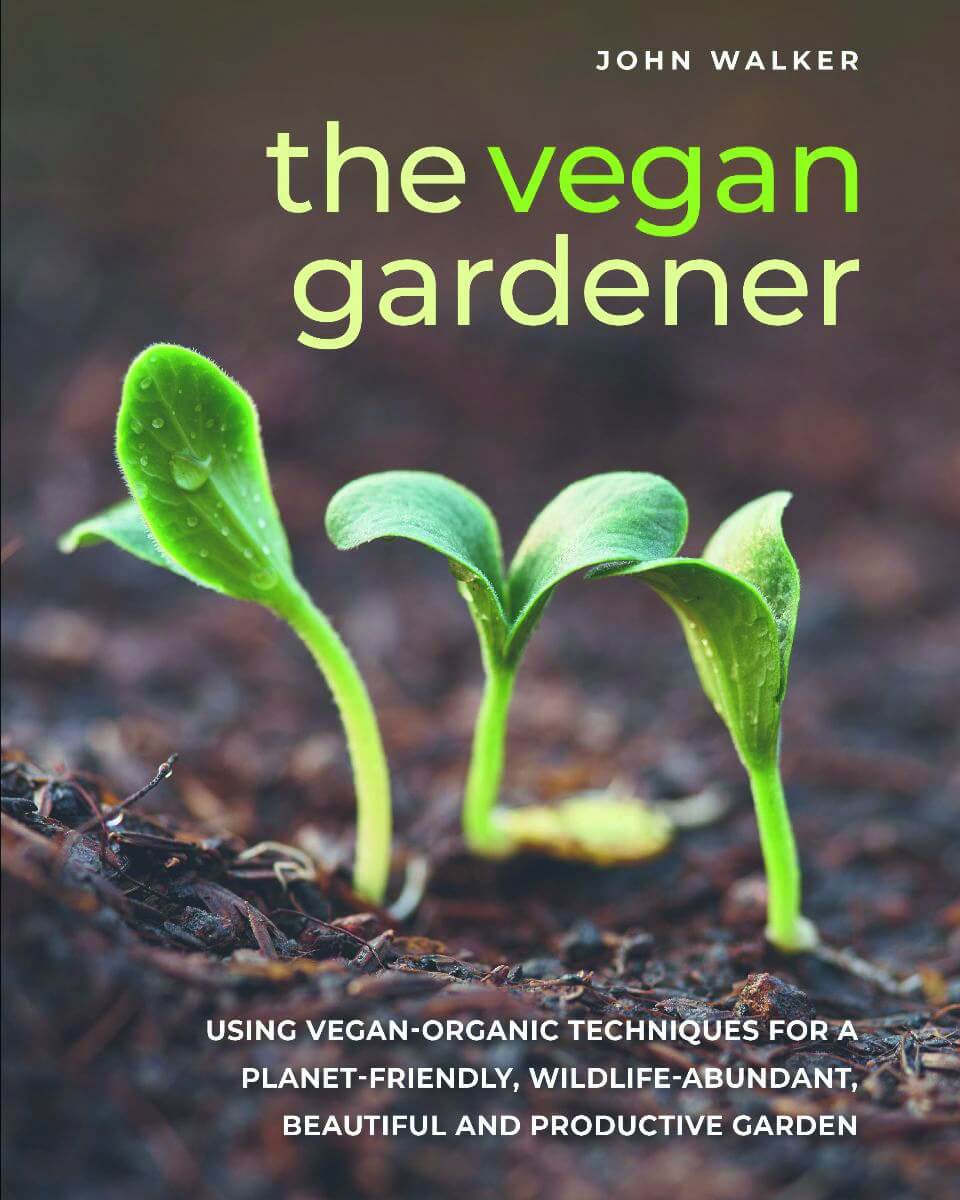
This kind-hearted, down-to-earth manual is essential reading for anyone interested in sustainable, organic, or vegan gardening and horticulture. Filled with beautiful photography and illustrations, Walker shares practical tips and how-to guides, plus an inspiring 5-year plan revealing how to create a veganic food garden at home—even offering advice on container gardening for those of us without gardens. In this lovely, empowering book, Walker reminds us to tread softly and leave a lighter footprint on the earth.
The Vegan Gardener: Using Vegan-Organic Techniques for a Planet-Friendly, Wildlife-Abundant, Beautiful and Productive Garden (Lorenz Books, 2022) by John Walker. Reviewed by R.B.L. Robinson.