
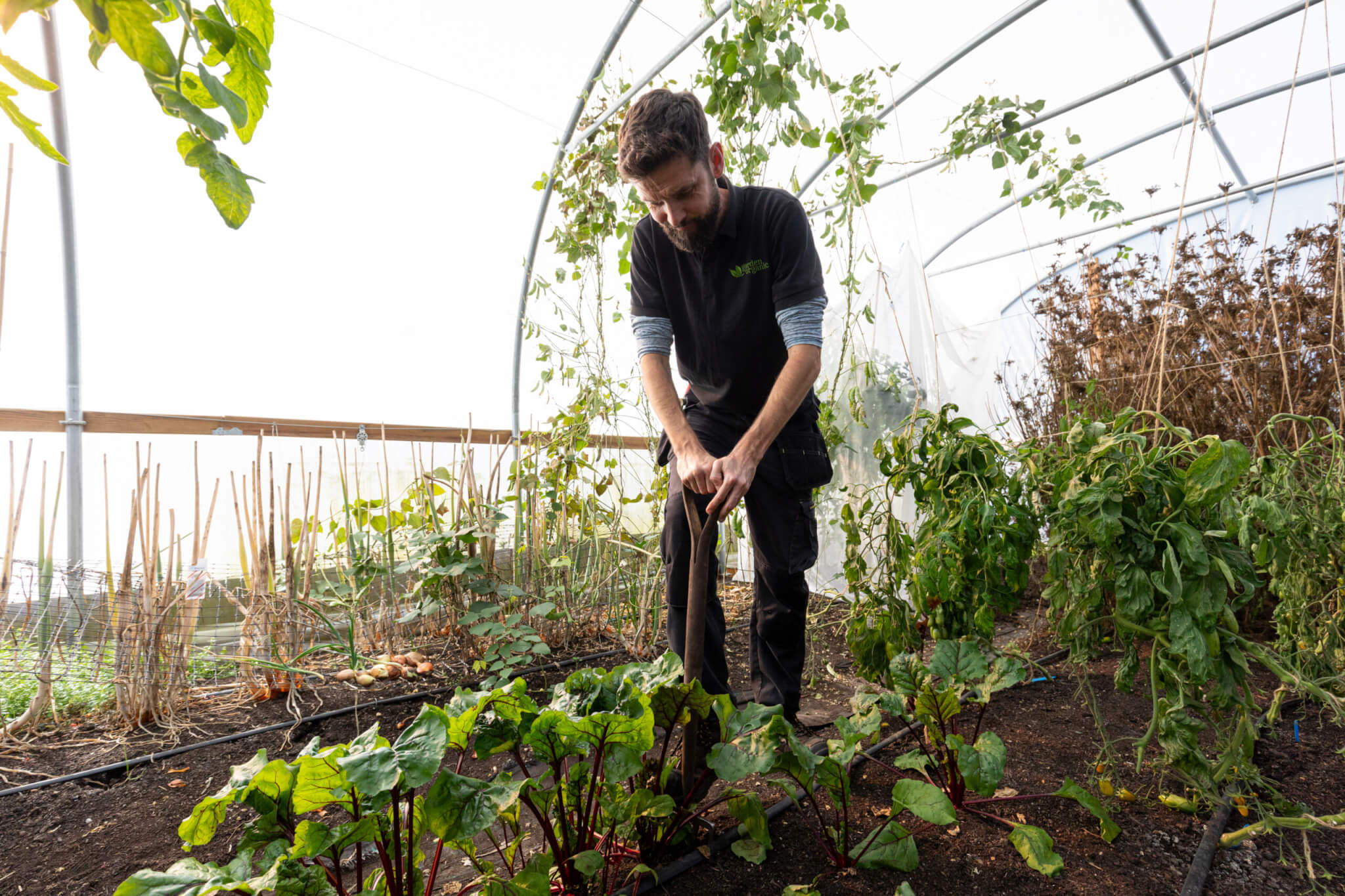
Vegetables get a hard time when it comes to provenance. Meat gets all the glory, whether it’s Welsh saltmarsh lamb or Gloucester old spot pig. Could veg up its game and do more to entice our taste buds and wallets? We’ve already got Isle of Wight tomatoes, heritage beetroot and Yorkshire rhubarb — but there’s potential to go a lot, lot further.
Over the past 60 years or so, the number of vegetable varieties planted in the UK has significantly diminished. We’ve opted for uniformity and high yield, ease of harvesting and cultivation, relying on disease resistant plants that respond well to fertilisers and pesticides. Flavour has been largely neglected. This is what breeders have focused on as well – the Green Revolution of the past has got a lot to answer for.
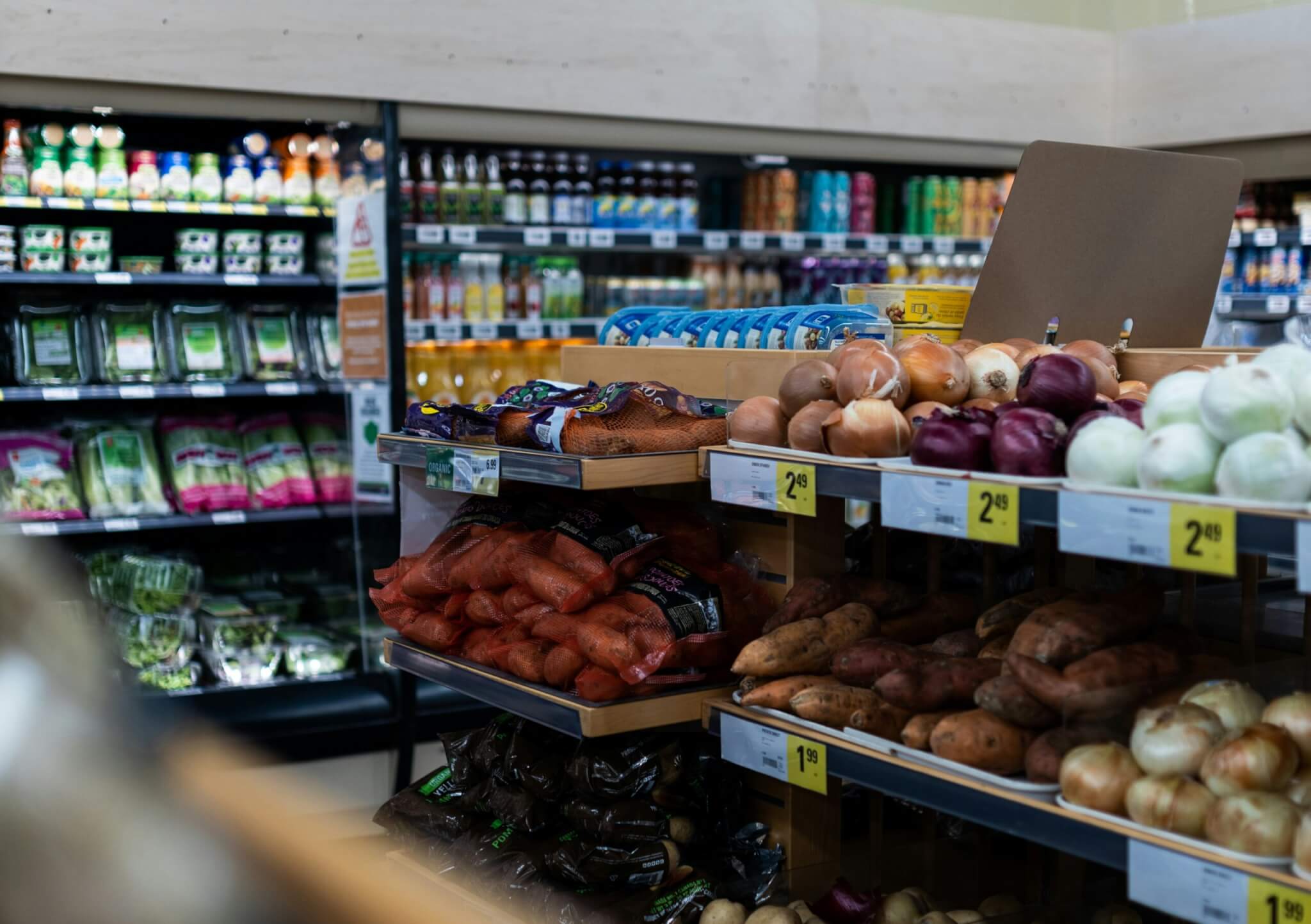
Supermarkets have also demanded consistent produce, while government regulations have standardised the seed that’s been sold. It’s why commercial growers over the years have opted to plant a very limited number of hybrid varieties. When farm-gate prices are low, a reliable crop that can be harvested all at once with guaranteed sales is crucial: who wants risk? But this has left our fields and plates impoverished.
It’s why there’s a distinct lack of provenance for most vegetables consumed in the UK. However, there are a wide array of underutilised varieties out there waiting to be discovered from the ‘Champion of England’ pea to the ‘Bronze Beauty’ lettuce. Many are heritage or heirloom varieties with a story to tell.
They tend to come from open-pollinated seeds that have been passed down through the generations in a particular location. But the term ‘heritage’ doesn’t do them justice, since they aren’t just veg that yesteryear’s growers planted, they are in fact the future. Many are not only far tastier than mass-produced varieties, they could be a shot in the arm for climate-friendly farming.
“There’s huge potential to shift the narrative, whether it’s through restaurants cooking and promoting unusual varieties, gardeners growing them at home, or farms diversifying production. Heritage vegetables bring an incredible range of flavours, diversity and cultural history to our plates, while also adding genetic resilience and biodiversity to our fields and gardens,” explains Ronja Schlumberger, co-founder of Vital Seeds.
Niche, but with huge potential
Right now, heritage vegetable varieties are niche, a few businesses supply seeds, a limited number of gardeners plant them. A small minority of farmers markets sell them. At the same time, only a handful of restaurants with access to kitchen gardens or friendly farmers, showcase them. The kind of provenance we expect with other food types is missing. Therein lies a huge opportunity.
“The UK seems behind other countries, but the potential is there,” adds Schlumberger. For instance, in the U.S. there’s the Culinary Breeding Network, which hosts variety showcases connecting breeders, chefs and the public, while seed company, Row 7, takes a ‘seed to table’ approach. In Europe, the Bioverita label is creating a buzz around varieties bred specifically for organic farms.
The UK is not without incredible resources. The Noah’s Ark of British veg is in rude health: the Heritage Seed Library at sustainable garden charity Garden Organic has a remarkable collection of 800 varieties of heritage seeds, including more than 200 heritage tomato varieties. These may have disappeared if it wasn’t for a group of farsighted enthusiasts.

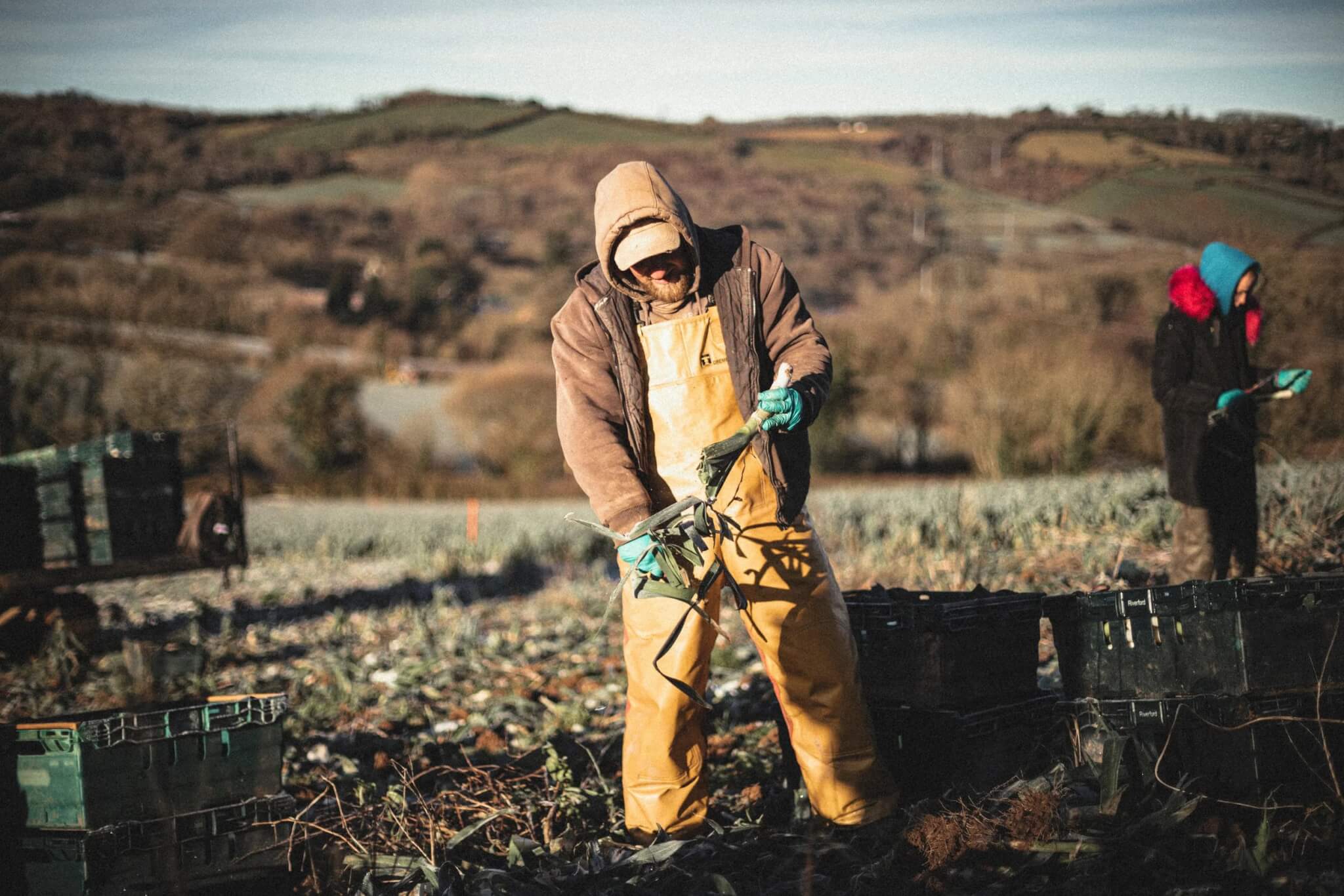
With a membership, anyone can access these resources – whether from Raymond Blanc’s kitchen garden at Manoir Aux Quat’ Saisons to a small Devon farmer, Riverford’s Field Kitchen to a veg gardener in Shropshire. None of the varieties in the collection are commercially available and this year the library celebrates its 50th anniversary.
“Our experience is that people love the rich local history and stories that surround a variety, and the identity that comes with food. Some growers love rediscovering the taste they remember from their childhood or the veg their grandparent once grew, and a sense of place is an important potential for heritage vegetables,” states Catrina Fenton, Head of the Heritage Seed Library.
She adds: “Over decades, sometimes many generations, individuals and communities have carefully selected and bred vegetable plants locally for their special characteristics, saving the seed from plants that grow well where they live.”
For example, ‘Ragged Jack’ kale, known as ‘Tunley Greens’ originated from a Somerset village in 1910. Known in Europe for centuries, it was often grown in farm gardens and valued for its hardiness and tasty, fresh greens harvested in the depth of winter. While lesser known ‘District Nurse’ climbing French bean, originally from Cardiff, is reported to experience very few pests and disease problems.

“Keeping these old varieties alive is important otherwise we have to rely on a much smaller pool of seeds, which several companies control the production and sales of, which is scary. Open pollinated varieties aren’t hybridised, which means you can save the seeds and pass them on to other people to plant and keep things going – they are our living history,” states Penny Hemming, head gardener at Riverford Field Kitchen.
A perception problem
With a more unpredictable climate, heritage varieties could also provide greater resilience whether it be to drought, torrential rain, disease or fewer farm inputs. This is because there is greater genetic diversity in the stock of seed to choose from. Already there are a limited number of companies in the UK, big and small that sell heritage vegetable seed – the challenge now is to raise their profile.
“Just as people now seek out rare-breed meat or artisan cheeses, heritage vegetables are ripe for rediscovery. Heirlooms are often more fun to grow and when people discover black carrots, watermelon radishes, pink chicory or even the mighty mangelwurzel, they are inspired to try something new,” details Kate Cotterill, CEO of She Grows Veg.
She adds: “The biggest issue is perception. Heirloom varieties can be quirky, unpredictable and sometimes less robust in large-scale systems. Another issue is seed availability and awareness: many heirlooms simply aren’t widely known or accessible. We need more growers saving and sharing seeds, and more education on why heritage vegetable varieties matter.”
Some of the success stories are remarkable and the more they’re told the better. Take the revival of the underutilised Carlin Pea. This drying pea was a forgotten food source, little known outside the north of England, but it has a long history dating back to the 12th Century. It’s recently had a revival with Hodmedod’s Wholefoods marketing the pea, and the Heritage Seed Library sharing with gardeners.

Then there’s the 1,500 year old French bean that She Grows Veg have helped bring back from extinction. It was found in a cave dwelling in the southwestern U.S..
“The opportunities are everywhere — in home gardens where growers want something different, in greengrocers and businesses such as Riverford, as well as markets where flavour sells better than looks and in restaurants where chefs are leading the charge for authenticity and taste,” explains Cotterill.
She continues: “We need to showcase heritage veg more on social media, in cookbooks, in farm shops, and in eateries – making them aspirational and desirable. Ultimately, awareness comes down to one simple truth: once someone tastes a heritage vegetable grown for flavour, they’ll never want to go back! Why settle for bland varieties bred to travel thousands of miles?”
And that’s the issue, many heritage veg don’t necessarily transport well. They also don’t arrive in one job lot, but intermittently over a longer harvesting period. They are therefore best suited to being grown and delivered locally, whether this is via farmers markets, food hubs or market gardens adjacent to eateries. This is where they are likely to thrive in the near future, as well as be a greater point of differentiation.
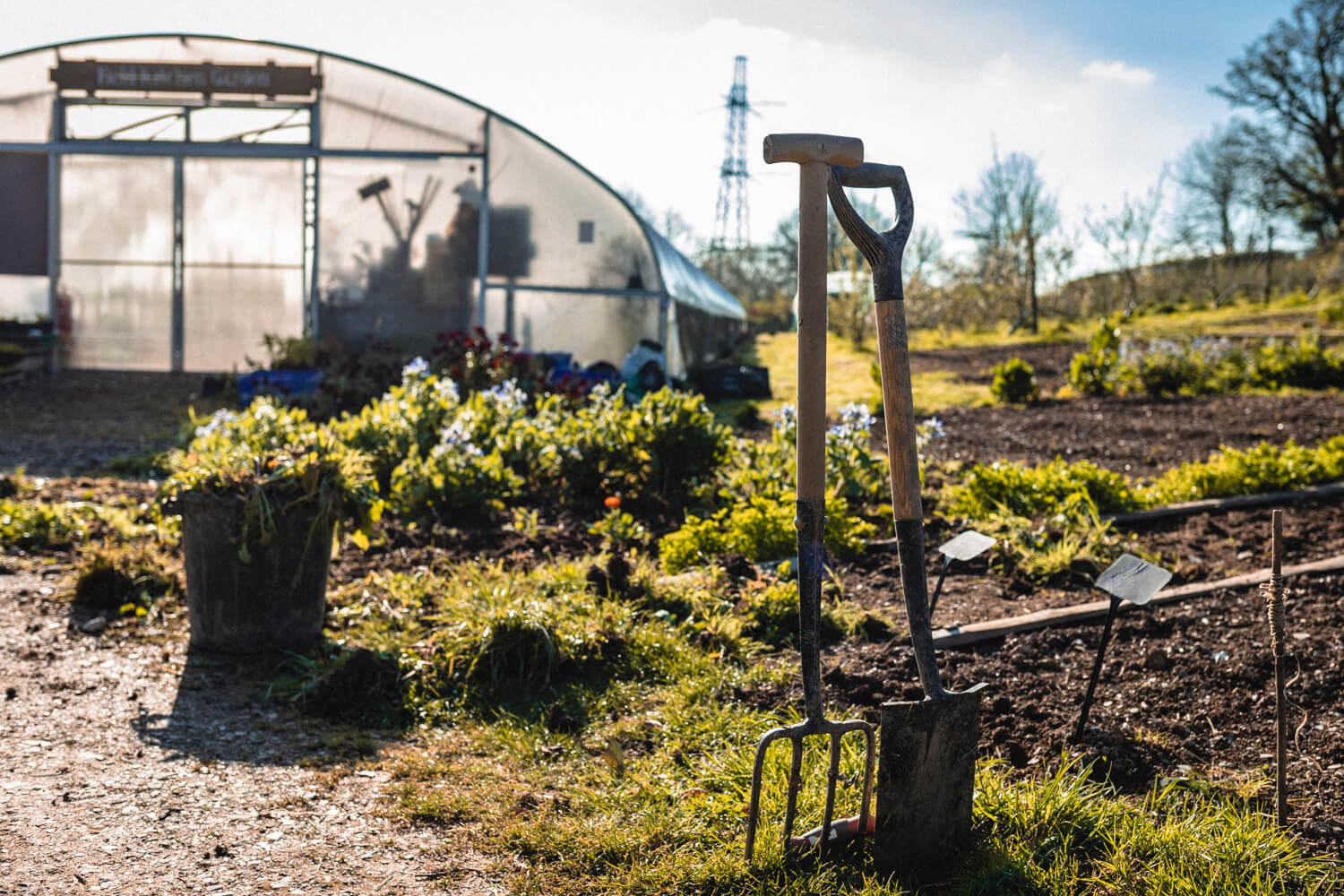
“That’s why we’ve shaped the restaurant and menus around the growing, as opposed to the other way around, which is how most food outlets are configured. The link with our kitchen garden is essential. This way we can showcase the tastiest heritage veg but only when it’s ready to pick, with storytelling around it,” says Lewis Glanvill, head chef at Riverford Field Kitchen.
He concludes: “There’s a much more receptive crowd now than a few years ago. Heritage veg has a bright future.”



0 Comments