
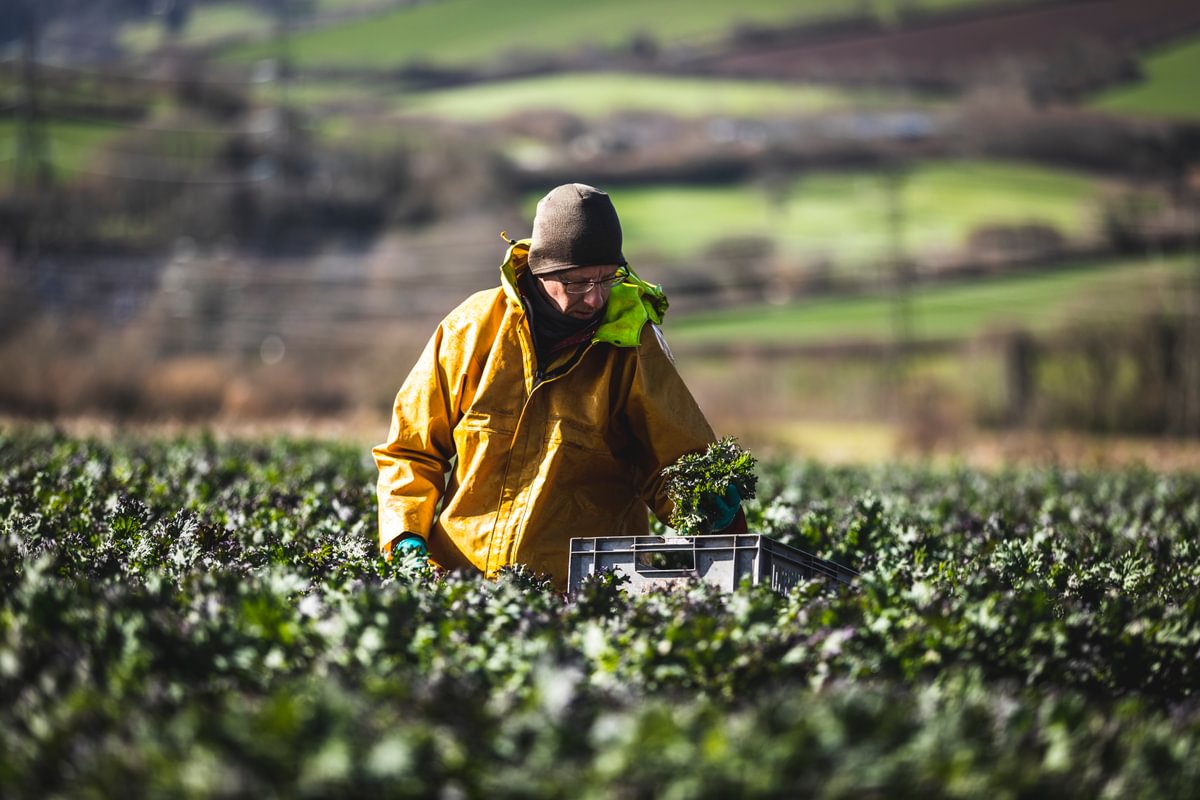
The Organic Action Plan for England (OAPE), launched today by Environment Secretary Dame Angela Eagle, sets out measures to grow the domestic market for organic food and drink, including advice and support for farmers considering the transition to organic production and “more opportunities to sell organic food in the UK”.
The plan also sets out ways to improve supply chains, putting “more organic products more swiftly” on supermarket shelves and into restaurants, as well as opening up new markets in the UK and abroad.
The plan includes “an ambition” to increase the share of agricultural land farmed organically from around 3.4% “towards 10%” by 2036.
“People are buying more organic food, and we want English farmers to be in a strong position to respond to that demand,” Eagle said.
Organic food sales are now worth more than £3.9 billion a year. The plan aims to help English farmers “capture a greater share of this growing market”.
Adrian Steele, co-chair of the English Organic Forum and Soil Association Farming Advisor, is among those who has long been calling for a more joined-up approach to organic supply here in the UK, reducing the reliance on imports to meet growing demand.
This plan “is a win for the UK’s food and farming system”, he explained. “It recognises that more organic land can help the government to deliver its wider environmental goals, from healthier soils and cleaner water to more biodiversity and less reliance on artificial inputs like pesticides.”
Indeed, recent reports from the UK and Europe have suggested organic crops have been better able to withstand what the weather has thrown at them this year. “[…] resilience is not only about compensating losses after a crisis. It is also about reducing vulnerability before a crisis occurs,” said Theo Paquet, Senior Officer for Agriculture at the European Environmental Bureau (EEB), an NGO, this week, at an event in Brussels.
Calm in a crisis
The plan for England recognises the potential benefits of organic farming for soil health, biodiversity, water quality and animal welfare, while respecting that farmers will choose the production systems that work best for their businesses.
“Organic farming is a key solution to tackling the climate and nature crises without taking land out of food production,” said Soil Association Chief Executive, Helen Browning, adding: “It’s great to see government backing organic with an action plan that will help us build farming systems that are less dependent on harmful chemicals and more resilient to climate change, boosting nature and safeguarding food security in the process.”
Pitched as “a joint Defra and organic industry” initiative, the plan follows a roundtable held in June by Eagle. The focus will be on three areas:
- Supporting existing and new organic producers and processors;
- Bringing domestic supply more in line with demand; and
- Building demand for English organic products through greater consumer awareness and public sector procurement.
Most organic farmers (85%) report sales either growing or staying stable with less than 10% experiencing a sales drop, according to a farmer survey conducted as part of this year’s Organic Market Report, compiled by Soil Association Certification.
The report also revealed that the frequency of organic purchases has increased in supermarkets, with shoppers, on average, buying organic once every three weeks.
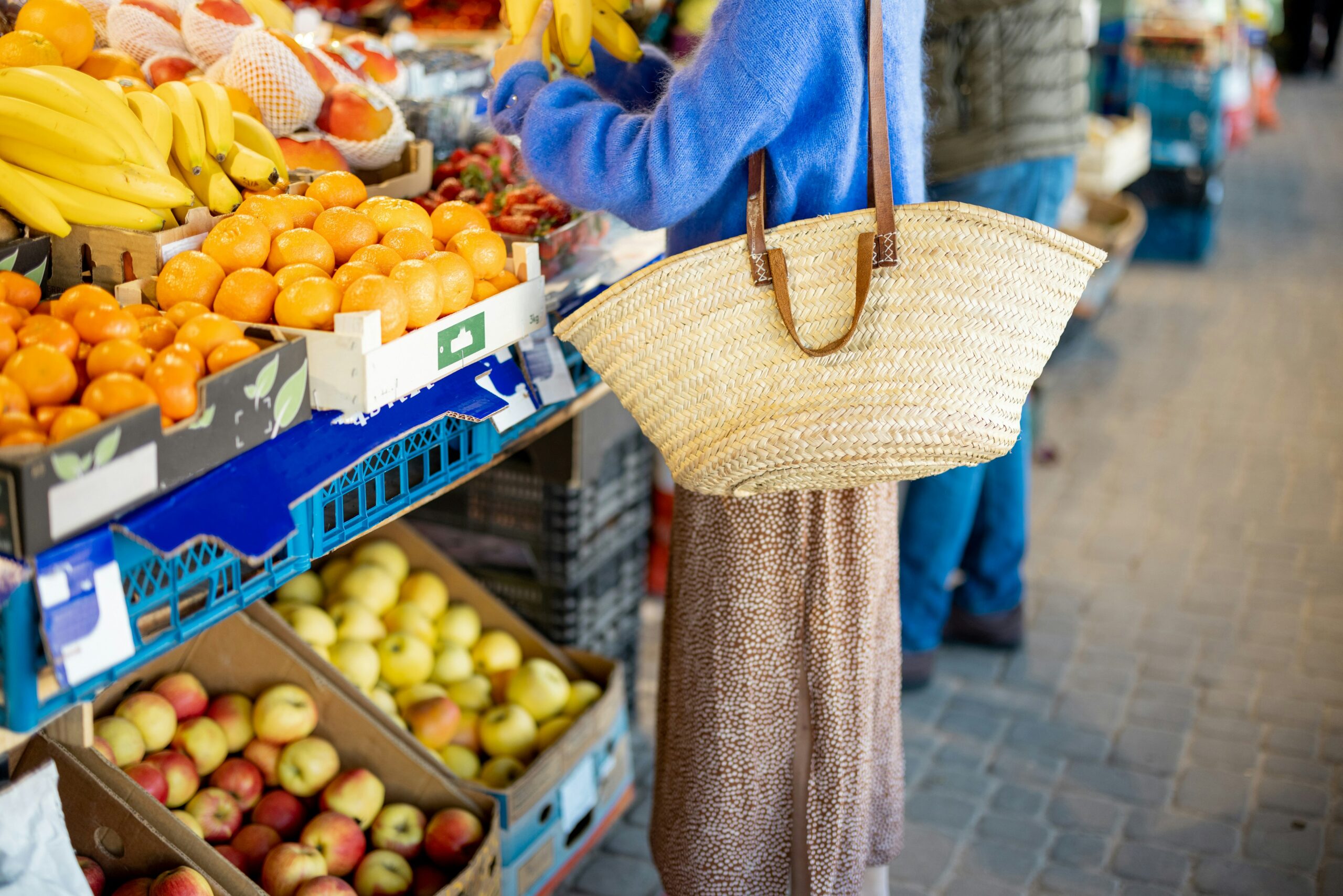
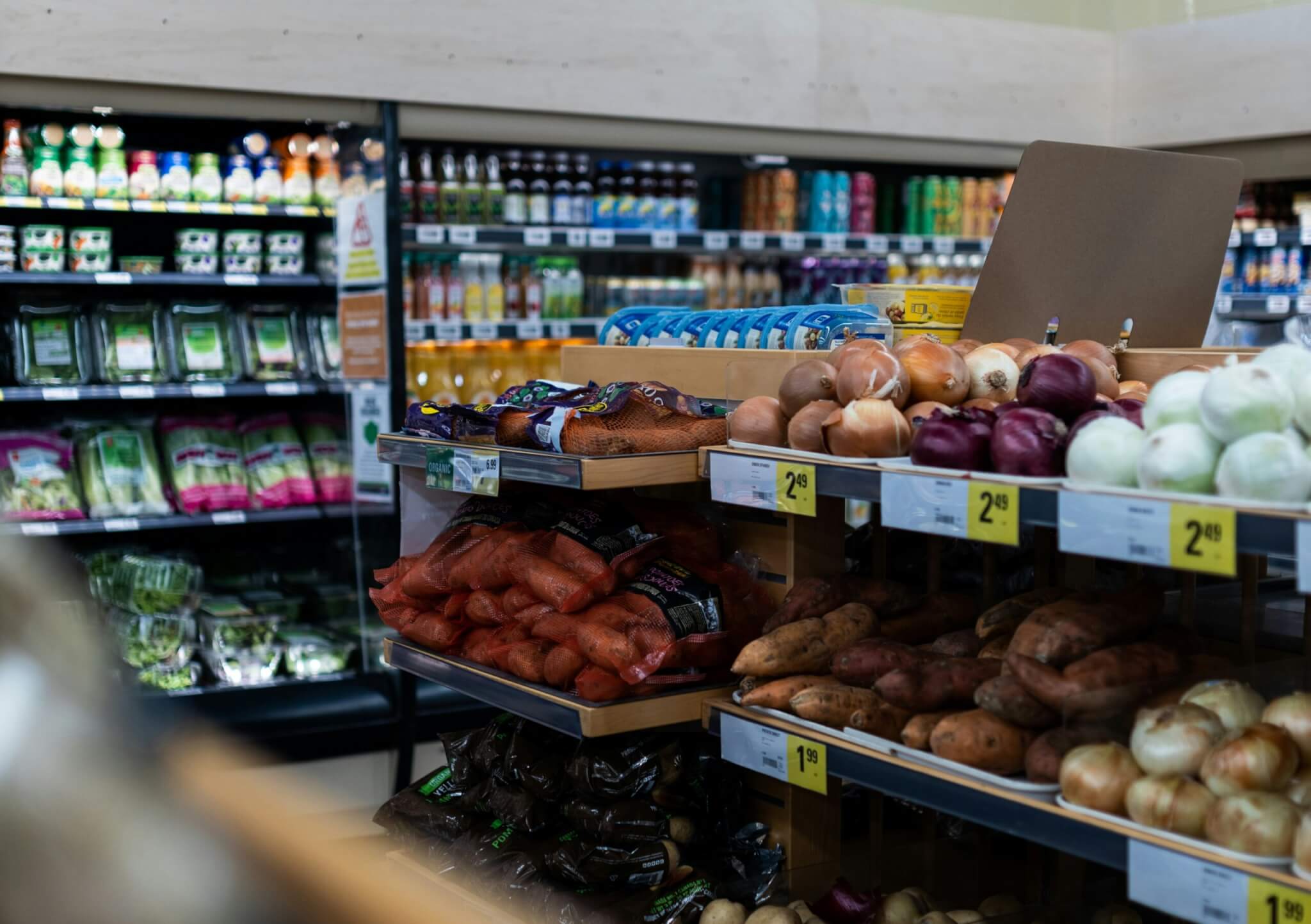
Organic food still remains a small part of overall food and drink sales. But major retailers finally seem to have realised that consumers want more organic produce for health, environmental and welfare reasons. Many have reacted with rebrands and extensions of their organic ranges, along with more price promotions and loyalty discounts.
However, the positivity surrounding strong demand is overshadowed by concerns over supplies. The UK has become increasingly reliant on imported organic food and drink as overall organic production remains stagnant.
The latest government figures, covering 2024, show the overall percentage of organic UK farmland stuck at 3%. Organic farming is also recognised as particularly attractive to younger farmers, making it relevant not only for environmental goals, but also for the future viability of UK and European agriculture.
While there was an increase in land in-conversion in England last year, this dramatically slowed when the Sustainable Farming Incentive (SFI) closed abruptly. There was more uproar from the organic sector following the September funding window which was closed within hours of opening as thousands of desperate farmers missed their chance at securing crucial funding.
Soil Association Policy Director Brendan Costelloe called the whole thing “shambolic”. He added: “We are concerned about the implications for the whole farming sector and disappointed that this could prevent farmers from converting to organic.”
The Soil Association has called for the treasury to recognise the need for funding for food and farming and delivery of environmental commitments in the forthcoming budget. And for some funding to be ringfenced for higher tiers and options that deliver the most, including organic, so that “the SFI delivers highest impact”.
Look to the north
The UK registered a rise in conversion to organic this year, but this was led by Scotland, where there is already a funded Organic Action Plan and a separate fund for organic conversion and no land cap for funding. Scotland is aiming to double its organic farmland.
Soil Association Scotland Co-director, David McKay, said recently that, “while the market share is still small, organic food and drink has grown by 20.6% in five years. We believe right now is the best time in decades for farmers in Scotland to grab onto a market that is only growing.”
The EU has also committed to achieving at least 25% organic farmland by 2030. According to a soon-to-be-released database tracking public spending on agricultural crises since 2020, some €15.4 billion in public support has been allocated for agricultural crises, around three-quarters of it linked to climate-related events.
Yet the most interesting discussion was not about the number itself, said EEB’s Paquet, as he offered a “sneak peak” at the database. “One particularly interesting idea discussed was whether public support for agricultural insurance could be linked more closely to investments that strengthen resilience on farms,” he explained.
Speculation aside, let’s hope that Eagle’s Organic Action Plan does what it says on the tin – and acts, fast.


0 Comments