
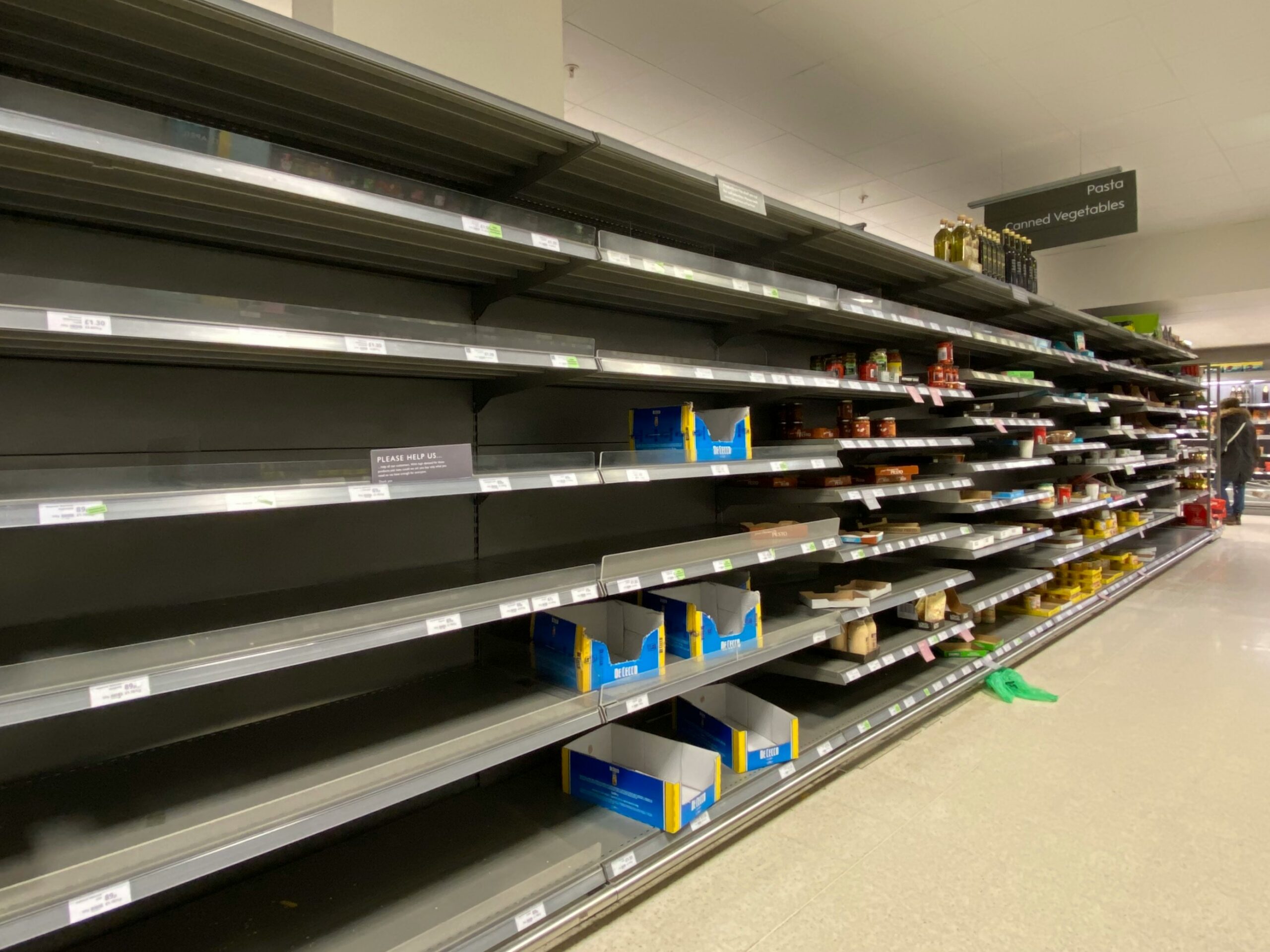
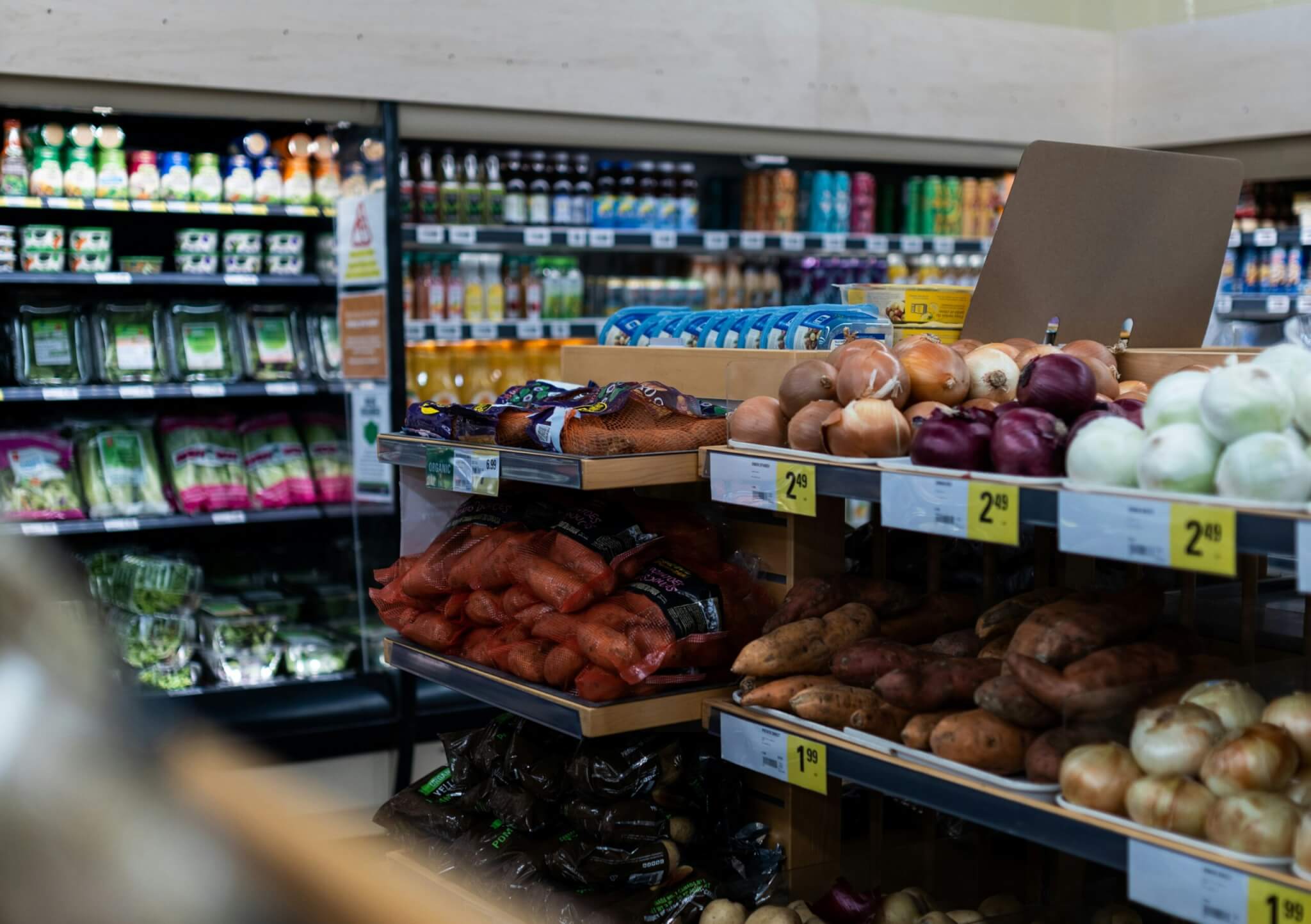
We all take it for granted that when we visit a supermarket, or order our weekly shop online, the food we want and need will be available. With the exception of the early days of the Covid pandemic, which saw panic buying and restrictions on some goods, this is what, in the UK at least, we have experienced for many years.
But the signs that this comfortable status quo won’t continue are becoming increasingly obvious and alarming. Whether it’s dire warnings sparked by one of the lowest cereal harvests in recent British history due to this year’s intense heat and drought, or government campaigns encouraging us to stockpile bottled water and food amid growing concerns about the impacts of the climate crisis, risks of cyber attacks and threats from hostile states, these crises are now in plain sight.
During more than two decades reporting on the global food industry, the AGtivist has heard repeated warnings from numerous scientists, environmental campaigners, politicians, public health experts and many others that things cannot stay as they are without serious consequences. From clamouring around climate change, the destruction of ecologically-vital rainforests, the threat of growing food insecurity and the dangers of overfishing, the perils of antibiotic-resistant disease, the scandal of food miles and fossil fuel dependence, the scourge of factory farms, pesticide poisoning of land and water resources, the list is endless.
Even some within the vast, sprawling food industry itself have begun to break ranks and raise the alarm; last year, for example, the AGtivist highlighted a litany of concerns raised by a group of industry insiders about the increasing intensification of the UK’s meat and dairy sectors.
Now, another food sector whistleblower has emerged, this time to draw attention to the risk of “complete supply chain collapse” due to the climate emergency, and the lack of awareness amongst most ordinary people. The insider’s account offers such a damning indictment of apparent corporate indifference and government inaction on this issue that it deserves to be read in full, and act as a powerful wake up call for those of us still in any doubt about what’s in store:
Sleepwalking to disaster
“The British public is in the dark about the fragility of our food system and if we don’t wake up to the urgency of the situation, we will soon sleepwalk into disaster. I have worked at a senior level in the food industry for several years now and like others in the sector I am frustrated at just how woefully uninformed Britons are about the reality of the system.
To put it crudely, the public is oblivious to the risk of complete supply chain-collapse due to climate change. From what I have seen, industry executives are refusing to confront the situation and the government is not being upfront about it.
Consumers have no reason to question the status quo because, so far, they’ve never been denied the food they need. If the UK has a bad wheat harvest, we can buy from North America and Canada. The price of a loaf of bread might go up, but that’s the worst of it.
But if those countries are facing the same problem – and thanks to climate change, they will be – then everyone is stuck. The alternatives don’t exist. The bread is no longer expensive, it’s not available at all. And that’s just wheat. What if this starts happening to all sorts of crops, all around the world, all at once?
I can tell you that this is not some faraway prospect. It will be in the not-too-distant future, and it is going to happen suddenly.
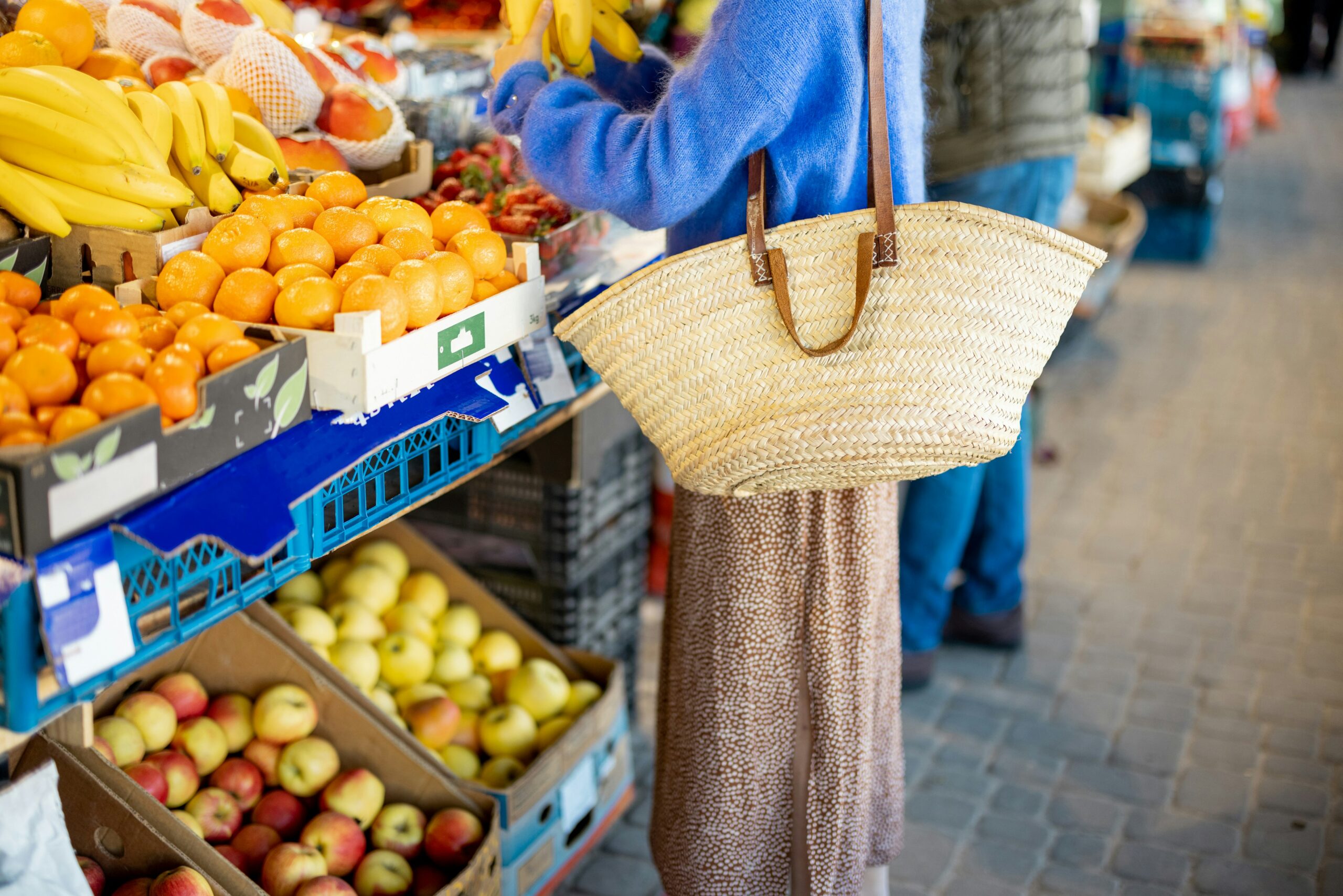
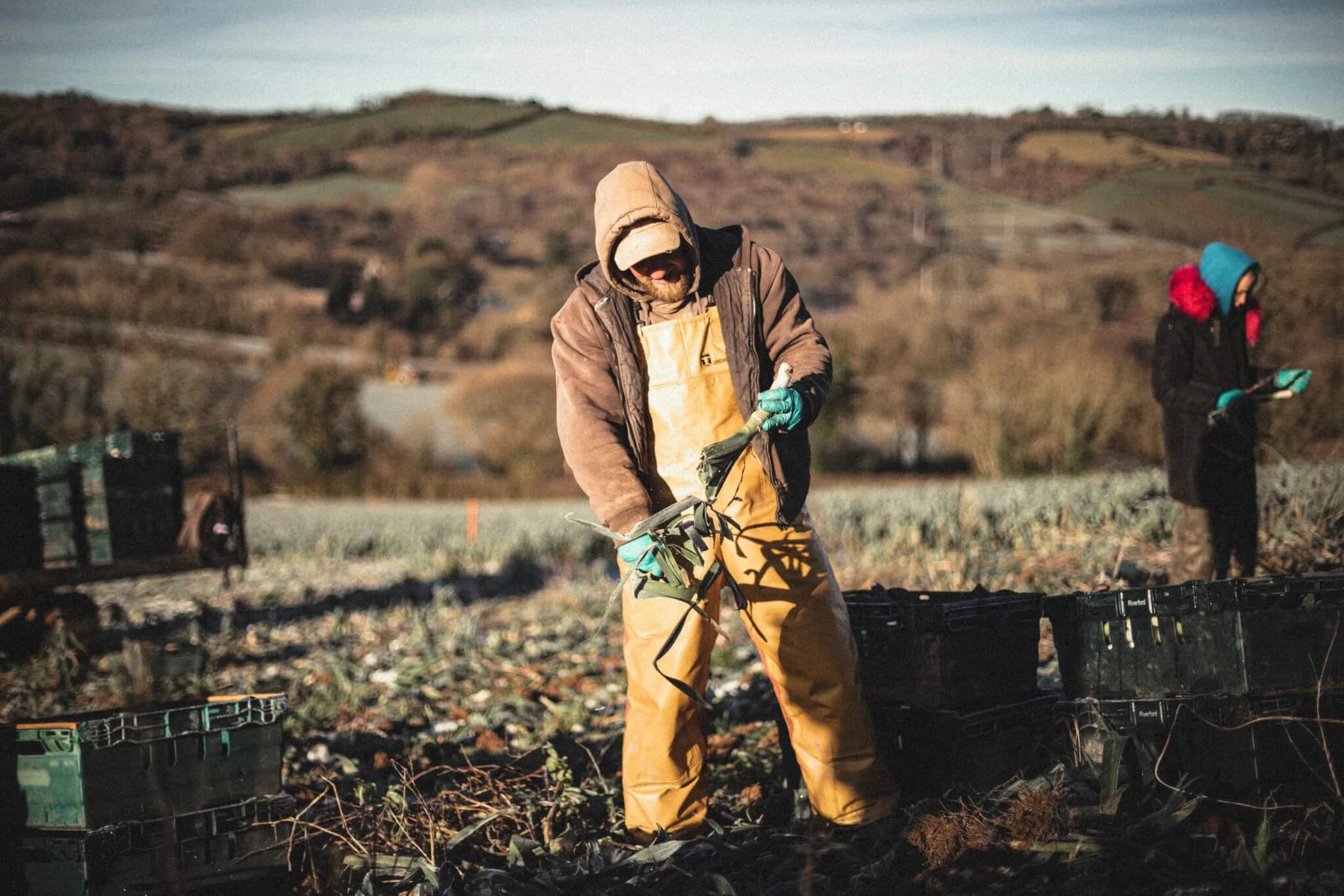
Climate change is wreaking havoc on the yield and quality of harvests, which makes supply less reliable and food more expensive. The company I work for recently saw inflation of over 100% on the price we paid for certain varieties of orange. We buy them from the Mediterranean, where the harvest had been terrible because of droughts. It meant we lost millions of pounds – and we responded by hiking up our prices. Consumers had to fork out.
The price of an orange going up may not sound like a big deal but these small rises have a huge cumulative effect: the UK is currently going through a historic cost-of-living crisis. And this is just the tip of the iceberg. Soon the crisis of cost will become a crisis of availability.
Driven by profits
The most senior people within the food industry are part of the problem. They might claim to care about climate change if you ask them one-on-one, but their decisions are dictated by the pressure to return a profit and deliver to the shareholders in the next quarter. If they’re left to go it alone, companies will continue defaulting to quick-fix solutions.
We need industry leaders to come together and address, on a national scale, the problems that will harm all their companies in the longer term. Can we invest in soil health across the UK to make sure we’ll be able to grow enough food in 10 years’ time? How should we share risk fairly through the supply chain? How can we invest in long-term contracts with UK farmers? Can we cut down on imported fertiliser?
This unity is also needed in communications with the government. At the moment, the big lobby groups often struggle to agree on a single approach that suits all of their members. While more progressive companies might push for mandatory measures on packaging or healthy sales, for example, others will want to lobby hard against it. This is especially the case for big branded businesses who often hide behind trade bodies when they want to resist something. The net result is that neither position is put to the government as a matter of priority.
Meanwhile, powerful global food corporations are lobbying to ensure they can continue doing business in ways that are compounding the crisis in the long-term, like the meat companies linked to catastrophic deforestation in the Amazon.
Public awareness
Beyond this, we need a national campaign that makes clear to the public just how fragile our food system is – and what can be done to strengthen it.
The solutions exist, and there’s much that the government can do. It can source food regionally when procuring for public hospitals, care homes, prisons and government buildings. It can support British farmers and back a more regenerative farming system which supports long term soil health and productivity. There is currently money available for intensified animal farming or soy-based feed, but the right government subsidies and support could help struggling farmers diversify their production.
None of these things come cheap, and people might have to pay more for their food in the short-term. But they might be prepared to do so if they knew about the alternative.
Remember the scenes at the beginning of the pandemic, when the panic-buying of staples like pasta led to scuffles in supermarket aisles? We are closer to food-related social unrest in this country than people think. This is not a case of what you don’t know won’t hurt you,” the testimony ends.
Like so many of the warnings that have come before, the facts involved are clear, and the consequences of doing nothing are stark. The question is, who is listening? And what are they – and we the people – going to do about it?
Wicked Leeks readers can learn more about the work of Professor Tim Lang and the National Preparedness Commission and The National Emergency Briefing here.
The whistleblower’s testimony was organised by the campaign group Inside Track, which seeks to build confidential groups of senior professionals within powerful industries who want to see their sectors play a more positive role in society.
The AGtivist is an investigative journalist specialising in food and agriculture issues who’s been covering this beat for 20+ years. The AGtivist column at Wicked Leeks shines a light on the key issues around intensive farming, Big Ag, Big Food, food safety, and the environmental impacts of intensive agribusiness.

0 Comments