
Editor’s note: The last section of the following article includes descriptions of animal welfare breaches and animal suffering that readers may find distressing.
It is part of the wider supply chain that few of us want to think about, but if we want to eat meat, slaughterhouses are a necessary component of the often long and complex process that puts beef, pork, lamb and chicken, amongst other meats, on dinner plates up and down the country.
How abattoirs are operated therefore matters, as does who owns them and crucially, where they are situated. The number of facilities in existence is also important, particularly for those who rely on them to make a living, such as livestock farmers, and food and hospitality businesses.
But recent years have seen a dramatic reduction in the amount of slaughterhouses operating in the UK, with numbers falling from around 2500 to 200, and nine in ten believed to have closed since the 1970s.
The reasons for this are manifold, including regulatory pressures and labour shortages. But chief amongst them is an increasing pattern of concentration and consolidation being witnessed across the meat sector as a whole, with fewer, larger firms controlling ever-greater swathes of supply.
As the AGtivist recently reported, startling new research found that just eight businesses now control about 70% of the UK’s meat processing turnover, part of a wider European trend that has seen a small number of giant, and frequently controversial, corporations come to dominate processing across the continent.
Put simply, say critics, the rise of these so-called “meat tycoons” has squeezed out many independent players, including slaughterhouses, who are unable to compete with the lower costs and “efficiency” inevitably offered by the big corporations, making continued trading unviable.
Now, a somewhat unlikely coalition of farmers, businesses, chefs, public figures, conservationists and animal welfare campaigners have come together in the UK to call for urgent government action, arguing that the situation is leaving farmers “without vital local slaughter facilities and putting British food production, rural businesses and animal welfare increasingly at risk.”
The group, which includes the Sustainable Food Trust, National Farmers Union and the Soil Association, as well as the chef and campaigner Hugh Fearnley-Whittingstall, musician Sir Roger Daltrey and star of the Clarkson Farm TV show, Charlie Ireland, have warned that “as slaughter capacity becomes concentrated in fewer, larger processors, farmers can face longer journeys and lose access to services such as private kill, cutting, packing and specialist processing.”
Unprofitable farming
The widespread pattern of abattoir closures also means, the group says, that some local meat businesses could lose their route to market altogether. “The impact extends far beyond the abattoirs themselves. Farms, butchers, farm shops, hospitality businesses and rural communities all depend upon functioning local supply chains. The loss of local facilities can also undermine native breed production, conservation grazing and nature friendly farming.”
And the consequences are apparently being felt by many farmers already, with campaigners citing a 2025 survey of 850 farmers and land managers which found that two-thirds had experienced difficulty accessing suitable abattoir services, while one-third reportedly saw an abattoir they used close.
The survey also found that 43% of farmers said if their abattoir closed, they would no longer be able to sell meat locally, with nearly three in ten saying they might have to close their meat business altogether. Nearly six in ten said their business would not be profitable without direct or local selling.
In a letter to the Prime Minister, Andy Burnham, due to be sent today, the coalition is calling for the government to recognise local slaughter capacity as “essential food and economic infrastructure” and take urgent action to secure a “sustainable network across the UK.”
Christopher Price, Chair of the Abattoir Sector Group, one of the entities involved, said: “You cannot have British meat without the infrastructure to process it. [The] government talks about food security, backing British farmers and delivering growth across the country. But every time a local abattoir closes, farmers lose another route to market, animals may have to travel further and another piece of Britain’s food infrastructure disappears. We are now at a tipping point.”
Patrick Holden, head of the Sustainable Food Trust, said: “A sustainable network of small and medium-sized abattoirs offering the right services for farmers is critical to ensuring they can continue to provide the nation with nutritious food, reduce dependence on imported animal feed and chemicals, and give people the opportunity to buy fully traceable, high-welfare meat with real provenance and trust.”
He accused previous governments of having allowed this infrastructure to “disappear” at a moment when they should be “laser-focused on securing a resilient food system for the future.”
Welfare abuses
In a briefing circulated ahead of today’s action, the Sustainable Food Trust highlighted in more detail the animal welfare implications of the nationwide decline of slaughter facilities. Access to local abattoirs means shorter journey times to slaughter, the authors noted, reducing the potential for stress on animals. “Many farmers prefer to take their animals to smaller, local abattoirs because they can build trusted relationships with staff, giving them greater confidence in how their animals are handled before and during slaughter,” the briefing said.
It also flagged previous analysis by the Scottish Animal Welfare Commission which found that 54% of all sheep reared in Scotland between 2021-2023 were trucked across the border to be slaughtered in England or Wales, with average journey times of 4-8 hours and some reaching as much as 24 hours, not including time spent loading or unloading, in markets or on ferries.
Indeed, concerns over the conditions for farm animals during transport, as well as often-lengthy journey durations, have long been aired by campaigners.
And internal government records obtained by the AGtivist graphically reveal the nature of the problem. Unpublished inspection logs compiled by Food Standards Agency (FSA) vets earlier in 2026 documented a catalogue of animal welfare breaches occurring during long journeys from farms to abattoirs.
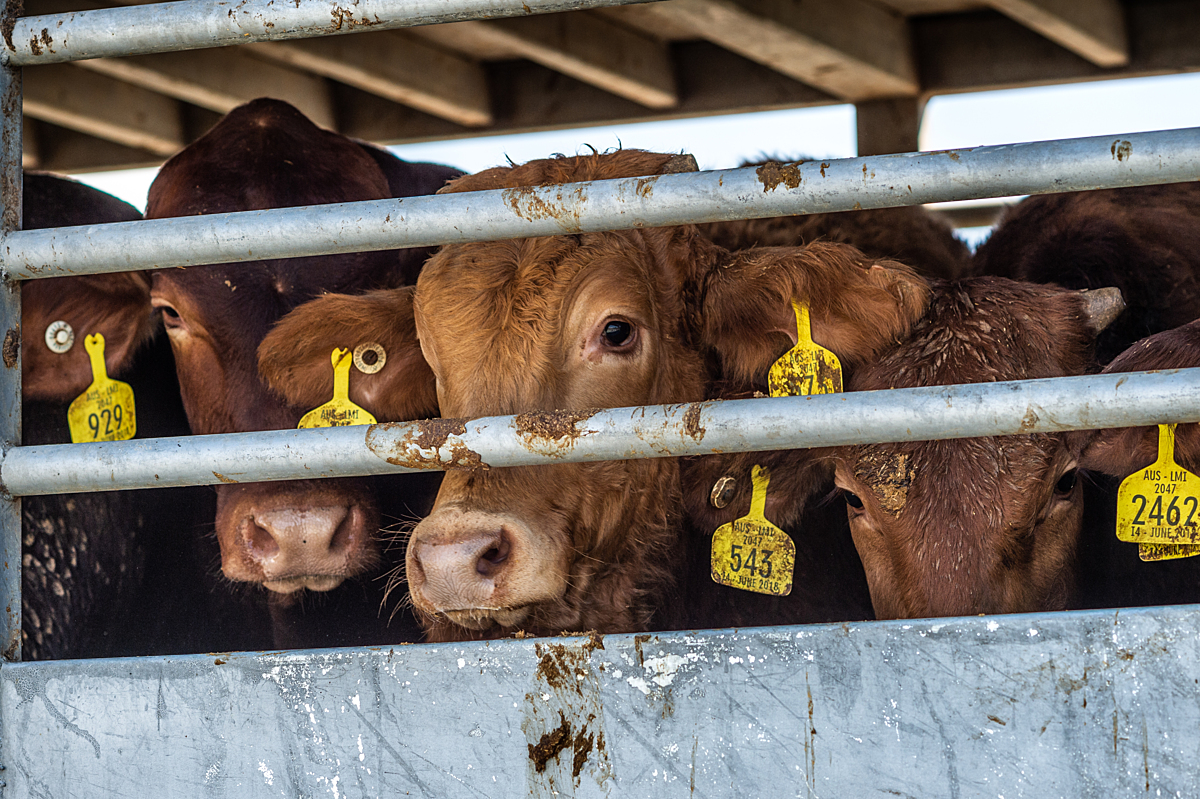
In one instance in March involving cattle, a vet reported that, “during my first visit to the lairage [where animals are unloaded] at 06:30, I was informed that one animal had been killed in transport earlier that day (arrival time 03.30h) after being found unable to stand in the lorry.”
They said “the animal […] belonged to a batch of 32 cattle […] which originated from three different [farms]. The estimated journey duration to the slaughterhouse was calculated to be 8 hours and 40 minutes.”
Later reviewing CCTV footage, the vet noted that the driver “made multiple attempts to encourage the animal to rise, using both a paddle and an electric prod in an excessive manner, including applications not limited to the hindquarters. These attempts […] caused visible distress, including vocalisation.” The official concluded that, “in my professional opinion, this animal was not fit for a journey of this duration or distance.”
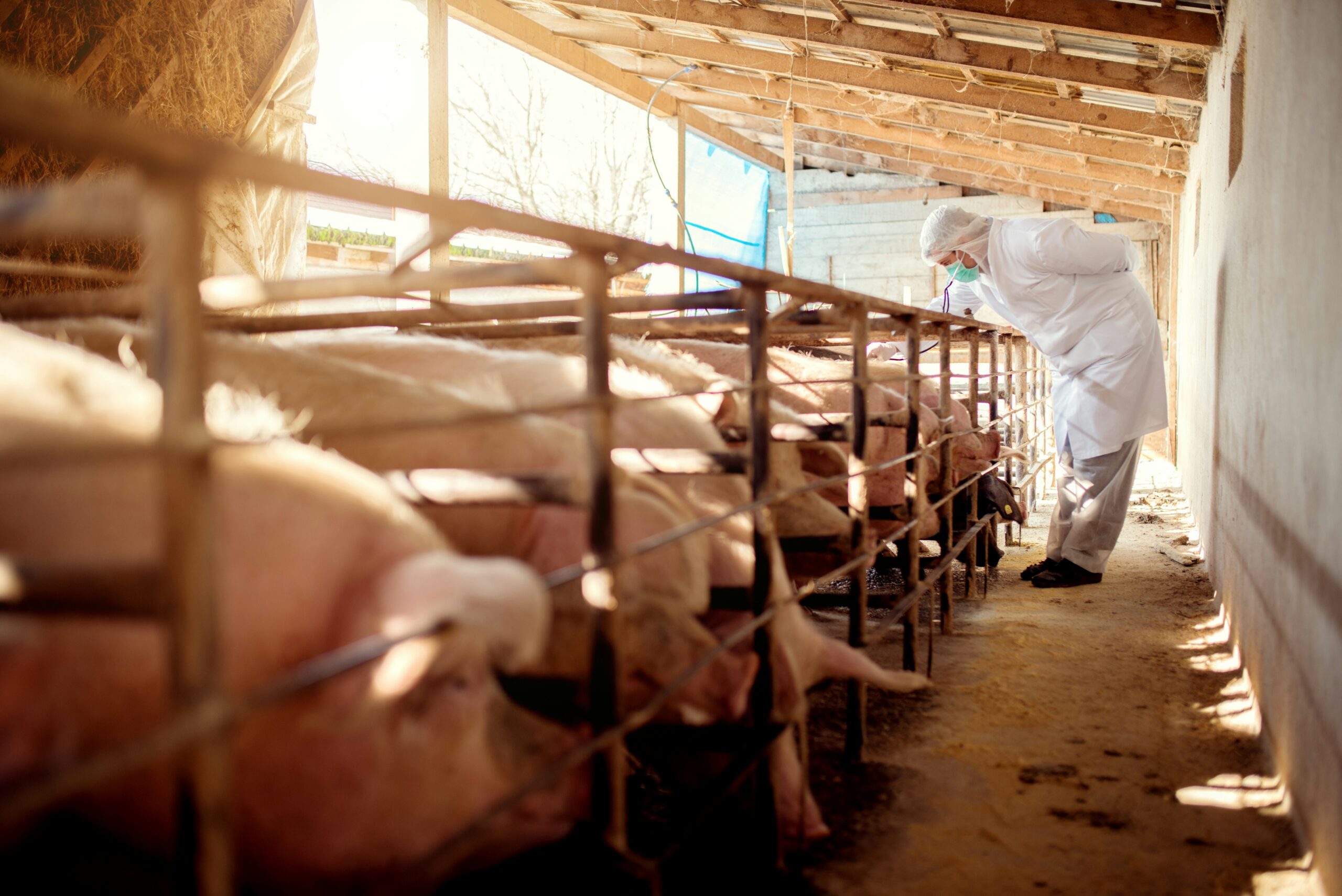
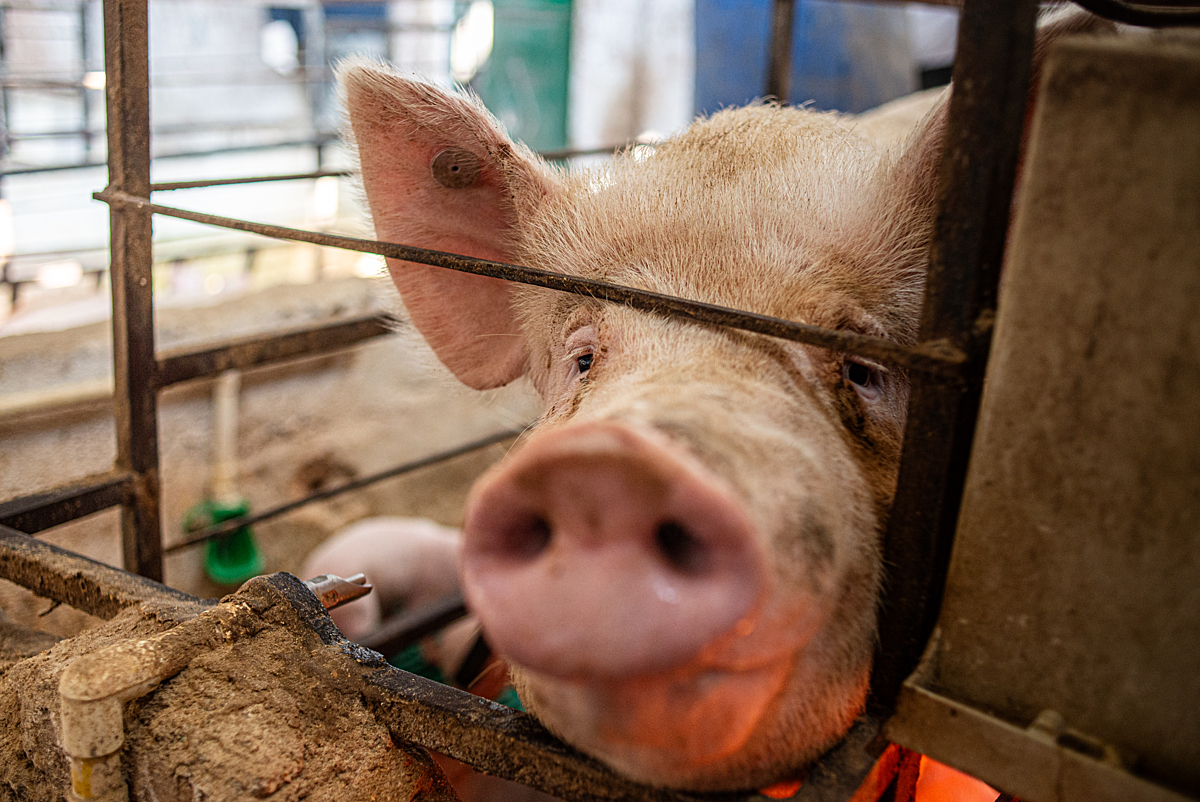
In an earlier incident, in January 2026, a pig was observed to have “a severe traumatic injury to the nasal region while moving among other animals. The lesion consisted of an extensive deep laceration to the nose with exposed nasal bone and soft tissue with the presence of fresh, active bleeding (forming bubbles) and some dry blood margins.” The vet wrote that the injury most likely occurred during the journey due to “entrapment” inside the lorry, recording that the consignment of animals “was loaded at 09:00 and unloaded at 16:03, with an approximate journey duration of 7 hours.”
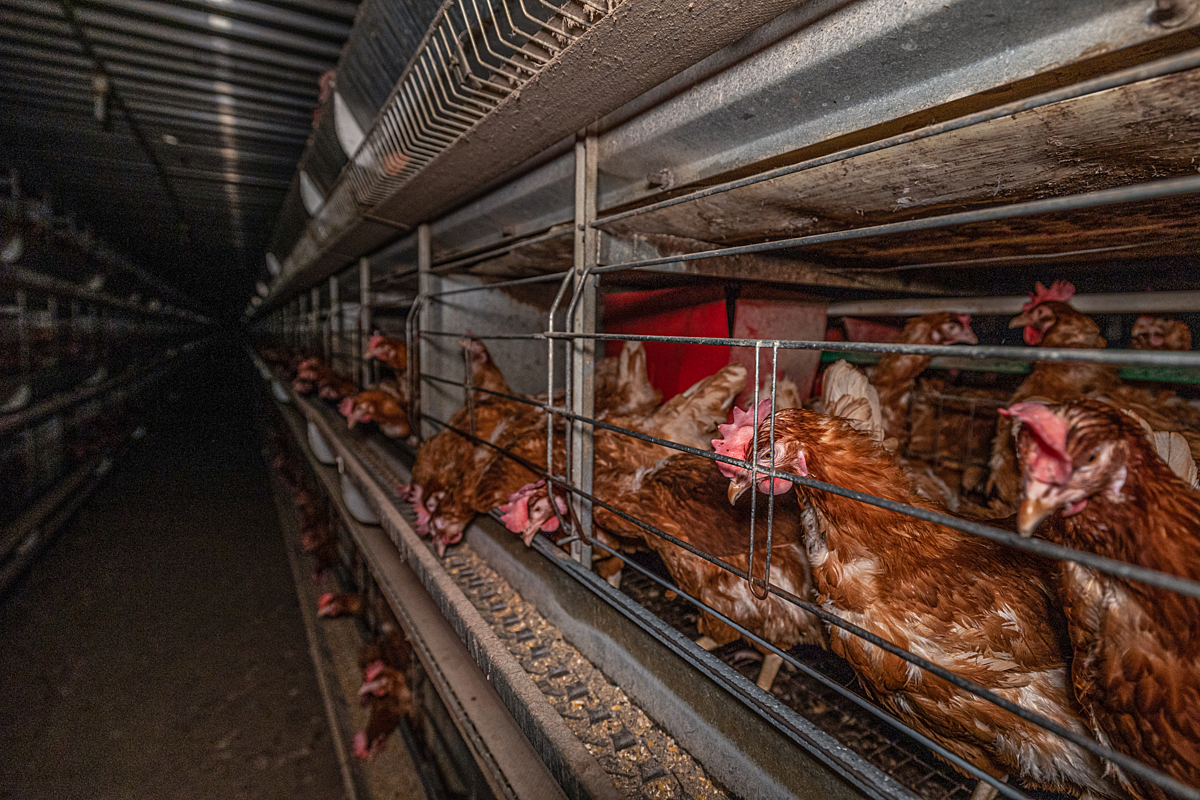
In another episode, this time involving poultry, more than 150 birds out of a load of 4200 (3.7% of the total consignment) arrived at the abattoir already dead. The logs show that the journey began at midnight and the vehicle arrived at 07:00, with a total journey duration of approximately 7 hours.
Officials recorded that the flock involved “originated from a [shed] consisting predominantly of poor-quality chicks and was reported to be salmonella positive. Farm production data indicated a cumulative mortality rate of 6.64%, suggesting that the birds were “physiologically compromised” and more susceptible to stress.
“In my professional opinion,” the official wrote, “the elevated [dead on arrival numbers] observed was the result of a combination of poor chick quality and prolonged transport duration […] the birds experienced significant stress during transport and consequently died during the journey to the slaughterhouse, leading to unnecessary pain and suffering.”
It is exactly these sorts of horrifying welfare violations that many of those behind today’s letter want to tackle, amongst the wider economic and food security issues.
Celebrity chef Hugh Fearnley-Whittingstall, who has thrown his weight behind the campaigners’ call, said: “There are only upsides to this, for animal welfare, for the economics of small-scale farming, and for consumers and hospitality businesses up and down the country. So, let’s make it happen.”
Image courtesy of We Animals
The AGtivist is an investigative journalist who has been reporting on food and agriculture for 20+ years. The new AGtivist column at Wicked Leeks aims to shine a light on the key issues around intensive farming, Big Ag, Big Food, food safety, and the environmental impacts of intensive agribusiness.



0 Comments