
When we talk about climate change we often think of carbon dioxide emissions. There are ‘carbon footprints’ on some food packaging, ‘carbon reduction plans’ set by food companies, and a UK Climate Change Act that has legally binding targets to ‘decarbonise’ our economy. Greenhouse gas emissions are also measured in ‘carbon dioxide equivalents’, or CO2e.
But in the shorter term i.e. now – the greenhouse gas we really need to focus on cutting is methane: a super-pollutant which is 80 times more potent than carbon dioxide over a 20-year period.
Indeed, reducing methane emissions would have an almost immediate impact on the rate of warming and cut the likelihood of triggering climate tipping points. And this is especially relevant in 2026 – the year of the super El Niño which is, and will continue to, devastate food production with heatwaves, floods and extreme weather conditions, causing havoc for farmers and the food supply system.
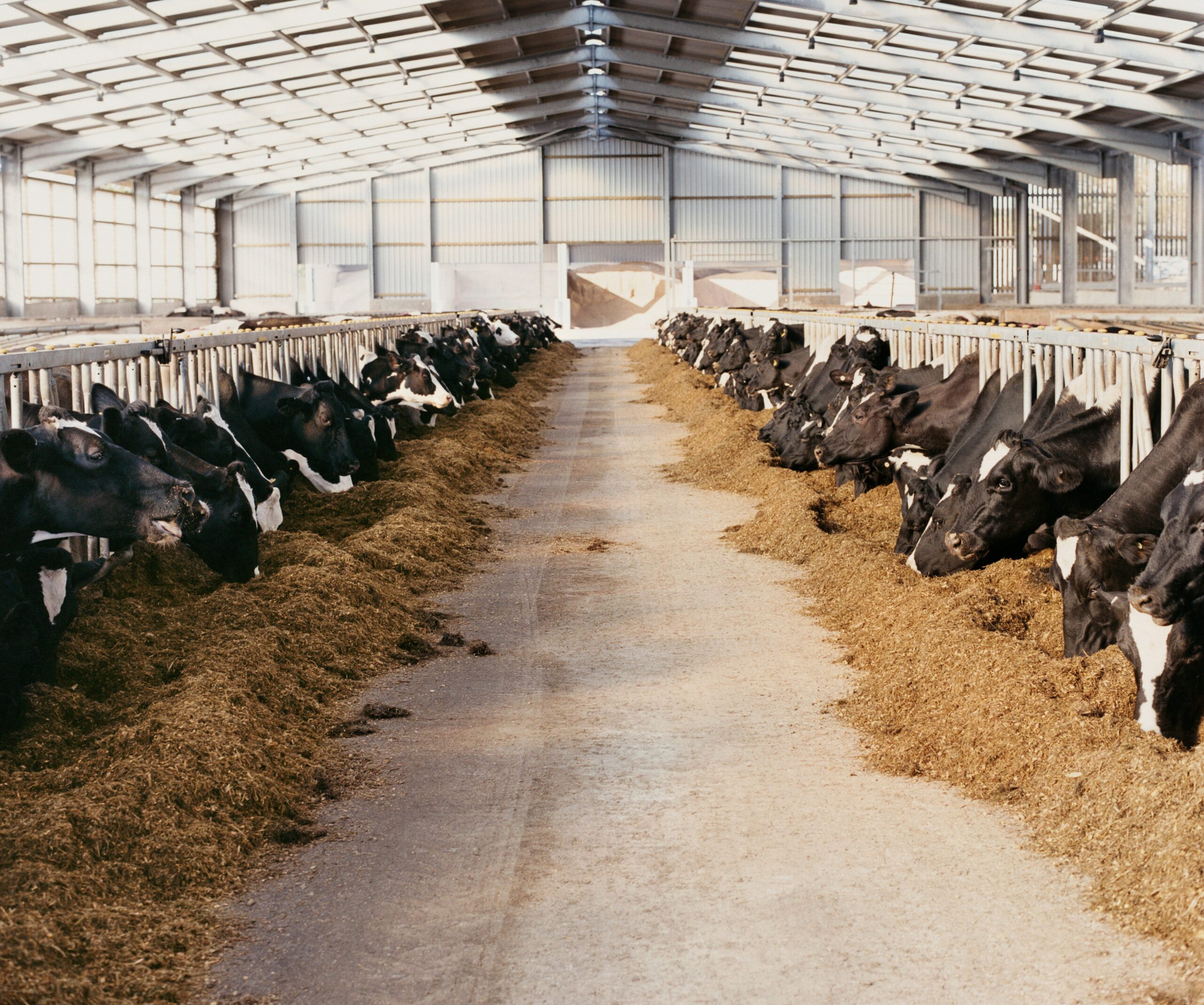
What’s more, 49% of our methane emissions in the UK come from agriculture – burping cows and sheep, mostly, as well as stored manure, and they are forecast to keep rising. And here, if it’s even needed, is the kicker: even if fossil fuel production stopped today, food emissions alone could push us past 1.5°C temperature increase.
Methane matters, but what are food companies doing about it?
This is the question that the Changing Markets Foundation (CMF), an NGO, has set out to answer with its methane action tracker reports, the latest of which was published last week.
CMF’s Maddy Haughton-Boakes offers the top line: “Our rankings show that while progress has been made since our last report in May, there are huge gaps in methane action and reporting,” she explains, adding: “There is a real leadership vacuum amongst retailers, none of which even report methane emissions.”
Supermarkets seem “blind” to the measurement of methane, let alone its mitigation: of the 20 largest food retailers in the world the Foundation assessed, not one reports methane or has a reduction target; this despite 13 of them recognising the effect of the gas on climate change.
The other seven, including Casino (a big supermarket chain in France), Walmart (the giant US retailer) and Mercadona (with more than 1,700 stores, mostly in Spain), do not even recognise methane as an issue. “This points to a persistent and widespread disengagement with the issue of methane and food systems across those companies,” the tracker report on supermarkets reads.
US chains trail their European counterparts, with none improving since the last tracker. Tesco and Lidl rank joint first, with a score of 43.5%. However, Tesco has dropped points after binning a target of 300% growth for plant-based sales (a goal that has not been replaced with any sales or protein-split target).
Shifting away from intensive, factory-farmed meat and dairy products to plant-based alternatives is one element of the scoring system used by CMF, which looks at everything from reporting of methane emissions and plans to reduce these to food waste (which also creates methane, and more so if it is landfilled).
“Our tracker highlights the robustness of climate action, especially when it comes to the immediate actions that have the highest impact on warming, which is what methane reductions represent,” CMF chief executive Nusa Urbancic tells Wicked Leeks. “I believe the tracker shows how serious these companies and brands are when it comes to one of the most defining issues of our time: climate crisis,” she adds.
Not very serious would be the summary. And it is not just supermarkets that appear to have a methane “blind spot”, as CMF puts it. The tracker also checks on what dairy and coffee chains are doing in relation to methane, which will form a big chunk of their overall greenhouse gas emissions.
Despite 21 of the 23 companies publicly recognising the link between livestock methane emissions and climate change, only two of those assessed have published commitments to reduce their absolute livestock methane emissions in line with the standards set by the Global Methane Pledge.
That is the pledge that was agreed at the COP26 climate talks in Glasgow in 2021, and which 159 countries have now signed up to. Last year’s ‘status report’ showed methane emissions will rise 5% by 2030 and 21% by 2050 compared with 2020. And agriculture is the biggest challenge, driving 42% of global methane – mainly from livestock, rice, and manure – with emissions projected to rise 8% by 2030 and 17% by 2050.
If countries implement existing commitments made in Nationally Determined Contributions (NDCs) and Methane Action Plans, we could reduce emissions to 8% below 2020 levels by 2030. If we increase ambition and upscale current technical solutions, we could further reduce to 32% below 2020 levels. These are big numbers.
Methane dominates dairy emissions
Of the big dairy companies that CMF checked, Danone and Le Groupe Bel have both committed to reductions of at least 30% below 2020 levels, by 2030. Both companies are already making “strong progress” towards these targets with reported cuts of 29.8% and 23%, respectively. Their scores of 80 and 79.5 out of 108 respectively are stand out performances in a generally sorry tale.
Nestlé, the world’s largest food and beverage company and emitter of a reported 42.5MtCO2e, managed 53 points. Nestlé, which owns KitKat, has made much of its work to reduce emissions, and has performed better than some; however it continues to rely heavily on technical and production-level interventions, by and large ignoring the need to also shift protein consumption away from animal sources.
As Urbancic writes in her new book, The new merchants of doubt: The corporate playbook of big meat and dairy to distract, delay, and derail climate action, “technical measures are being touted by the meat and dairy industry as the holy grail of methane reductions, but evidence shows that companies are often failing to invest significantly to develop these”. Advertising spend far outstrips the spend on agricultural emissions reduction, for example.
Dairy cooperatives fared even worse, and are generally seen as “laggards”; Arla scored 43 while Müller managed just 4 points (which was actually an increase on its score in the last tracker). Canada’s Agropur bucked the trend, scoring 66, up from just 16 the last time out, proving that it is possible for companies to act fast and see impressive results quickly.
“As large purchasers of milk, co-operatives often have direct procurement relationships with farmers, who are also frequently their members and owners,” CMF explained, adding: “This gives them a unique opportunity to set clearer expectations on methane reduction and provide more direct support for farmers to adopt mitigation measures.”
And what of the high street coffee brands?
Dairy is an important part of many coffee companies’ product portfolios (according to the British Coffee Association, Brits buy around 9.8 million coffees from coffee shops every single day) so they have an opportunity to use their purchasing power to drive methane reductions within dairy supply chains.
The performance of coffee companies varies significantly. Starbucks scores 60% (65/108), compared with an average of just 6% (7/108) across the other four coffee companies assessed. Tim Hortons (0/108), Dunkin (0/108), Costa (4/108) and McDonald’s (24/108). Costa, which has around 2,700 shops in the UK and another 16,000 (ish) express self-serve machines, lacks even basic methane reporting, noted CMF.
To its credit, Starbucks has now reported separately on its methane emissions (which amount to 27.7MtCO2e). But the chain, which has almost 1,400 stores in the UK and more than 41,000 globally, has also started reassessing its greenhouse gas emissions reduction targets. Some former Starbucks employees have also spoken out about the change in philosophy there, with “repeated layoffs” and the “gutting of the sustainability and ethical sourcing teams”.
CMF highlighted a particular problem was the cost of plant-based alternatives to dairy at coffee shops. There is no lack of availability but soya, oat and the like often come at a premium over dairy milk (there are, of course, also valid sustainability concerns around the sourcing of soya, which is an additional issue). “None of the companies assessed have achieved price parity between dairy and plant-based products. Dunkin,’ Starbucks and Tim Hortons have committed to remove surcharges for dairy-free milk for customers in some of their operations, but not across their global operations.” CMF said.
The Foundation said it is crucial to continue shining a spotlight on methane. The companies that have signed up to collaborative industry commitments are making far more progress than those that didn’t, and the progress made by leading companies “shows what is possible”.



0 Comments