
Earlier this month, the biggest ever legal action relating to environmental pollution in the UK took a major step forward.
Lawyers acting on behalf of almost 4000 people filed claims against the industrial chicken producers, Avara Foods and Freemans of Newent, as well as Welsh Water, for their alleged involvement in water contamination within the Wye, Usk, and Lugg river catchments. The companies, which deny the claims, face a civil trial in the High Court unless the issue is settled or the claim dismissed.
The case alleges that river pollution in the region has been caused by run-off from farmland containing high concentrations of phosphorus, nitrogen and bacteria resulting from the spreading of thousands of tonnes of poultry manure and sewage. This cocktail of waste has caused a substantial growth of algae which cuts oxygen, suffocates fish and harms fauna, according to the claimants, all of whom are local residents, business owners or other users of the waterways.
The plight of the river Wye in particular has attracted much attention in recent years and become a focal point for those campaigning against river pollution, and the expansion of industrial farms – not just in the immediate region but nationwide.
But it’s now emerged that the contamination of the iconic river may only be the tip of the iceberg. Internal government records seen by the AGtivist reveal a much larger scale of pollution linked to livestock farms across England, Wales, and Northern Ireland. The unpublished figures show that dairy and beef cattle farms, as well as pig and poultry units, have been responsible for thousands of pollution cases in recent years, with more than 50 a month, on average, being detected. The incidents impacted water, land, and air.
The cache of government data details some 7192 pollution events substantiated by the Environment Agency (and its devolved counterparts) between 2014 and 2025. According to regulatory insiders the true total will be even higher as not all incidents are reported and therefore investigated.
Whilst many incidents were minor, amongst serious episodes detailed in the records are hundreds of slurry spills (which contain a mix of livestock faeces and urine) found to be affecting waterways or land. In just the past month, details of several such cases have come to light following legal actions.
In one case, involving a dairy unit in the South West, farmers pleaded guilty to causing a “discharge of poisonous, noxious or polluting matter into a local river” after an investigation by the Environment Agency detected discolouration and foam – which can indicate contamination by slurry – in a waterway downstream from the farm in question.
Officials linked the contamination back to slurry lagoons on the farm, and concluded that the waste spill had caused “a significant deterioration in water quality” with a “severe impact” being reported for some 2 kilometers and “a further impact noticeable 4.5 kilometres from the source.”
In a separate case, again in the South West, a farmer admitted to illegally discharging slurry into a river, harming fish and other wildlife. The farmer was found to have laid a pipe in a river in order to pump slurry from one storage lagoon to another. When the Environment Agency later attended, they noted a strong slurry smell, brown discoloured water, and dead fish.
Such prosecutions are rare. The government records suggest that over the past 11 years, less than 80 pollution incidents connected to livestock farms across England, Wales and Northern Ireland resulted in either prosecution or a recommendation to pursue the case in the courts. The vast majority of incidents were instead dealt with by warning letters or the offering of “advice and guidance”.
One explanation for the apparent lack of more serious sanctions could be the hollowing out – due to budget cuts – of the regulatory agencies who are supposed to be policing the sector. The Environment Agency in particular has faced scrutiny in recent years over its enforcement activities, with some reports finding that the number of onsite inspections had fallen by more than a third. Cutbacks were blamed for hampering enforcement efforts.
Whilst the agency has now increased the number of farm inspections – partly, it must be assumed, in response to growing scrutiny – some critics say the body still requires substantial funding increases to more effectively combat the problem.
Either way, farm pollution in the UK is a systemic problem and one that just won’t go away. Previous reports exposed how dairy megafarms – US-style factory units that permanently confine hundreds, or even thousands, of cattle, indoors – had been responsible for a catalogue of serious water pollution incidents. Some were found to be persistent offenders.
More recently, the revelations that intensive farms across England had breached environmental rules thousands of times sparked calls for tougher regulations and an immediate embargo on new factory farms being built. Among the more than 3,000 incidents revealed to have occurred on pig and poultry units was the “routine” discharge of slurry and dirty water, excessive air pollution, waste movements not being recorded appropriately, maggot-infested carcass bins and the illegal incineration of pigs.
It had earlier been reported that some polluting cattle and pig farms were actually being rewarded for their actions with millions of pounds of subsidy payments – ultimately coming from the public purse – whilst others linked to bad practices had apparently avoided serious sanctions.
Despite all this, is it fair to lay the blame at farmers alone?
Whilst negligence or bad practice clearly explain some pollution incidents, over the years environmentalists and farming bodies have pointed the AGtivist towards other factors, particularly in the case of cattle farms: persistently low incomes, unfair supermarket contracts and an associated lack of financial capital that would enable farmers to invest in better infrastructure to manage waste.
In the case of dairy farms specifically, industrial production is believed to have expanded in recent decades, at least partly as a consequence of farmers having to grapple with fluctuating milk prices, supermarket price wars, and a relentless pressure to remain profitable. As was widely reported, at some points a pint of milk cost less to buy than a bottle of water, the kind of skewed economics that keeps farmers awake at night.
One food policy expert last year explained that the problem for many livestock farmers was that upgrades to better manage waste often required an enormous investment in time and money, even though they wouldn’t necessarily help a business’s bottom line.
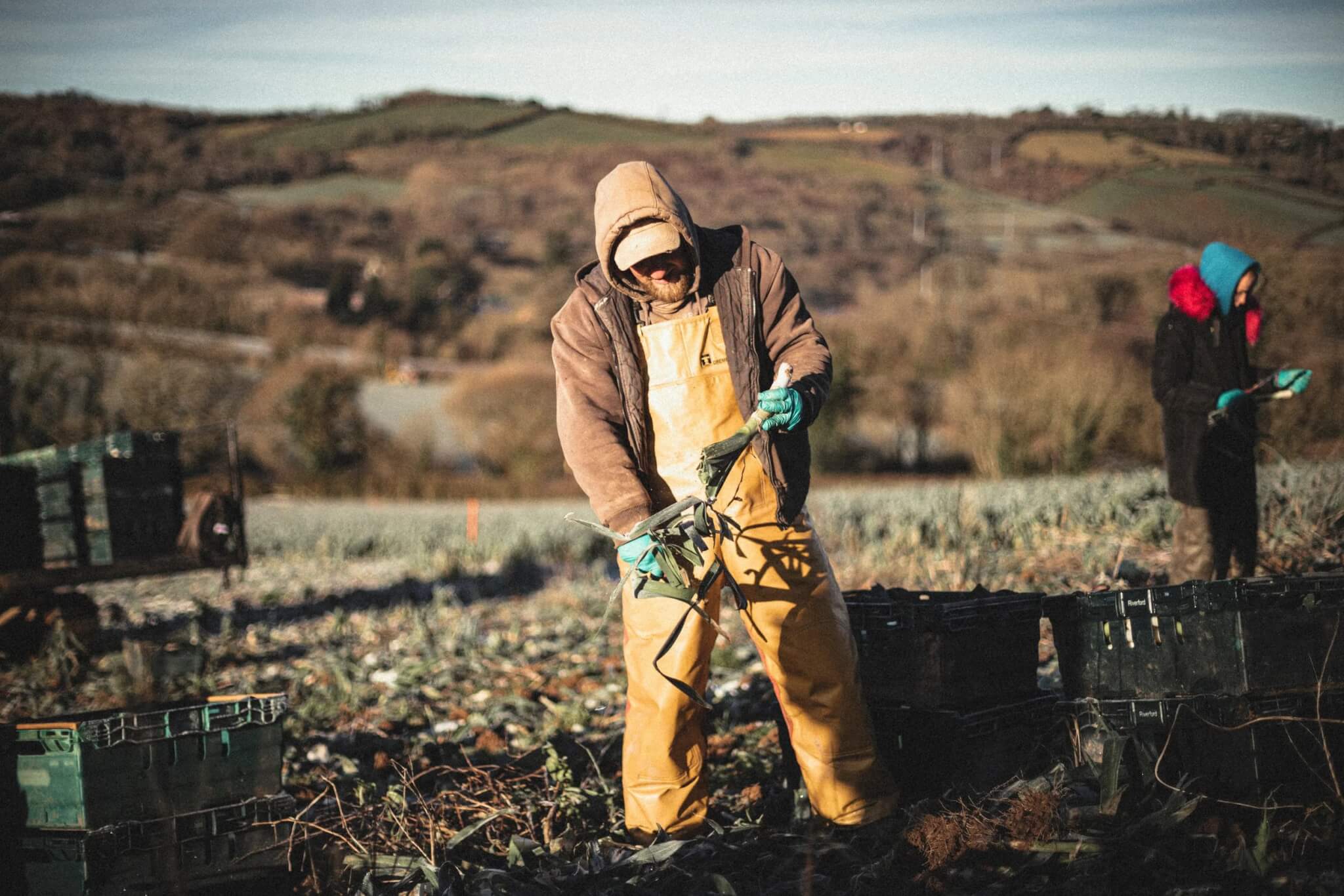
They said that it was often extremely difficult for farms to make that kind of investment when their margins were being squeezed by both food retailers and processing companies “who hold all the power in the supply chain”, as well as the competition of imports from cheaper food-producing countries.
At the same time, a dairy farmer said he believed that the pollution problem was the result of the “relentless pursuit of cheap food” – and that farmers shouldn’t be blamed in all cases as they were simply “pawns in the game.” The farmer said that he believed that whilst intensification of the dairy sector had resulted in too many animals in one place – generating more waste than can be sustainably managed – those farmers that had opted to expand had simply followed the money.”
An industry source pointed out that it was farmers who ultimately helped to manage the UK’s rivers and wanted to see them thrive, which included improvements in the quality of the waterways. They also argued that greater access to government schemes that help farmers invest in slurry storage and other infrastructure to protect watercourses was vital, along with fairer contracts for farmers.
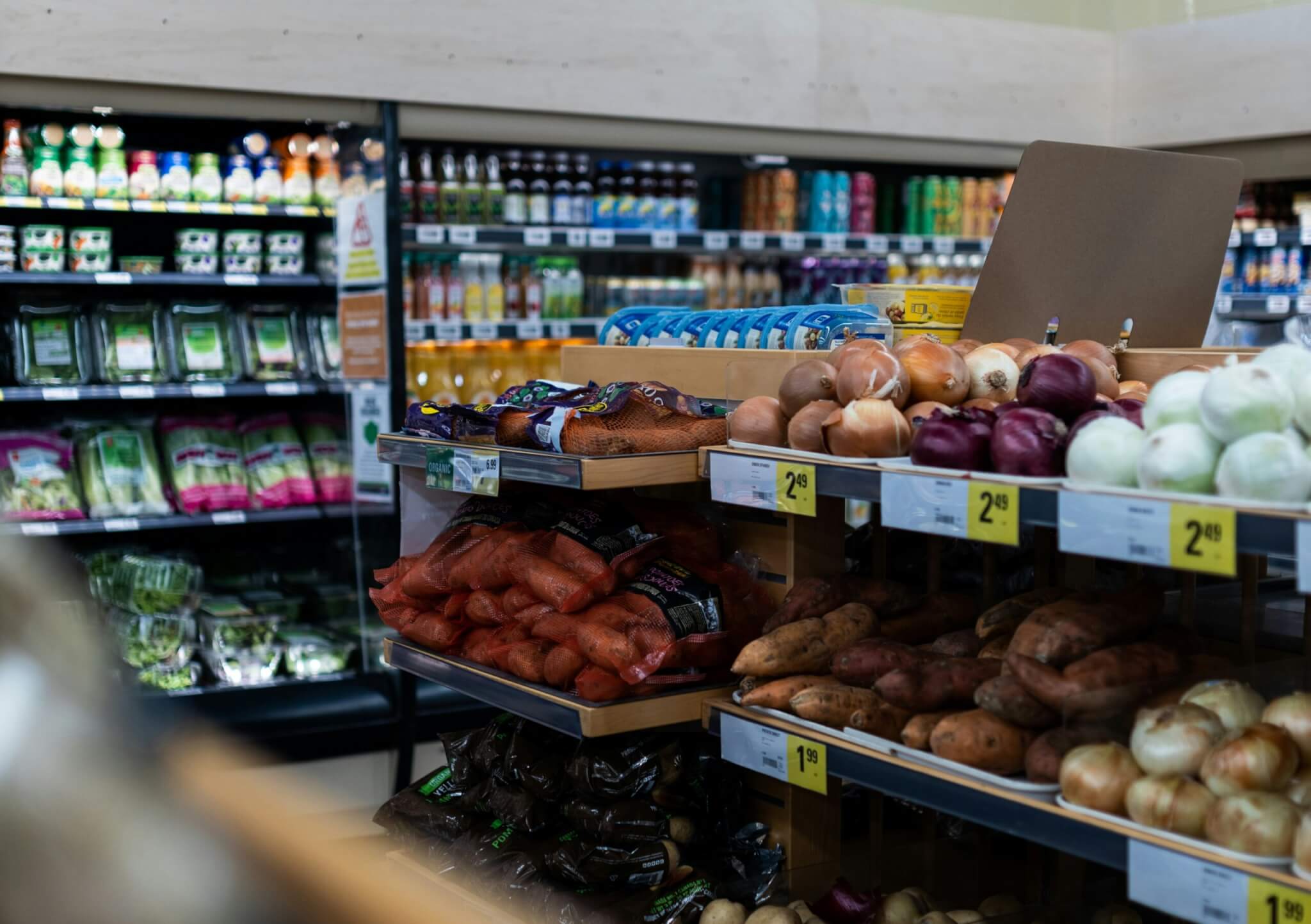
The wider issue of unfair pricing was perhaps most starkly illustrated by a report in 2022 which claimed that UK farmers – both arable and livestock – were often left with less than 1p profit from the food items they produced. Researchers looked at five everyday amounts of food staples – cheese, beef burgers, apples, carrots, as well as bread – and found that, after various intermediaries and food retailers had taken their cut, farmers were sometimes being left with less than 1% of the profit.
In the case of beef, it was found that for a pack of four burgers, the meat processor gained as much as ten times the profit of the farmer who had reared the cattle used to produce the meat in the first place.
With such unjust economics to contend with, is it any wonder that at least some farmers are not able to focus fully on trying to mitigate their environmental footprint.
There’s no easy or quick fix solution to the ongoing problem of farm pollution. The toughening up of the UK’s principal environment regulator would be a start. More inspections – and indeed more inspectors and support staff – would surely increase detection rates and enable more legal cases to be brought, helping act as a deterrent.
So too would be a much wider (and sustained) conversation involving farmers themselves, and the food companies they supply, as well as supermarkets, politicians, policy wonks and consumers. The conversation firmly needs to be about the true cost of our love affair with cheap food.
The AGtivist is an investigative journalist who has been reporting on food and agriculture for 20+ years. The new AGtivist column at Wicked Leeks aims to shine a light on the key issues around intensive farming, Big Ag, Big Food, food safety, and the environmental impacts of intensive agribusiness.

0 Comments