

In the 1960s & 70s, my father’s ploughman, who claimed to have ploughed most of the parish, initially with a horse, would occasionally catch a granite boulder in one of the lower fields with the tip of his plough shear. These “river pebbles”, weighing a ton or more, originated on Dartmoor and were rounded in their millennia-long journey down the River Dart, before being stranded and buried as the river changed course. A team would be sent with iron bars, shovels, and tractors to extract the beast like a reluctant wisdom tooth. You can still see many egg-like “pebbles” incorporated into walls mixed with the farm-quarried slate.
Last week, while ploughing for purple sprouting broccoli, the shear caught a giant lump of limestone. After a day of digging, we gave up and ended up covering it with what little soil we could find. Perhaps we will plant a tree to celebrate the land’s rare, intransigent triumph over our hubris. When I asked the previous farmer why the field was called “two parts”, his reply was “you will know when you plough it.” He was right but I would have called it 10 parts – the soil changes every few metres. To stand any chance of feeding ourselves sustainably, farming practice and the government policies that guide it must respect local variation in soil and topography and the practices that evolved to accommodate them. Riverford’s farmland is also classified as 3b by Defra, meaning it’s deemed largely unsuitable for horticulture. But with local knowledge and a bit of ingenuity, it can be highly productive (and biodiverse & beautiful).
Later in the week, my brother and I found ourselves in Bristol with 20 policymakers, environmental lawyers, and regulators, discussing the basis for food and farming policy. Despite the best of (mostly shared) intentions, we were like oil and water. Bringing local knowledge and practice together with policymakers seeking universal solutions – that also meet the broad demands on land of our small island – is a colossal and underestimated post-Brexit challenge; thus far defeating Defra and leaving farmers in frustration and despair. The recently published Land Use Framework for England might offer some hope, but without a devolution of Defra’s powers to local bodies with a closer connection to our hugely varied soils, climate, topography, and people, I fear it will result in further misguided concentration of power in Westminster. All wealth and culture started with the soil, which is as varied as we are.
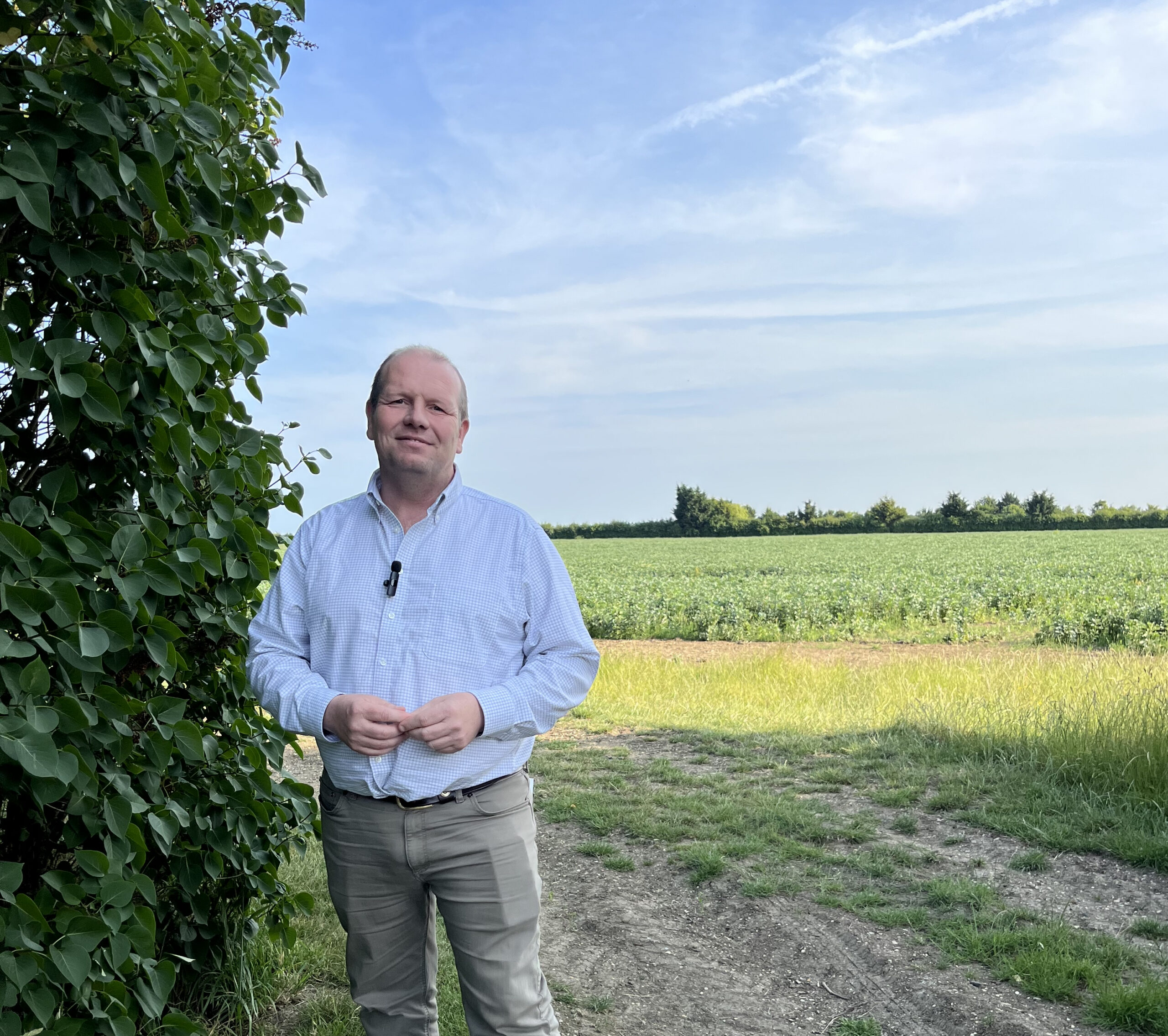
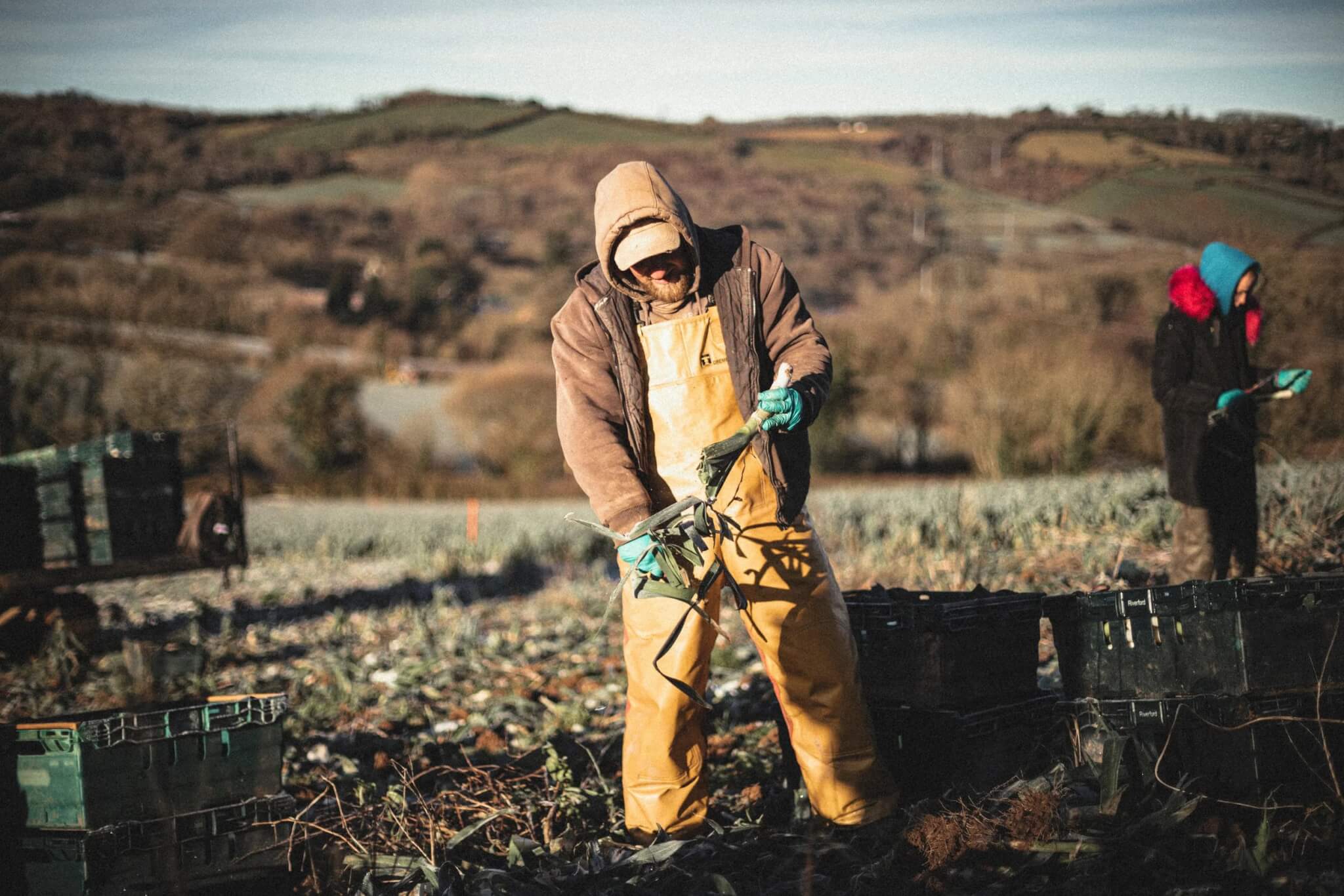
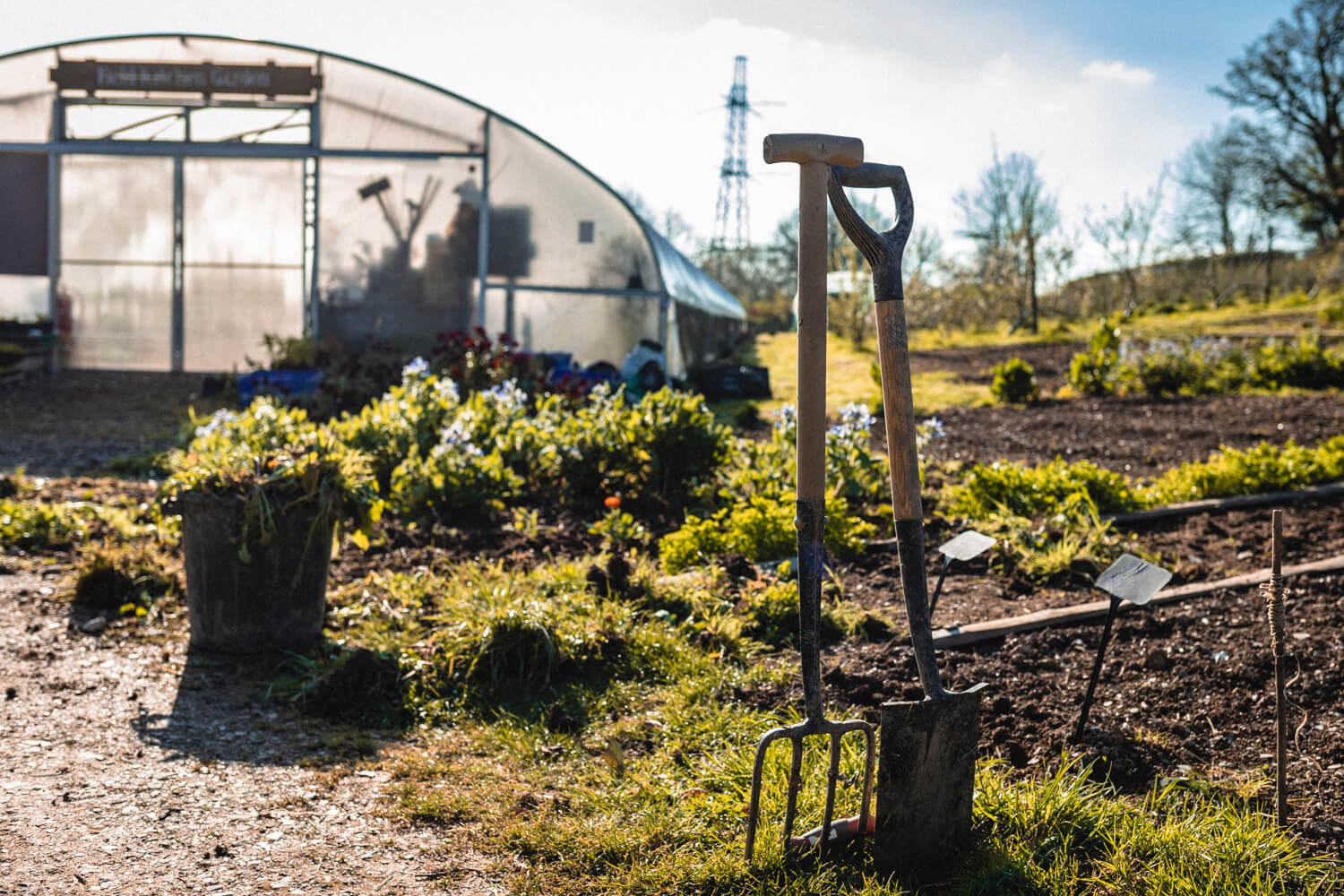
Guy’s farm at Baddaford, photo by Emma Stoner.
Our News from the Farm posts come from Riverford. They are the digital versions of the printed letters which go out to customers every week via Riverford’s veg boxes. Guy Singh-Watson’s weekly newsletters connect people to the farm with refreshingly honest accounts of the trials and tribulations of producing organic food, and the occasional rant about farming, ethical and business issues he feels strongly about.


0 Comments