

As a surfing vegetable grower, I think September and October must be my favourite months. Our summer ended abruptly last week with a series of depressions rushing in off the Atlantic and dumping 100mm of rain – more than most farmers in the east have seen all summer. The first, the remnants of hurricane Erin, also brought some beautiful waves; the first good swell in months.
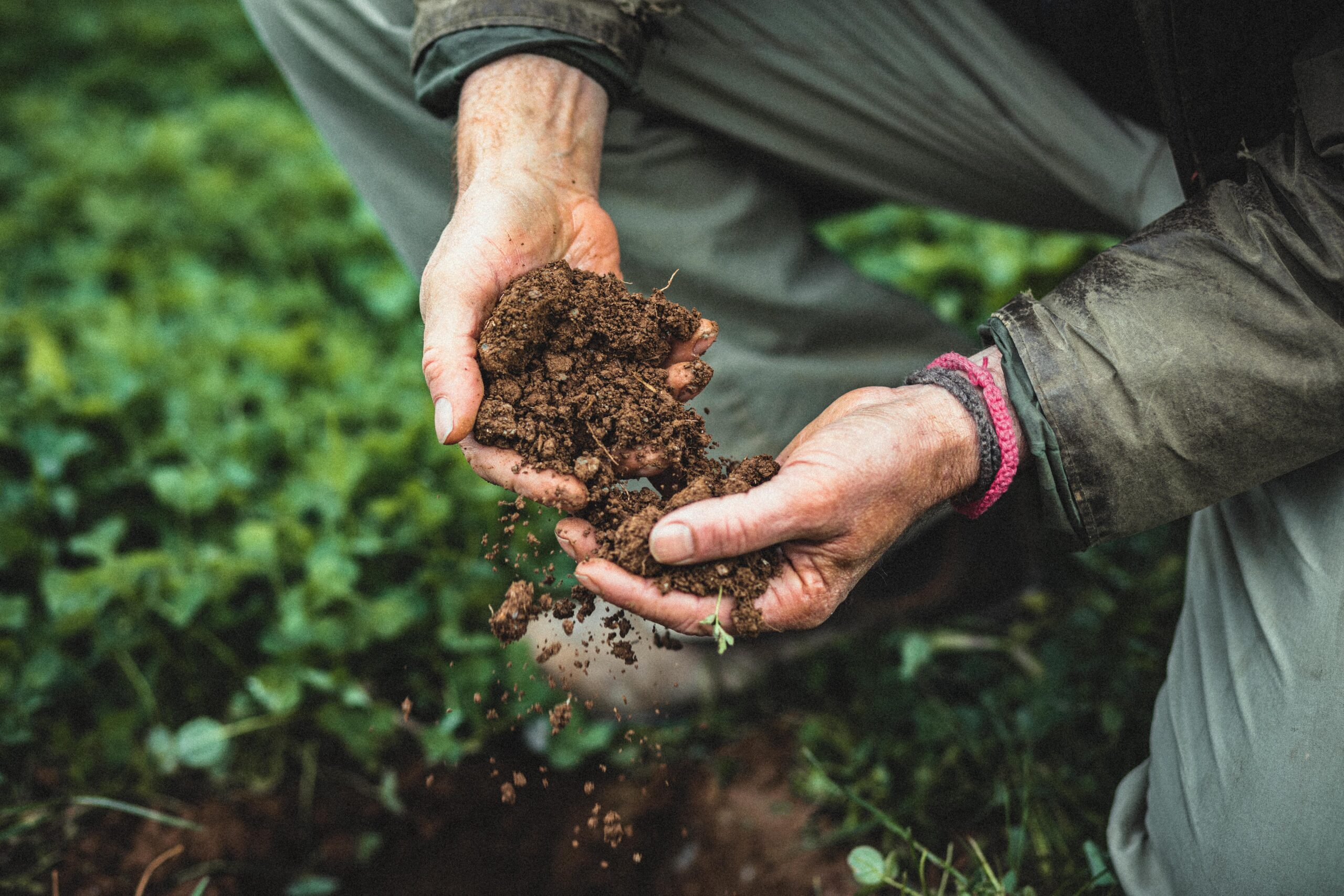
Parched soil sucked the rain in and down to replenish the deficit. Clays swelled and started to close some of the cracks and the first green shoots appeared across pastures that had burnt off in the summer drought. Most vegetable crops are looking fantastic – this will be our best growing year for a decade – sadly not something shared by growers further east. As the cucumbers finish (brought to an early end by red spider mite) we’re already busy clearing and planting our polytunnels with winter salads. This continues into early October, supplying salad leaves for your boxes through the winter. Tomatoes will follow later in the month.
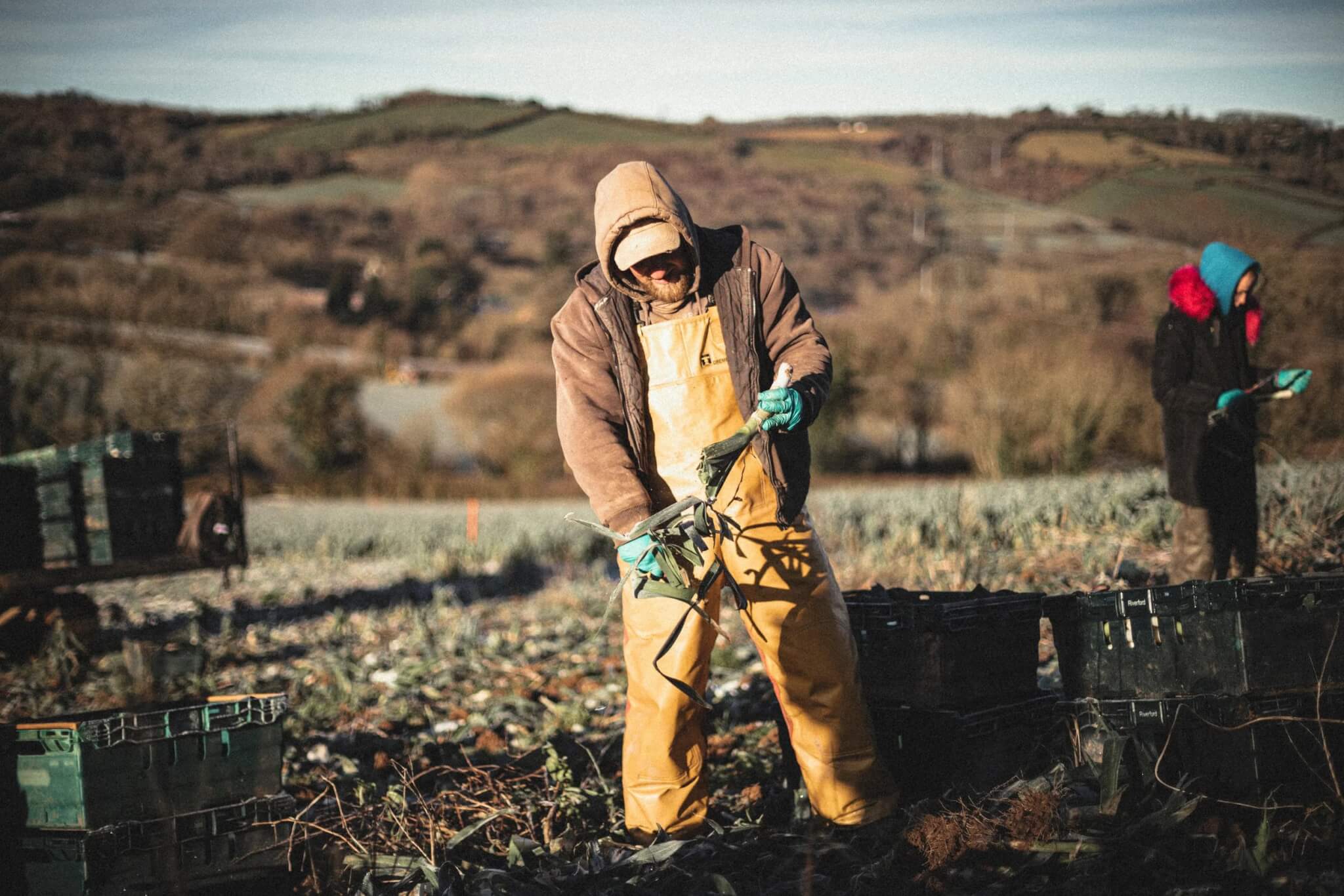
A dry summer has enabled us to stay on top of the weeding, but each year it is harder to persuade co-owners to bend, kneel or lie down. The latter involves working face down, a few inches above the ground, on a mobile platform (or “lazy weeder”) and allows us to hand-weed baby leaf salads, onions, and carrots. We’ve already bought a GPS, camera, and computer-guided hoe to weed with precision between rows but we’re now doing the sums on the £150,000 solar powered, GPS guided, human-free Earth Rover which combines technology developed for the exploration of Mars with AI and camera recognition to distinguish crop from weed, before firing a concentrated pulse of light at the weed’s meristem (growing point) which boils it alive, leaving our crop untouched. With batteries, it can work day and night, up and down the rows, with remote monitoring from your phone.
The economics are questionable as is the machine’s ability to cope with our slopes but there is no question of the direction of travel. Within ten years, and likely five, this will be the norm for high value, close-planted veg. No one should romanticise hand weeding unless they’ve done it (it’s the least popular job on the farm). My concern is that pricey new tech is one more nail in the coffin for small scale growers who will not be able to afford it.
Photograph by Emma Stoner; Summer 2024 at Riverford.
Want to help?
Nearly two years ago, over 100,000 people signed Riverford’s petition to parliament in support of Riverford’s Get Fair About Farming campaign, calling for better protection from retailers for British farmers. Riverford has working hard behind the scenes with Sustain: the alliance for better food and farming, and there’s big news: MPs have put forward an Early Day Motion on Farmers, Growers, and the Supermarket Supply Chain. The proposal would bring existing supply chain regulators together into one stronger, more effective body to help ensure fair treatment across the whole chain, from farmers and growers to the biggest retailers.
Will you email your MP today and ask them to support this proposal? It takes just a minute, and it could help build a fairer system for the people who produce our food.
Our News from the Farm posts come from Riverford. They are the digital versions of the printed letters which go out to customers, every week via Riverford’s veg boxes. Guy Singh-Watson’s weekly newsletters connect people to the farm with refreshingly honest accounts of the trials and tribulations of producing organic food, and the occasional rant about farming, ethical and business issues he feels strongly about.



Is the ’email your MP’ link broken?